
Mold Inspection in Elmont, NY
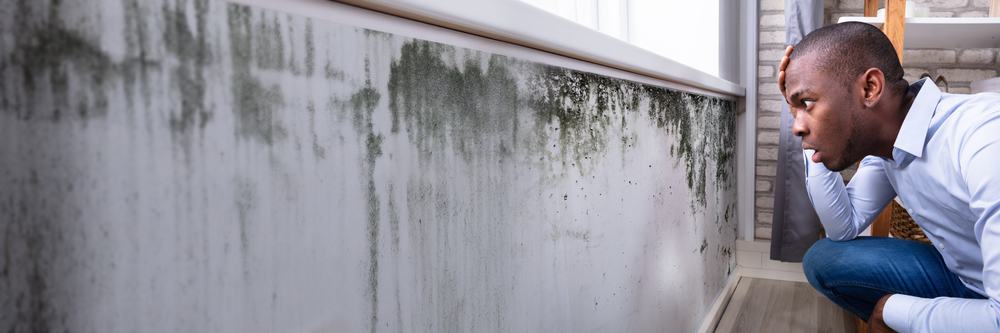
Elmont's Older Homes Hide Mold Where You Can't See It
Hear from Our Customers
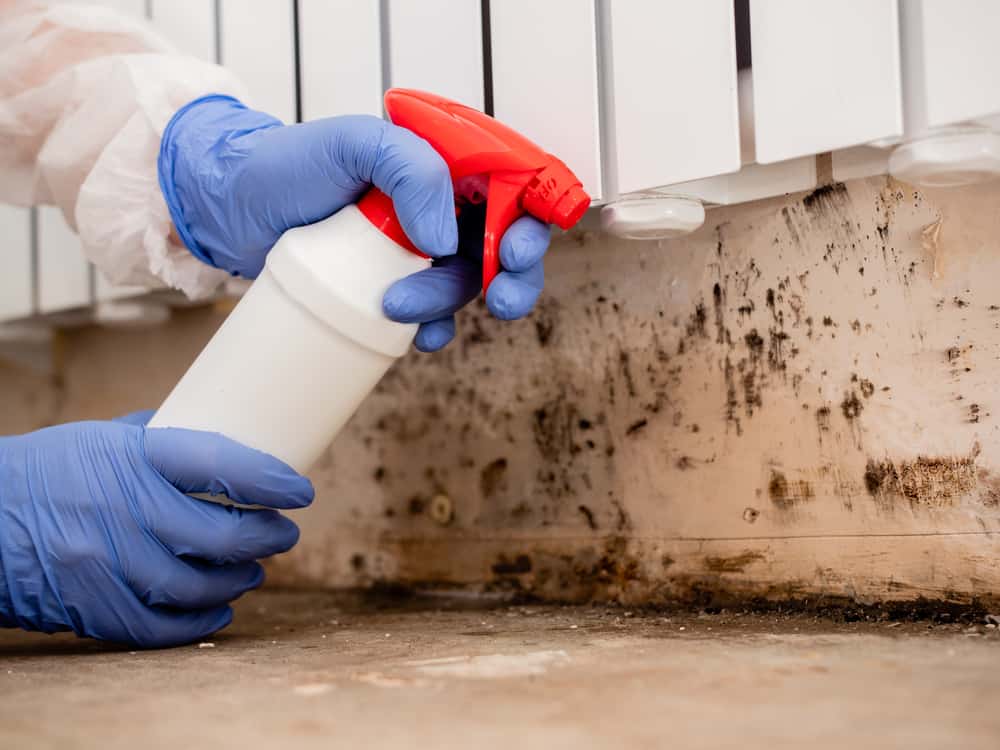
Residential Mold Inspection Elmont NY
Most Elmont homeowners don’t call until something is visibly wrong a smell they can’t shake, a water stain that keeps coming back, or a family member whose allergies suddenly got worse. By that point, the mold has usually been growing for a while. A proper mold inspection doesn’t just confirm what you already suspect. It tells you what species is present, how concentrated the spores are, and whether the air inside your home is measurably worse than the air outside which is exactly what your insurance company or doctor needs to see.
Elmont’s housing stock is a big part of why this matters so much here. The majority of homes in this area were built between the 1940s and 1960s post-war capes and ranches that were never designed with modern moisture protection in mind. No vapor barriers in the crawl space, original plumbing that’s had 70 years to develop slow leaks, attics with minimal ventilation sitting above low-pitch rooflines. These aren’t hypothetical risks. They’re the exact conditions our certified technicians find again and again in Nassau County homes of this era.
Add in the fact that Elmont sits right on the Nassau-Queens border, where urban-edge density and flat terrain mean stormwater doesn’t drain the way it does in more suburban parts of Long Island and you’ve got a community where basement water intrusion is a recurring reality, not a one-time event. If your basement has ever taken on water, even years ago, there’s a real chance something was left behind.
Licensed Mold Inspection Company Elmont NY
We’ve been working in Nassau County homes since 1994. That’s not a marketing number it’s the kind of track record that only holds up if you’re consistently doing the work right. Owner Richard Peterson holds personal licensure from the NYS Department of Labor for both mold inspection and mold remediation, and every technician on our staff is IICRC-certified. Not just the owner. Everyone who shows up at your door.
That matters in a market where it’s common for a company to advertise the owner’s credentials and then send someone with no certification to do the actual inspection. That’s not how we work.
We serve all of Nassau County, including Elmont and the surrounding areas along Hempstead Turnpike and Elmont Road. If you’re dealing with a post-war cape that’s been in the family for decades, or a ranch home near Belmont Park that’s been showing signs of moisture issues, we’re a team that has seen your exact situation before and knows what to look for.
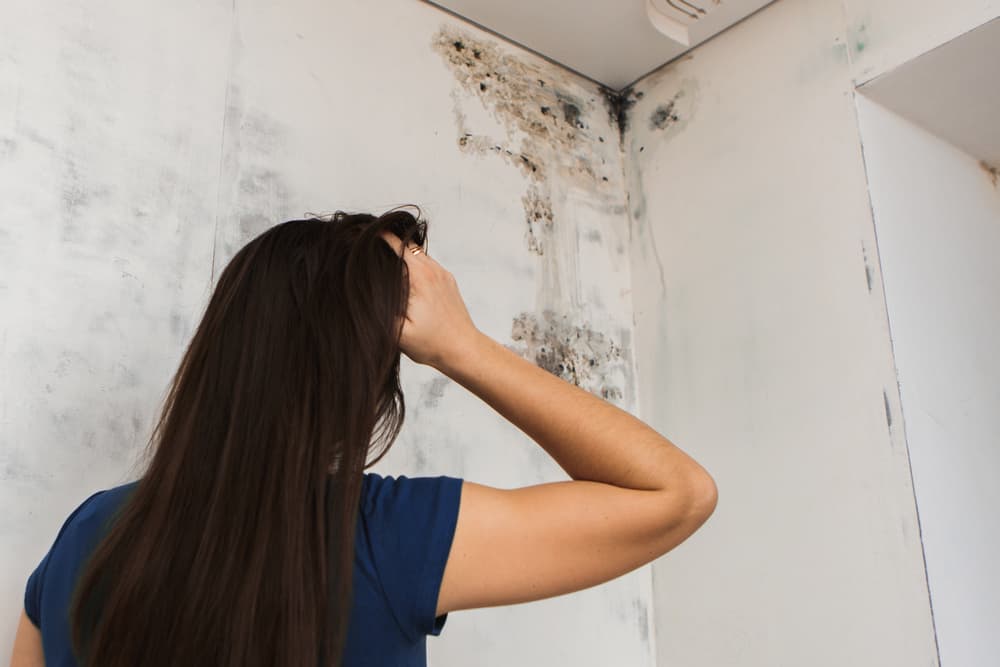
Mold Assessment Services Elmont NY
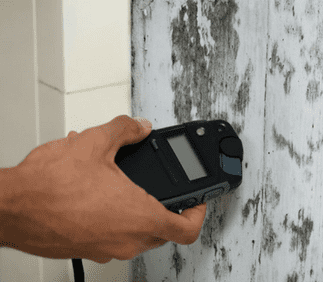
When one of our technicians arrives at your Elmont home, we’re not doing a quick visual walkthrough and handing you a pamphlet. Our inspection follows a defined five-point protocol that covers air sampling, surface swab collection, moisture level measurement, water intrusion assessment, and infrared thermal imaging to detect moisture behind walls and ceilings that no flashlight would catch. Indoor air samples are compared directly against outdoor baseline samples taken at your property so the results reflect your specific home, not a generic standard.
Everything collected goes to a certified third-party laboratory. The written report you receive identifies mold species, spore concentration levels, and specific remediation recommendations tied to what was actually found. That’s the format Nassau County insurance adjusters require, and it’s what real estate attorneys need when a mold issue surfaces during a home sale transaction.
Under New York State’s Article 32 licensing law, all mold assessors operating in Elmont are required to hold a current NYS Department of Labor license. We’re fully licensed for both assessment and remediation. That means every document produced during your inspection carries legal standing something that matters if you’re filing an insurance claim, navigating a home sale, or dealing with a health concern that may be tied to indoor air quality. The inspection itself typically takes a few hours depending on the size and condition of the home, and results come back from the lab with enough detail to give you a clear picture of what’s happening and what, if anything, needs to be done next.
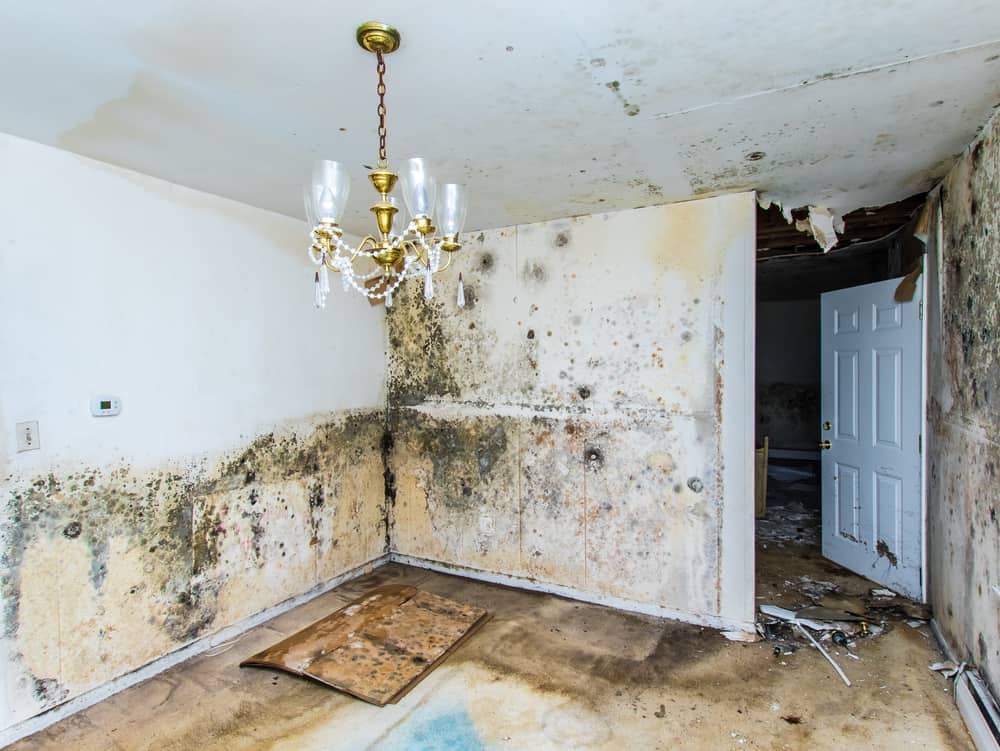
Ready to get started?
Indoor Air Quality Testing for Mold Elmont NY
Mold inspection in Elmont, NY isn’t a one-size-fits-all service, and we don’t treat it that way. Our inspection is structured around the specific risk factors most common to this area aging post-war construction, basement flooding from hydrostatic pressure, crawl spaces without vapor barriers, and attic moisture buildup in low-pitch rooflines. Infrared scanning is included because in homes of this age and construction type, moisture problems are almost always hidden before they’re visible.
Our five-point protocol covers black mold testing, toxic mold identification, surface and air sampling, moisture mapping, and a full written lab report. If you’re a homeowner on Elmont Road dealing with a recurring basement issue, or you’re near the Belmont Park reconstruction zone where active demolition has been disturbing decades-old building materials and releasing spores into surrounding neighborhoods this inspection gives you documentation that stands up. It’s also the right move before listing a home for sale in Nassau County, where buyers and their attorneys are increasingly asking for professional mold assessments as part of the transaction.
We handle both the inspection and, if needed, the full remediation and restoration. You don’t have to manage multiple contractors or wonder whether the remediation plan actually matches what the inspection found. One call to our Nassau County line 516-698-1776 starts the process from assessment through completion.
What does a mold inspection in Elmont, NY actually include?
A professional mold inspection in Elmont, NY goes well beyond someone walking through your home with a flashlight. Our process includes air sampling from multiple locations inside the home, surface swab samples from areas of visible concern, moisture level readings throughout the structure, a water intrusion assessment to identify where moisture is entering, and infrared thermal imaging to detect hidden moisture behind walls, ceilings, and flooring where mold commonly develops in older homes.
All samples are sent to a certified third-party laboratory, and the written report you receive identifies what species are present, at what concentration, and how your indoor air quality compares to the outdoor baseline taken at your property on the same day. That comparison is what makes the report useful not just for your own peace of mind, but for insurance adjusters, real estate attorneys, and physicians who may need to connect indoor air quality to a health concern. In Elmont’s post-war housing stock, where moisture problems often develop slowly and silently over years, that level of documentation is what separates a real inspection from a surface-level look around.
How much does a mold inspection cost in Nassau County?
Nationally, professional mold inspections typically run between $300 and $1,050, with the average landing around $670. In Nassau County, pricing generally falls within that range, though the final cost depends on the size of the home, the number of samples collected, and whether infrared imaging is included. For Elmont’s housing stock where most homes are post-war capes and ranches with basements, crawl spaces, and attics that all warrant inspection a thorough assessment will typically involve multiple sample locations, which affects the total.
The more useful way to think about the cost is what it prevents. A mold inspection that catches an active colony behind a basement wall early costs a fraction of what full remediation runs once the problem has spread and remediation in a significantly affected home can reach $10,000 to $20,000 or more. For homeowners in Elmont who’ve dealt with basement flooding or water intrusion at any point, the inspection is less of an expense and more of a straightforward protection on an investment that’s worth protecting. Call 516-698-1776 to get specific pricing based on your home’s size and situation.
Does the Belmont Park construction nearby put my home at risk for mold?
It’s a fair question, and the short answer is yes it’s a real consideration worth taking seriously. The $455 million demolition and rebuild of Belmont Park’s grandstand is one of the largest active construction projects in Nassau County right now. Large-scale demolition of structures built in 1968 disturbs dormant mold colonies that have been embedded in building materials for decades. When those materials are torn apart, spores are released into the surrounding air. Construction vibration can also create micro-fractures in nearby foundation walls and disturb existing moisture barriers in adjacent homes.
Elmont residents living within a reasonable distance of the Belmont Park site have a specific, present-day reason to have their home’s air quality assessed not out of panic, but because establishing a documented baseline now is the smart move. If mold-related issues develop or worsen during the construction period, having a pre-construction inspection report gives you something concrete to reference in an insurance or legal context. Our certified assessors can conduct that baseline air quality inspection and provide a lab-backed report that documents your home’s indoor air quality as it stands today.
Is mold inspection required by New York State law before remediation?
New York State’s Article 32 of the Labor Law, which took effect in January 2016, does not technically require a mold inspection before remediation in every situation but it does require that all mold assessors and mold remediation contractors hold a current NYS Department of Labor license. More importantly, the law prohibits the same company from both assessing and remediating mold on the same project unless the work falls below the threshold for regulated activity. This is a nuance that matters when you’re hiring someone.
What this means practically is that you want to verify licensure before anyone touches your home for the inspection and for any remediation that follows. Unlicensed mold work in New York carries fines up to $10,000, and work performed without proper licensing has no legal standing, which means it won’t hold up in an insurance claim or a real estate transaction. We hold full NYS DOL licensing for both mold assessment and mold remediation, and the reports produced during every inspection are legally defensible documents. In Nassau County, where insurance claims and home sale negotiations frequently hinge on mold documentation, that distinction is not a minor detail.
How do I know if my Elmont home has mold if I can't see anything?
Visible mold is actually the easier problem to deal with you can see it, you know it’s there, and you can act on it. The more common situation in Elmont’s older homes is mold that’s been growing behind drywall, underneath flooring, inside attic insulation, or in the wall cavities of a basement that took on water at some point in the past. You may notice a persistent musty smell that doesn’t go away no matter how much you clean, or a family member whose respiratory symptoms seem to improve when they’re away from home for a few days. Those are meaningful signals.
Infrared thermal imaging is the key tool for finding hidden moisture and hidden mold in homes where there’s no obvious visual evidence. The technology detects temperature differentials caused by moisture accumulation behind surfaces, identifying problem areas that a standard visual inspection would completely miss. In a post-war cape or ranch in Elmont where the walls haven’t been opened up in decades, that capability is what makes the difference between a complete inspection and a partial one. If you have any reason to suspect moisture has entered your home past flooding, a roof repair, a slow leak, or just an unexplained smell that’s enough reason to schedule an assessment.
Can I use a store-bought mold test kit instead of hiring a professional?
Store-bought mold test kits are widely available, and they do detect mold but they have significant limitations that matter a lot depending on why you’re testing. They can tell you that mold spores are present in your home, but mold spores are present in virtually every indoor environment at some level. What they can’t tell you is what species is present, what the concentration is, how it compares to outdoor baseline levels, where the source is, or how far the growth has spread. They also can’t produce a report that an insurance company, real estate attorney, or health authority will accept.
For Elmont homeowners dealing with a post-flood situation, a home sale, an insurance claim, or a health concern, a DIY kit result is essentially unusable in any formal context. Nassau County insurance adjusters and real estate attorneys require certified lab analysis with documented chain of custody the kind that comes from a licensed mold assessor following a defined protocol, not a petri dish left on a counter for 48 hours. If you’re testing purely out of personal curiosity and have no immediate need for documentation, a kit might give you a starting point. But if the result is going to matter in any real-world situation, a professional mold inspection in Elmont, NY is the only option that produces something you can actually use.
Useful Links
Other Services we provide in Elmont