
Mold Inspection in Fort Salonga, NY
Gold Coast Homes Deserve More Than a Flashlight and a Guess
Hear from Our Customers

Residential Mold Inspection Fort Salonga, NY
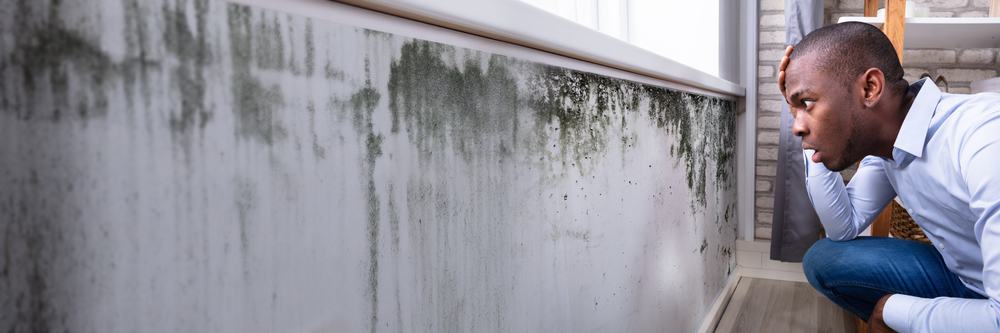
Most Fort Salonga homeowners don’t find out they have a mold problem until they’re already dealing with one a musty smell that won’t go away, a contractor opening a wall during a renovation, or a buyer’s inspector flagging something during a sale. By that point, the problem has usually been growing quietly for months, sometimes years.
It’s just how mold works in homes built before vapor barriers and moisture-resistant materials were standard practice. The majority of Fort Salonga’s housing stock was built between the 1940s and 1960s, which means most homes here have had decades to accumulate moisture damage.
Living on the North Shore adds another layer to this. The Long Island Sound sits at your doorstep, and the humidity that comes with it doesn’t stop at your siding. Average relative humidity in May hits 77% in Fort Salonga and that sustained moisture load, season after season, finds its way into basements, crawl spaces, attic insulation, and wall cavities in ways that older construction simply wasn’t built to resist. A professional mold inspection tells you exactly what’s there, where it started, and what it’s going to take to fix it.
When you have that information documented, lab-verified, written in plain language you stop guessing and start making decisions. Whether you’re protecting a home worth over $900,000, preparing for a sale, or just trying to understand why someone in your house keeps getting sick, knowing the truth is always better than not knowing.
Mold Inspection Company Fort Salonga, NY
We’ve been working in Suffolk County since the early 1990s long before mold inspection became a regulated profession in New York State, and long before most of the companies you’ll find online today even existed. Richard Peterson holds both the NY State Mold Assessor license and the NY State Mold Remediator license, and every technician on our team carries full IICRC certification. These aren’t optional credentials. In New York, performing a mold assessment without a valid state license is illegal and that law has been in effect since 2016.
Fort Salonga sits between Northport and Kings Park on the North Shore, split between Huntington and Smithtown two towns, two building departments, and a housing stock that tells its age in every basement and attic we inspect. We know this area. We’ve been working in Fort Salonga and the surrounding North Shore communities for three decades, and that experience shows up in the quality of what we find and the accuracy of what we recommend.
Professional Mold Inspector Fort Salonga, NY
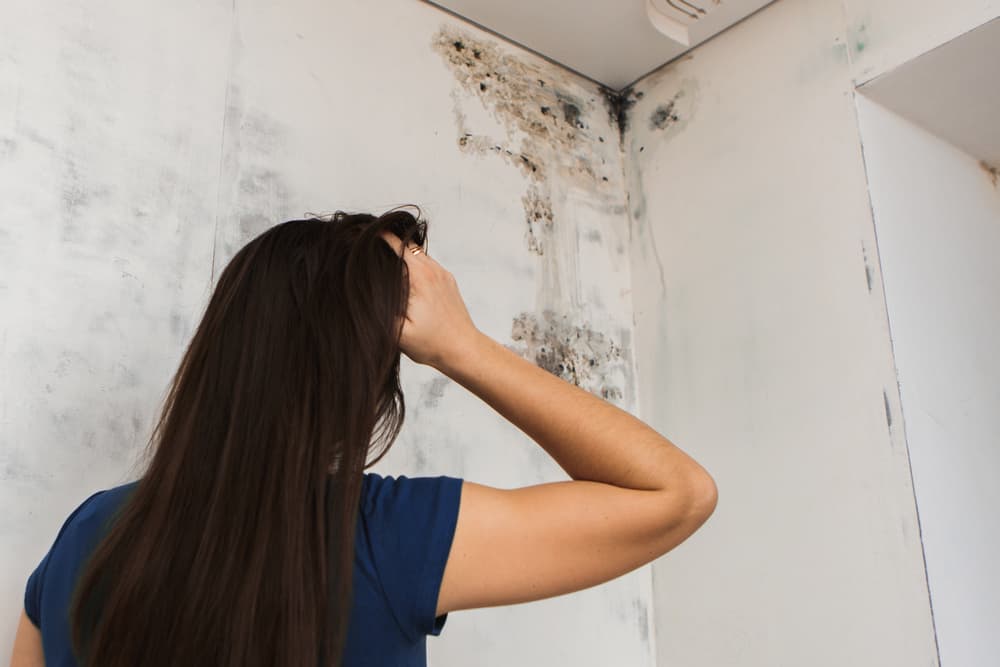
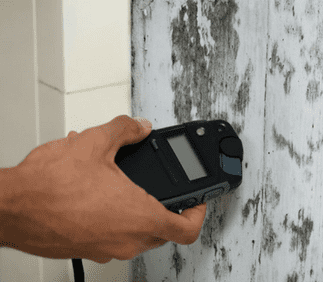
The inspection starts with a full walkthrough not a quick scan, but a methodical review of every area where moisture is likely to accumulate. In Fort Salonga homes, that typically means the basement, crawl space, attic, and any wall cavities adjacent to exterior-facing surfaces. We bring calibrated moisture meters and infrared thermal imaging equipment, which lets us detect temperature differentials behind walls and under floors that indicate hidden moisture and active mold growth without cutting into anything.
From there, we collect air samples and surface swab samples depending on what we’re seeing. Air testing captures airborne spore counts throughout the home and compares them against an outdoor baseline that comparison matters because it tells us whether what’s inside your home is significantly different from what’s naturally present outside. Every sample goes to a certified, accredited laboratory for analysis. You get actual data, not a contractor’s opinion.
Because Fort Salonga straddles both the Town of Huntington and the Town of Smithtown, any remediation work that involves structural materials may require permits from one of two different building departments depending on where your property sits. We’re familiar with both jurisdictions. Once the lab results are back, we give you a written report with findings, mold species identified, spore counts, and a clear set of recommended next steps and if remediation is needed, we can handle that too, from containment through reconstruction, without you needing to find a second company.
Ready to get started?
Mold Assessment Services Fort Salonga, NY
Our mold inspection in Fort Salonga, NY includes five documented components: air testing for airborne spore counts, surface swab sampling of any visible growth, a water intrusion inspection to find the moisture source driving the problem, calibrated moisture level measurements throughout the property, and photographic documentation of all findings. We also run an internal-versus-external mold particle comparison a step that distinguishes between mold originating inside the home and spores that have simply drifted in from outside. Every sample is processed by an accredited laboratory, and the results are written into a comprehensive report you can actually use.
For Fort Salonga homeowners, a few specific conditions make thorough inspection especially important. The combination of older construction, coastal humidity from the Sound, and the kind of nor’easters and flooding events that have affected the North Shore repeatedly over the years creates a mold risk profile that’s more complex than what you’d find in a newer inland home. We also use infrared thermal imaging to detect hidden mold activity behind finished walls and ceilings particularly relevant in the Crab Meadow area and other waterfront-adjacent sections of Fort Salonga where storm-related water intrusion is more common.
If the inspection identifies mold that requires remediation, we handle that process as well containment, removal, and full reconstruction if structural materials are affected. We also serve as your liaison with your insurance company throughout the process, handling documentation from the first inspection through project completion. One call, one team, start to finish.
How much does a mold inspection in Fort Salonga, NY typically cost?
For most residential properties in Fort Salonga, a professional mold inspection runs between $300 and $700. Where your home lands in that range depends on its size, how many areas need to be tested, and whether infrared thermal imaging is part of the process which it should be in older North Shore homes where hidden moisture is a real concern, not a hypothetical one.
It’s worth putting that number in context. The median home value in Fort Salonga is over $900,000, and recent sales have been closing above $1.1 million. Research consistently shows that documented mold issues can reduce a home’s resale value by 20% or more and cause buyers to walk away entirely even after remediation has already been done. A $400 inspection that catches a problem early is a straightforward investment compared to the alternative. If the inspection turns up nothing, you have documented proof of that too, which has real value in a real estate transaction.
Does New York State require a licensed inspector for mold testing?
Yes and this is something Fort Salonga homeowners should verify before hiring anyone. New York State law, which has been in effect since January 1, 2016, requires that all mold assessors hold a valid license issued by the NY Department of Labor. This isn’t a voluntary certification or an industry badge it’s a legal requirement. Any company performing a mold assessment in Fort Salonga without that license is operating outside the law.
You can verify any contractor’s licensing status through the NY Department of Labor’s online lookup tool before you ever pick up the phone. Richard Peterson holds both the NY State Mold Assessor license and the NY State Mold Remediator license both are active and verifiable. If a company you’re considering can’t point you to their state license number, that’s a problem worth taking seriously before you let them into your home.
Can mold grow in attics and basements in Fort Salonga's climate?
Absolutely and in Fort Salonga specifically, attics and basements are two of the most common places we find it. The reason comes down to the combination of older construction and coastal humidity. Homes built in the 1940s, 50s, and 60s which make up the majority of Fort Salonga’s housing stock were built without the moisture barriers and vapor retarders that are standard in newer construction. Over decades, that means moisture has had a long time to work its way into attic insulation, wood framing, and basement walls without anyone noticing.
The Long Island Sound adds to this. Fort Salonga sits directly on the North Shore, and the sustained humidity that comes off the water doesn’t stay outside. Attics are particularly vulnerable during winter, when temperature differentials between the living space and the unheated attic cause condensation to form on wood surfaces a condition that gets worse when ice dams develop on older roofs and water backs up under the shingles. Basements face a different version of the same problem: storm water, groundwater seepage, and the kind of flooding that nor’easters bring to the North Shore all create moisture conditions that mold is well-equipped to take advantage of.
What's the difference between a mold inspection and mold testing in New York?
These terms get used interchangeably, but there’s a meaningful distinction. A mold inspection is a physical assessment of the property a trained inspector walks the space, identifies visible mold growth, locates moisture sources, measures humidity levels, and uses tools like infrared cameras to detect hidden problem areas. Mold testing refers specifically to the collection and lab analysis of samples air samples, surface swabs, or both to identify what mold species are present and at what concentration.
A thorough mold inspection in Fort Salonga, NY should include both. Inspection without testing gives you a visual picture but no scientific data. Testing without a proper inspection means you might be sampling in the wrong places and missing the actual source of the problem. New York State’s licensing law recognizes this distinction the mold assessor license covers the assessment process, and results from that process are what a licensed remediator uses to develop a remediation plan. If a company is offering you “mold testing” without a full inspection process behind it, ask what that testing actually includes before you agree to anything.
Should I get a mold inspection before buying a home in Fort Salonga?
If you’re buying a home in Fort Salonga, a mold inspection before closing is worth doing and a standard home inspection isn’t a substitute for it. General home inspectors are not required to be licensed mold assessors in New York, and most aren’t. They may note visible water staining or flag a musty smell, but they’re not equipped to collect air samples, run lab analysis, or use infrared imaging to detect moisture behind finished walls. That’s a different scope of work entirely.
Fort Salonga’s housing stock skews older a significant portion of homes were built before 1970 and older homes carry a higher baseline risk for hidden mold simply because they’ve had more time to accumulate moisture damage through plumbing issues, roof leaks, and storm events. Buying a home at this price point without knowing what’s behind the walls is a real financial risk. A pre-purchase mold inspection gives you documented, lab-verified information you can use in negotiations, in your decision-making, or as a baseline record of the home’s condition when you move in.
What should I do if I find mold in my Fort Salonga home after a storm?
Don’t wait. Mold can begin developing within 24 to 48 hours of a water intrusion event, and Fort Salonga’s coastline on the Long Island Sound makes storm-related water damage a recurring reality not a rare one. Nor’easters, coastal flooding, and heavy rainfall events have affected the North Shore repeatedly, and homes in the Crab Meadow area and other parts of Fort Salonga that sit closer to the water are particularly exposed.
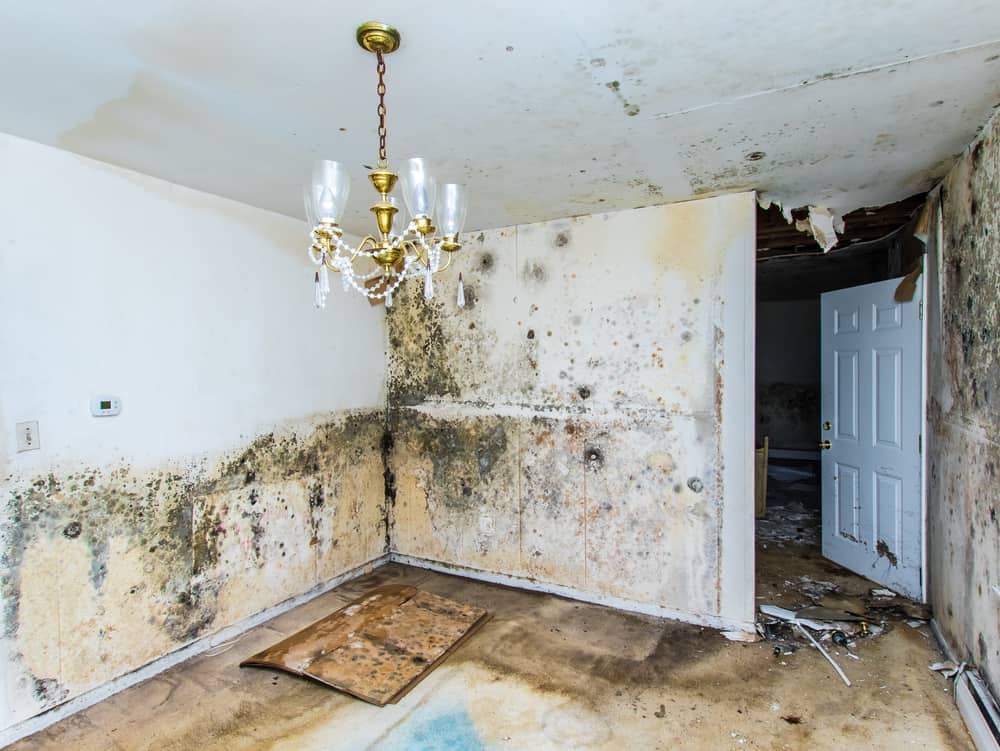
The most important thing to understand is that visible mold after a storm is often just the surface of a larger problem. Water that entered through a compromised foundation, a damaged roof, or a flooded basement doesn’t stay where you can see it it moves into wall cavities, under flooring, and into insulation, where it creates conditions for mold growth that won’t be visible for weeks. By the time you see it, it’s already been growing. A post-storm mold inspection that includes infrared imaging and air sampling will tell you the full picture, not just what’s on the surface. If your damage is covered by homeowner’s insurance, we handle the documentation and communicate directly with your insurer throughout the process so you’re not managing that on top of everything else.
Useful Links
Other Services we provide in Fort Salonga