
Mold Inspection in Garden City South, NY
What's Hiding Inside Your 1950s Garden City South Home

Hear from Our Customers
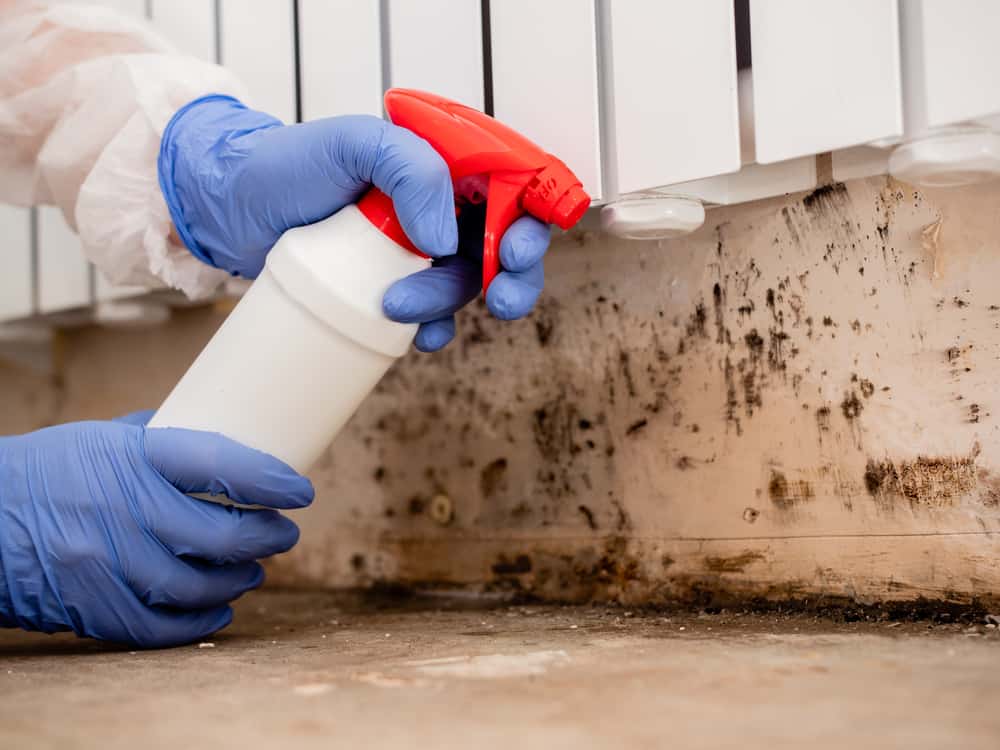
Nassau County Mold Detection Services
Most mold problems in Garden City South don’t start with something dramatic. They start with a basement that took on water after a heavy rain, a slow pipe drip behind drywall that went unnoticed for weeks, or an attic with poor ventilation in a Cape Cod-style home where the roof pitch traps moisture all summer long. By the time you smell something or see discoloration, the mold has usually been there a while.
A professional mold inspection gives you a clear, documented picture of what’s actually happening inside your home not a guess, not a visual scan with a flashlight. You get air samples, surface swabs, infrared thermal imaging, and moisture readings, all analyzed by a certified lab. The written report tells you exactly what species are present, what the spore concentration levels are, and what needs to happen next.
For homeowners in Garden City South, that documentation carries real weight. Whether you’re filing an insurance claim after a flooding event, negotiating a purchase price on a 70-year-old split-level near Nassau Boulevard, or simply trying to understand why your family keeps dealing with respiratory issues every summer a lab-backed inspection report is the one thing that moves the conversation forward with an insurance adjuster, a real estate attorney, or a doctor.
Licensed Mold Inspection Company in Garden City South
We’ve been serving Nassau and Suffolk County homeowners since the early 1990s. That’s three decades of inspecting the exact type of homes that make up Garden City South post-war Cape Cods, split-levels, and Colonials built during the GI Bill era, sitting on the flat terrain of the Hempstead Plains with full basements, aging plumbing, and construction methods that were never designed with modern moisture management in mind.
Our owner, Richard Peterson, holds personal NYS DOL licensure in both mold assessment and mold remediation which is the legal requirement under New York State’s Article 32 of the Labor Law. Every technician on our team carries IICRC certification. That’s not just the owner that’s every person who comes through your door. We’re fully licensed, bonded, and insured, and we maintain a dedicated Nassau County line at 516-698-1776 for homeowners across the 11530 ZIP code and surrounding communities in Garden City South.
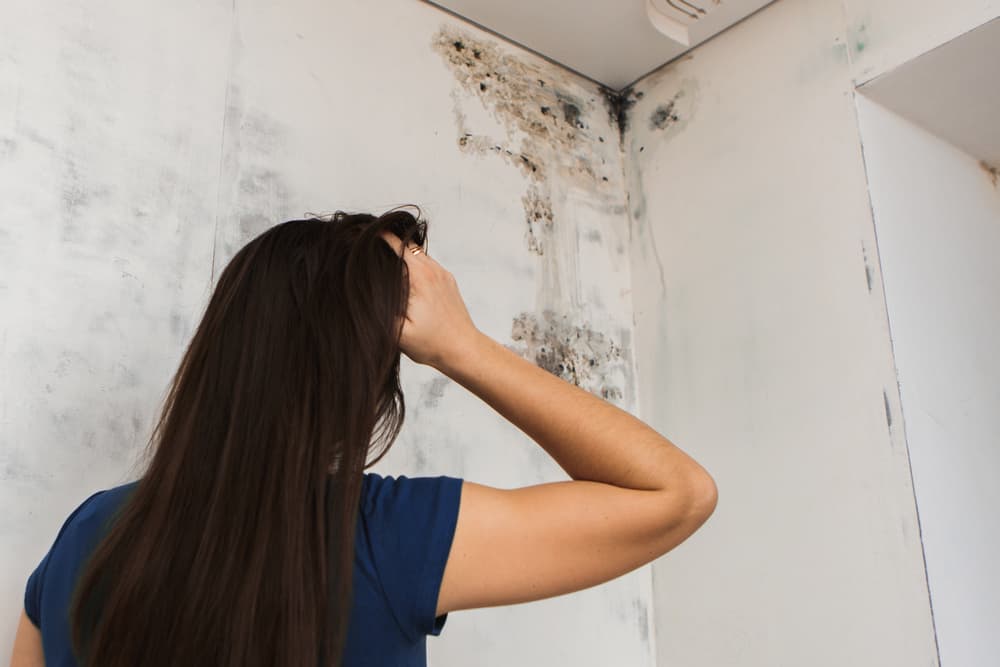
Residential Mold Assessment Services Garden City South
When one of our technicians arrives at your Garden City South home, the inspection follows a structured five-point protocol not a walk-through, not a visual-only check. It starts with air testing to capture what’s actually circulating through your living space, followed by surface swab sampling in areas of concern like bathrooms, basement walls, and kitchen spaces. Moisture level measurements are taken throughout the home using calibrated meters, which is especially important in Garden City South’s older housing stock where moisture can be present inside walls without any visible sign on the surface.
From there, we conduct a water intrusion inspection to identify the source feeding any mold growth because treating mold without addressing the moisture source means it comes back. The inspection also includes infrared thermal imaging, which detects temperature differentials caused by hidden moisture behind drywall, under subfloors, and inside ductwork. For homes in Garden City South where HVAC systems have been retrofitted or modified over the decades, this step frequently turns up mold that no visual inspection would ever catch.
All samples go to a certified laboratory. You receive a written report with species identification, spore concentration levels, a comparison of indoor versus outdoor air particle counts, and specific remediation recommendations. If your situation involves an insurance claim which is common after basement flooding events in this part of Nassau County that report is structured to meet the documentation requirements insurance adjusters actually need.
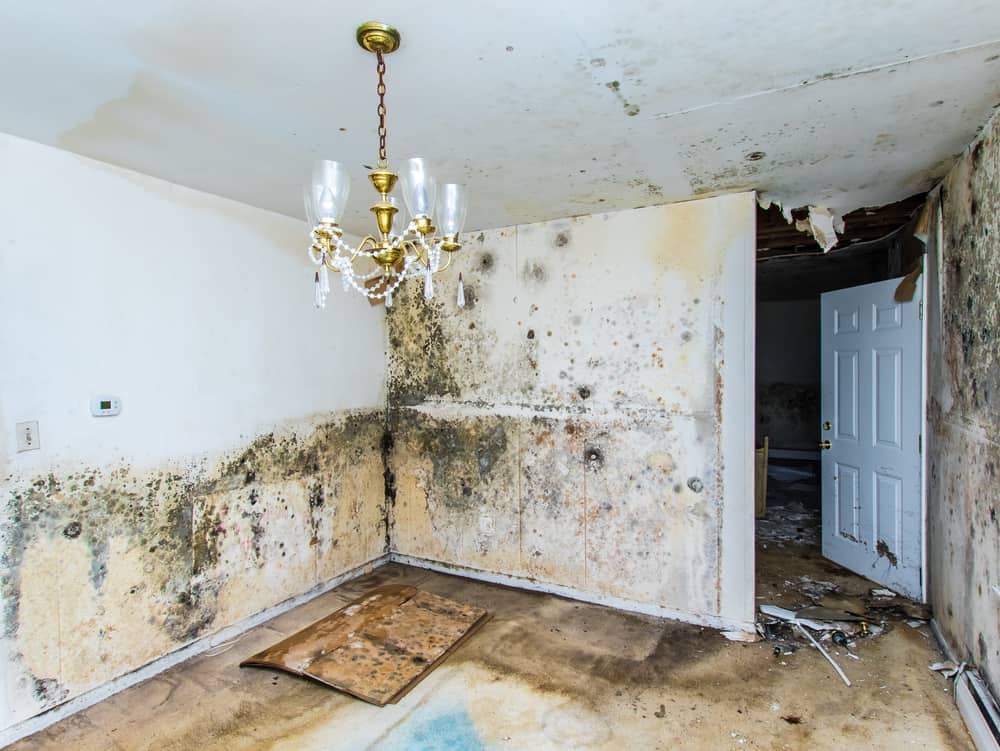
Ready to get started?
Indoor Air Quality Testing for Mold in Garden City South
Garden City South’s housing stock creates a specific set of mold risk factors that a generic inspection protocol simply doesn’t account for. Homes here were built predominantly in the 1950s, which means tight attic knee-wall spaces with limited ventilation, basement walls that have had 70-plus years to develop the hairline cracks that let groundwater seep in, and original or partially replaced plumbing that can leak slowly and silently for months. Our inspection is designed around these realities not around a checklist written for newer construction.
We serve both residential and commercial properties in Garden City South and the surrounding Nassau County area, including attic mold inspection for Cape Cod-style homes where moisture gets trapped in converted upper-level spaces, and basement mold inspection for properties that have experienced any history of water intrusion near Hempstead Turnpike’s flood-prone flat terrain. Black mold testing and toxic mold testing are included where air or surface samples indicate the presence of species that require species-level identification for health or insurance purposes.
Because we handle the full process inspection, remediation, and restoration the inspection report is also written with remediation in mind. If mold is found, you’re not handed a report and left to start over with a different company. The same team that identified the problem can address it, which eliminates the miscommunication risk that comes with handing findings off to a separate contractor. One call, one team, start to finish.
How quickly can mold grow after my Garden City South basement floods?
Faster than most people expect and faster in Nassau County than in drier inland areas. Under normal conditions, mold can begin colonizing wet surfaces within 24 to 48 hours of water intrusion. On Long Island, where summer humidity regularly pushes indoor moisture levels well above the threshold mold needs to grow, that window can shrink to 36 hours or less during July and August.
For Garden City South homeowners specifically, the risk is compounded by the flat terrain of the Hempstead Plains, which limits natural drainage, and the relatively high water table in this part of Nassau County. After a significant rain event or a sump pump failure, water doesn’t just sit on the surface it can wick into concrete block foundation walls, saturate wood framing, and soak into insulation in ways that don’t dry out on their own. By the time you notice a musty smell or see discoloration on your basement walls, the mold has typically been growing for days or weeks. Getting a professional inspection done promptly after any water event not weeks later is the difference between a contained problem and an extensive one.
What does a professional mold inspection actually include, and what do I get at the end?
A professional mold inspection from us is a five-point process: air testing, surface swab sampling, water intrusion inspection, moisture level measurement, and infrared thermal imaging for hidden mold. Each step serves a different purpose. Air testing captures what’s circulating through your home’s living space. Surface swabs identify visible or suspected mold colonies. Moisture readings pinpoint areas at risk before mold is even visible. Water intrusion inspection finds the source. And infrared imaging reveals what’s happening inside walls, under floors, and inside ductwork areas that no visual inspection can reach.
At the end of the inspection, you receive a written report backed by certified laboratory analysis. That report includes mold species identification, spore concentration levels, a comparison of indoor versus outdoor air particle counts, and specific remediation recommendations. This is not a verbal summary or a checkbox form it is a documented, lab-verified record of your home’s mold status. For Garden City South homeowners dealing with insurance claims, real estate negotiations, or health-related concerns, that written report is the only form of documentation that carries real weight with insurance adjusters, real estate attorneys, and healthcare providers.
Do mold inspectors in New York need to be licensed, and how do I verify it?
Yes and this is one of the most important things to verify before hiring anyone. Under New York State’s Article 32 of the Labor Law, any person or company performing mold assessment or mold remediation for compensation must hold a valid NYS Department of Labor license. This law has been in effect since January 1, 2016, and violations carry fines of up to $10,000. An unlicensed inspector cannot legally perform this work in New York and any report they produce will not hold up in an insurance claim or legal proceeding.
You can verify a mold assessor’s license directly through the NYS DOL’s online license lookup tool. When you call us at 516-698-1776, you’re working with a company whose owner, Richard Peterson, holds personal NYS DOL licensure in both mold assessment and mold remediation not just company-level credentials. For Garden City South homeowners in the 11530 ZIP code, where homes frequently change hands at prices above $700,000 and buyers are researching providers carefully before committing, verifying licensure is not optional it’s the starting point.
Is mold common in older Cape Cod and split-level homes in Garden City South, NY?
It’s more common than most homeowners realize and the housing stock in Garden City South is particularly susceptible. The majority of homes in this hamlet were built in the 1950s, during the post-war GI Bill era that shaped most of the Hempstead Plains. These homes were constructed without modern vapor barriers, with basement waterproofing methods that are now 70 years old, and with attic configurations especially in Cape Cod-style homes that create tight, poorly ventilated knee-wall spaces where moisture accumulates and mold can grow undetected for months.
Add to that the natural settling and cracking of foundations over seven decades, aging plumbing that has been repaired and modified multiple times, and Nassau County’s humid summers and you have a consistent set of conditions that make mold a recurring issue in this specific housing type. Attic mold is especially common in converted Cape Cod upper levels where insulation is inadequate and ventilation is limited. Basement mold frequently develops behind finished drywall in homes where water intrusion occurred years ago and was never properly addressed. A professional inspection with infrared imaging is often the only way to know for certain what’s actually happening inside these older structures.
What's the difference between mold inspection and mold testing and do I need both?
These terms get used interchangeably, but they refer to different things. Mold inspection is the physical process a trained technician comes to your home, assesses conditions, takes samples, uses moisture meters and infrared imaging, and identifies areas of concern. Mold testing refers specifically to the laboratory analysis of the samples collected during that inspection the process that identifies what species are present, at what concentration, and how that compares to outdoor baseline levels.
In practice, you need both and a reputable inspection company includes lab testing as part of the inspection process. What you want to avoid is paying for testing alone without a proper inspection. Some companies offer mail-in test kits or surface swabs without a full site assessment, which can produce results that are technically accurate but completely lack the context needed to understand what they mean. A high spore count in your Garden City South basement means something very different if your inspector also found a cracked foundation wall and elevated moisture readings in the adjacent framing versus finding nothing else of concern. The inspection gives the test results meaning. Both together give you a complete picture.
Does homeowners insurance cover mold remediation in Nassau County, and what documentation do I need?
Whether insurance covers mold remediation depends on the cause. Most standard homeowners insurance policies in Nassau County will cover mold if it resulted from a sudden, covered water damage event a burst pipe, a failed water heater, or a roof leak from storm damage. What they typically won’t cover is mold that resulted from long-term neglect, flooding from outside the home, or gradual seepage which is a common scenario in Garden City South’s older basement-heavy housing stock where slow foundation seepage goes undetected for years.
The documentation you need to support a successful claim is specific: a licensed mold assessor’s written report, certified laboratory results, photographs, moisture readings, and a clear causal link between the water event and the mold growth. That’s exactly what our inspection produces. Nassau County property tax obligations are already significant absorbing a $10,000 to $20,000 remediation cost that insurance should have covered is a situation worth avoiding. Getting a properly documented inspection done promptly after any water event, before you start cleanup or repairs, is what keeps that option open with your insurer.
Useful Links
Other Services we provide in Garden City South