

Hear from Our Customers
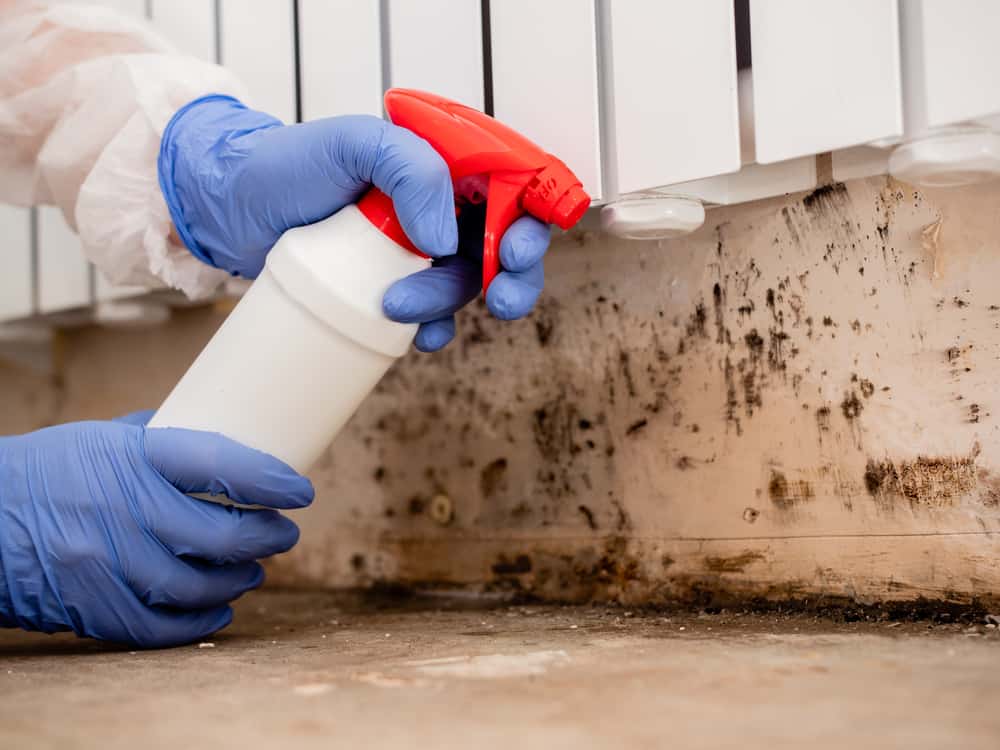
Most people don’t call a mold inspector because they see mold. They call because something feels off — a musty smell in the basement, a family member with unexplained respiratory issues, or a water intrusion event that was cleaned up but never fully resolved. What you need isn’t a guess. You need answers you can act on.
Glen Cove sits directly on Hempstead Harbor, and the city’s high water table creates chronic hydrostatic pressure on basement walls and floors throughout Glen Cove — not just near the water. That pressure pushes moisture through foundation walls slowly and silently, creating the exact conditions mold needs without a single visible leak. Homes built between the 1940s and 1970s, which make up a large portion of Glen Cove’s residential neighborhoods, compound this risk with aging plumbing, original windows that no longer seal, and attic ventilation systems that were never adequate to begin with.
After a professional mold inspection in Glen Cove, you walk away with lab-verified results, a written report that identifies exactly what was found, where it is, and what needs to happen next. That report holds up with your insurance company, your real estate attorney, and your doctor. It gives you the full picture — not a best guess.
We’ve been serving Glen Cove and Nassau County homeowners for over 31 years. That’s not a number we throw around lightly — it means we’ve inspected properties across every neighborhood in Glen Cove through multiple storm cycles, housing market shifts, and the kind of recurring flooding events that streets like Woolsey Avenue know all too well.
Every technician on our team is individually IICRC-certified. Not just the owner — every person who enters your home. We’re fully licensed by the New York State Department of Labor as both mold assessors and mold remediators under Article 32, bonded, and insured. That’s the legal baseline for mold work in Nassau County, and it’s the first thing you should verify before hiring anyone.
We also carry infrared thermal imaging technology, which matters in Glen Cove where mold behind plaster walls and inside older wood-frame construction is the norm, not the exception. You get a company that actually knows this area — not a franchise that dropped a landing page on your city.
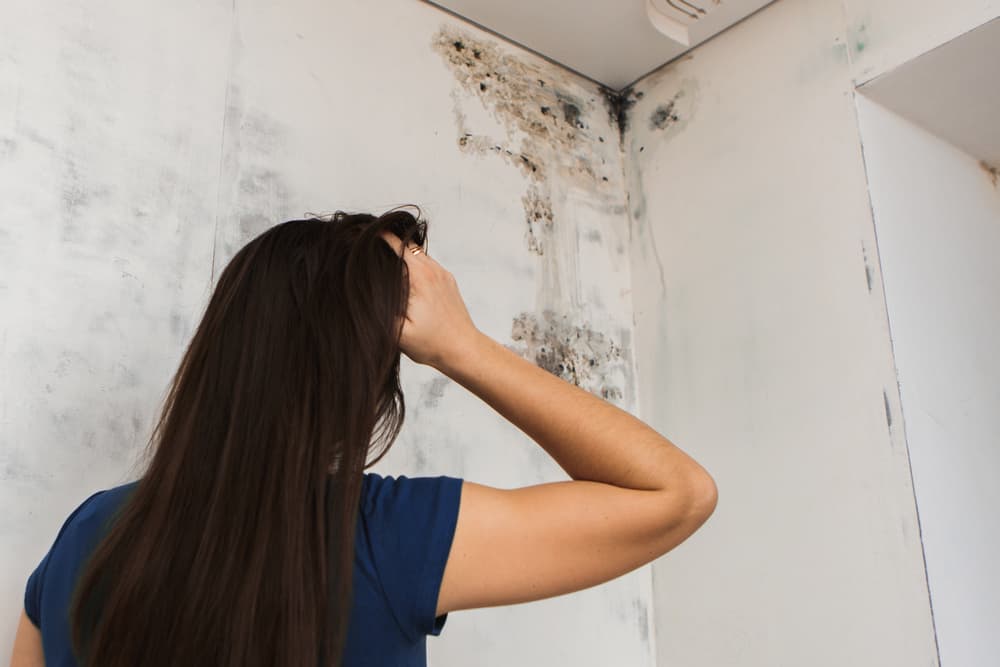
When you schedule a mold inspection in Glen Cove, here’s what actually happens. Our certified technician arrives and conducts a full five-point assessment of your property. That starts with a visual walkthrough to identify visible mold, water staining, and structural vulnerabilities — but it doesn’t stop there. Moisture levels are measured throughout the home using calibrated meters, and infrared thermal imaging scans wall and ceiling surfaces for hidden moisture pockets that standard inspection can’t detect. In Glen Cove’s older housing stock, this step alone regularly uncovers mold growth that owners had no idea existed.
From there, air samples and swab samples are collected from affected and unaffected areas. Indoor air particle counts are compared against outdoor baseline levels — a critical step that tells you whether your indoor air quality is actually compromised. All samples go to a certified third-party laboratory for analysis. You’re not getting an inspector’s opinion. You’re getting science.
The final report includes mold species identification, spore concentration data, photographs of every source identified, and specific remediation recommendations. Because Glen Cove is an independent city with its own building department and code enforcement, any remediation that follows will need to comply with local city requirements — and our documentation is built to support that process from the start.
Ready to get started?
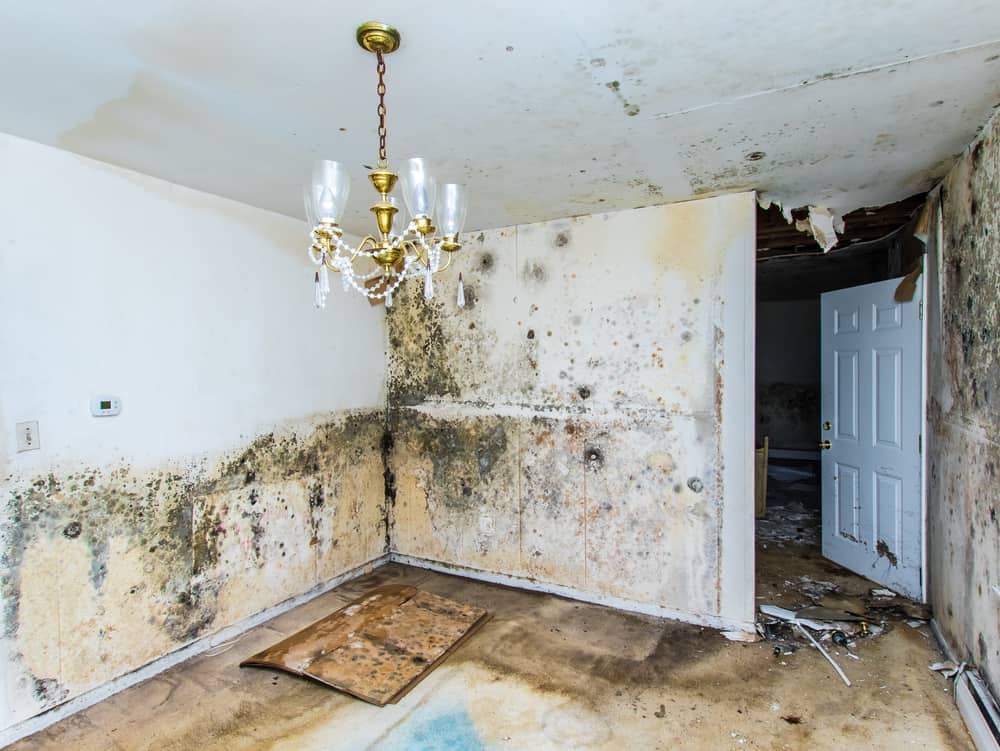
Glen Cove’s housing landscape is genuinely unlike anywhere else in Nassau County. You have pre-war estate-derived buildings near Dosoris Pond, mid-century single-family homes throughout the city’s hillside neighborhoods, and brand-new Garvies Point condominiums built on a former industrial waterfront — each carrying a completely different mold risk profile. Our inspection protocol is comprehensive enough to address all of it.
For older residential properties in Glen Cove, the focus areas are basements, crawl spaces, attic insulation, and wall cavities — the places where moisture from the city’s high water table and aging building envelopes accumulates over time. For Garvies Point residents and other newer construction buyers, indoor air quality testing for mold is the priority, especially given the construction moisture concerns that can affect new builds before residents ever move in. For landlords and property managers with rental stock in Glen Cove, we produce documentation-grade reports that hold up to legal scrutiny under New York State’s tenant protection framework.
If you’re buying a home in Glen Cove’s active real estate market — where average prices are running around $775,000 — a pre-purchase mold inspection is one of the few due-diligence steps that can actually change the outcome of your transaction. Since June 2023, New York State requires sellers to disclose known mold on the Property Condition Disclosure Statement. That means sellers have to be honest about what they know. But they can only disclose what they’ve found — and most mold in Glen Cove’s older homes has never been found.
In short — yes, and more so in Glen Cove than in many other Nassau County communities. Glen Cove’s housing stock skews older, with a large portion of single-family homes built between the 1940s and 1970s. These properties have had decades to accumulate moisture damage from aging plumbing, deteriorating rooflines, and the chronic hydrostatic pressure that comes with Glen Cove’s high water table. A general home inspector will catch obvious issues, but mold behind walls, inside attic insulation, and under flooring is rarely visible during a standard walkthrough.
Since June 2023, New York State requires sellers to disclose known indoor mold on the Property Condition Disclosure Statement. That’s a meaningful change — but it only covers what the seller already knows about. A professional mold inspection with air sampling and infrared detection gives you the complete picture before you close, and the written report gives you real leverage if mold is discovered. At $775,000 on average, Glen Cove homes aren’t small purchases. The inspection cost is minor compared to what remediation after closing would run.
Faster than most people expect. Mold can begin colonizing within 24 to 48 hours when indoor humidity rises above 60% — and a flooded basement in Glen Cove easily clears that threshold, especially during summer months when coastal humidity is already elevated from the city’s proximity to Hempstead Harbor and the Long Island Sound.
What makes this particularly relevant for Glen Cove is the documented flooding history in parts of the city. Streets like Woolsey Avenue have experienced recurring basement and yard flooding from heavy rain events. After Tropical Storm Ida’s remnants moved through in 2021, Nassau County’s North Shore saw retaining wall failures and widespread water intrusion. If your basement took on water — whether from a storm, a backed-up drain, or the slow seepage that comes with Glen Cove’s high water table — waiting even a few days before getting an inspection significantly increases the likelihood that mold has already established itself. We’re available 24 hours a day, seven days a week, specifically because post-flood mold inspection is a time-sensitive situation.
These terms get used interchangeably, but they’re not the same thing. A mold inspection is the physical assessment — a certified inspector evaluates your property for visible mold, moisture sources, water intrusion pathways, and conditions that support mold growth. Mold testing refers specifically to the collection and laboratory analysis of air or surface samples to identify mold species and measure spore concentrations.
A real mold inspection in New York includes both. Under New York State’s Article 32 licensing framework, a licensed mold assessor must conduct the inspection and produce a written assessment report before any remediation work begins. That report has to include findings, recommendations, and a remediation protocol. What you want to avoid is a company that does a quick visual walkthrough and calls it an inspection — or one that collects samples without the physical assessment to give those samples context. In Glen Cove, where mold is frequently hidden inside wall cavities and attic insulation, an inspection without infrared detection and air sampling is an incomplete picture.
It’s a fair concern, and one that comes up often. The short answer is that New York State actually addressed this directly in its Article 32 mold licensing law — the law requires that mold assessors and mold remediators function as separate licensed entities on the same project. The company that writes your inspection report and remediation protocol cannot be the same company that performs the remediation work. This separation is built into the law specifically to prevent the conflict of interest you’re describing.
We hold both a mold assessor license and a mold remediator license, which means we can serve clients through both phases — but we operate those functions in compliance with state law, maintaining the required separation between assessment and remediation on any given project. If you’re hiring any mold company in Glen Cove, ask for their NYS Department of Labor license numbers for both functions. A company that can’t produce those numbers isn’t operating legally, and their report won’t hold up in an insurance claim or a real estate dispute.
Based on the types of properties and conditions common throughout Glen Cove, there are a few areas that consistently show up in our inspections. Basements are the most common — Glen Cove’s high water table creates moisture pressure on foundation walls and floors that leads to mold growth behind finished basement walls, under carpeting, and inside wall cavities, often without any obvious flooding event. Attics are a close second, particularly in older Glen Cove homes where ventilation was never adequate. Moisture from living spaces rises and gets trapped, and attic mold can go undetected for years.
Bathrooms and kitchens with original plumbing are also high-risk areas, especially in homes built before 1980. Slow leaks behind tile and inside wall cavities are a leading cause of mold in mid-century Glen Cove homes. And for properties near the waterfront — along Hempstead Harbor or in the areas surrounding Morgan Park — exterior moisture penetration through aging building envelopes is an additional factor. Infrared thermal imaging is particularly valuable in these situations because it identifies temperature differentials that indicate moisture accumulation before mold is visible.
For a standard single-family home in Glen Cove, a thorough mold inspection typically takes between two and four hours. The range depends on the size of the property, how many areas need to be assessed, and whether infrared scanning reveals additional moisture pockets that require closer attention. Larger properties — including some of the older estate-derived homes near Dosoris Pond or the multi-family buildings in Glen Cove’s rental stock — can run longer.
After the physical inspection, the collected air and swab samples go to a certified third-party laboratory for analysis. Lab turnaround typically runs a few business days, after which you receive the full written report. If you’re working against a real estate transaction deadline — which is common in Glen Cove’s active market — it’s worth mentioning that timeline upfront when you schedule, so we can prioritize accordingly. The inspection itself is the fast part. The report is what takes time, and it’s what actually matters when you’re negotiating a purchase, filing an insurance claim, or deciding whether remediation is necessary.
Useful Links
Other Services we provide in Glen Cove