
Mold Inspection in Great Neck Gardens, NY
Peninsula Homes Hide Mold. Here's How to Know for Sure.

Hear from Our Customers
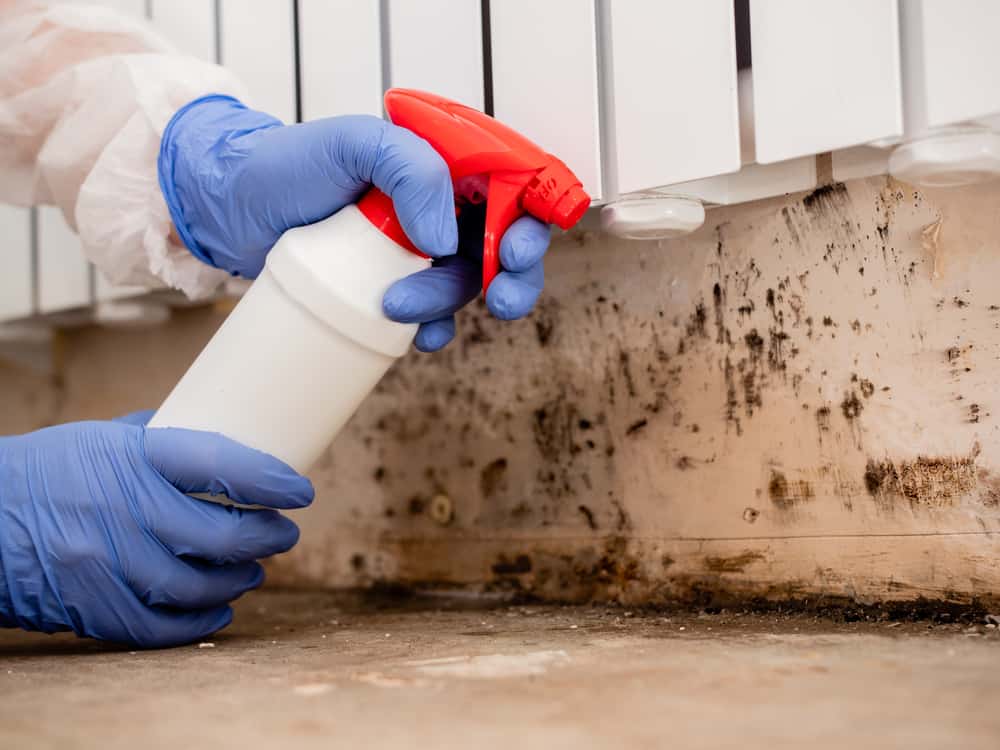
Residential Mold Detection in Nassau County
Most people who call about mold inspection in Great Neck Gardens, NY aren’t panicking they’re just noticing something. A smell in the basement after rain. A family member with persistent congestion. A home inspector’s note that didn’t get followed up on. What they want is a straight answer, not a sales pitch. That’s exactly what a thorough inspection delivers.
The homes on this peninsula were largely built in the 1940s and 1950s, long before moisture barriers and modern vapor controls were standard. When you combine that older construction with the persistent humidity that rolls in off Long Island Sound, Little Neck Bay, and Manhasset Bay, you get conditions where mold can develop inside wall cavities, under flooring, and in attic spaces for years without anyone knowing it’s there. A visual check won’t catch that. Neither will a store-bought test kit.
What you get from a professional mold assessment is a documented picture of what’s actually in your air and on your surfaces where the moisture is coming from, what species are present, and what the concentration levels mean for your household. For a home worth over a million dollars in a village like Great Neck Gardens, that information isn’t optional. It’s the foundation for every decision that follows.
Licensed Mold Inspection Company in Great Neck Gardens
We’ve been working on Long Island homes for over three decades Nassau County, Suffolk County, North Shore, South Shore. The Great Neck peninsula is familiar ground to us. The clay-heavy soils, the older housing stock, the way North Shore basements take on water after a heavy nor’easter none of that is new to our team.
Every technician who walks into your Great Neck Gardens home is IICRC-certified and works under our company’s full New York State mold assessor and remediator licensing under Article 32 of the NY Labor Law. That’s not a detail buried in the fine print it’s a legal requirement in this state, and it matters when you’re filing an insurance claim or navigating a real estate transaction.
We’re licensed, bonded, and insured. Our owner Richard Peterson holds personal NYS licenses in both mold inspection and mold remediation. When something is found, we can take you from inspection through remediation and full restoration without handing you off to a second or third contractor.
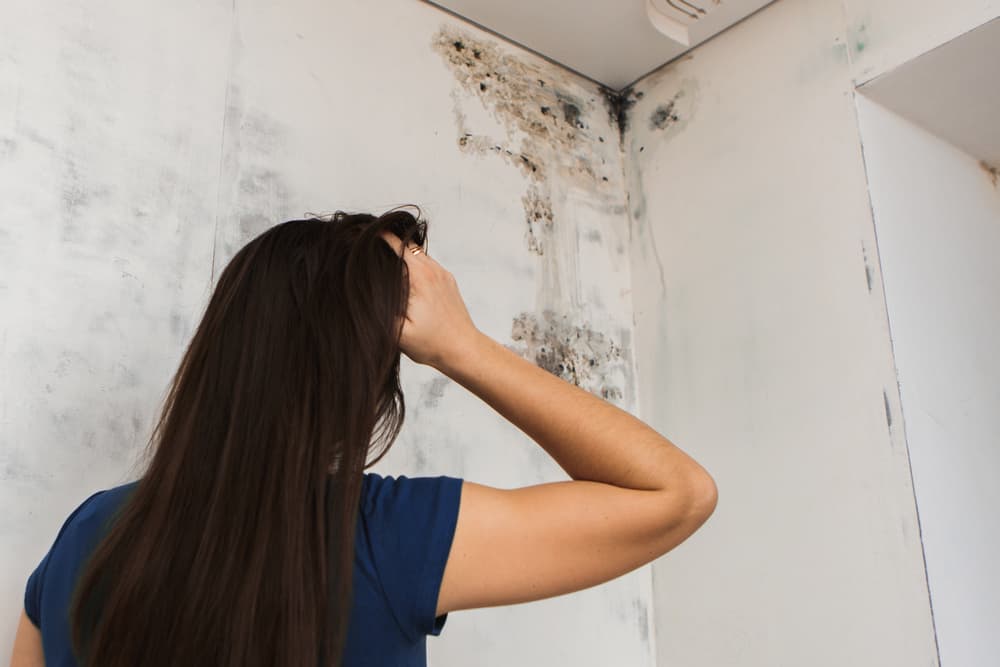
Professional Mold Assessment Process in Great Neck Gardens
When you schedule a mold inspection in Great Neck Gardens, NY, a certified technician arrives equipped with professional-grade tools not just a flashlight and a clipboard. The inspection follows a five-point protocol that covers air testing, surface swab sampling, moisture level measurement, water intrusion inspection, and infrared thermal imaging to detect moisture and mold activity behind walls, under floors, and in ceiling assemblies that would be completely invisible any other way.
Air samples are collected from inside the home and compared against outdoor baseline readings. That comparison matters it tells you whether what’s in your air is coming from outside or being generated inside your home. All samples go to a certified third-party laboratory. Results come back as a written report with species identification, spore concentration data, moisture readings, source documentation, and specific recommended next steps.
Because Great Neck Gardens is an incorporated village with its own building department, any remediation work that involves opening walls or altering building systems will require a village-level permit. Our documentation is structured to support that process so if remediation is needed, you’re not starting from scratch when it comes to paperwork. The whole inspection typically takes three to six hours, and you leave with a report that holds up with insurance carriers, real estate attorneys, and health professionals alike.
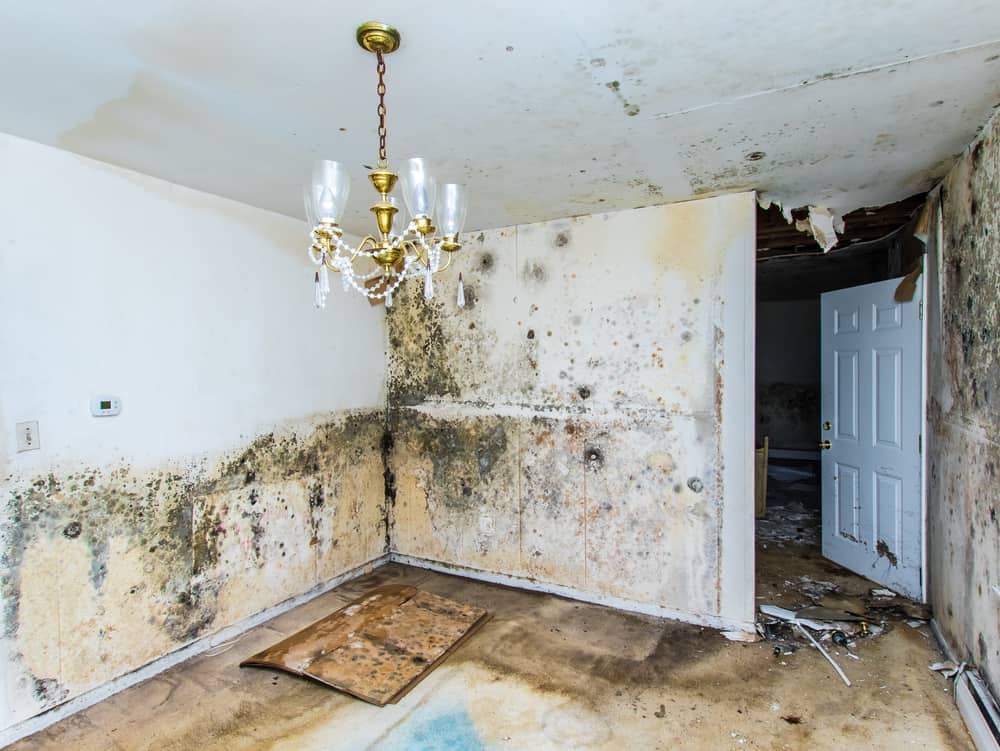
Ready to get started?
Mold Testing and Indoor Air Quality in Great Neck Gardens
A mold inspection in Great Neck Gardens, NY through our company covers the areas where mold actually hides in homes like yours not just the surfaces you can see. Basement mold inspection is a priority in this area given the North Shore’s shallow water table and clay-heavy glacial soils that push groundwater toward foundations during heavy rain. Attic mold inspection is equally important in older homes where inadequate ventilation and ice dam damage from winter nor’easters allow meltwater to seep into roof assemblies over time.
The inspection also includes indoor air quality testing for mold using both air sampling and surface swabs, infrared scanning for hidden moisture pockets, and a full written report based on certified lab analysis. This isn’t a verbal opinion it’s a documented assessment with real data. For homeowners in Great Neck Gardens protecting properties with median values around $1.14 million, that documentation is what makes the difference in an insurance claim or a pre-closing negotiation.
We handle residential mold inspection and commercial mold inspection across Nassau County, and we’re available 24 hours a day, seven days a week. If you’ve had water intrusion from a burst pipe, a storm, or an appliance failure time matters. Mold can begin colonizing surfaces within 24 to 48 hours of a moisture event. The sooner the assessment happens, the more options you have.
Why are older Great Neck Gardens homes more vulnerable to hidden mold growth?
Most homes in the Great Neck Gardens area were built in the 1940s and 1950s, during an era when moisture barriers, vapor retarders, and modern building envelope standards simply weren’t part of residential construction. That means decades of exposure to the peninsula’s coastal humidity with no real defense built into the walls, attics, or crawl spaces. Over time, that moisture finds its way in through aging roof materials, deteriorating window seals, older plumbing connections, and foundation walls that were never designed to handle the kind of hydrostatic pressure that builds up in Nassau County’s clay-heavy soils.
The result is that mold in these homes often develops slowly and quietly, inside wall cavities or above ceiling drywall, without producing obvious visible signs until the growth is already significant. A professional inspection using infrared thermal imaging can detect the moisture pockets behind surfaces before they become a larger structural or health problem. If your home in Great Neck Gardens was built before 1970 and has never had a professional mold assessment, there’s a reasonable chance something has been developing that a visual check would never catch.
What's the difference between mold inspection and mold testing and which one do I need?
These two terms get used interchangeably, but they describe different things. Mold testing refers specifically to the collection and lab analysis of air or surface samples to identify whether mold is present, what species it is, and at what concentration. Mold inspection is the broader process it includes testing, but it also includes a physical assessment of the property for moisture sources, water intrusion, visible growth, and conditions that are likely to produce mold even if active growth hasn’t started yet.
If you’re buying a home in Great Neck Gardens and want to know what you’re walking into, you need a full inspection not just a test. Testing alone tells you what’s in the air at that moment; it doesn’t tell you why it’s there or where it’s coming from. If you’ve already had water damage from a storm or a plumbing failure, a full inspection is also the right call, because it documents the source and extent in a way that supports an insurance claim. In most real-world situations, the inspection and the testing happen together as part of the same visit.
Does New York State require a license to perform mold inspection in Great Neck Gardens, NY?
Yes and this is one of the most important things to verify before you hire anyone. Since January 1, 2016, New York State has required all mold assessors and mold remediators to hold a valid license issued by the New York State Department of Labor under Article 32 of the NY Labor Law. Anyone performing mold assessment or remediation for compensation in Great Neck Gardens without that license is operating illegally and can face fines of up to $10,000.
Beyond the legal issue, unlicensed work has no standing in a real estate transaction or insurance claim. If a mold inspection is conducted by an unlicensed operator, the report it produces may be rejected by your insurance carrier or disregarded by a real estate attorney. We hold full NYS DOL licensing in both mold assessment and mold remediation, and every technician on our staff is IICRC-certified. When you ask to see credentials, you should get a straight answer immediately and you will with us.
How much does a mold inspection in Great Neck Gardens, NY typically cost?
Professional mold inspection costs in the Great Neck Gardens area generally range from $300 to $700 for a standard residential inspection, depending on the size of the home and the scope of sampling required. Larger homes, or inspections that require extensive infrared scanning and multiple air samples from different areas, can run closer to $700 to $1,000. That range reflects a thorough inspection with certified lab analysis and a written report not a quick visual walkthrough.
The more useful way to think about the cost is in context. In a village where the median home value is $1.14 million, the cost of a professional inspection is a fraction of a percent of what’s at stake. Missing a significant mold problem before closing on a home or before listing one can result in a failed sale, a price reduction, or a remediation bill that runs $5,000 to $20,000 or more depending on the extent of the growth. The inspection cost is the smallest number in that equation by a wide margin.
Can mold grow in my attic or basement if I don't see any visible signs of it?
Absolutely and in Great Neck Gardens specifically, this is one of the most common scenarios. Attic mold in older North Shore homes typically develops when inadequate ventilation traps warm, humid air against the underside of roof sheathing. In winter, ice dams on aging roofs can force meltwater under shingles and into the attic assembly without producing any visible interior water staining. By the time you notice anything, the mold colony may have been growing for an entire season or longer.
Basement mold follows a similar pattern. The clay-heavy glacial soils of the Great Neck peninsula retain groundwater, and during heavy rain or snowmelt, that pressure pushes moisture through foundation walls often as vapor rather than visible seepage. That moisture condenses on cooler surfaces inside the basement and feeds mold growth on framing, insulation, and stored materials. Neither of these scenarios produces obvious warning signs early on. Infrared thermal imaging and air sampling are the tools that find what your eyes can’t and both are part of every inspection we conduct.
Do I need a mold inspection before buying a home in Great Neck Gardens?
If you’re purchasing a home on the Great Neck peninsula, a professional mold inspection before closing is one of the most financially sound decisions you can make. Standard home inspections are not mold inspections a general home inspector is looking at systems and structure, not conducting air sampling or using infrared imaging to detect moisture behind surfaces. They may note visible staining or a musty odor, but they are not equipped to tell you what’s in the air or what’s happening inside the wall cavities.
Given that homes in Great Neck Gardens carry median values around $1.14 million, and given that much of the local housing stock dates back to the mid-20th century with all the moisture vulnerability that comes with that era, a mold assessment is a straightforward part of due diligence at this price point. Real estate attorneys and mortgage lenders in Nassau County increasingly expect it. If mold is found before closing, you have options negotiation, remediation credit, or a decision to walk away. If it’s found after closing, those options are gone. We can typically schedule and complete an inspection within a timeframe that works with your closing timeline, and the written report is formatted to meet the documentation requirements of lenders and attorneys.
Useful Links
Other Services we provide in Great Neck Gardens