
Mold Inspection in Greenport, NY
When Salt Air and Old Walls Hide What's Growing Inside

Hear from Our Customers
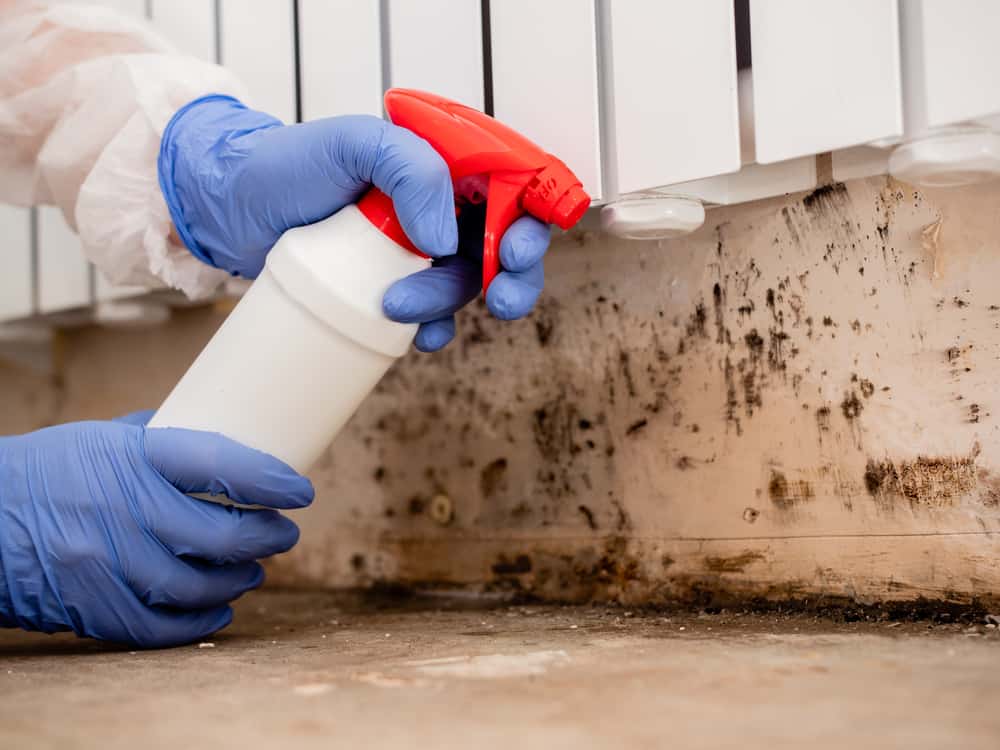
Residential Mold Detection Greenport, NY
Most mold problems in Greenport aren’t visible. They’re behind the plaster walls of a Victorian built in the 1890s, under the floors of a seasonal home that sat sealed up from November through April, or inside an attic where marine air condensed against cold roof decking all winter. By the time you smell it, it’s already been there a while.
A professional mold inspection gives you a documented, lab-verified picture of what’s actually inside your home not a guess, not a visual estimate. For a property in Greenport where the average sale price is pushing $987,000, that documentation matters. It protects your investment before a closing, supports an insurance claim after a nor’easter, and tells you exactly what needs to happen before you start any renovation work on an older home.
The other thing people don’t think about until it’s too late: mold doesn’t wait for you to get back from the city. Greenport’s combination of persistent humidity, salt-laden air, and aging building stock creates conditions where hidden mold can colonize wall cavities, crawl spaces, and HVAC systems in weeks. Catching it early is the difference between a manageable remediation and a structural problem.
Licensed Mold Inspector Greenport, NY
We’ve been serving Long Island since 1993, which means we’ve inspected thousands of homes across the North Fork and watched Greenport’s waterfront properties face challenges that inland communities never encounter. That experience isn’t theoretical it’s built on real work in real homes where salt air, seasonal flooding risk, and aging building envelopes create the exact conditions where mold takes hold.
For Greenport specifically, we understand what decades of marine exposure does to wood framing, what happens to a seasonal home near Stirling Basin when it sits unventilated through a Suffolk County winter, and the difference between surface discoloration and active mold colonization. We have the infrared thermal imaging equipment to find what’s hiding behind walls without tearing them open unnecessarily, and we hold both the New York State Mold Assessor and Mold Remediator licenses required by law verifiable through the NY Department of Labor.
Every technician on our team carries IICRC certification. That’s the standard we hold ourselves to on every inspection, whether it’s a pre-purchase walkthrough on Front Street or an emergency call after a flooding event in one of Greenport’s low-lying neighborhoods.
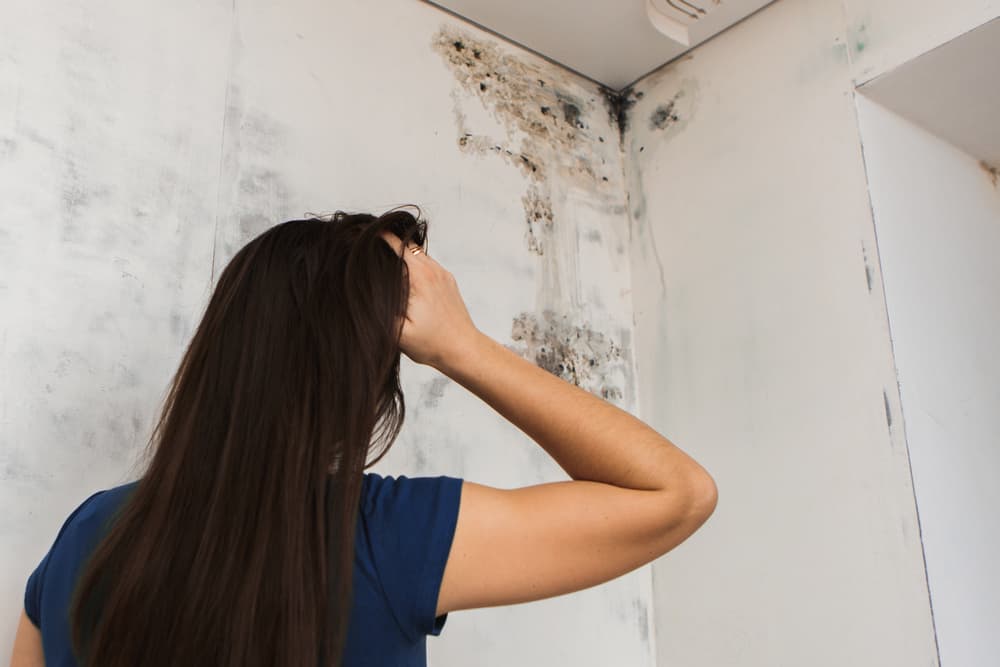
Mold Assessment Services Greenport, NY
The inspection starts with a full walkthrough of the property. We’re looking at the obvious places basements, crawl spaces, bathrooms but also the ones that catch people off guard in older Greenport homes: attic spaces with inadequate ventilation, plaster walls that have absorbed decades of marine moisture, and areas around windows and door frames where salt air has degraded the seals over time.
From there, we use infrared thermal imaging to detect moisture and temperature anomalies behind walls and under floors without opening anything up. If the thermal scan flags something, we follow it with air sampling and surface swab collection, depending on what the findings indicate. Every sample goes to a certified, accredited laboratory not processed in-house, not estimated visually. You get a written report with the actual lab results, specific findings, and clear recommendations.
For properties going through a real estate transaction which is a significant part of what we see in Greenport’s active market that written report is something your attorney, your real estate agent, and your insurance underwriter can all reference. If the inspection reveals damage that needs remediation and structural repair, we handle that too. You don’t need to find a separate contractor. Because New York State requires licensed mold assessors and remediators for this work, you’ll want to confirm any provider’s credentials before you book ours are on file with the NY Department of Labor.
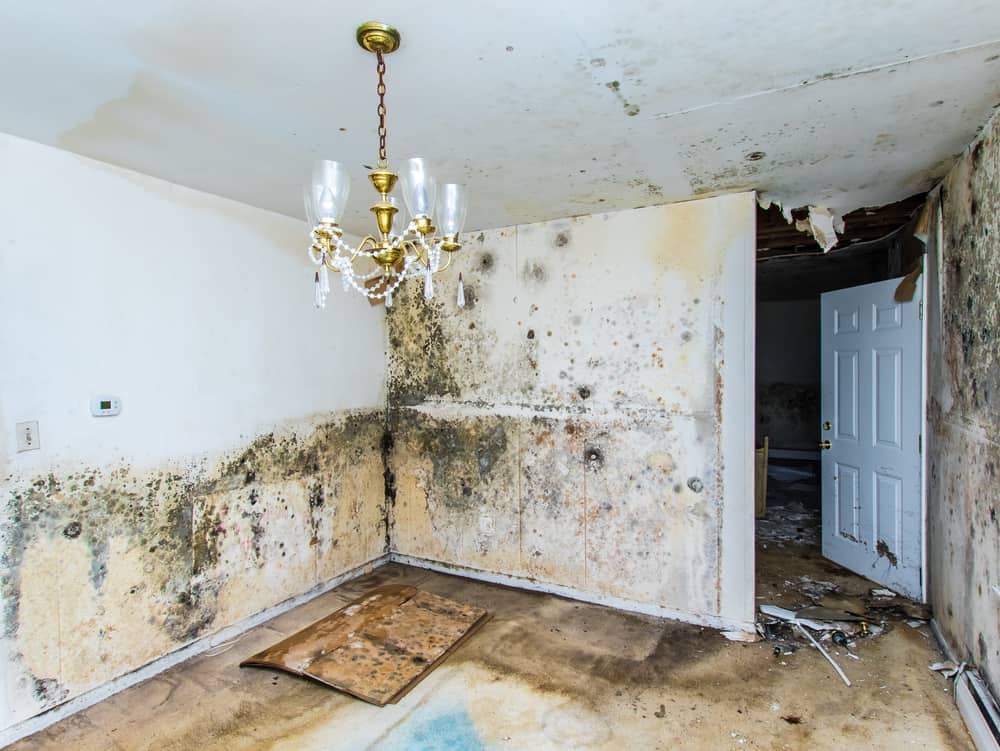
Ready to get started?
Indoor Air Quality Testing for Mold Greenport, NY
A mold inspection in Greenport, NY from First Response covers five specific areas: air quality testing, surface swab sampling, water intrusion inspection, moisture level measurement, and full photographic documentation. Each one matters, and each one addresses a different way moisture enters and damages a building in a coastal environment like this.
Air testing captures what’s circulating through the home spores that aren’t visible but are affecting the air your family breathes. Swab sampling identifies the specific mold species present on surfaces. The water intrusion inspection traces where moisture is entering the building envelope, which in Greenport’s older housing stock could be through deteriorated window frames, foundation cracks at or near groundwater level, or roof penetrations damaged by nor’easters. Moisture level measurement gives us a baseline for every affected area. And the photographic documentation creates a complete record you can use for insurance claims, real estate disclosures, or contractor scoping.
For commercial properties hotels, restaurants, and bed-and-breakfasts in Greenport’s active hospitality district we also provide commercial mold inspection services with the same lab-verified documentation. If you’re a property owner preparing for the summer season, or a business that had water intrusion over the winter, a pre-season inspection is a straightforward way to make sure you’re not opening your doors to a problem you didn’t know was there.
Do I really need a mold inspection if I can't see any mold in my Greenport home?
Yes and in Greenport specifically, visible mold is often the last sign, not the first. The combination of marine humidity, aging building materials, and the seasonal occupancy patterns common in this village means mold frequently establishes in hidden spaces long before it becomes visible. Attic spaces in Victorian and Colonial Revival homes along Greenport’s residential streets are a common example: warm, moist air rises, condenses against cold roof decking in winter, and mold colonizes the wood framing over months without anyone seeing it.
If you’ve noticed a musty smell that doesn’t go away, if the home had any water intrusion after a storm or a burst pipe, or if you’re experiencing unexplained allergy or respiratory symptoms, those are all legitimate reasons to schedule an inspection even without visible growth. A professional mold inspection with air testing will tell you what’s actually in the air you’re breathing, regardless of what’s visible on the surfaces.
How much does a mold inspection in Greenport, NY typically cost?
Nationally, mold inspections typically run between $300 and $1,000 depending on the size of the property and the scope of testing required. For a Greenport home many of which are larger historic properties with multiple levels, attic spaces, and crawl spaces that require thorough inspection you should expect to be toward the middle to upper end of that range for a comprehensive assessment that includes air sampling, swab collection, and lab analysis.
The more useful way to think about the cost is relative to what you’re protecting. In a market where the average residential sale price is close to $987,000, a mold inspection is a minimal investment. If mold is present and goes undetected, home values can drop 20% to 37%, and remediation costs for a significant infestation can run $10,000 to $20,000 or more. The inspection cost is the cheapest part of the equation by a wide margin and it’s the only part that gives you the information you need to make a decision.
What makes seasonal homes in Greenport especially vulnerable to mold growth?
Seasonal homes in Greenport that sit unoccupied from roughly November through April face a specific set of conditions that accelerate mold growth. With no active ventilation, no consistent heating management, and no one present to catch developing problems, moisture accumulates on cold surfaces throughout the winter. Small water intrusions from nor’easters or ice dam events go undetected and unaddressed for weeks or months. By the time you return in spring, mold has often already established in wall cavities, under floors, and in crawl spaces.
Greenport’s geography compounds this. The village sits at approximately 10 feet above sea level, surrounded on multiple sides by water Greenport Harbor, Stirling Basin, and Peconic Bay. Groundwater is close to the surface, marine humidity is persistent year-round, and the housing stock is predominantly older, with building envelopes that were not designed with modern vapor barriers. If you own a seasonal property in Greenport and haven’t had it inspected after a winter vacancy, a spring mold inspection is a straightforward precaution that can catch problems before they become structural.
Is a mold inspection required before buying or selling a home in Greenport, NY?
It’s not legally required, but in Greenport’s real estate market, it’s become a practical expectation especially for buyers investing close to or above the area’s average sale price. A pre-purchase mold inspection gives buyers a lab-verified assessment of the property’s mold status before any money changes hands. For sellers, having a clean inspection report on hand is a meaningful advantage in a competitive North Fork market where buyers are conducting thorough due diligence.
The risk of skipping it is significant. Mold discovered after closing can cost tens of thousands of dollars to remediate, and in some cases it can trigger legal disputes over disclosure. Up to 50% of buyers back out of a deal when mold is discovered during due diligence even if remediation is offered. If you’re on either side of a Greenport transaction, getting the inspection done before the deal is on the table is the cleaner, less stressful path for everyone involved.
What should I do immediately after water intrusion or flooding in my Greenport home?
The most important thing to understand is the timeline: mold can begin colonizing wet materials within 24 to 48 hours of a water intrusion event. In Greenport, where nor’easters, storm surge, and coastal flooding are real seasonal risks given the village’s low elevation and water-surrounded position, acting quickly is not optional it’s the difference between a contained remediation and a much larger problem.
If you’ve had water enter the home whether from a storm, a burst pipe, or a roof failure the first step is to stop the source if possible and begin drying the affected area. The second step is to call for a professional mold inspection as soon as the immediate situation is stabilized. Waiting to see if mold develops is not a useful strategy; by the time it’s visible, it’s already been growing for days or weeks. A post-water-intrusion inspection with moisture mapping will identify exactly where the risk is concentrated and what needs to happen to prevent colonization from taking hold.
Can the same company that inspects my home also handle the mold remediation in Greenport?
Yes, and we’re one of the few providers serving the North Fork that holds both the New York State Mold Assessor license and the Mold Remediator license which means we can legally perform both services. New York State has required separate licensing for mold assessment and mold remediation since January 1, 2016, and any company performing either service without the appropriate license is operating outside the law. Both of our licenses are on file with the NY Department of Labor and can be verified publicly.
The practical benefit of working with us is that you’re not managing two separate contractors, two separate schedules, and two separate scopes of work. If the inspection reveals mold that requires remediation and if that remediation requires structural repair to drywall, insulation, or framing, which is common in Greenport’s older Victorian and Colonial Revival homes we handle it all. One team, one point of contact, from the initial inspection through final clearance testing. For homeowners in a village with its own Code Enforcement and Fire Prevention Department and specific local permit requirements, having a single licensed contractor managing the full scope simplifies the process considerably.
Useful Links
Other Services we provide in Greenport