
Mold Inspection in Harbor Hills, NY
When Waterfront Moisture Hides Inside Your Walls
Hear from Our Customers
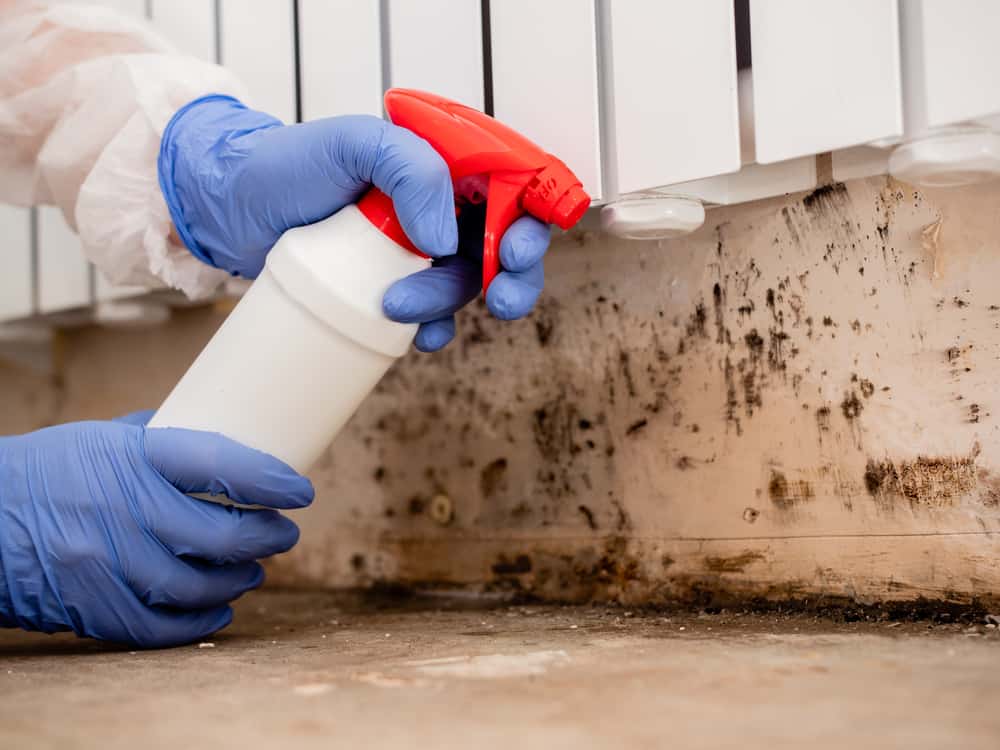
Nassau County Mold Detection Services
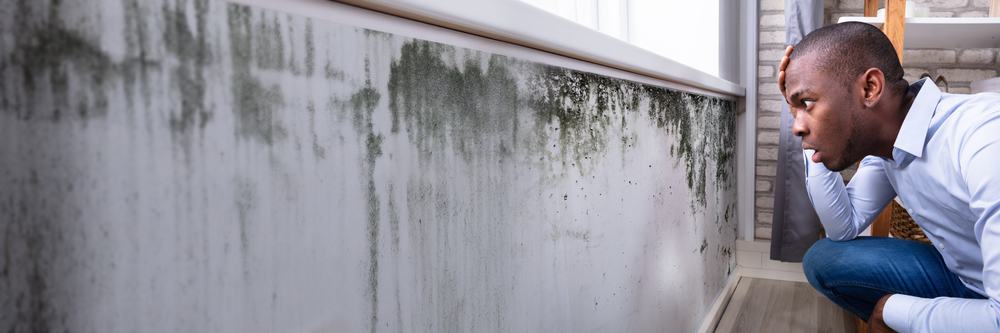
Most homeowners in Harbor Hills don’t call about mold until something forces the issue a musty smell they can’t trace, a basement that took on water after a nor’easter, or a home inspector’s note that raised more questions than it answered. By that point, the problem is usually bigger than it looks. A proper mold inspection doesn’t just confirm whether mold is present. It tells you where it started, how far it’s spread, and what’s actually driving it so you’re not guessing, and you’re not overpaying for remediation based on someone’s opinion.
Living on the Great Neck Peninsula means your home deals with bay humidity year-round. That persistent moisture from Little Neck Bay works its way into attic spaces, wall cavities, and basement slabs especially in homes built before the 1980s, which make up a significant portion of the housing stock in this area. Mold doesn’t need a flood to take hold. It needs consistent moisture and time, and coastal homes give it both.
When you have certified lab results in hand not a verbal guess, not a store-bought test strip you can make real decisions. Whether that’s negotiating a price adjustment on a Harbor Hills property you’re buying, filing an insurance claim, or simply knowing your family isn’t breathing in something that shouldn’t be there, the inspection is what gives you the information to act.
Licensed Mold Assessor in Harbor Hills, NY
We’ve been working in Nassau County homes since the early 1990s through Hurricane Sandy, through nor’easters, through every season Long Island throws at a homeowner. That history isn’t a marketing number. It means the technician walking into your Harbor Hills home has seen what coastal moisture does to a North Shore property over time, and they know exactly where to look.
Every technician on our team not just the owner holds IICRC certification, the industry’s gold standard for mold assessment and remediation. We’re also New York State DOL licensed as both a mold assessor and remediator under Article 32 of the NY Labor Law, fully bonded, and insured. In Harbor Hills, where property values leave no room for shortcuts, that combination of credentials and track record matters.
The Nassau County line 516-698-1776 connects you directly to our team that serves the Great Neck Peninsula and the surrounding North Shore communities as part of our core territory, not as an afterthought.
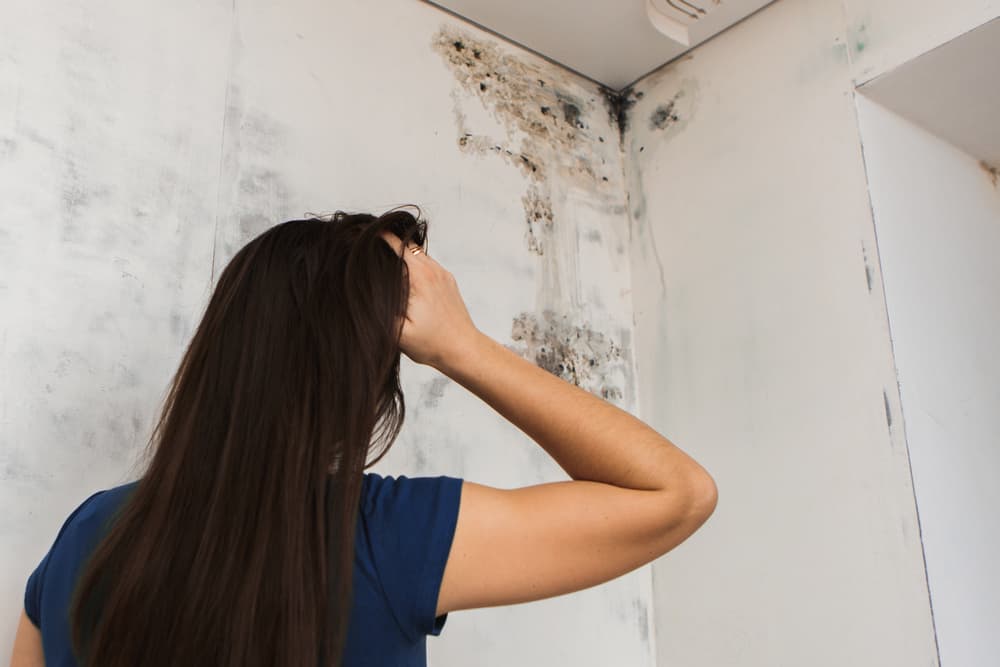
Professional Mold Inspection Process in Harbor Hills
The inspection starts before a single sample is collected. Our technician does a full walkthrough of your home basement, attic, crawl spaces, HVAC areas, and any rooms with reported odors or visible water damage. In Harbor Hills, that walkthrough pays particular attention to areas most exposed to bay-side humidity: north-facing walls, basement slabs near the water table, and attic decking where condensation from salt air can accumulate over time without a single visible leak.
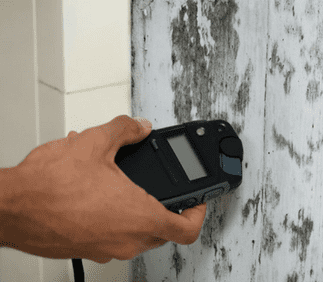
From there, air samples are collected from inside the home and compared against outdoor baseline samples. This internal-versus-external comparison is what separates a real mold assessment from a surface-level look around. Swab samples are taken from any suspect surfaces. Infrared thermal imaging is used to scan walls, ceilings, and floors for temperature differentials that indicate moisture behind the surface moisture that’s invisible to the eye but very visible to the camera.
All samples go to a certified laboratory. When the results come back, you receive a written report that includes species identification, spore concentration levels, photographic documentation of every mold source found, and specific recommended remediation steps based on the lab data. If your inspection is connected to a water damage insurance claim which is common after the kind of storm events that hit Nassau County’s North Shore that report is formatted to support the documentation your insurer will require.
Ready to get started?
Residential Mold Inspection Services in Harbor Hills, NY
Harbor Hills isn’t a market where a flashlight and a clipboard qualify as a mold inspection. With median home values well above $1 million and properties on the Great Neck Peninsula regularly listed at $2 million and beyond, the inspection has to match the stakes. Our mold inspection in Harbor Hills, NY covers air quality testing, surface swab sampling, moisture level measurement throughout the home, water intrusion assessment, infrared thermal imaging for hidden mold detection, and a full written report with certified lab results and specific remediation recommendations.
The infrared component is worth understanding on its own. Ice dams are a documented issue in Nassau County North Shore homes during winter they force water under roofing materials and into attic spaces without leaving an obvious trail. Bay-side humidity creates condensation inside wall assemblies during summer months. These are hidden moisture pathways that a visual inspection will miss every time. The infrared camera finds them.
New York State’s Article 32 requires that mold assessors and mold contractors be separately licensed and we hold both licenses. That matters if remediation is needed after your inspection, because you’re dealing with a team that already knows your home, already has the lab results, and doesn’t need to start from scratch. Whether you’re doing a pre-purchase inspection on a Harbor Hills property, responding to post-storm water intrusion, or tracking down the source of a health concern in your home, the process is built to give you answers not more uncertainty.
How much does a mold inspection cost for a Harbor Hills, NY home?
Mold inspection costs in Harbor Hills, NY typically fall between $300 and $1,000 for a residential property, with most homeowners landing around $600 to $700 for a thorough inspection that includes air sampling, surface testing, and a certified lab report. The final cost depends on the size of the home, the number of areas being tested, and whether infrared thermal imaging is needed to investigate hidden moisture behind walls or in the attic.
For Harbor Hills specifically, homes on the Great Neck Peninsula often warrant more comprehensive testing given the coastal humidity exposure from Little Neck Bay and the age of the local housing stock. A basic visual check won’t tell you what’s happening inside a wall cavity or beneath a basement slab and in a home worth $1 million or more, the cost of a thorough inspection is a fraction of what a missed mold problem can cost in remediation, health impact, or a failed real estate transaction.
What are the most common signs you need a mold inspection in your home?
The most obvious sign is a persistent musty smell the kind that doesn’t go away after cleaning and seems to get worse in certain rooms or after it rains. Other common indicators include visible dark spotting on walls, ceilings, or grout lines, unexplained respiratory symptoms or allergy flare-ups that improve when you leave the house, and any recent water intrusion event like a basement flood, roof leak, or burst pipe.
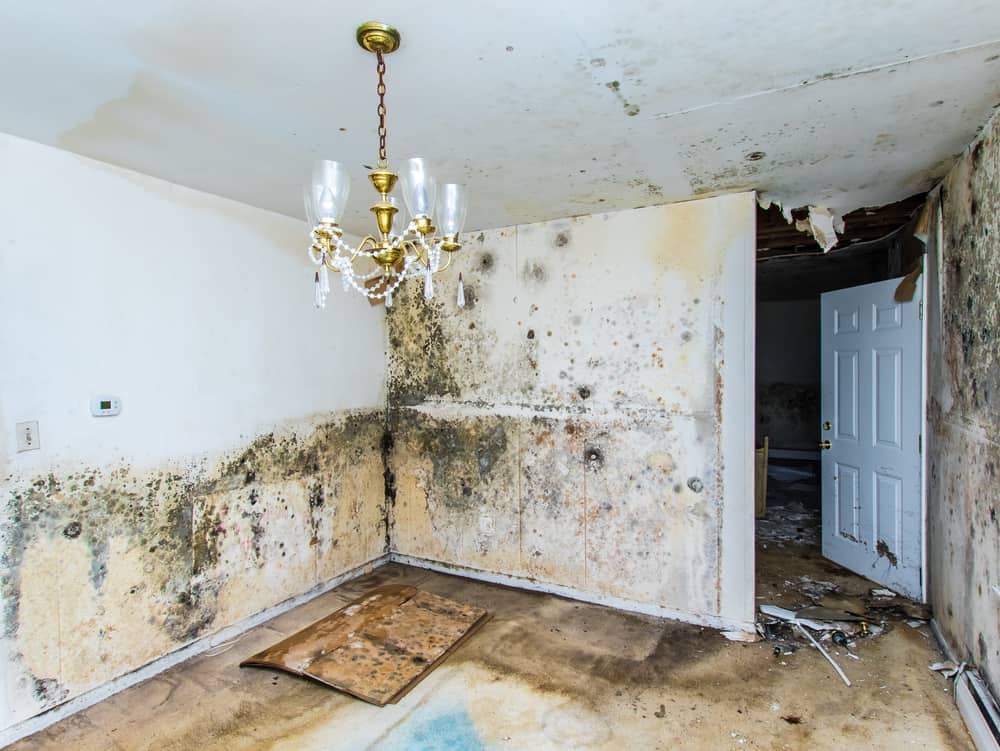
In Harbor Hills, a few specific triggers come up frequently. Sump pump failures during nor’easters are one of the most common causes of basement water intrusion on the North Shore, and mold can begin growing in as little as 24 to 48 hours when moisture is present and humidity is above 60 percent a threshold that waterfront homes near Little Neck Bay can hit regularly in summer. Ice dams in winter are another local culprit, pushing water into attic spaces in ways that aren’t visible until mold is already established. If any of these situations apply to your home, an inspection is worth scheduling before the problem grows.
Does homeowners insurance cover mold inspection and remediation in Nassau County?
Most standard homeowners insurance policies in Nassau County have limited mold coverage, and what they do cover is usually tied to a specific covered event a burst pipe, storm-related water intrusion, or a documented HVAC failure rather than mold that developed gradually over time. The key is documentation. Without a licensed assessor’s written report, lab results, and a clear chain of causation linking the mold to a covered water event, most claims will be denied or significantly reduced.
This is one area where having a New York State DOL licensed mold assessor matters beyond just the inspection itself. Our written report is structured to include everything an insurance adjuster needs: photographic evidence of the mold source, certified laboratory results, moisture readings, and a documented connection between the water intrusion event and the mold growth. For Harbor Hills homeowners dealing with post-storm damage which is a real and recurring scenario on Nassau County’s North Shore having that documentation ready from the start can be the difference between a covered claim and an out-of-pocket remediation bill.
Should I get a mold inspection before buying a home in Harbor Hills, NY?
Yes and it’s one of the most important steps you can take before closing on a property in this area. A standard home inspection covers a lot of ground, but mold assessment is a specialized discipline that requires certified technicians, air sampling equipment, and laboratory analysis. A general home inspector is not equipped to tell you whether mold is growing inside a wall cavity, beneath a basement slab, or in an attic space that shows no visible signs yet.
In Harbor Hills specifically, the combination of waterfront exposure, older housing stock, and high transaction prices makes a pre-purchase mold inspection particularly important. A property that looks clean on the surface may have hidden moisture intrusion from years of bay humidity, a past ice dam event, or a previous basement flood that was dried out but never properly assessed. At the price points Harbor Hills properties trade at often $1.5 million to $4 million or more a mold inspection is one of the most cost-effective parts of your due diligence. If mold is found, you have negotiating leverage. If it’s not, you close with confidence.
What is the difference between mold inspection and mold testing?
Mold inspection and mold testing are related but not the same thing. A mold inspection is the physical assessment of your home a trained technician walks through the property, identifies areas of concern, measures moisture levels, uses infrared imaging to detect hidden moisture, and documents everything they find. Mold testing refers specifically to the collection and laboratory analysis of samples air samples, surface swabs, or bulk material samples to identify what species are present and at what concentration.
A thorough mold assessment includes both. The inspection tells you where to look and what’s happening structurally. The testing tells you what you’re dealing with at a biological level whether it’s a common household mold or something like Stachybotrys, which requires a more aggressive remediation approach. In New York State, under Article 32 of the Labor Law, anyone performing mold assessment for compensation must hold a state license as a mold assessor. That licensing requirement exists precisely because the inspection and testing process has real consequences for homeowners and it should be done by someone qualified to interpret what the results actually mean for your specific situation.
How long does a mold inspection take for a home in Harbor Hills?
For a typical single-family home in Harbor Hills, a comprehensive mold inspection takes approximately two to four hours. Larger properties or homes with multiple areas of concern a finished basement, an older attic with limited access, or several rooms with reported moisture issues can take longer. The time is well spent. Rushing an inspection to save an hour is how mold gets missed.
The walkthrough, moisture measurements, infrared scanning, and sample collection all take time to do correctly. After the visit, samples go to a certified laboratory, and the turnaround for results is typically a few business days. Once the lab report is back, you receive a written assessment that covers everything found during the inspection, the laboratory data, and specific recommended next steps. We operate 24 hours a day, seven days a week, and can dispatch quickly to get the process started without delay especially important for Harbor Hills homeowners in a time-sensitive situation like a pre-closing inspection with a hard deadline or a post-storm assessment where mold is already a concern.
Useful Links
Other Services we provide in Harbor Hills