
Mold Inspection in Hauppauge, NY
When Your Home's Worth $700K, Guessing Isn't an Option
Hear from Our Customers
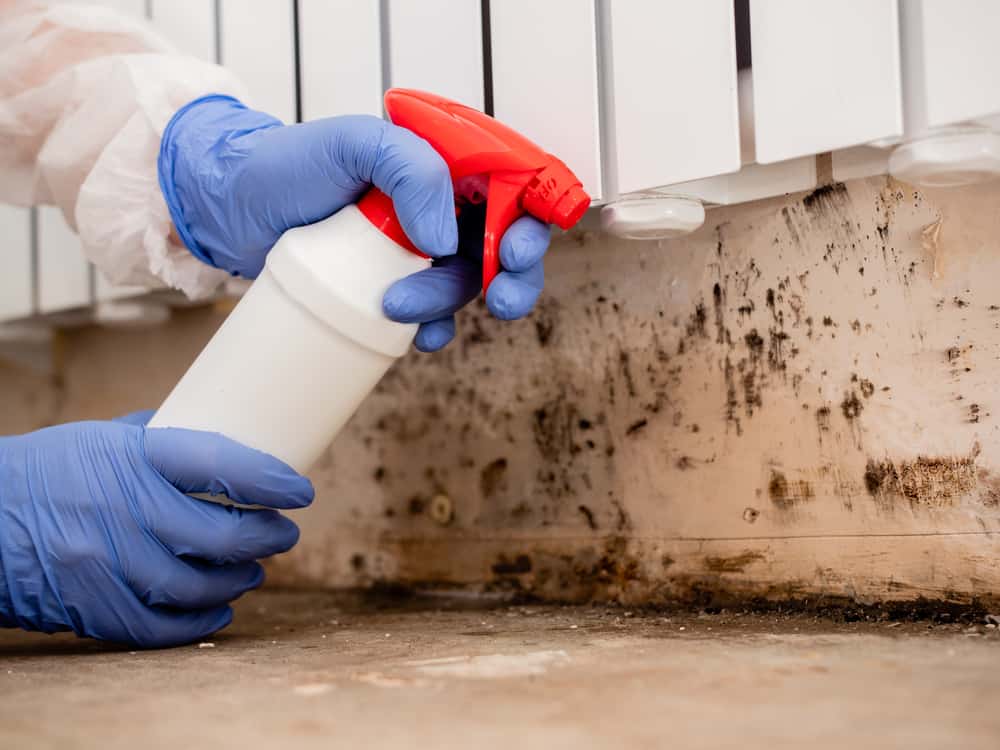
Residential Mold Inspection Hauppauge, NY
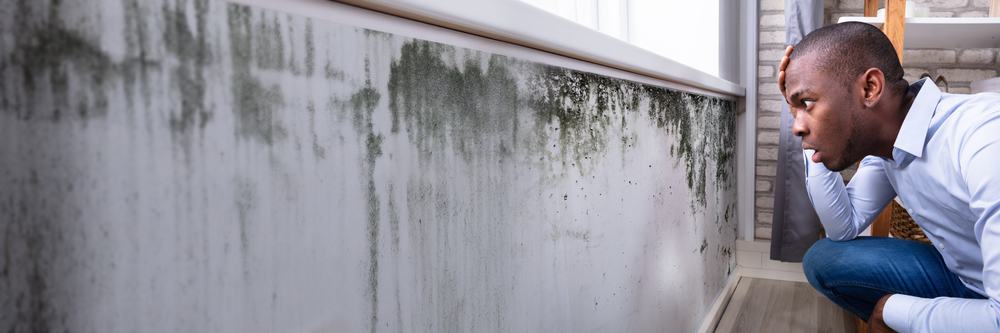
Most homeowners don’t find mold mold finds them. A musty smell in the basement, a dark spot behind the water heater, a cough that won’t quit. By the time it’s visible, it’s usually been growing for a while. A proper mold inspection in Hauppauge doesn’t just confirm what you can already see. It tells you what’s hiding behind your walls, under your floors, and in your HVAC system before it becomes a full-scale remediation project.
Hauppauge’s name comes from an Algonquian word meaning “overflowed land” and that’s not just history. The area’s naturally high water table means basement moisture intrusion is common in homes throughout the hamlet, particularly in the older postwar-era houses that make up a large part of the local housing stock. Add in Long Island’s humid summers and the temperature swings that cause condensation inside wall cavities every winter, and you have conditions that make mold inspection less of a precaution and more of a practical necessity.
When the inspection is done right, you walk away with lab-verified air and surface sample results, a clear written report, and a specific picture of what’s actually happening in your home not a vague “you might have an issue.” That’s the difference between making an informed decision and spending months wondering.
Mold Inspection Company Hauppauge, NY
We’ve been handling mold inspections and full-scale restoration work across Long Island since 1994. That’s not a franchise background or a call center operation it’s three decades of actual field work in Nassau and Suffolk County, including the homes and commercial properties throughout Hauppauge and the surrounding communities of Smithtown, Commack, and Nesconset.
New York State has required mold assessors and mold remediators to hold active DOL licenses since 2016. We hold both. Every technician who walks into your home carries IICRC certification not just the owner, but every person on every job. That’s a company standard, not a marketing claim.
Whether you’re a homeowner near Blydenburgh County Park dealing with a wet basement or a property manager in the Long Island Innovation Park with an air quality concern across 10,000 square feet of commercial space, the credentials and the process are the same. Licensed, insured, and accountable from the first call to the final report.
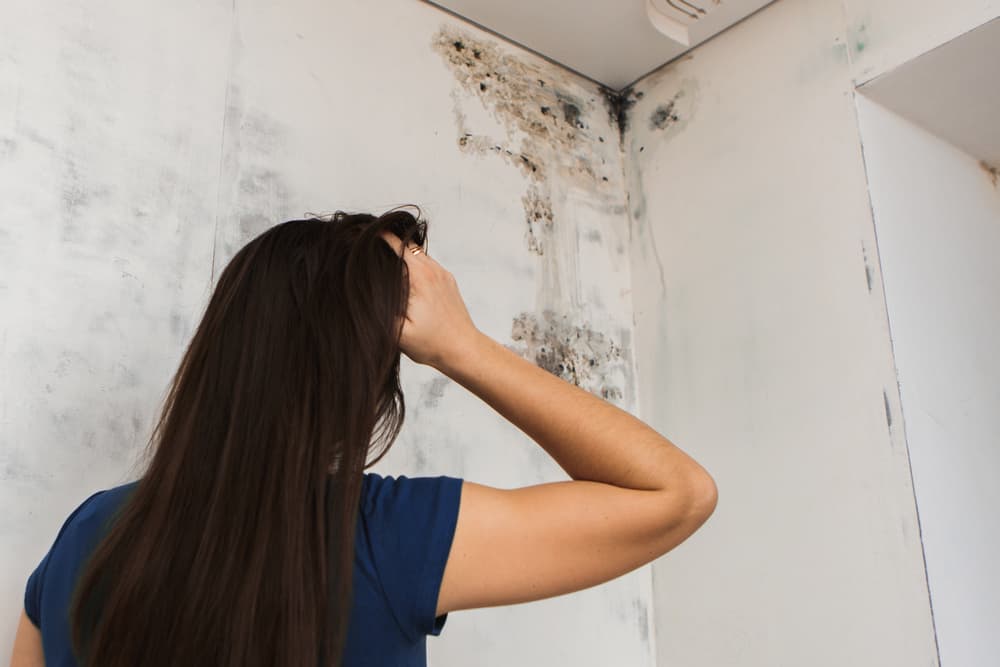
Professional Mold Inspector Hauppauge, NY
When you reach out, the first thing that happens is a real conversation not a scripted intake form. You describe what you’re seeing or smelling, where in the home it’s concentrated, and whether there’s been any recent water event. That context shapes where the inspection starts and what gets prioritized.
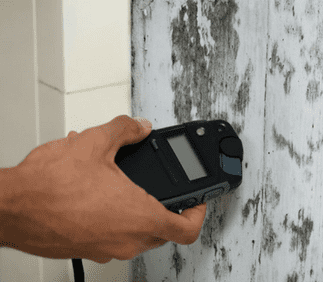
On-site, the inspection covers five documented areas: airborne spore sampling, surface swab collection, water intrusion assessment, moisture level measurement, and full photographic documentation of any mold sources found. We also use infrared thermal imaging to detect moisture and mold activity inside wall cavities and under flooring areas that a visual walkthrough alone will never catch. This matters especially in Hauppauge’s older single-family homes, where aging plumbing and foundation details can hide moisture problems for years before they surface.
All samples go to a certified, accredited laboratory for analysis. When the results come back, you receive a written report that explains what was found, where it was found, and what the recommended next steps are in plain language, not raw lab data. If remediation is needed, we can handle that too, along with any structural repairs and reconstruction, all under the same licensed roof. Because Hauppauge properties straddle the Towns of Islip and Smithtown, permit jurisdiction for any structural work depends on your specific address something our team navigates routinely.
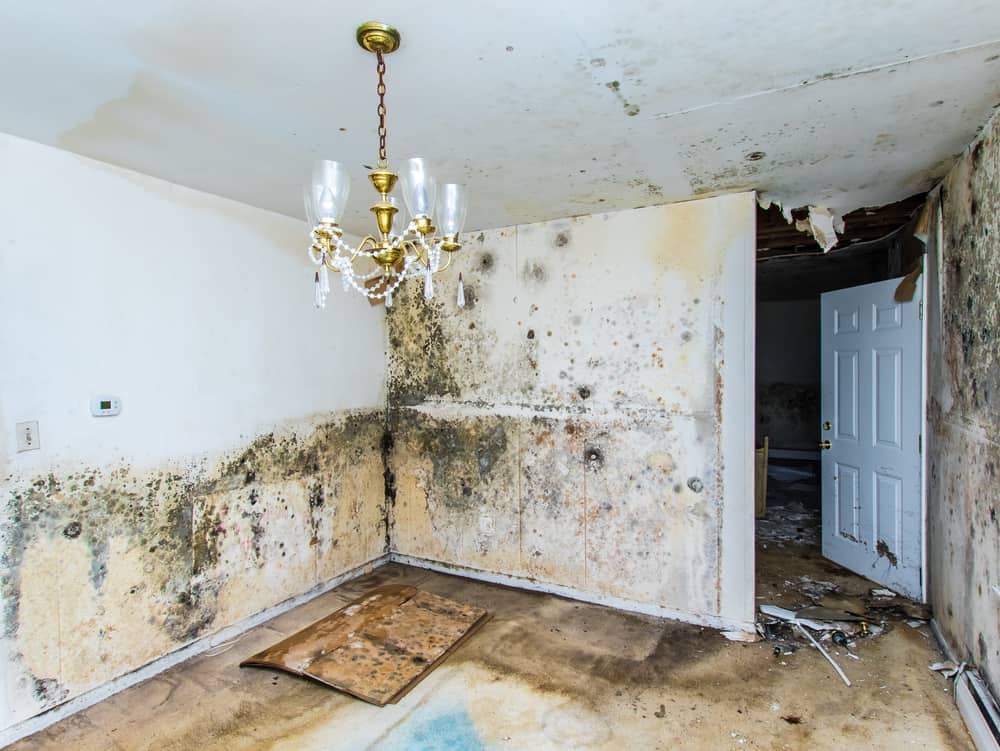
Ready to get started?
Mold Assessment Services Hauppauge, NY
Our mold inspection in Hauppauge isn’t a single-room walkthrough. It’s a comprehensive assessment that covers the areas where mold actually develops in homes and commercial buildings in this area. Basements are the most common starting point the high water table throughout central Suffolk County means groundwater intrusion is a recurring issue, not a one-time event. Attics are a close second, especially in homes where roof ventilation has degraded over time. And for properties connected to older cesspool systems still common in parts of Hauppauge a backup or slow drain can introduce moisture and biological contamination into lower-level spaces that most people don’t think to check.
For residential homeowners, the inspection covers the full structure: basement and crawl space, all living areas, attic, and any spaces with known water history. For commercial clients and Hauppauge has a significant commercial base, from office buildings along Veterans Memorial Highway to R&D facilities inside the Long Island Innovation Park the inspection scope expands to include HVAC systems, air handling units, and large-format spaces where air quality testing for mold is as important as surface sampling.
Every inspection includes lab-verified results and a written report. If your situation involves an insurance claim which is common after a pipe burst or basement flood we handle all documentation and direct communication with your insurer from start to finish. You don’t have to become an expert in claims management to get through this.
How much does a mold inspection cost in Hauppauge, NY?
A professional mold inspection in Hauppauge typically runs between $300 and $600 for a standard residential assessment, depending on the size of the home and the scope of testing needed. Larger homes, commercial properties, or situations that require extensive air sampling across multiple rooms or floors will land toward the higher end of that range or beyond it.
It’s worth putting that number in context. Hauppauge homes carry median values approaching $800,000. A mold problem that goes undetected or gets partially addressed without lab verification can quietly reduce a property’s value by 20% or more and lead to remediation costs that range from $1,500 for a contained area up to $20,000 or higher when structural materials are involved. The inspection cost is a small fraction of what you’re protecting. And if the inspection is part of an insurance claim following a water event, that documentation is often essential to getting the claim processed correctly.
What's the difference between mold inspection and mold testing are they the same thing?
They’re related but not identical. A mold inspection is a physical, on-site assessment a trained inspector examines the property for visible mold, moisture sources, water intrusion pathways, and conditions that support mold growth. Mold testing refers specifically to the collection and laboratory analysis of air or surface samples to identify what types of mold are present and at what concentration levels.
A thorough mold inspection in Hauppauge should include both. The physical inspection tells you where the problem is and what’s causing it. The lab results tell you what you’re dealing with including whether the spore counts in the indoor air are elevated compared to outside baseline levels, which is how you confirm active mold growth even when it isn’t visible. Getting an inspection without testing leaves you with a visual opinion. Getting testing without a physical inspection means you might miss the source entirely. You need both to make a real decision.
Can mold grow inside walls without being visible from the surface?
Yes and in Hauppauge homes, this is more common than most people expect. The area’s high water table and the aging plumbing in many of the hamlet’s postwar-era homes create conditions where moisture can accumulate inside wall cavities for months or years before it shows up as a stain or a smell. By the time you see something on the surface, the mold colony behind it is often well-established.
This is exactly why we use infrared thermal imaging as part of the inspection process. Infrared cameras detect temperature differentials caused by moisture behind walls and under flooring areas that a visual inspection alone will never reach. If there’s active moisture inside a wall cavity, the camera picks up the thermal signature even when the surface looks completely dry. It’s the only reliable way to find concealed mold without tearing open walls unnecessarily, which matters a great deal when you’re trying to protect a finished basement or a recently renovated room.
Is black mold really as dangerous as people say, and how do I know if I have it?
The term “black mold” gets used loosely, and it creates a lot of unnecessary panic. Stachybotrys chartarum the species most people mean when they say black mold is a real concern, but it’s actually one of the less common mold types found in residential properties. Many molds appear dark or black in color without being Stachybotrys. And some mold species that look innocuous are more problematic than their appearance suggests.
The only way to know what you’re actually dealing with is lab analysis. A surface swab or air sample sent to an accredited laboratory will identify the species present and the concentration levels which is the information that actually drives the remediation decision. Visual identification by a homeowner, or even by an inspector without lab backup, is not sufficient. If you’ve had water intrusion in your Hauppauge home a flooded basement, a slow roof leak, a burst pipe during a winter cold snap and you’re concerned about toxic mold, the right move is a professional inspection with lab-verified results, not a judgment call based on color alone.
Do I need a mold inspection before buying or selling a home in Hauppauge?
New York State does not legally require a mold inspection as part of a standard real estate transaction but given what homes in Hauppauge are worth, skipping it carries real financial risk. A mold issue discovered after closing becomes the buyer’s problem entirely. And sellers who aren’t aware of mold in their home can face liability if it surfaces shortly after the sale.
For buyers, a mold inspection gives you objective, lab-verified information about the property’s condition before you commit. For sellers, it’s a way to address any issues proactively which typically results in a cleaner transaction and fewer last-minute renegotiations. In a market where the median home value is approaching $800,000 and buyers are educated, high-income professionals who know how to research a purchase, showing up to a transaction with a clean mold inspection report is a meaningful advantage. It’s one less thing for a buyer’s attorney to flag.
What should I do if I find mold in my Hauppauge home after a basement flood?
The most important thing to understand is that the clock starts the moment moisture enters the space. Mold can begin developing within 24 to 72 hours of a water event which means a flooded basement from a summer thunderstorm or a backed-up cesspool isn’t just a cleanup problem, it’s a mold prevention window. The faster you get a professional assessment, the more options you have.
Don’t disturb the affected area before the inspection. Pulling up wet carpet, cutting out drywall, or running fans without knowing what’s already growing can spread spores to unaffected areas of the home. Call for a mold inspection in Hauppauge first, get the air and surface samples collected, and let the lab results guide the remediation scope. If the event is covered under your homeowner’s insurance and many basement flooding situations in Suffolk County are, depending on your policy the inspection documentation is what your adjuster will need to process the claim. We handle that communication directly, so you’re not navigating the insurance process on your own while also managing a damaged home.
Useful Links
Other Services we provide in Hauppauge