
Mold Inspection in Islip Terrace, NY
Islip Terrace Homes Hide Mold. Here's How to Know for Sure.
Hear from Our Customers
Home Mold Testing in Islip Terrace, NY
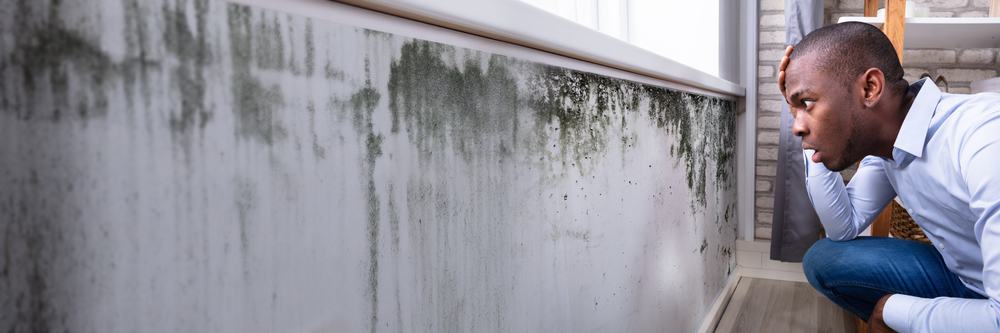
The median home value in Islip Terrace sits around $520,000 and most of those homes are aging single-family builds with original plumbing, older insulation, and crawl spaces that weren’t designed to handle the kind of moisture intrusion that comes with South Shore storm seasons. Mold doesn’t announce itself. It grows behind walls, under floors, and inside attic sheathing long before you ever see a spot or smell anything obvious. By the time it’s visible, it’s already been there a while.
A professional mold inspection gives you documented, lab-verified results not a guess, not a visual once-over. You’ll know exactly what type of mold is present, where the moisture source is, and what remediation actually looks like if it’s needed. That information matters whether you’re protecting your family’s health, preparing to sell, or buying a 1960s Cape Cod in Islip Terrace and want to know what you’re walking into.
Undetected mold can drop a home’s value by 20 to 37 percent. On a $600,000 Islip Terrace home, that’s a six-figure loss for a problem that a proper inspection could have caught early. The inspection is almost always the least expensive part of this entire equation.
Professional Mold Inspector in Islip Terrace, NY
We’ve been working in Long Island homes since before most of Islip Terrace’s current homeowners were old enough to own property. Based out of West Babylon right on the edge of the Town of Islip we’ve spent three decades learning exactly how South Shore homes age, where they fail, and what mold looks like when it’s been hiding in a crawl space through ten nor’easters.
Richard Peterson holds active New York State licenses in both mold assessment and mold remediation the two separate licenses the state has required since 2016. Every technician on our team carries IICRC certification, not just the owner. That’s not a talking point it’s a company standard we don’t negotiate on.
We handle everything from the initial mold inspection through full remediation and reconstruction if it’s needed. One company, one point of contact, and a written report you can actually use whether that’s for your insurance adjuster, your real estate attorney, or your own peace of mind.
Mold Assessment Services in Islip Terrace, NY
The inspection starts before we touch anything. We ask about your home’s history any past flooding, recent storm damage, plumbing issues, or spots where you’ve noticed condensation or discoloration. In Islip Terrace, where crawl space flooding during heavy rain is a documented local problem and most homes predate modern moisture management standards, that context matters. It tells us where to look first.
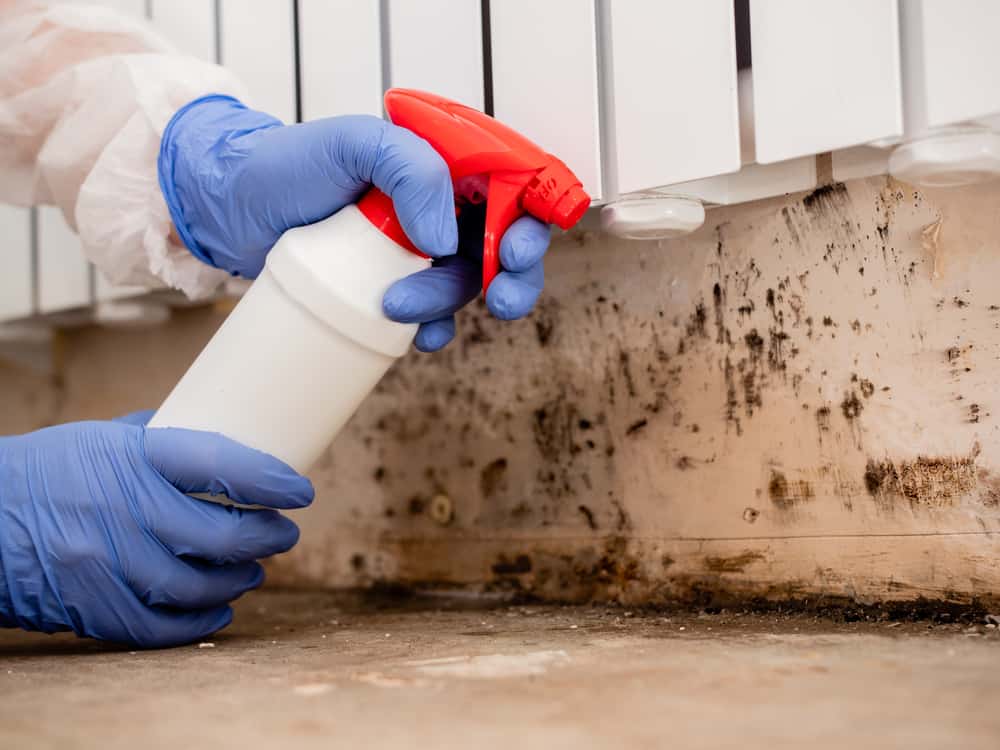
From there, we collect air samples to measure airborne spore counts and swab samples from any surfaces showing visible growth or discoloration. We use infrared thermal imaging to detect moisture activity behind walls and under floors the kind of hidden mold that a visual inspection will never find in a 1960s-era home with plaster walls and original framing. Every sample goes to a certified, accredited laboratory for analysis.
Once results are back, you receive a full written report in plain language mold types identified, spore concentrations, moisture sources, and specific remediation steps if they’re needed. If remediation is required, New York State law mandates that the assessment and remediation be handled by separately licensed contractors. We hold both licenses, so if you want us to handle the full scope, we can do that without you needing to start over with someone new.
Ready to get started?
Indoor Air Quality Testing for Mold in Islip Terrace, NY
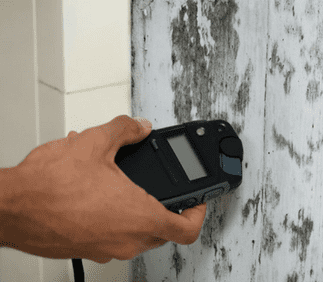
A thorough mold inspection goes well beyond someone walking through your home with a flashlight. Our inspection includes air sampling for airborne spore counts, surface swab sampling, a full water intrusion assessment to identify where moisture is getting in, moisture level measurements throughout the affected areas, infrared thermal imaging for hidden mold detection, and complete photographic documentation of every mold source found. Everything is compared against external baseline samples so the lab results reflect what’s actually abnormal inside your home not just what’s naturally present in the outdoor air.
For Islip Terrace homeowners specifically, attic mold is one of the most common findings we see in this area. Homes built in the 1940s through 1960s frequently have inadequate attic ventilation by today’s standards, and the South Shore’s humid summers push warm, moist air into those spaces constantly. Basement and crawl space mold are equally common especially in homes that have experienced any kind of water intrusion, where drainage during heavy storms can overwhelm older residential foundations.
Whether you’re dealing with a musty smell you can’t locate, a family member with unexplained respiratory symptoms, or you’re under contract on a home in the East Islip School District and want documentation before you close this inspection produces results you can act on.
How much does a mold inspection cost in Islip Terrace, NY?
A professional mold inspection in Islip Terrace typically runs between $300 and $700 for a residential property, depending on the size of the home and how many samples are collected. Homes that require additional air sampling for example, if multiple areas show signs of moisture intrusion or if the attic and crawl space both need to be assessed separately will generally fall toward the higher end of that range.
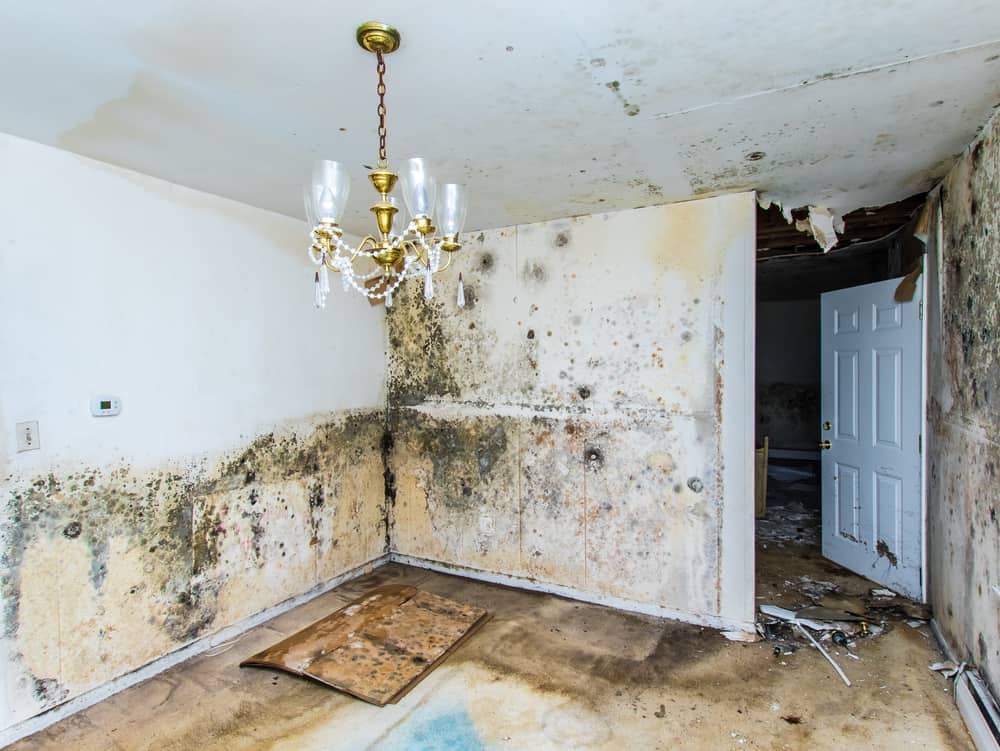
That said, the inspection cost is almost always a fraction of what remediation costs if mold goes undetected. Full mold remediation in a Suffolk County home can run anywhere from $1,150 to well over $10,000 depending on how far the growth has spread. For a home in Islip Terrace valued at $500,000 or more, catching the problem early is simply the smarter financial decision. The inspection pays for itself the moment it prevents a larger issue from developing or saves a real estate deal from falling apart at closing.
What are the most common signs I need a mold inspection in my home?
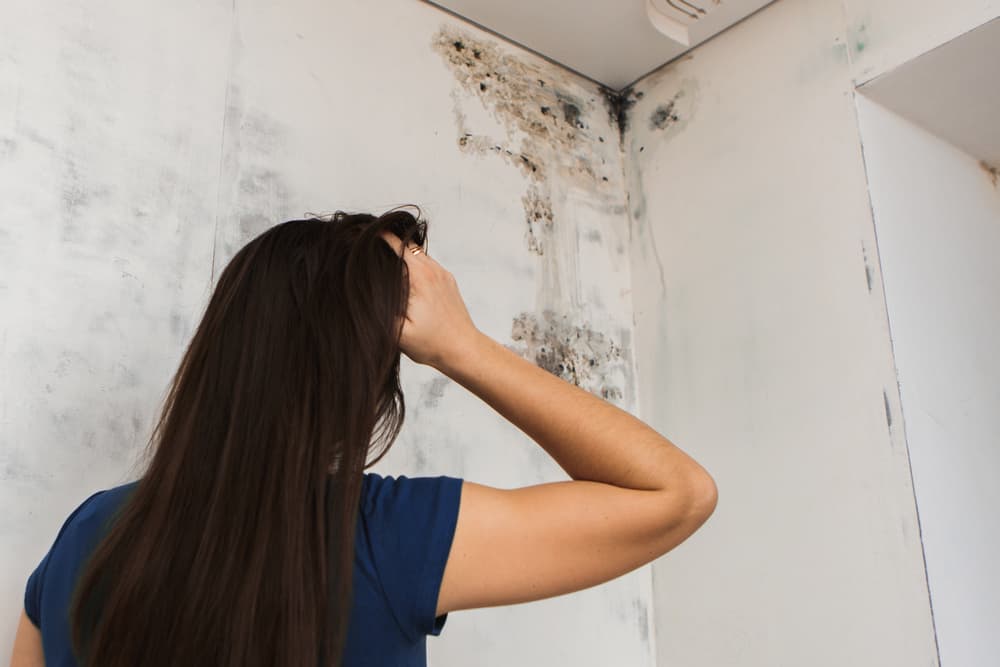
The most obvious sign is a persistent musty smell especially in basements, crawl spaces, or closed-off rooms that doesn’t go away even after cleaning. Visible dark spots on walls, ceilings, or around HVAC registers are another clear indicator. But in a lot of Islip Terrace homes, the mold isn’t visible at all. It’s behind plaster walls, inside insulation, or under flooring that absorbed moisture during a storm event or a slow plumbing leak.
Health symptoms are often the first real clue. If someone in your household has been dealing with chronic sinus issues, worsening asthma, or allergies that don’t respond to typical treatment and the symptoms improve when they’re out of the house that pattern is worth taking seriously. Mold exposure affects people differently, but children are particularly sensitive, and Islip Terrace is a community with families who prioritize their children’s health and home environment. If something feels off in your home, a mold inspection is the fastest way to rule it out or confirm it.
Is mold common in older Islip Terrace homes, and where does it usually show up?
Yes and it’s not a coincidence. The median construction year for homes in Islip Terrace is 1963, and a significant portion of the housing stock predates 1940. These homes were built before vapor barriers, modern ventilation requirements, and moisture-resistant building materials were standard practice. That means crawl spaces often have no moisture barrier at all, attics are frequently under-ventilated, and older plumbing systems have a higher likelihood of slow leaks that go unnoticed for years.
The most common locations we find mold in Islip Terrace homes are attics where inadequate ventilation traps warm, humid South Shore air against roof sheathing and rafters and crawl spaces or basements that have experienced any kind of water intrusion. There are documented cases of crawl space flooding in this area specifically, particularly after heavy rain events that overwhelm older drainage systems. HVAC ductwork is another common site, especially in homes where the system hasn’t been serviced in several years. The older the home, the more places there are for moisture to find its way in undetected.
Do I need a licensed mold inspector in New York, or can anyone do the inspection?
New York State law requires mold assessors and mold remediators to hold separate licenses issued by the New York Department of Labor. This requirement has been in effect since January 1, 2016, and it applies to every mold inspection performed in Islip Terrace. It’s not optional, and it’s not just a formality unlicensed mold inspectors cannot produce legally defensible reports, and their findings won’t hold up if you need documentation for an insurance claim, a real estate transaction, or a legal dispute.
Before hiring anyone to inspect your home, ask for their NY DOL license number and verify it through the Department of Labor’s online lookup tool. Some companies operating in Suffolk County present themselves as mold inspection services without holding the proper state credentials. We hold both a NY State Mold Assessor license and a NY State Mold Remediator license two separate credentials that allow us to legally assess and remediate in the same home without you needing to bring in a second company.
Should I get a mold inspection before buying a home in Islip Terrace?
If you’re buying a home in Islip Terrace especially anything built before 1980 a dedicated mold inspection before closing is worth every dollar. A standard home inspection covers a lot of ground quickly, but it’s not designed to detect mold. Most general home inspectors aren’t licensed mold assessors, and they’re not collecting air samples or running lab analysis. What they do is take a visual pass. That’s not enough for a 1960s-era home with a crawl space, an older HVAC system, and a history you don’t fully know.
The East Islip School District is one of the main reasons buyers pay a premium to live in Islip Terrace. Homes here regularly sell at or above $600,000. A mold inspection that costs a few hundred dollars gives you documented, lab-verified information about the property you’re about to make a six-figure commitment on. If mold is found, you have negotiating leverage. If it’s not found, you have peace of mind. Either way, you’re making a better-informed decision than the buyer who skipped it.
How long does a mold inspection take, and when will I get my results?
For most single-family homes in Islip Terrace, the on-site inspection takes between two and four hours. Larger homes, or homes where multiple areas need to be assessed an attic, a basement, and a crawl space, for example may take a bit longer. You don’t need to do anything special to prepare, but if you know of specific areas where you’ve had water intrusion or noticed odors, make note of them before we arrive. That context helps us prioritize.
Lab results typically come back within two to five business days after samples are collected. Once we have the results, you receive a full written report that summarizes everything in plain language what was found, where it was found, what the spore concentrations mean, and what the recommended next steps are. This isn’t a raw data printout you have to decode yourself. It’s a usable document. If remediation is needed and you want us to handle it, we can walk you through exactly what that process looks like based on what the lab confirmed no guesswork, no vague estimates.
Useful Links
Other Services we provide in Islip Terrace