
Mold Inspection in Jamesport, NY
When Historic Homes and Bay Air Meet, Mold Hides Well

Hear from Our Customers
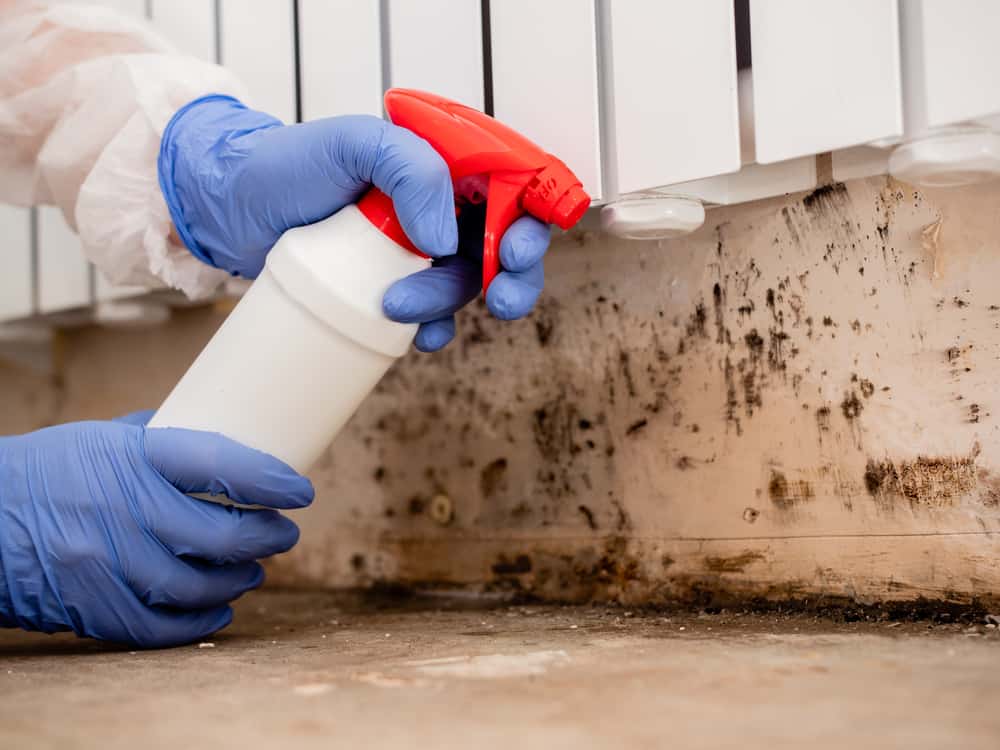
Residential Mold Inspection Jamesport NY
Most people don’t call about mold until something feels off a smell that won’t go away, a family member who keeps getting sick, or a home inspector who flagged something vague during a sale. By the time it’s obvious, it’s usually been growing for a while. A thorough mold inspection gives you a clear picture: what’s there, where it started, and what it’s going to take to fix it.
For Jamesport homeowners, that clarity matters more than most places. The combination of Peconic Bay humidity to the south and Long Island Sound air to the north keeps ambient moisture levels elevated year-round and in older homes along the bay or in Campground Circle’s Victorian-era cottages, that moisture has been working its way into walls, attics, and crawl spaces for decades. You can’t address what you can’t see.
If you’re buying or selling a property here, a documented mold inspection isn’t optional it’s protection. Homes in this market routinely sell for $700,000 and up, and mold discovered after closing can drop a property’s value by 20 to 37 percent. A lab-verified report before the deal closes keeps everyone on solid ground.
Mold Inspection Company Jamesport NY
We’ve been serving Suffolk County homeowners for over three decades. That’s not a marketing number it’s a track record built one job at a time across Nassau and Suffolk, including the North Fork communities that some larger operators treat as an afterthought.
When you call us at 631-587-5300, you’re reaching a company that actually works in Jamesport and the surrounding area. Our technicians are IICRC-certified not just the owner, every technician. And because we hold both the New York State Mold Assessor License and the Mold Remediator License, you’re not handing your home off to a company that’s only qualified to do half the job.
From South Jamesport’s bayfront properties to older homes along Main Road, we understand what coastal Suffolk County moisture does to a structure over time. That’s the kind of local knowledge that doesn’t come from a training manual.
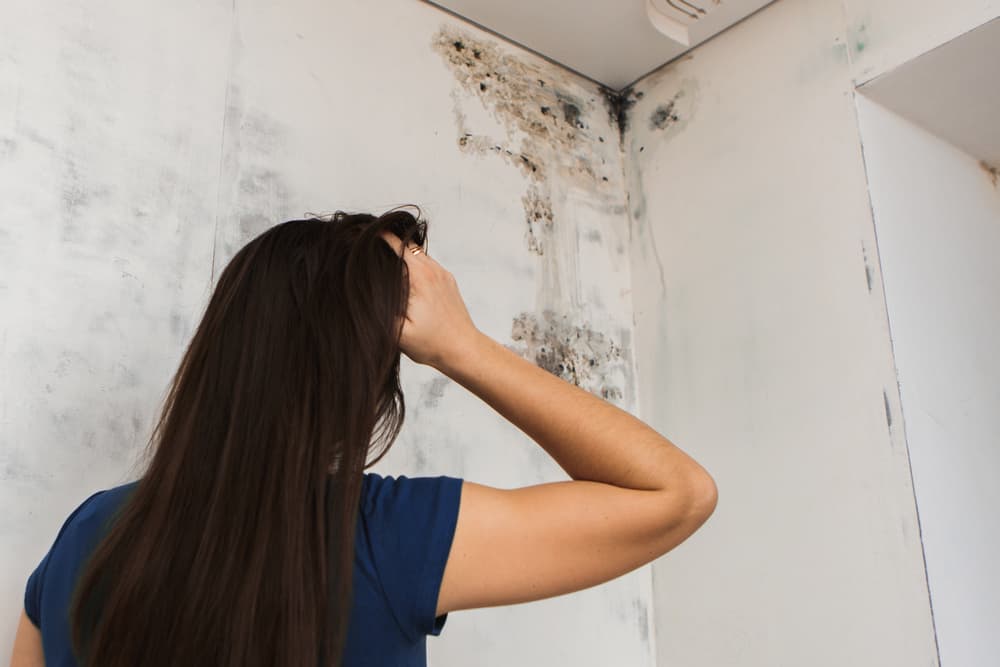
Mold Detection Services Jamesport NY
The inspection starts with a full walkthrough of your property not a quick scan, but a systematic review of the areas most likely to harbor mold given your home’s age, construction type, and location. In Jamesport, that typically means close attention to attic spaces in older homes with limited ventilation, basement and crawl space perimeters in bay-adjacent properties, and any areas with a history of water intrusion after nor’easters or coastal flooding.
From there, we collect air samples and surface swabs and send them to a certified laboratory for analysis. At the same time, we use infrared thermal imaging to detect moisture and temperature differentials behind walls and under floors places where mold can colonize completely out of sight. This step is especially valuable in the older balloon-frame construction common in Campground Circle and other historic parts of the hamlet, where moisture can travel through a structure in ways that aren’t obvious from the surface.
Once the lab results come back, you receive a written report in plain language what was found, where it is, what type of mold is present, and what remediation steps we recommend. Under New York State Labor Law Article 32, any remediation work must be preceded by a written assessment from a licensed mold assessor. We satisfy that requirement and handle all documentation, including anything your insurance carrier needs if the mold ties back to storm damage or water intrusion.
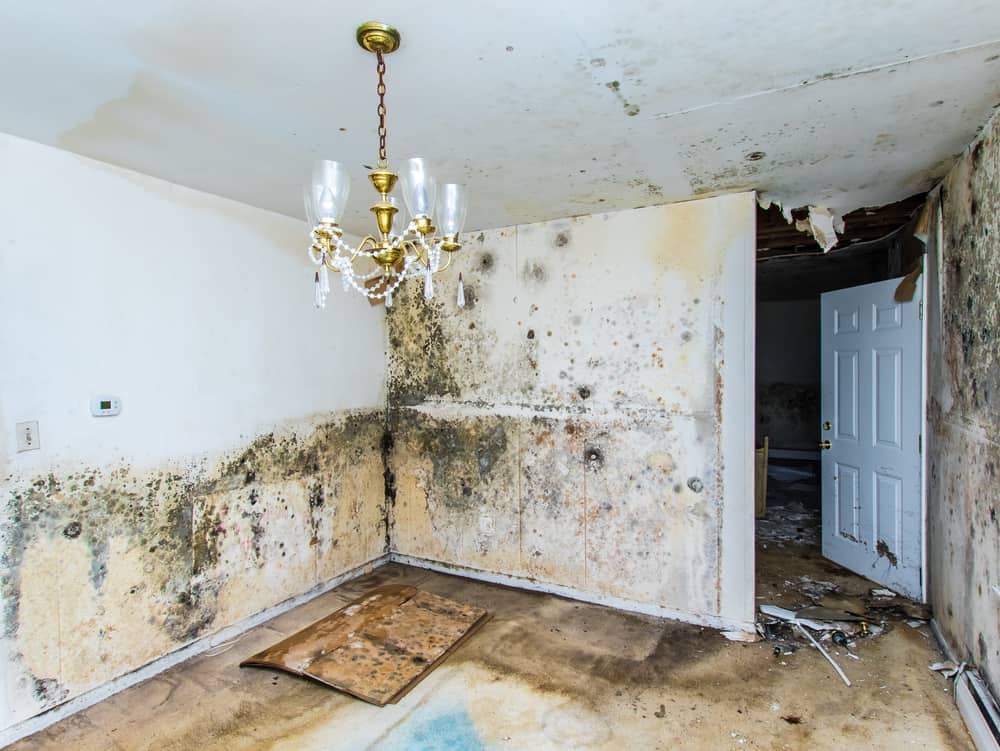
Ready to get started?
Mold Assessment Services Jamesport NY
Our mold inspection process covers five documented components: air testing for airborne spore counts, surface swab sampling, water intrusion identification, moisture level measurement, and photographic documentation of all mold sources. Every finding is captured in writing, with lab-verified results not field estimates, not subjective opinions.
Beyond the five core steps, we also include an internal and external mold particle comparison, infrared thermal imaging, a full damage assessment, and a written report with specific remediation recommendations. For seasonal property owners in Jamesport who may only be at their home on weekends or during summer months, that written report is also a practical tool something you can review remotely, share with your attorney or real estate agent, and act on with a clear scope of work already defined.
If the inspection reveals a remediation need, we handle that too from mold removal through any structural reconstruction required. For properties along Peconic Bay Boulevard in South Jamesport or in the older sections of the hamlet near the historic Meeting House district, that full-service capability matters. You’re not managing three different contractors on a property two hours from your primary residence. One licensed company, one clear process, start to finish.
How does Jamesport's coastal location affect mold risk in my home?
Jamesport sits between Peconic Bay to the south and Long Island Sound to the north, which keeps the surrounding air consistently humid especially during summer when the hamlet’s population swells with vacationers and the ambient moisture from nearby vineyards and farm irrigation adds to the baseline. When relative humidity stays above 60 percent for extended periods, mold can begin colonizing porous building materials like drywall, wood framing, and insulation within 24 to 48 hours.
For homes along the bay in South Jamesport, storm surge and coastal flooding during nor’easters introduce water directly into basements and crawl spaces and if that moisture isn’t professionally dried within 72 hours, mold growth is almost inevitable. Older homes in the area, including the Victorian-era cottages of Campground Circle and the mid-century ranches along the waterfront, were built without the vapor barriers and ventilation standards required in modern construction, which makes them significantly more vulnerable. A professional mold inspection accounts for all of these local conditions not just what’s visible on the surface.
What does a professional mold inspection actually include, and what does it cost?
A professional mold inspection includes a systematic walkthrough of the property, air sampling for airborne spore counts, surface swab collection, moisture level measurement, water intrusion identification, and photographic documentation. We also include infrared thermal imaging to detect hidden moisture behind walls and under floors which is not standard practice at every company, but is particularly important in the older housing stock common in Jamesport.
Nationally, professional mold inspections typically range from $300 to over $1,000 depending on the size and complexity of the property. For a home in Jamesport where median values exceed $700,000 and waterfront properties regularly reach $2 million or more, that cost is a small fraction of the financial exposure you’re managing. The inspection fee is also far less than the cost of remediating mold that’s been growing undetected for a full off-season which is a common scenario in seasonal properties that close up in fall and reopen in spring.
Can the same company inspect and then remediate the mold in my Jamesport home?
Under New York State Labor Law Article 32, which has been in effect since January 1, 2016, mold assessors and mold remediators must hold separate state-issued licenses. The law also generally prohibits the same company from performing both the assessment and the remediation on the same project with limited exceptions for very small mold areas under 10 square feet. This regulation exists specifically to protect homeowners from the conflict-of-interest scenario where a company “finds” mold in order to generate remediation revenue.
We hold both the NYS Mold Assessor License and the NYS Mold Remediator License and operate in full compliance with Article 32. In practice, this means the assessment is conducted and documented independently, with lab-verified results driving the remediation scope not a technician’s field judgment. If you’re hiring any mold company in the Jamesport or Riverhead area, you can verify their license status through the New York Department of Labor’s online contractor search before you commit to anything.
I only use my Jamesport home seasonally do I really need a mold inspection when I open it up?
Seasonal properties are actually among the highest-risk situations for undetected mold growth. When a home closes up in late fall with residual summer humidity still in the structure, and then sits unheated through winter, the temperature differential between the cold exterior walls and the interior air creates condensation particularly in attics, crawl spaces, and exterior-facing wall cavities. That condensation, combined with any moisture that entered during fall storms, gives mold everything it needs to develop quietly over several months.
By the time you return to open the property in spring, a mold colony that started small in October can be well-established by April. The musty smell you might notice when you first walk in isn’t just stale air it’s often the first sign of active mold. A mold inspection at the start of the season, before you bring furniture in, run the HVAC, or host guests, gives you a clean baseline and catches any problems before they become expensive remediation projects. For Jamesport property owners who may be managing the home from a distance, this is the most practical way to stay ahead of the issue.
What type of mold is most common in older Jamesport homes, and is any of it dangerous?
The most commonly found mold types in older Long Island homes include Cladosporium, Penicillium, Aspergillus, and in cases of prolonged moisture exposure, Stachybotrys chartarum which is what most people refer to as black mold. Stachybotrys requires sustained moisture over a long period to develop, which is why it tends to show up in homes that have had unaddressed water intrusion exactly the scenario that plays out in older Jamesport properties after coastal flooding or a winter of undetected condensation.
Not all mold is equally hazardous, but any active mold growth in a living space is a health concern particularly for older adults, children, and anyone with respiratory conditions or compromised immune function. Given that Jamesport’s median resident age is over 60, this isn’t a minor consideration. The only way to know what type of mold you’re dealing with and at what concentration is through lab-analyzed air and surface samples which is exactly what a professional mold inspection provides. A visual check alone won’t tell you what’s in the air.
Does homeowner's insurance cover mold inspection or remediation in Jamesport, NY?
Whether insurance covers mold in your Jamesport home depends on what caused it. If mold developed as a direct result of a covered water loss a burst pipe, sudden roof leak, or storm-related water intrusion your homeowner’s policy may cover both the remediation and related repairs. If the mold is the result of long-term humidity, deferred maintenance, or gradual moisture buildup, most standard policies will not cover it. Flood-related mold in South Jamesport properties, where storm surge is a real risk, typically falls under a separate flood insurance policy rather than standard homeowner’s coverage.
The documentation piece is where a lot of claims get complicated. Insurance carriers require specific evidence inspection reports, lab results, photographs, moisture readings before they’ll approve a claim. We handle all of that documentation from the initial inspection through project completion and serve as a direct liaison between you and your insurance company. For Jamesport homeowners dealing with a post-storm mold situation while also managing a claims process, having one company handle both sides of that equation removes a significant amount of pressure from an already stressful situation.
Useful Links
Other Services we provide in Jamesport