
Mold Inspection in Kensington, NY
Century-Old Homes on Manhasset Bay Hide More Than History
Hear from Our Customers
Residential Mold Detection Kensington NY
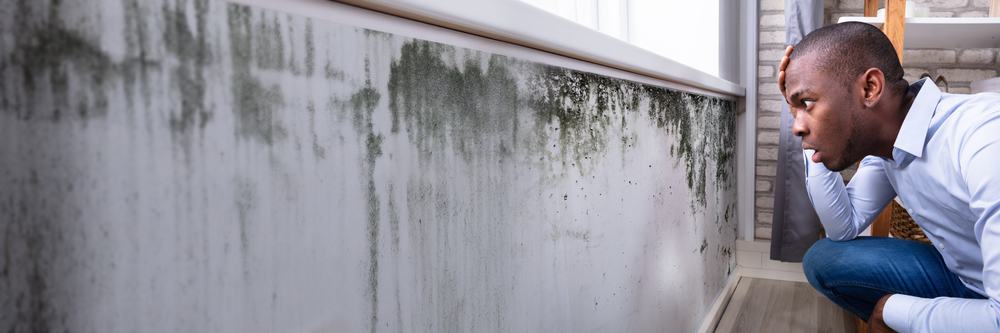
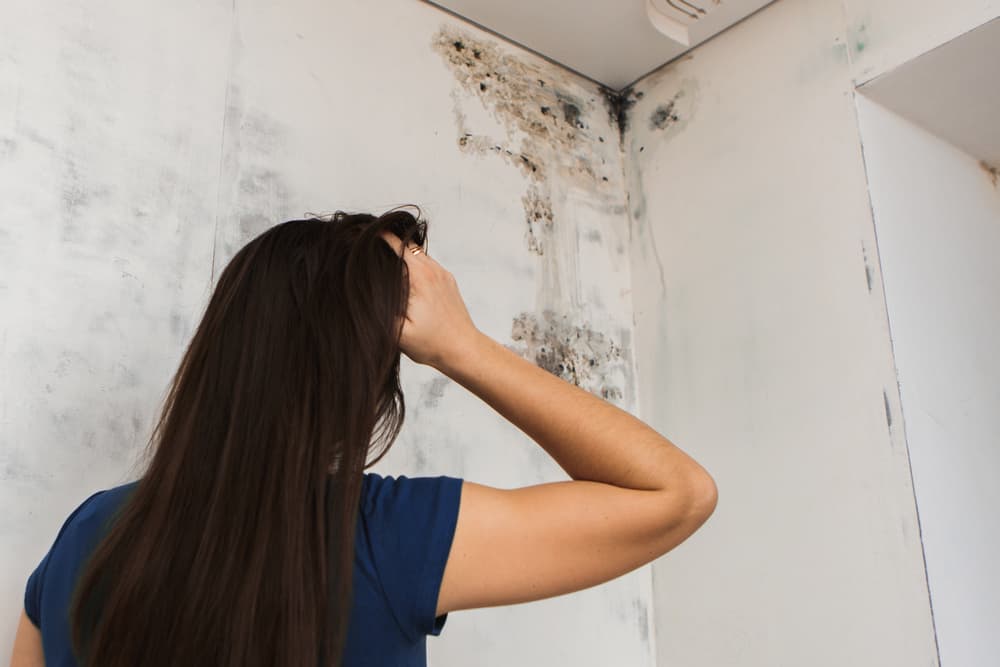
Most mold problems in Kensington aren’t visible. They’re behind the original plaster walls of a 1920s Tudor, tucked inside an attic that hasn’t been properly ventilated in decades, or quietly spreading across a basement foundation that’s been absorbing groundwater since before the village was incorporated. By the time there’s a smell or a stain, it’s already been growing for a while.
A thorough mold inspection gives you a clear, documented picture of what’s actually present not a guess, not a visual sweep, but lab-confirmed results that tell you the species, the concentration, and whether your indoor air quality is elevated above normal outdoor levels. That comparison matters here. Kensington sits on the Great Neck Peninsula, flanked by Manhasset Bay, and the ambient humidity that comes with that geography raises your outdoor baseline. We account for that not running a generic test designed for an inland suburb.
For homeowners navigating a purchase or sale in a market where median list prices run between $2.4 and $3.6 million, the written report you get from a certified mold assessment isn’t just peace of mind. It’s documentation that holds up with attorneys, lenders, and insurance carriers the kind of paperwork a transaction at this price point actually requires.
Licensed Mold Inspector Kensington NY
We’ve been serving Nassau and Suffolk Counties for over three decades, with deep roots in Kensington and the surrounding Great Neck Peninsula communities. Our owner, Richard Peterson, holds personal NYS Department of Labor licensure in both mold inspection and mold remediation and every technician we dispatch to your home carries individual IICRC certification. Not a company-level credential. Every person who walks through your door.
That distinction matters more than most people realize. It’s common in this industry for a company to advertise certifications while sending uncertified workers to the field. That’s not how we operate. When you call the Nassau County line at 516-698-1776, the team that shows up to your home on Beverly Road or anywhere else in Kensington is the same caliber as the name on the license.
We’re licensed, bonded, and fully insured meeting and exceeding the requirements under Article 32 of the NY Labor Law that has governed mold work in New York State since 2016. In a village that holds its service providers to a high standard, that’s the baseline. We’ve been clearing it for 31 years.
Mold Assessment Services Kensington NY
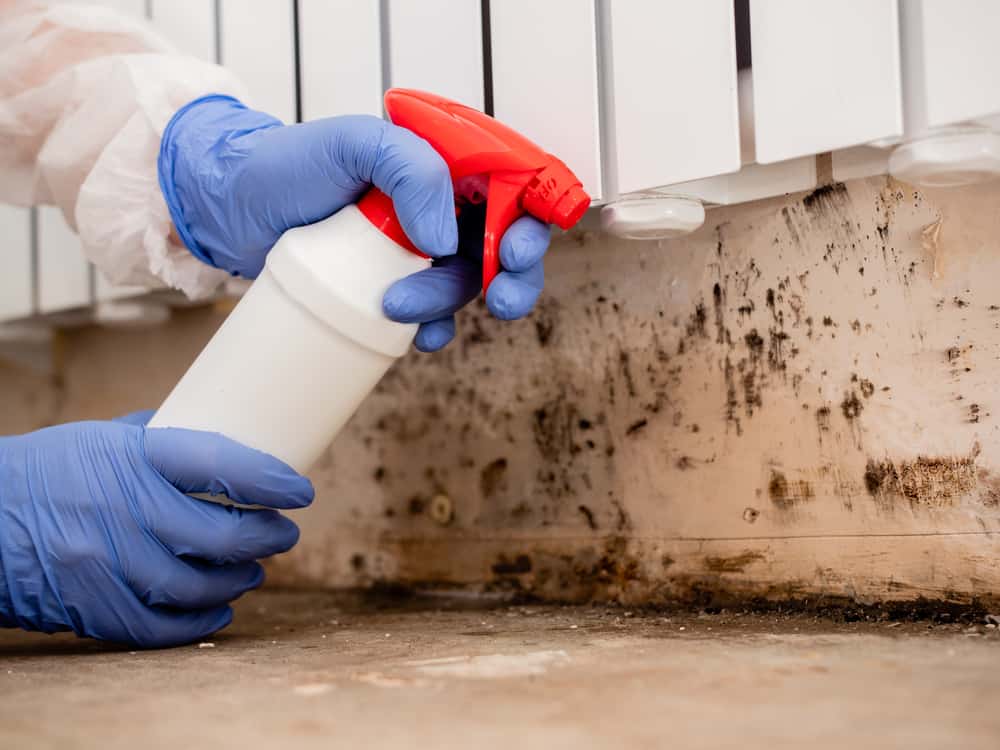
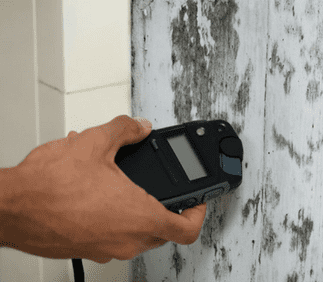
The inspection starts with air testing and swab surface sampling the foundation of any credible mold assessment. But what separates a thorough inspection from a surface-level walkthrough is what happens next. We measure moisture levels throughout the home, identify water intrusion points, and photograph and document every mold source. Then comes the part most inspectors skip: an internal-versus-external air particle comparison that establishes whether your home’s air quality is actually elevated above the outdoor baseline. In a coastal village like Kensington, where humidity off Manhasset Bay already raises that outdoor number, this comparison is the only honest way to interpret your results.
We use infrared camera technology to scan for hidden mold behind walls, beneath flooring, and inside attic cavities without opening anything up. For a home built in the 1910s or 1930s, this matters. Older construction holds moisture in ways modern building materials don’t, and mold colonies can grow for years inside original plaster-and-lath walls before they become visible. The infrared scan finds them without destructive access.
All samples go to a certified third-party laboratory. When results come back, you receive a written report that covers what was found, where it was found, and what remediation steps are specifically recommended for your property. If remediation is needed, we can move directly into that phase same company, same team, no hand-off to a separate contractor.
Ready to get started?
Indoor Air Quality Testing Kensington NY
A mold inspection in Kensington isn’t a quick visual check. The homes here are large, old, and built in an era before moisture management was a design consideration. Many sit on full basements with aging foundation waterproofing. Attics in homes from the 1920s and 1930s often lack the ventilation standards that prevent condensation buildup. Cast iron and galvanized plumbing standard in homes of this era corrodes slowly and creates the kind of slow, hidden leaks that feed mold colonies inside walls for months before anyone notices.
We cover all of it: air quality testing, surface sampling, moisture measurement, water intrusion assessment, infrared hidden mold detection, and full photographic documentation. Every sample is analyzed by a certified lab, and the written report you receive is formatted to satisfy the documentation requirements of real estate transactions, insurance claims, and, if it comes to it, legal proceedings. In Nassau County, where NYS DOL licensing has been required for all mold assessors since January 1, 2016, that report carries weight precisely because it comes from a licensed assessor not a handyman with a test kit.
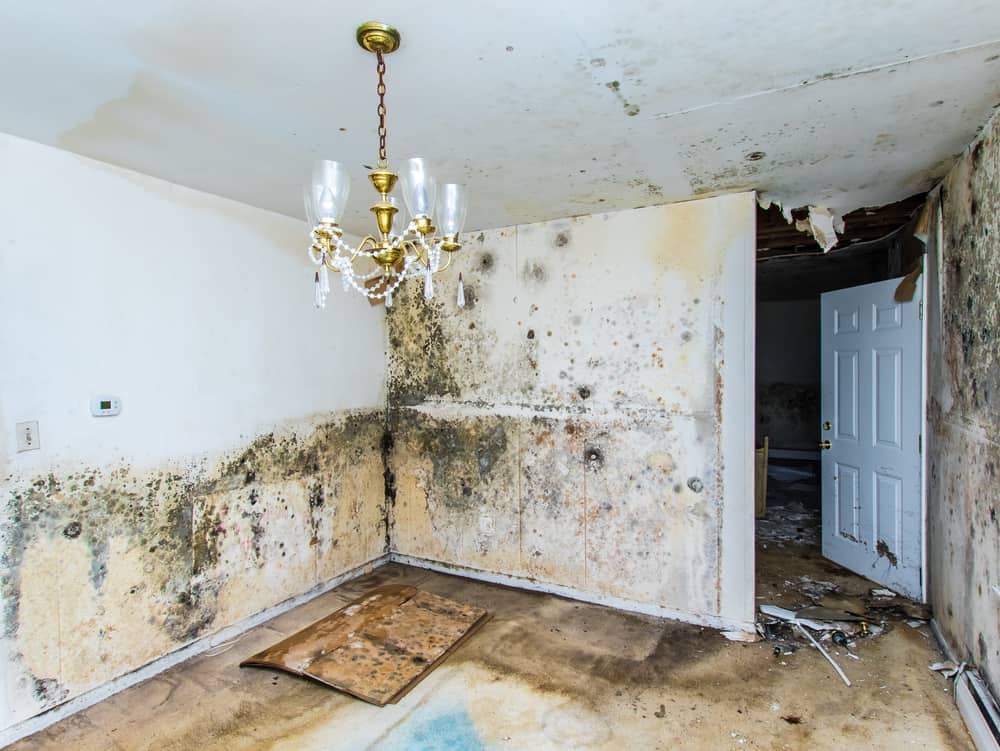
If the inspection reveals a problem, you don’t have to start over with a new company. We handle mold remediation and full property restoration under the same roof. The same team that found it can fix it and the remediation plan is built directly from the inspection findings, not handed off to someone who wasn’t there.
How much does a mold inspection cost for a home in Kensington, NY?
The national average for a professional mold inspection runs around $670, with most homes falling somewhere between $300 and $1,000 depending on size, age, and complexity. Kensington homes tend to land at the higher end of that range or above it. You’re dealing with large, older properties, often 3,000 to 6,000-plus square feet, built with construction methods that create more hidden moisture pathways than a newer home would. An attic inspection in a 1930s Tudor requires more time and more equipment than a quick scan of a postwar ranch.
What you’re paying for isn’t just the technician’s time on-site. It’s the lab analysis, the written report, the infrared scanning, and the air quality comparison that tells you whether your indoor levels are actually elevated not just whether mold is present somewhere. For a home worth $2 to $4 million, the cost of a thorough inspection is a small fraction of what a missed mold problem can cost in remediation, property value, or a failed real estate transaction.
What's the difference between mold testing and a full mold inspection?
Mold testing typically refers to collecting air or surface samples and sending them to a lab you get data on what’s present, but without the broader context of where it’s coming from or how bad the underlying problem is. A full mold inspection includes the testing, but it also includes moisture measurement, water intrusion assessment, infrared scanning for hidden colonies, and a written report with specific remediation recommendations. The difference is the difference between a lab result and an actionable plan.
For most Kensington homeowners, testing alone isn’t enough. If air sampling shows elevated spore counts in your home, you still need to know where they’re originating and in a home built in 1925, that could be anywhere from a failed roof flashing at a dormer to a basement foundation wall that’s been wicking groundwater for decades. A full inspection finds the source. Testing alone just confirms something is there.
Can mold grow in a Kensington home even if I don't see or smell anything?
Yes and in Kensington specifically, this is more common than most homeowners expect. The village’s homes are old, many dating back to the 1910s through 1940s, and they were built with materials and methods that absorb and retain moisture in ways modern construction doesn’t. Mold can grow inside original plaster-and-lath walls, beneath original hardwood floors, and in attic insulation that has been accumulating moisture for decades all without producing a visible stain or a detectable odor until the colony is well established.
The coastal proximity doesn’t help. Being bordered by Manhasset Bay means Kensington homes experience elevated ambient humidity year-round, which keeps interior moisture levels higher than they’d be in an inland community. Infrared camera scanning during a professional inspection is specifically designed to detect the heat signatures of moisture and mold growth behind surfaces finding what a visual inspection or a DIY kit simply cannot. If you’re in an older home on the Great Neck Peninsula and haven’t had a mold assessment done, the absence of visible signs isn’t the same as a clean bill of health.
Do I need a licensed mold assessor in New York, or can anyone do the inspection?
In New York State, anyone performing a mold assessment or remediation for compensation is legally required to hold a license issued by the NYS Department of Labor under Article 32 of the NY Labor Law. This has been in effect since January 1, 2016, and fines for unlicensed mold work can reach $10,000 per violation. That means the person inspecting your home not just the company name on the truck needs to hold a valid NYS DOL license.
This matters practically, not just legally. A written mold assessment report only carries weight with your insurance carrier, your real estate attorney, or a lender if it comes from a licensed assessor. An inspection done by an unlicensed contractor regardless of how thorough it looks won’t satisfy the documentation requirements for a real estate transaction or an insurance claim in Nassau County. Before you book anyone, ask for their NYS DOL license number and verify it. It takes 30 seconds and eliminates a significant risk.
What parts of a Kensington home are most likely to have a mold problem?
Basements are the most common problem area in Kensington’s housing stock. Full basements are standard in homes of this era and this geography, and the combination of a high water table on the Great Neck Peninsula, aging foundation waterproofing, and seasonal flooding from nor’easters and heavy summer storms creates persistent moisture conditions that mold thrives in. If you have a finished basement in an older home, there’s a reasonable chance moisture has found its way in at some point the question is whether mold has followed.
Attics are the second most common issue. Homes built in the 1920s and 1930s weren’t designed with the ventilation standards that prevent condensation buildup, and decades of temperature cycling between a heated interior and an uninsulated attic space creates the kind of repeated moisture exposure that produces mold in insulation and on roof decking. Bathrooms, kitchens, and any area around older plumbing are also high-risk zones cast iron and galvanized pipes corrode over time and develop slow leaks inside walls that can go undetected for months. We cover all of these areas systematically during a thorough inspection.
How long does a mold inspection take, and do I need to leave my home during it?
For a typical Kensington home which tends to be large, older, and multi-story a thorough mold inspection generally takes three to five hours. That accounts for air sampling in multiple areas, surface swabbing where warranted, moisture readings throughout the structure, infrared scanning of walls, ceilings, and attic spaces, and full photographic documentation of any findings. Smaller homes or more targeted inspections can run shorter, but if you’re doing this right on a century-old property, it takes time.
You don’t need to leave your home during the inspection. Most homeowners stay, and many find it useful to walk through with the technician especially in older homes where the history of the property (a past basement flood, a roof repair, a bathroom that’s always felt damp) can help the inspector focus on the right areas. Lab results from the samples collected typically come back within a few days, at which point you’ll receive your written report with findings and specific recommended next steps. If remediation is needed, that conversation happens based on what the lab actually confirmed not a sales pitch made on the spot.
Useful Links
Other Services we provide in Kensington