
Mold Inspection in Lake Ronkonkoma, NY
When the Water Table Rises, the Mold Follows
Hear from Our Customers
Basement Mold Testing, Lake Ronkonkoma
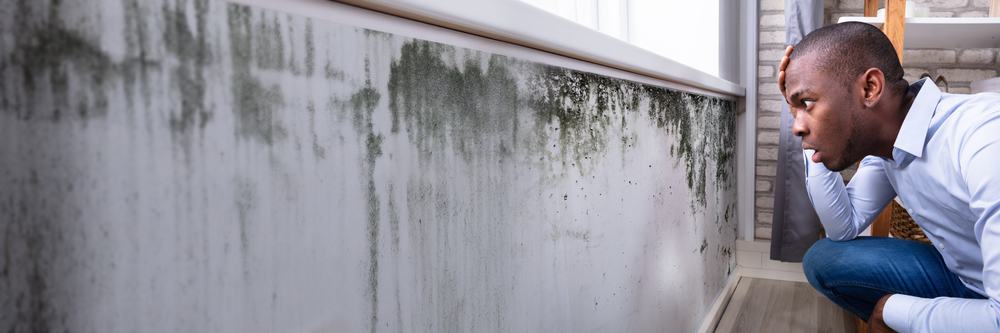
Lake Ronkonkoma sits on the largest freshwater lake on Long Island a glacially formed kettle lake with no surface outlet, meaning its water level rises and falls entirely with the underground water table. When that table climbs, the surrounding land saturates. Basement walls wick moisture inward. Crawlspaces stay damp for weeks. And mold starts growing in places you can’t see without professional equipment.
The homes throughout Lake Ronkonkoma make that risk even more real. A significant number of properties here were built before 1960 many of them former resort cottages and post-war ranches with aging waterproofing, older insulation, and drainage systems that weren’t designed for today’s water table fluctuations. That combination of older construction and a groundwater-driven moisture environment means mold can establish itself inside walls, beneath floors, and inside HVAC systems long before you ever notice a smell.
A professional mold inspection gives you documented answers not guesswork. You’ll know what species were found, where moisture is entering, how serious the growth is, and what needs to happen next. For a home worth over $500,000 in today’s market, that documentation isn’t optional. It’s the difference between catching a manageable problem and inheriting a structural one.
Licensed Mold Inspector, Lake Ronkonkoma NY
We’ve been serving Suffolk County homeowners for over three decades long before most of the mold inspection companies showing up in local search results were even in business. This isn’t a franchise. We’re a locally owned, independently operated company based in West Babylon, built on the kind of reputation that only comes from doing honest work in the same market for 31 years.
Every inspector on our team carries IICRC certification not just the lead, but everyone who enters your home. We hold both a New York State Mold Assessor license and a Mold Remediator license, which are legally required credentials under NY State law. These aren’t optional. They’re verifiable through the NY Department of Labor, and you should check them before hiring anyone.
From the older ranch homes near Lake Ronkonkoma’s eastern shore to the mid-century splits throughout the Sachem school district, we’ve inspected homes throughout this community. We know what moisture does to this specific housing stock and we know how to find it.
Mold Assessment Services, Lake Ronkonkoma NY
The inspection starts before anyone sets foot in your home. When you call the Suffolk County line at (631) 587-5300, you’ll talk through what you’ve noticed a musty smell after a wet spring, visible discoloration near the basement wall, or nothing obvious at all but a history of water intrusion. That context shapes where the inspection focuses first.
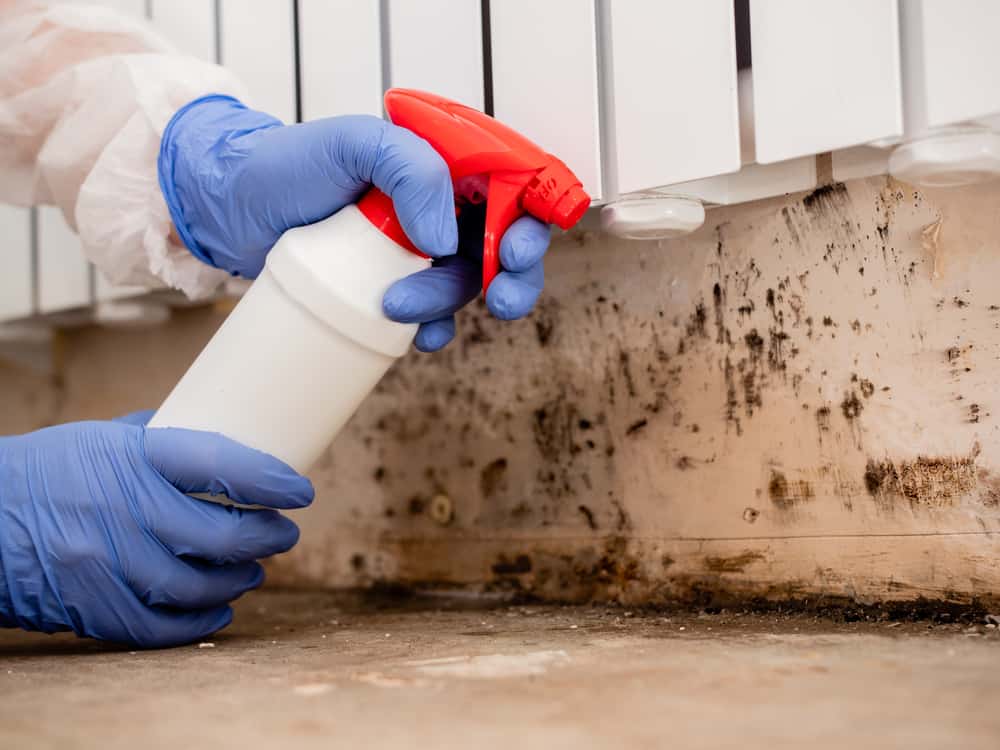
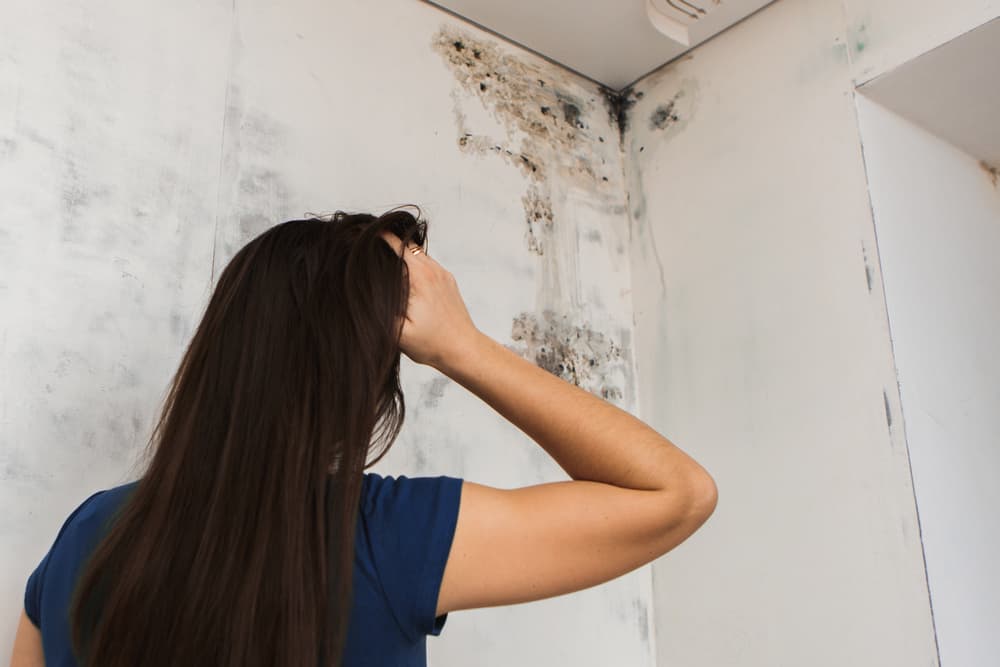
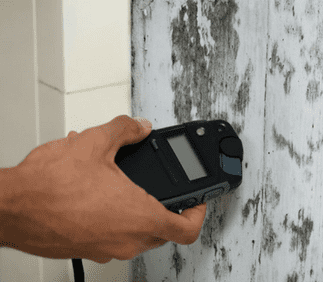
On-site, the process covers five documented points: air sampling to capture airborne spore concentrations, swab sampling from surfaces where growth is visible or suspected, a water intrusion inspection to identify where moisture is entering the structure, moisture level measurements throughout the affected areas, and full photographic documentation of every finding. For homes in Lake Ronkonkoma where the water table can shift significantly over time and older foundations are under persistent hydrostatic pressure the moisture mapping step often reveals the actual source of a mold problem that looks like it’s coming from somewhere else entirely. Infrared thermal imaging is also used to detect moisture and hidden mold activity inside wall cavities, beneath flooring, and in ceiling spaces that a visual inspection alone would miss.
Every air and surface sample is sent to an accredited, independent laboratory for analysis. When results come back, you receive a plain-language written report not a raw lab printout that tells you what was found, where it is, how serious it is, and what remediation steps are recommended. No jargon. No ambiguity.
Ready to get started?
Indoor Air Quality Testing for Mold, Lake Ronkonkoma
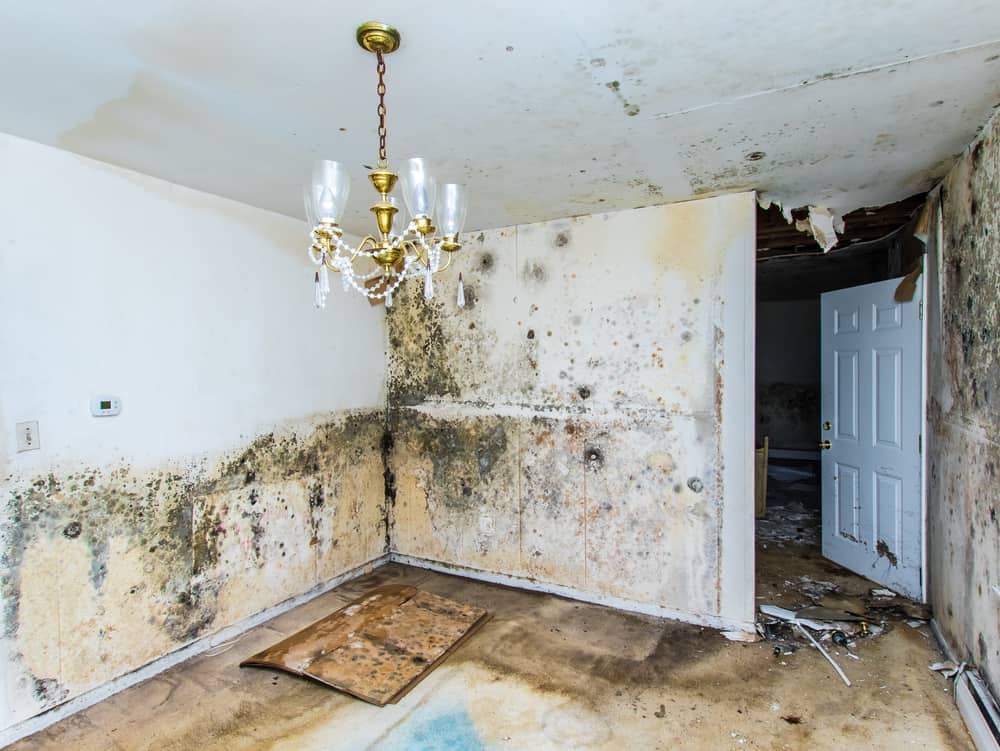
What sets our inspection apart isn’t just the five-point process it’s the fact that we can handle everything that comes after it. If the lab results confirm active mold growth, you don’t have to start over with a different contractor. The same licensed, insured team that found the problem can remediate it. If remediation requires removing damaged drywall, insulation, or structural framing which is common in Lake Ronkonkoma homes where groundwater infiltration has been ongoing we can rebuild it. Inspection, remediation, reconstruction. One company, one call, no handoff to an unknown subcontractor.
For homeowners navigating an insurance claim after a flooding event a sump pump failure, a nor’easter, a slow foundation leak we handle documentation and communication with your insurer from the first inspection through project completion. The moisture readings, mold classifications, photographic evidence, and lab-verified results are compiled with the precision that insurance adjusters require. That’s not a small thing when you’re already dealing with a stressful situation.
Whether you’re buying or selling a home near the lake, dealing with a basement that flooded last spring, or responding to unexplained respiratory symptoms that have been getting worse, the inspection process is the same: thorough, documented, and built around giving you a clear picture of what’s actually happening inside your home. That’s what a professional mold inspection in Lake Ronkonkoma, NY should deliver.
Why are Lake Ronkonkoma basements so prone to mold after heavy rain?
Lake Ronkonkoma’s flooding problem isn’t just about rain it’s about groundwater. The lake itself has no surface outlet and no stream feeding it. Its water level is controlled entirely by the underground water table, which means when the table rises whether from a wet season, a long-term climate shift, or both the surrounding land saturates from below. Basement walls in this area are under persistent hydrostatic pressure, and older foundations with aging waterproofing systems are especially vulnerable to that kind of slow, steady moisture infiltration.
What makes this particularly problematic for mold is that the moisture doesn’t announce itself dramatically. A sump pump failure or a visible flood gets attention immediately. But groundwater seeping through a foundation wall over weeks or months creates the kind of sustained dampness that mold thrives on often inside wall cavities and beneath flooring where you won’t notice it until the smell becomes undeniable. A professional mold inspection after any basement moisture event is the only way to know what’s actually taken hold inside your home’s structure.
How much does a mold inspection in Lake Ronkonkoma, NY typically cost?
A professional mold inspection in Lake Ronkonkoma, NY generally runs between $300 and $700 for a residential property, depending on the size of the home, the number of areas being tested, and whether laboratory analysis of air and surface samples is included which it should be. Be cautious of any inspection that doesn’t include accredited lab work. A visual assessment alone tells you what’s visible. Lab results tell you what’s actually in the air and what species you’re dealing with.
The more useful way to think about the cost is in context. The median home value in Lake Ronkonkoma is around $525,000. Mold that goes undetected and spreads through a basement or crawlspace can cost $3,000 to $30,000 or more to remediate and that’s before any structural repairs. Catching a problem early, with documented lab results, also puts you in a much stronger position if you’re filing a homeowner’s insurance claim. The inspection cost is a small number relative to what it protects.
Does New York State require a license to perform a mold inspection?
Yes and this is one of the most important things to verify before hiring anyone. Since January 1, 2016, New York State law has required all mold assessors, mold contractors, and mold abatement workers to hold official certification from the NY Department of Labor. These licenses must be renewed every two years and require demonstrated training and experience. Performing mold assessment or remediation work in New York without the appropriate license is illegal.
For homeowners in Lake Ronkonkoma, this matters practically because the hamlet spans two town jurisdictions Brookhaven and Smithtown and any remediation work involving structural repairs may require permits from the appropriate municipal department depending on where your property sits. A company that has been operating across Long Island for over 30 years understands this landscape. Before hiring any mold company, ask for their NY State Mold Assessor license number and verify it through the Department of Labor’s online contractor search. It takes two minutes and tells you a lot.
Can mold grow in my HVAC system without any visible signs on walls or ceilings?
Yes, and it’s more common than most homeowners realize. HVAC-related mold is one of the more difficult problems to catch because there’s nothing to see no discoloration, no visible growth just a musty smell coming from the vents, or sometimes not even that. The mold colonizes inside ductwork, air handlers, and coil compartments, and the system then circulates spores throughout every room in the house every time it runs.
In Lake Ronkonkoma, this is a documented local concern. The combination of Long Island’s humid summers with warm, moisture-laden air from both Long Island Sound to the north and the Atlantic to the south and older HVAC systems in mid-century homes creates conditions where condensation inside ductwork goes unaddressed for years. Air sampling during a professional mold inspection captures airborne spore concentrations that reveal HVAC contamination even when nothing is visible. If you’ve noticed unexplained allergy symptoms or a persistent musty odor that doesn’t have an obvious source, the HVAC system is one of the first places worth checking.
Should I get a mold inspection before buying a home near Lake Ronkonkoma?
Strongly recommended especially for homes built before 1980, homes within a few blocks of the lake, or any property with a basement or crawlspace. The water table dynamics in Lake Ronkonkoma are unlike most other communities on Long Island. Because the lake’s level is tied directly to the underground water table, the surrounding land has experienced significant groundwater fluctuations over the decades. A home that shows no current signs of water damage may have a long history of moisture intrusion that has never been professionally assessed.
A pre-purchase mold inspection gives you lab-verified documentation before you close not a verbal opinion from a general home inspector, but actual air and surface sample results from an accredited laboratory. If mold is found, you have documented evidence to negotiate with. If the inspection comes back clean, you have peace of mind and a written record that the home was professionally assessed before you took ownership. For a property worth $500,000 or more, that documentation is worth every dollar of the inspection cost.
What's the difference between a mold inspection and mold remediation do I need both?
A mold inspection is the assessment it identifies whether mold is present, what type it is, where it’s located, and what moisture source is feeding it. Mold remediation is the removal and treatment process that follows a confirmed finding. Under New York State law, these two functions are actually required to be performed by separately licensed professionals a licensed mold assessor conducts the inspection and writes the remediation protocol, and a licensed mold remediator carries out the work. This separation exists specifically to protect homeowners from conflicts of interest.
We hold both licenses, which means we can handle the full scope but the assessment and remediation are conducted as distinct, documented phases with independent lab verification at each stage. If you’ve already had remediation done by another contractor and want to confirm the work was completed correctly, a post-remediation clearance inspection is also available. This is a separate air sampling process that compares indoor spore levels against outdoor baseline readings to verify that the remediated space has returned to acceptable levels. It’s the only objective way to confirm that a remediation job was actually successful.
Useful Links
Other Services we provide in Lake Ronkonkoma