
Mold Inspection in Lattingtown, NY
Gold Coast Estates Deserve More Than a Flashlight and a Guess
Hear from Our Customers
Residential Mold Detection in Lattingtown
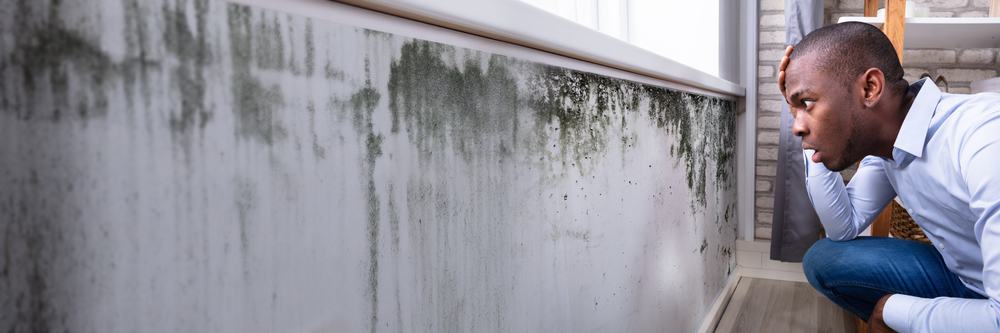
Most homeowners in Lattingtown don’t find mold mold finds them. It shows up behind the original plaster in a 1920s estate, inside an attic that hasn’t been properly ventilated in decades, or beneath a finished basement floor that’s been quietly absorbing groundwater since the last heavy rain. By the time there’s a visible sign, the problem is usually well past its starting point.
A professional mold inspection in Lattingtown, NY gives you a clear picture of what’s actually happening inside your home not just what’s visible from the doorway. You’ll know which areas have active mold growth, which have moisture conditions that are heading that direction, and what the air quality looks like compared to the outside baseline. That’s the difference between guessing and knowing.
For properties along Frost Creek or in the Lands End enclave, where tidal humidity and coastal air are a constant, that kind of certainty matters. The same goes for homes in Lattingtown Ponds or anywhere with older construction because large, complex properties with multiple structures, crawl spaces, and original building materials are exactly where mold hides most effectively. You walk away from this inspection with a certified lab report, documented findings, and a clear path forward.
Mold Inspection Company Serving Lattingtown, NY
We’ve been working in Nassau and Suffolk County for over three decades. That’s not a tagline it means we’ve been inside the kinds of homes that make up Lattingtown: pre-war estates with original plaster, large attic spaces that haven’t been touched in years, and basements that were built long before anyone thought much about vapor barriers. We know what Long Island’s coastal climate does to older construction over time.
Richard Peterson, our owner, holds a New York State license for both mold inspection and mold remediation under Article 32 of the Labor Law. Every technician on our team carries IICRC certification not just leadership. We’re fully licensed, bonded, and insured, and we serve Lattingtown through our Nassau County line at 516-698-1776.
If mold is found and remediation is needed, we handle that too. You won’t be handed off to a second company or left to coordinate between vendors on a property this size.
Our Mold Assessment Process in Lattingtown
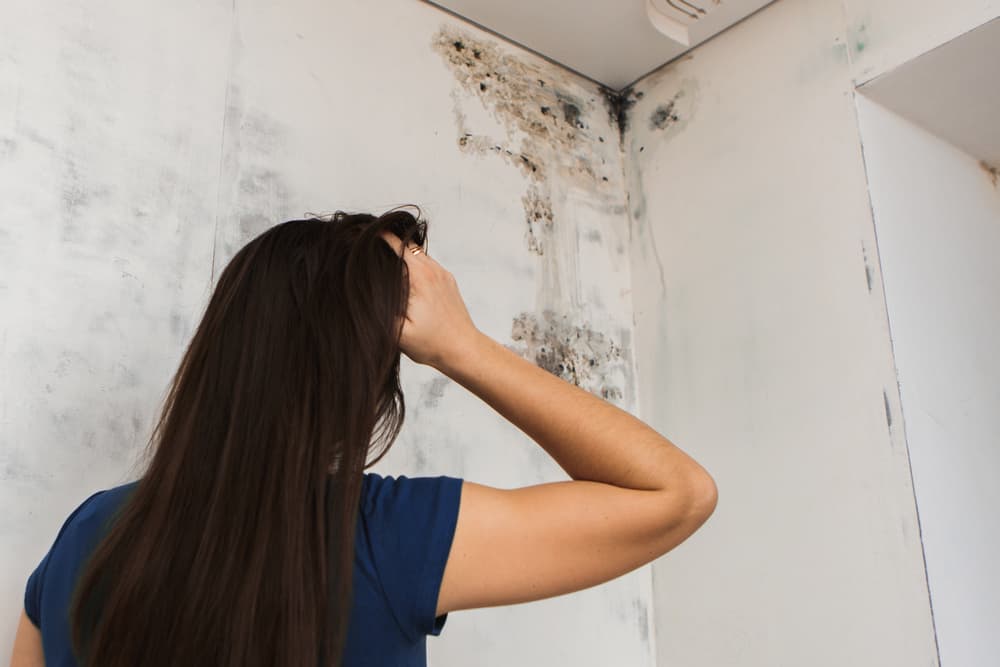
When we arrive at your Lattingtown property, we don’t start with assumptions. We start with a full walkthrough the main residence, any outbuildings, the attic, the basement, crawl spaces, and any areas where water has previously intruded or where moisture is likely to collect. For estate-scale properties, that scope matters. A single air sample from the living room tells you almost nothing about what’s happening in a carriage house attic or behind the walls of a finished lower level.
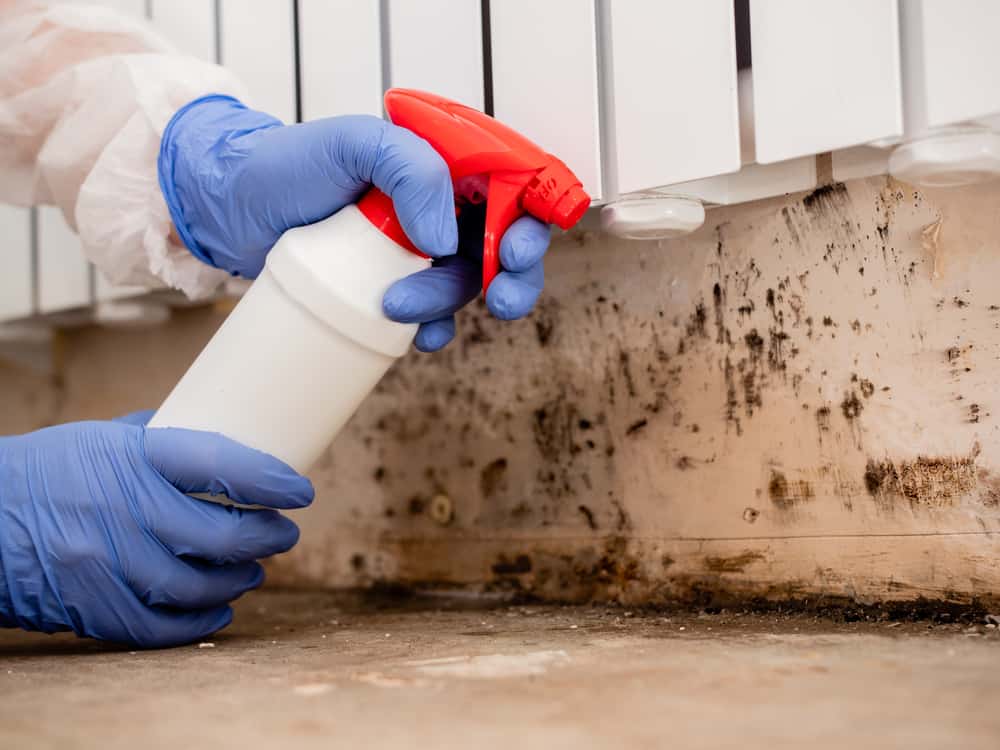
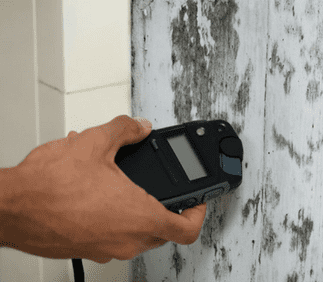
From there, we collect air samples from inside the home and compare them against an outdoor baseline. We take surface swabs in areas where visible growth or staining is present. We use infrared scanning technology to detect temperature differentials inside walls and ceilings the kind of hidden moisture that a visual inspection simply cannot find. Moisture meters confirm the readings. Every sample goes to a certified laboratory for analysis, not an in-house judgment call.
In Lattingtown, where a significant portion of homes were built before 1950 and where coastal humidity from Long Island Sound keeps ambient moisture elevated year-round, this layered approach isn’t optional it’s the only way to get accurate results. Once the lab results come back, you receive a written report with findings, mold species identification where applicable, and specific recommended next steps. If remediation is needed, we’re already equipped to handle it.
Ready to get started?
Mold Testing and Indoor Air Quality in Lattingtown
Our mold inspection in Lattingtown, NY covers the full scope air sampling, surface swab testing, infrared thermal scanning for hidden moisture, moisture level measurement throughout the property, and a certified lab report with results you can actually use. This isn’t a general wellness check. It’s a documented assessment that holds up with your insurance carrier, your real estate attorney, and any contractor who needs to understand the scope before work begins.
For homeowners going through a pre-purchase or pre-sale process in Lattingtown where homes can sit on the market for months and transactions at this price point involve serious due diligence the inspection report is often the document that either clears the deal or defines exactly what needs to be addressed before closing. We’ve seen both sides of that conversation, and a clean, thorough report from a licensed assessor makes a real difference.
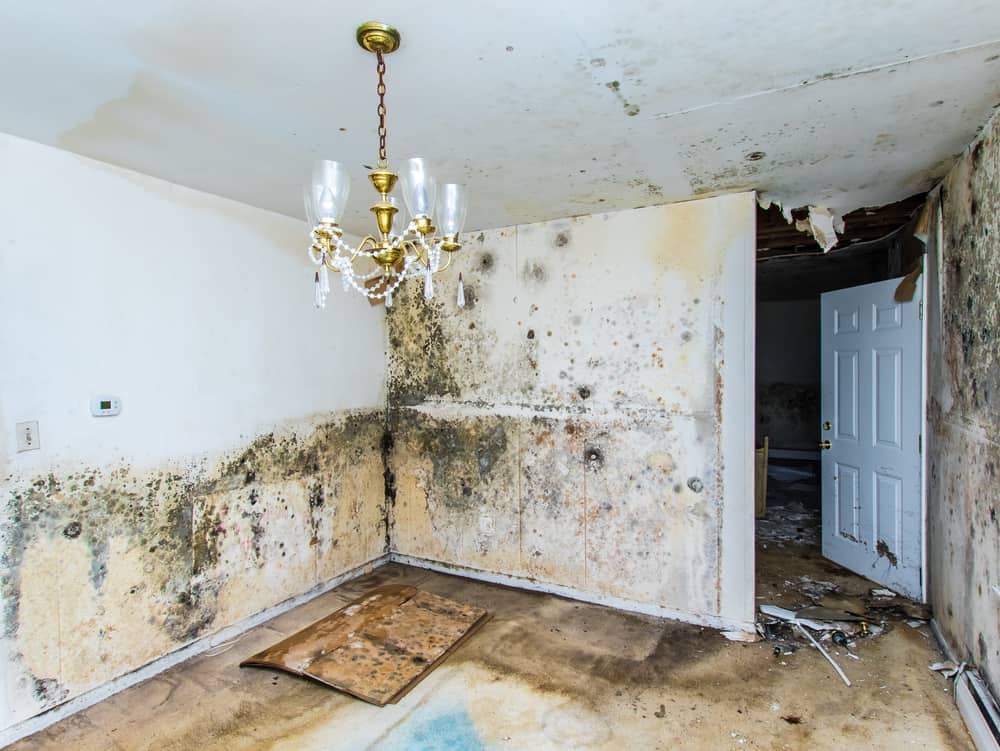
If you’re dealing with a post-storm situation, a renovation that uncovered something unexpected, or a home that’s been vacant for a stretch and you’re not sure what developed while no one was watching this inspection gives you the full picture. All mold work in New York State must be performed by a licensed professional under Article 32 of the Labor Law. We meet that requirement, and any remediation work on your Lattingtown property will be coordinated with village building requirements as applicable.
How much does a mold inspection cost for a large Lattingtown estate?
Mold inspection costs nationally tend to run between $300 and $1,000 for a standard single-family home. But Lattingtown properties aren’t standard. When you’re dealing with a multi-structure estate a main residence plus a carriage house, pool house, or guest cottage the scope of the inspection expands accordingly. Each structure needs its own air samples, its own moisture assessment, and its own infrared scan to give you an accurate picture.
The honest answer is that the cost depends on the size and complexity of what we’re inspecting. What doesn’t change is what you’re getting: certified lab analysis, a detailed written report, and findings from a fully licensed mold assessor not an opinion from someone with a flashlight and a moisture reader they bought online. For a property worth $1 million to $5 million or more, the inspection cost is a small line item compared to what an undetected mold problem can do to a transaction, a renovation, or a long-term remediation bill.
Does New York State require a licensed mold inspector, or can anyone do this work?
Yes New York State is one of the most regulated states in the country when it comes to mold work. Under Article 32 of the Labor Law, anyone performing a professional mold assessment or mold remediation must hold a license issued by the NYS Department of Labor. The law went into effect in January 2016, and fines for unlicensed work can reach $10,000. That’s not a technicality it means that an inspection report from an unlicensed provider has no legal standing, and any remediation work they recommend or perform is legally unprotected.
For Lattingtown homeowners, this matters in a very practical way. If you’re filing an insurance claim, going through a real estate transaction, or managing a remediation project on a high-value property, the licensing of the company you hire determines whether your documentation holds up. We hold the required NYS DOL licenses for both mold assessment and remediation. That’s the baseline and it’s one that not every company advertising in Nassau County actually meets.
How do I know if my older Lattingtown home has hidden mold I can't see?
This is one of the most common situations we encounter in Lattingtown. Homes built before 1950 and roughly a third of the village’s housing stock falls into that category were constructed with materials and methods that predate modern moisture management. Original plaster walls are highly absorbent. Attic insulation from that era can hold moisture for extended periods. Basements without modern waterproofing or vapor barriers are constantly exposed to Long Island’s naturally high water table, especially during wet seasons or after nor’easters push water into low-lying areas.
The signs that something may be happening include a persistent musty odor in certain rooms, unexplained respiratory symptoms that improve when you leave the house, visible water staining on ceilings or walls, or a history of basement flooding or roof leaks. But the absence of visible signs doesn’t mean the absence of mold. That’s exactly why infrared scanning and air sampling exist they find what’s growing inside wall cavities and behind original finishes without tearing anything open unnecessarily. If your home is older and has had any water intrusion history, a professional mold inspection in Lattingtown, NY is the only way to know for certain.
What's the difference between mold inspection and mold testing are they the same thing?
They’re related but not the same thing, and the distinction matters when you’re deciding what you actually need. A mold inspection is a comprehensive assessment it includes a physical walkthrough, moisture mapping, infrared scanning, and an evaluation of conditions throughout the property. Mold testing refers specifically to the collection and laboratory analysis of air or surface samples to identify the presence, type, and concentration of mold spores.
A proper mold inspection in Lattingtown, NY includes both. The inspection tells us where to look and what conditions are present. The testing gives us lab-confirmed data on what’s actually in the air and on surfaces. Some companies offer testing-only services they drop air canisters, send them to a lab, and hand you a number. That number without the contextual inspection behind it is often difficult to interpret and doesn’t tell you where the source is or what’s driving it. For complex properties like those in Lattingtown, you need both the physical assessment and the certified lab results together to make any informed decision about next steps.
Can mold grow in a Lattingtown home that doesn't have visible water damage?
Yes, and it’s more common than most homeowners expect. Mold doesn’t require a flood or a burst pipe to get started it needs moisture above roughly 60% relative humidity sustained over time, and a surface to colonize. On Long Island’s North Shore, where Lattingtown sits directly adjacent to tidal waterways like Frost Creek and Mill Neck Creek, ambient coastal humidity regularly creates those conditions without any visible water event at all.
In practice, this means mold can develop inside wall cavities where outdoor humid air meets a cooler interior surface, in attic spaces where inadequate ventilation traps moisture-laden air, or beneath flooring where minor condensation has accumulated over years. Seasonal temperature swings between Lattingtown’s summer highs in the low 80s and January lows in the mid-20s create significant temperature differentials inside older walls exactly the conditions where condensation forms and mold takes hold. You don’t need a dramatic water event for a real mold problem to develop. A professional mold inspection with infrared scanning is the only reliable way to find it.
What happens after the mold inspection what are my next steps if mold is found?
If the inspection finds mold, the report will tell you the species identified, the spore concentration levels, the likely moisture source, and the recommended scope of remediation. From there, the decision on how to proceed is yours but you’ll be making it with actual data instead of a contractor’s estimate based on a visual guess.
One thing worth knowing: New York State’s Article 32 law requires that the company performing the mold assessment and the company performing the remediation be operating under separate licenses. We hold both. That means we can take you from inspection through remediation and full restoration without handing you off to a third party which matters significantly when you’re managing a large Lattingtown property and don’t want to coordinate multiple vendors through a process that needs to move in sequence. If remediation is needed, we’ll walk you through the scope, the timeline, and what the property will look like when the work is complete. Any remediation work will be coordinated in compliance with Lattingtown village requirements and applicable Nassau County regulations.
Useful Links
Other Services we provide in Lattingtown