
Mold Inspection in Malverne, NY
Malverne's Old Homes Hide Mold Better Than Most

Hear from Our Customers
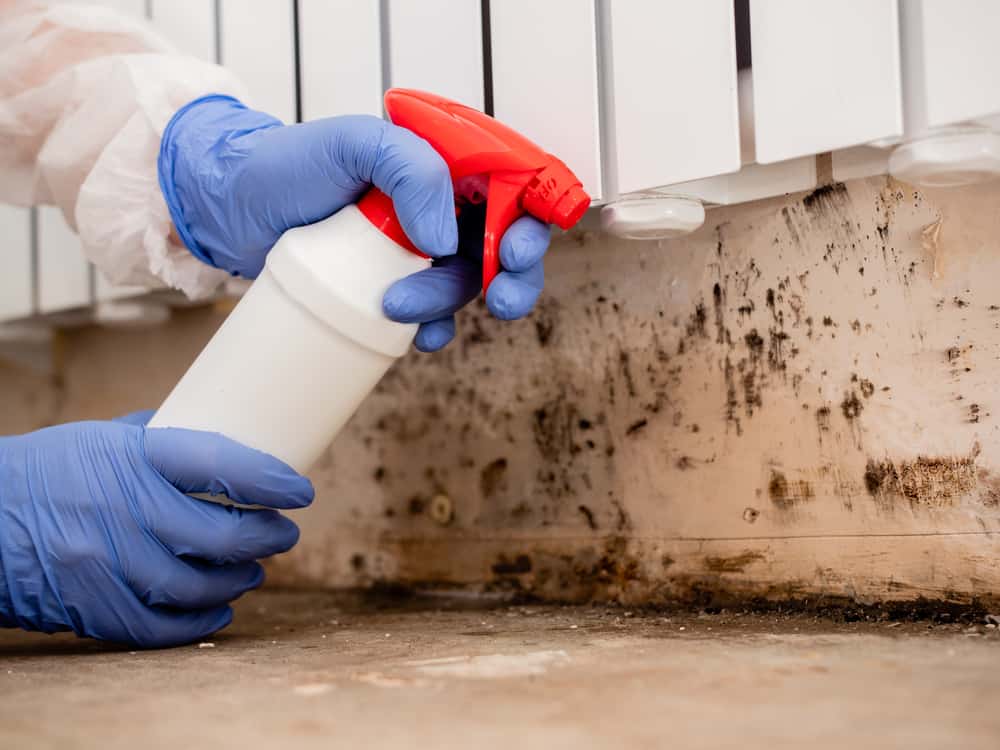
Residential Mold Inspection, Malverne NY
Malverne’s housing stock is old most of it built in the 1920s and 1930s, with plaster walls, original wood framing, and plumbing that’s been quietly aging for close to a century. That kind of construction doesn’t show you moisture. It hides it. By the time you smell something in the basement or notice a family member’s allergies getting worse, the problem behind the wall has usually been there for a while.
A professional mold inspection in Malverne, NY gives you a clear, documented answer not a guess. You’ll know exactly what species are present, what the concentration levels are, and where the moisture source is driving the growth. That information changes everything: your next conversation with your contractor, your insurance adjuster, your real estate attorney, or your doctor.
Malverne’s documented high water table means basement moisture isn’t a one-time event it’s a recurring condition that needs to be understood, not just dried out and forgotten. When you have certified lab results and a written report in hand, you’re not reacting anymore. You’re making informed decisions about a home you’ve invested real money in.
Licensed Mold Assessment Company, Malverne NY
We’ve been serving Nassau and Suffolk County homeowners since the early 1990s. That’s three decades of mold inspection work in South Shore communities including the pre-war homes, high water table conditions, and coastal storm exposure that define what Malverne homeowners deal with year after year. Our owner, Richard Peterson, holds a personal New York State license for both mold assessment and mold remediation which matters, because under NYS Article 32, any paid mold work in this state requires a current DOL license. No exceptions.
Every technician on our team is IICRC-certified not just the owner, not just senior staff. The person who shows up at your door on Hempstead Avenue or Norwood Avenue has met the same credentialing standard as the person who answered your call. That consistency isn’t common in this market, and it’s one of the reasons Malverne homeowners keep calling our Nassau County line: 516-698-1776.
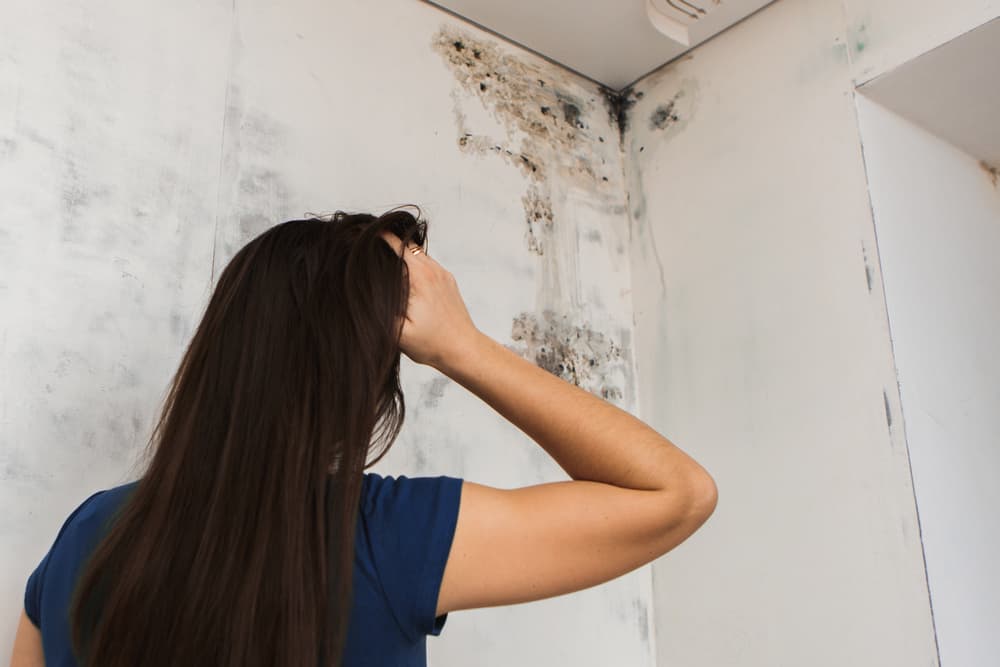
Mold Detection Services in Malverne, NY
The inspection starts with a full walkthrough of the areas of concern basement, attic, crawl spaces, around windows, anywhere water has been or could be getting in. In Malverne’s pre-war homes, that walkthrough often turns up more than the original call was about. Plaster walls trap moisture in ways that drywall doesn’t, and original wood framing holds water long after the surface looks dry.
From there, our team collects air samples and surface swab samples, measures moisture levels throughout the home, and uses infrared thermal imaging to detect hidden moisture behind walls and under floors without opening anything up. That infrared step is especially important in homes built before 1940, where the construction methods create cavities that standard visual inspection simply cannot reach.
Every sample goes to a certified laboratory. You get a full written report with mold species identification, spore concentration levels, an internal-versus-external air comparison to establish a baseline, and specific remediation recommendations tied to what the lab actually found. Because we’re also a fully licensed remediation contractor, the report you receive isn’t a hand-off to another company it’s the foundation of a complete plan, handled by one team from start to finish. And because New York State requires all mold assessors to carry a current NYS DOL license, you’ll want to confirm that credential before any inspector sets foot in your home.
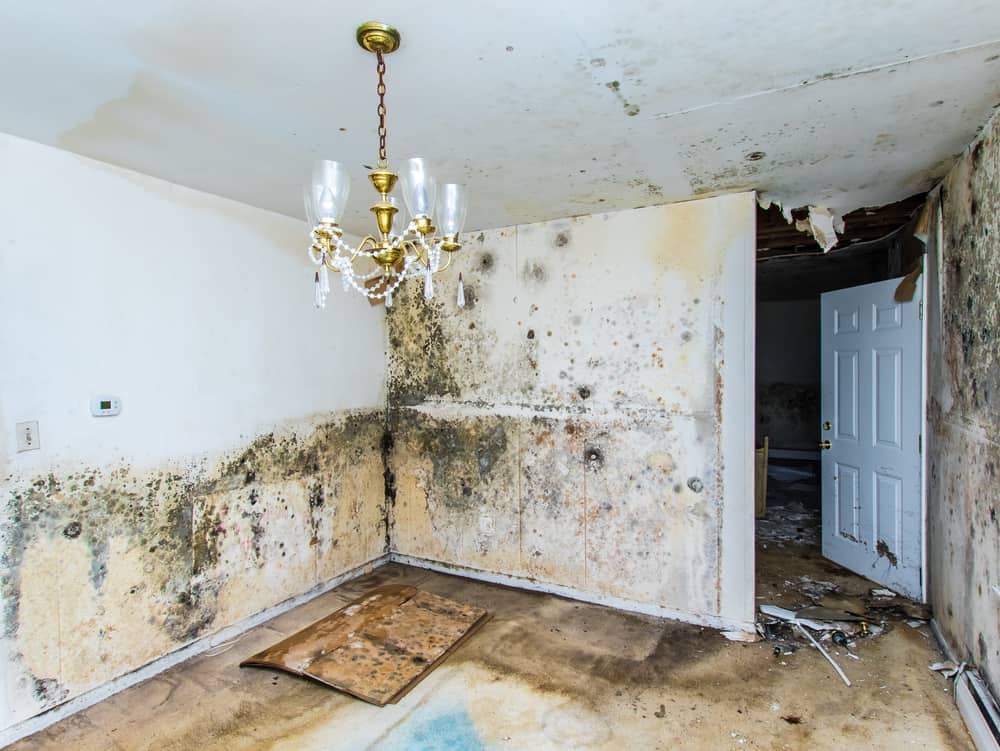
Ready to get started?
Professional Mold Inspector in Malverne, NY
Mold inspection in Malverne, NY covers the full picture not just a visual scan and a verbal opinion. Our five-point inspection protocol includes air testing, surface swab sampling, water intrusion assessment, moisture level measurement, infrared thermal imaging, photographic documentation of all mold sources, and a certified laboratory analysis with a written report you can hand directly to your insurance company, real estate attorney, or contractor.
The infrared component isn’t optional here. Given Malverne’s clay soil conditions, persistent high water table, and the age of the housing stock, moisture routinely hides behind plaster walls and under original flooring in ways that only thermal imaging can detect without tearing anything apart. That’s not an upsell it’s the only way to do this inspection honestly in a home built in this era.
For homeowners navigating a post-storm claim, a pre-purchase inspection, or a water damage situation following a sump pump failure or burst pipe, the written report is what moves the process forward. Insurance adjusters in Nassau County require documented evidence mold species, concentration levels, source identification before approving a mold-related claim. Our reports are built to meet that standard. If remediation is needed after the inspection, that work is handled by the same licensed, IICRC-certified team no handoffs, no coordination gaps, one point of contact through the entire process.
How much does a mold inspection cost for a home in Malverne, NY?
Mold inspection costs in Malverne, NY typically fall between $300 and $1,000 depending on the size of the home, the number of areas being tested, and whether infrared thermal imaging and laboratory analysis are included. For a pre-war home in Malverne which often means plaster walls, original framing, and a basement that’s dealt with decades of water table pressure a thorough inspection that includes air testing, surface sampling, infrared scanning, and certified lab results will land closer to the middle-to-upper end of that range.
That cost reflects what a complete inspection actually requires. A cheap visual walkthrough without lab analysis isn’t a mold inspection it’s a guess. The written report with certified lab results is what your insurance company, real estate attorney, or contractor will actually need, and cutting corners on the inspection process means you may end up paying for a second one. When your home is worth close to or above the Malverne median of $652,000, the inspection cost is a small fraction of what’s at stake.
Is there a conflict of interest when the same company does inspection and remediation?
It’s a fair question, and one worth asking directly. The concern is that a company doing both inspection and remediation has a financial incentive to find mold whether it’s there or not. That concern is legitimate but it applies to any inspector, not just ones who also do remediation. A solo home inspector with no remediation services can still overstate a finding to justify their fee.
What actually protects you is the process. Our inspection results are backed by certified laboratory analysis not internal judgment calls. The lab report either shows elevated mold levels or it doesn’t. That documentation is what drives the remediation recommendation, and it’s the same documentation your insurance company or real estate attorney will review independently. After 31 years of building a reputation on Long Island, a dishonest inspection report isn’t a business model it’s a liability. The written, lab-certified output of every inspection is designed to be reviewed, challenged, and verified by anyone who needs to see it.
What are the most common places mold hides in Malverne homes?
In Malverne specifically, the most common locations are basements, attics, and the interior cavities of plaster walls particularly in homes built between the 1920s and 1940s, which make up a significant portion of the village’s housing stock. The high water table that Malverne has dealt with since its earliest days of residential development means basements are the first place to look. Chronic moisture intrusion even slow seepage rather than outright flooding creates the sustained damp conditions that mold needs to colonize.
Attics are the second most common problem area, especially in older homes where the original insulation has deteriorated and roofline integrity has been compromised over decades. Ice dams in winter months can push water under shingles and into attic framing, and that moisture often sits undetected for months. Behind plaster walls near bathrooms, kitchens, and around window frames is the third area original plumbing in homes of this age is prone to slow leaks that go unnoticed for years before the mold makes itself known through smell or air quality symptoms.
Do I need a mold inspection before buying a house in Malverne, NY?
If you’re buying a home in Malverne, a dedicated mold inspection is worth doing separately from your standard home inspection. General home inspectors are trained to identify visible signs of moisture and mold, but they’re not licensed mold assessors, and they typically don’t collect air samples or send anything to a lab. What you get from a home inspection is a flag what you need before closing is a documented answer.
Malverne’s pre-war housing stock is a specific risk factor that buyers should take seriously. A home built in 1932 with original plumbing, a plaster-wall interior, and a basement that’s managed a high water table for 90 years has had a lot of time and opportunity to develop mold in places a standard inspection won’t reach. A certified mold inspection with lab results gives you the documentation to negotiate repairs before closing, request remediation as a condition of sale, or make an informed decision about whether to proceed. In a market where homes regularly transact near or above $650,000, that information is worth having before the deal closes not after.
How quickly can mold grow after a flood or water damage in Malverne?
Mold can begin growing within 24 to 48 hours of a water intrusion event and in Malverne’s climate, that window matters. The South Shore’s ambient humidity is consistently higher than inland Nassau County communities, which means conditions after a flooding event are already favorable for rapid mold growth. A sump pump failure, a burst pipe during a winter freeze, or basement flooding after a heavy storm can go from a water problem to a mold problem faster than most homeowners expect.
The critical mistake people make is waiting to see if mold develops before calling for an inspection. By the time mold is visible or you can smell it, the colonization is already well established often behind walls or under flooring where drying efforts never reached. If your Malverne home has experienced any water intrusion event, the right move is to get a professional mold assessment done promptly, even if the surface looks dry. We’re available 24 hours a day, 7 days a week, and dispatch certified technicians quickly because in a mold situation, the timing of the inspection directly affects the scope of the remediation.
What makes mold inspection in Malverne different from other Nassau County towns?
Malverne has a combination of factors that make mold risk more specific and in some ways more persistent than in many surrounding communities. The village’s own documented history references a high water table that caused flooded basements from the very first days of residential construction in the 1920s. Sites had to be pumped for days before foundations could be laid, and completed homes experienced basement flooding during heavy rain. That condition hasn’t gone away it’s been a feature of Malverne’s geography for over a century.
Layer onto that the age of the housing stock predominantly pre-World War II construction with plaster walls, original wood framing, and aging plumbing and you have a community where mold risk isn’t just possible, it’s structurally baked in. Nassau County’s clay soil compounds the issue by slowing drainage and sustaining water pressure against foundations long after a rain event ends. Postwar communities like Levittown or East Meadow were built with different materials, different drainage assumptions, and a different era of building code. Malverne is its own situation, and a mold inspection here should be done by someone who understands that not someone applying a generic Long Island checklist to a 90-year-old home on a high water table.
Useful Links
Other Services we provide in Malverne