
Mold Inspection in Massapequa, NY
When Your Home Sits on a Canal, Hidden Mold Isn't a Maybe
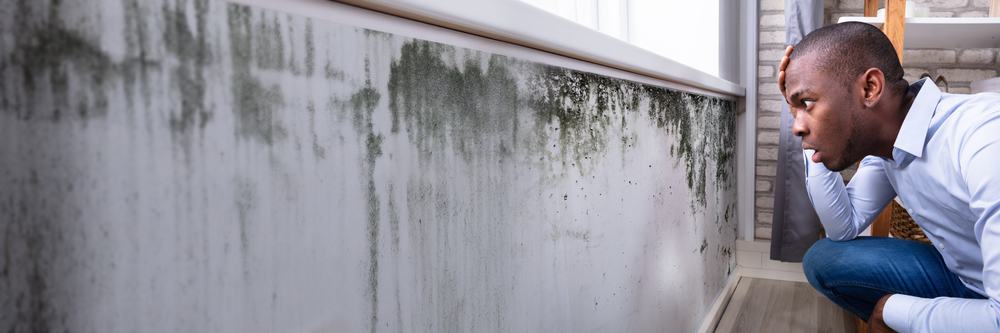
Hear from Our Customers
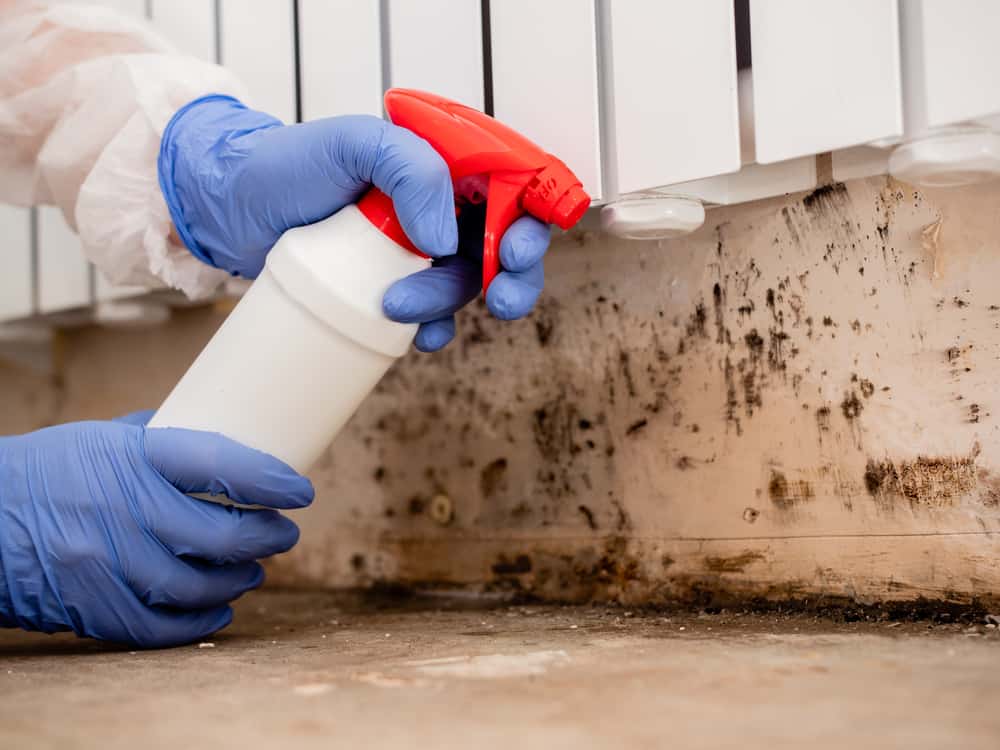
Residential Mold Inspection Massapequa, NY
Most homeowners in Massapequa don’t find mold by looking for it. They find it after a sump pump failure floods the basement, after a nor’easter pushes water under the roof, or after months of a musty smell they kept meaning to investigate. By then, it’s usually bigger than it looked. A thorough mold inspection gives you something most people in this situation don’t have a clear, documented answer. Not a guess, not a visual scan with a flashlight. Actual lab-tested air and surface samples, a written report with species identification and spore counts, and a specific picture of what’s happening inside your home.
For homeowners in Biltmore Shores, Nassau Shores, or Old Harbour Green, that answer matters more than it does almost anywhere else on Long Island. Canal-facing walls absorb moisture in ways that aren’t visible from the surface. Homes built in the 1950s which describes most of Massapequa’s housing stock weren’t built with vapor barriers or ventilation standards that hold up to decades of South Shore humidity. If you’ve had any water in your home in the last few years, there’s a real chance something is growing where you can’t see it.
Knowing exactly what’s there and what isn’t is what lets you make the right call next. Whether that’s remediation, a clean bill of health for a real estate closing, or documentation for an insurance claim, the inspection is where it starts.
Professional Mold Inspector Massapequa, NY
We’re based in West Babylon one town east of Massapequa on Sunrise Highway and have been serving Nassau and Suffolk County homeowners for 31 years. Our owner, Richard Peterson, holds a New York State Department of Labor license in both mold inspection and mold remediation, which is the legal requirement for anyone performing this work for compensation in New York State. Every technician on our team is IICRC-certified not just the owner, but the person who actually shows up at your door.
That matters in a market where credentials are easy to claim and hard to verify. We’re licensed, bonded, and insured, and every inspection is backed by certified third-party laboratory analysis. We’ve been on the South Shore through every major storm event that has hit Massapequa including Hurricane Sandy and the recurring high-tide flooding that Nassau County officials have specifically cited in this community. We know what post-flood mold looks like in a 1956 Cape Cod, and we know how to find it.
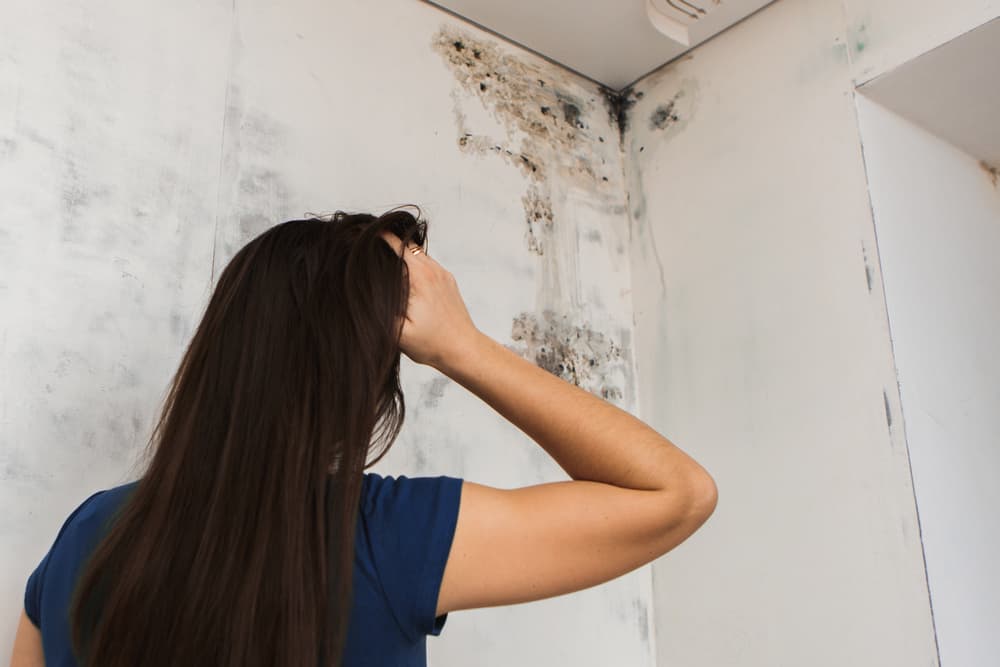
Mold Assessment Services Massapequa, NY
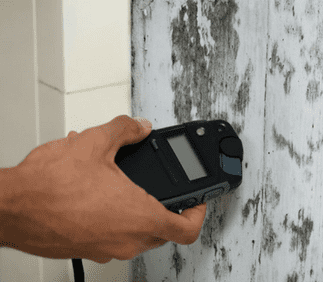
The inspection starts with a walkthrough of the areas most likely to have moisture problems in your specific home. For a Massapequa property, that typically means the basement, the attic, any canal-facing exterior walls, and the HVAC system because contaminated air moves through the whole house once mold is present. We measure moisture levels throughout and use infrared thermal imaging to detect temperature differentials behind walls and under flooring, where moisture hides long before mold becomes visible.
From there, we collect air samples from inside the home and compare them against outdoor baseline samples. We take surface swab samples from any areas of visible concern. All samples go to a certified third-party laboratory not an in-house evaluation, not a field estimate. The lab identifies the species present, measures spore concentration levels, and that data comes back to you in a written report with specific findings and recommended next steps.
Under New York State’s Article 32 licensing law, mold assessment and remediation work must be performed by a licensed assessor. That’s been the law since January 1, 2016, and it applies to every job in Nassau County, including Massapequa. The written report produced by a licensed assessor like us is the document that holds weight with insurance companies, real estate attorneys, and health professionals which is often exactly why the inspection was needed in the first place.
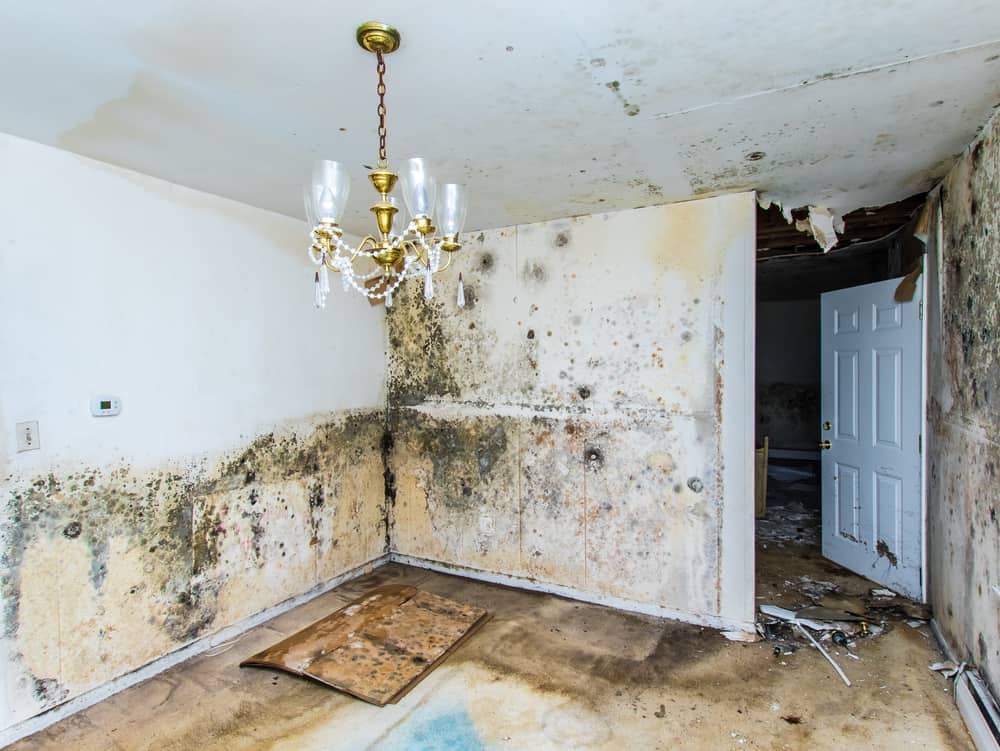
Ready to get started?
Indoor Air Quality Testing for Mold Massapequa, NY
The inspection covers five areas: air testing, surface swab sampling, water intrusion inspection, moisture level measurement, and infrared-assisted detection of hidden mold. That combination exists because no single method catches everything and in a community where most homes were built in 1956, where canal water sits feet from exterior walls, and where sump pump failures are a documented recurring event, a partial inspection isn’t much better than no inspection.
Air testing captures what’s circulating through the home and compares it against outdoor baseline levels. Surface swabs identify what’s growing on visible surfaces. The water intrusion inspection traces moisture back to its source whether that’s a failing bulkhead in Nassau Shores, a compromised roof from ice dam damage, or an aging basement waterproofing system that’s finally given out. Infrared imaging finds the moisture that none of the above can see directly, because it’s inside the wall cavity or under the subfloor.
Everything is documented in a written report with lab-certified results. If you’re buying a home in Massapequa Park, filing a flood insurance claim after a high-tide event, or dealing with a health concern your doctor wants documented, this is the report that does the job. We handle residential and commercial mold inspection in Massapequa and when remediation is needed, we can remove it and restore the space, so you’re not coordinating between three different contractors.
Do I need a mold inspection after my Massapequa basement flooded?
Yes and timing matters more than most people realize. Mold can begin growing within 24 to 48 hours once moisture is present and indoor humidity climbs above 60 percent. In Massapequa, basement flooding is most commonly caused by sump pump failures during storms or power outages, high-tide events in the southern neighborhoods near the bay, or pipe bursts in winter. Even if you dried everything out quickly, moisture can remain trapped inside wall cavities, under flooring, and in insulation and that’s where mold establishes itself before you ever see or smell it.
A professional mold inspection after a flood event does two things. First, it tells you whether mold is actually present and how extensive it is. Second, it gives you the documented evidence your insurance company needs to process a claim. A report from a New York State licensed mold assessor carries legal standing. A verbal estimate or a visual check from an unlicensed contractor does not. If your basement has flooded in the last several months even once an inspection is worth doing before you find out the hard way that something was missed.
How much does a mold inspection cost in Massapequa, NY?
The national average for a professional mold inspection runs between $303 and $1,043, with most residential inspections landing around $670 depending on the size of the home and the number of areas being tested. Larger homes, waterfront properties with multiple moisture exposure points, or homes requiring extensive infrared scanning will typically land toward the higher end of that range. For context, a moderate mold remediation job runs $1,500 to $5,000 and extensive cases can exceed $20,000. The inspection cost is a fraction of what you’d spend catching a problem late.
For Massapequa homeowners specifically, the inspection also carries value beyond the immediate finding. If you’re buying or selling a home particularly a canal-area property in Biltmore Shores or Old Harbour Green a certified mold inspection report from a licensed NYS assessor can affect the transaction directly. It’s documentation that real estate attorneys, buyers, and mortgage lenders recognize. Contact us at 516-698-1776 for specific pricing based on your home’s size and situation.
What's the difference between mold inspection and mold testing?
These terms get used interchangeably, but they describe different parts of the process. A mold inspection is the physical assessment a trained technician walks through your home, measures moisture levels, uses infrared imaging to look for hidden moisture, and identifies areas of visible concern. Mold testing refers specifically to the collection and laboratory analysis of air and surface samples to determine what species are present and at what concentration levels. A thorough mold inspection includes both.
What you want to avoid is paying for testing without a proper inspection, or paying for an inspection that doesn’t include lab-backed testing. A visual-only inspection can miss mold that’s growing inside walls, under flooring, or in HVAC ducts all of which are common in Massapequa’s older housing stock. And testing without a systematic inspection means you may be sampling the wrong areas entirely. Our five-point protocol combines both into a single visit, so you’re not piecing together a partial picture from two different service calls.
Can mold from Hurricane Sandy damage still be a problem in my home today?
It can, and it’s more common than most people expect. Nassau County had over 74,000 structures damaged or flooded by Sandy in 2012, and the remediation performed in the immediate aftermath wasn’t always complete. Some homes were dried out and closed up without proper mold abatement. Others had remediation done, but moisture that wasn’t fully addressed continued feeding mold growth behind walls or under floors. Over time, that mold can spread, cause structural damage, and affect indoor air quality even if the original water damage happened more than a decade ago.
If your Massapequa home was affected by Sandy or if you purchased a home that was and you’ve never had a certified mold inspection done since, it’s worth doing. Latent mold from inadequate post-Sandy remediation is a documented issue on the South Shore, and it doesn’t resolve on its own. A full inspection with lab-tested air and surface samples will tell you definitively whether something is still present and where it’s coming from.
How do I know if the mold inspector I hire is licensed in New York State?
New York State requires all mold assessors and mold remediation contractors to hold a license issued by the NYS Department of Labor under Article 32 of the Labor Law. This requirement has been in effect since January 1, 2016, and it applies to every job performed for compensation in the state including every mold inspection in Nassau County. Fines for unlicensed mold work can reach $10,000, and more importantly, work performed by an unlicensed contractor has no legal standing. That means the report won’t hold up in an insurance claim, a real estate dispute, or a health department investigation.
You can verify a license directly through the NYS Department of Labor’s online license lookup tool. Before you hire anyone, ask for their NYS mold assessor license number and look it up. A legitimate company will give it to you without hesitation. We’re fully licensed by the NYS DOL Richard Peterson holds a personal license in both mold inspection and mold remediation, and we’re bonded and insured to meet all state requirements. Don’t skip this step, especially in a market where multiple operators claim credentials they may not actually hold.
Is black mold more dangerous than other types of mold found in Massapequa homes?
“Black mold” usually refers to Stachybotrys chartarum, which is one of the more heavily covered mold species in the media but the color of mold isn’t a reliable indicator of how hazardous it is. Many mold species can appear dark or black, and some lighter-colored molds can be just as problematic depending on the concentration and the individual’s sensitivity. What actually matters is the species, the spore count, and how widely it’s spread through the home which is exactly what lab analysis determines.
That said, any mold growth in a home with children, elderly residents, or anyone with respiratory conditions is worth taking seriously. Massapequa parents tend to be deeply invested in their kids’ health it’s that kind of community and chronic respiratory symptoms, worsening allergies, or unexplained fatigue in a household are all reasons to get the air tested. The inspection report will identify exactly what species are present, at what levels, and whether those levels are elevated compared to outdoor baseline air. That’s the information you actually need to make a decision not just a color description.
Useful Links
Other Services we provide in Massapequa