
Mold Inspection in Matinecock, NY
Gold Coast Estates Deserve More Than a Flashlight and a Guess

Hear from Our Customers
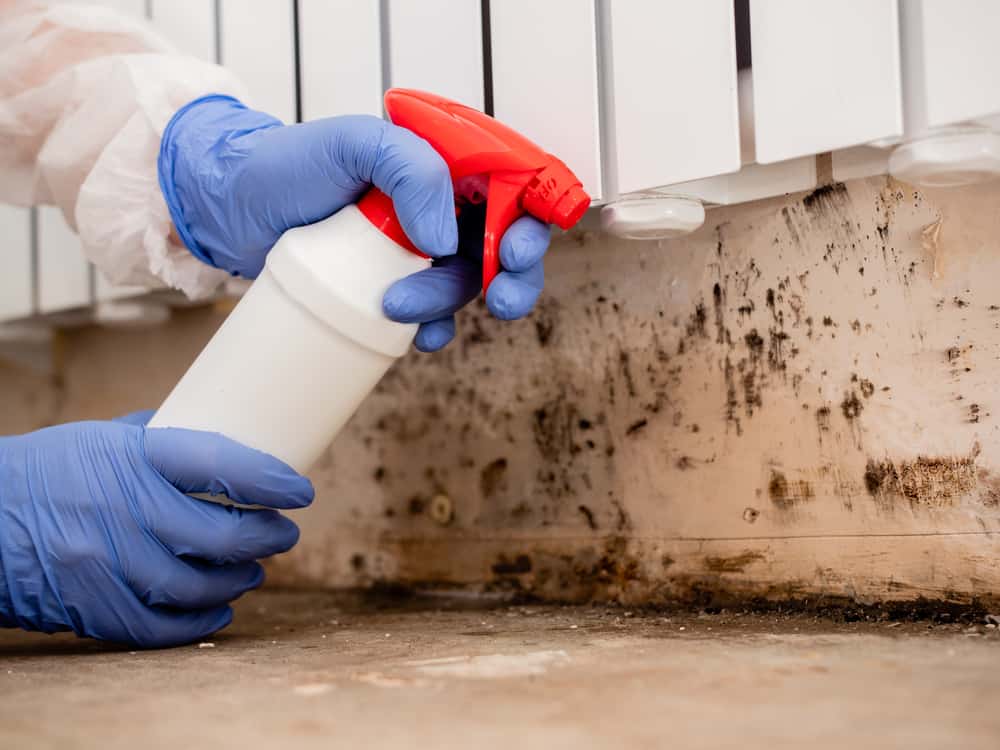
Professional Mold Inspector in Matinecock, NY
When you’re dealing with a property in Matinecock whether you’re buying, managing, or just noticed something that doesn’t smell right you don’t need someone to walk through your home and tell you it “looks fine.” You need data. Certified lab analysis. A written report with real numbers, species identification, and specific next steps. That’s what a professional mold inspection actually delivers.
Matinecock’s housing stock is unlike almost anywhere else in Nassau County. Many of these estates were built during the Gold Coast era the 1920s, 30s, and 40s with original plaster walls, stone foundations, and complex rooflines that have been patched and repaired over a century of Long Island weather. Mold doesn’t always show itself. It hides inside wall cavities, under original wood flooring, in the attic spaces of Tudor and Colonial-style homes where airflow is limited and moisture accumulates quietly. A standard visual check misses most of it.
What changes after a thorough inspection is simple: you know. You know whether the indoor air quality in your home is elevated compared to outdoor baseline levels. You know whether that musty smell coming from the basement after last August’s North Shore flooding is surface-level or something deeper. You know what the remediation scope looks like and what it costs before you’re already in the middle of it. That clarity is what you’re actually paying for.
Mold Inspection Company in Matinecock, NY
First Response Restoration and Cleaning Inc. has been serving Nassau and Suffolk counties since the early 1990s. That’s three decades of inspecting Long Island homes including the kind of large, older estates you find along Duck Pond Road and Oyster Bay Road in Matinecock where century-old construction materials and complex building envelopes create mold conditions that newer homes simply don’t have.
Richard Peterson, our owner, holds a New York State DOL license for both mold assessment and mold remediation under Article 32 of the NY Labor Law the license that’s been required by the state since 2016. Every technician on our staff is IICRC-certified, not just the owner. That means the person who shows up at your door meets the same professional standard as the person who runs the company.
We are fully licensed, bonded, and insured, and we operate 24 hours a day, seven days a week. When a pipe fails in a carriage house or a roof leak gets discovered on a Sunday morning, you’re not waiting until Monday. Our team dispatches fast because mold doesn’t wait and neither should you.
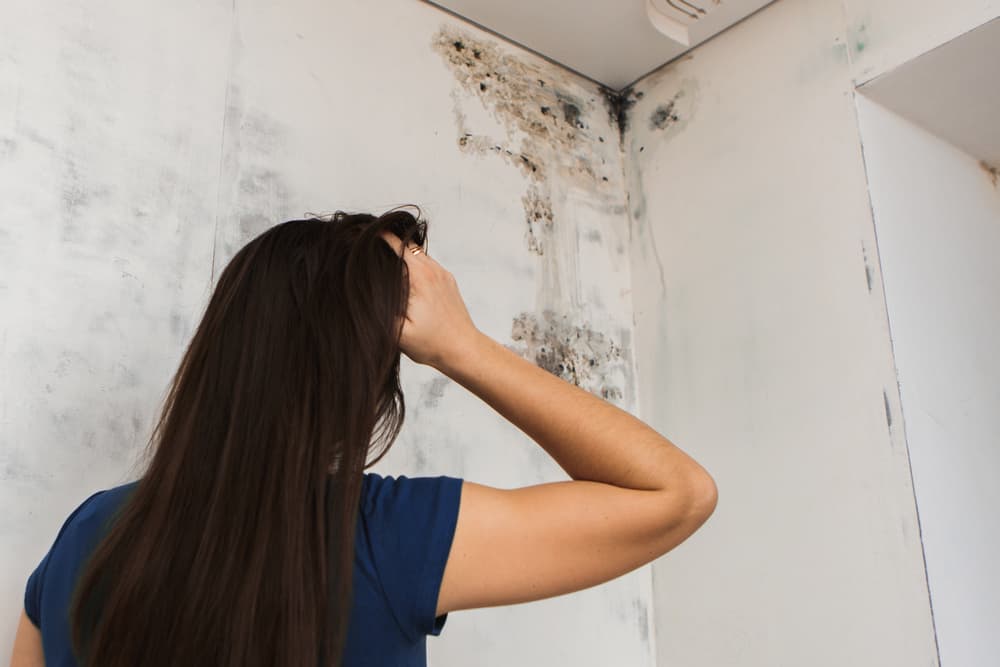
Mold Assessment Services in Matinecock, NY
The inspection starts with a full walkthrough not a quick scan. For a Matinecock estate, that means assessing every structure on the property: the main residence, any carriage house or guest cottage, pool house, wine cellar, and crawl space areas that are easy to overlook but often the first place moisture collects. Homes in this area sit on hilly, wooded terrain, and that topography channels water in ways that affect foundation walls and basement moisture levels in ways that aren’t always obvious from the inside.
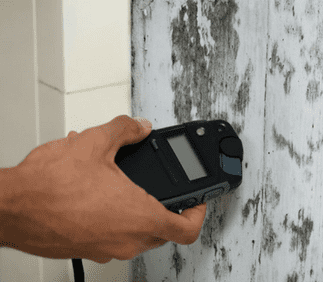
From there, our team collects air samples and surface swabs, measures moisture levels throughout the structure, and uses infrared thermal imaging to detect elevated moisture concentrations inside wall cavities and ceiling spaces without opening anything up. That last step matters in a home where the walls are original plaster and the finishes are irreplaceable. You get answers without unnecessary damage to the property.
All samples go to a certified third-party laboratory. When results come back, you receive a written report that includes species identification, spore concentration levels, an indoor-versus-outdoor air comparison, and specific remediation recommendations based on actual data. Under New York State’s Article 32 licensing law, that documentation has legal standing with your insurance company, your real estate attorney, and in any proceeding where the property’s condition is at issue. If remediation is needed, we can move directly from the inspection findings to a remediation plan, no handoff required.
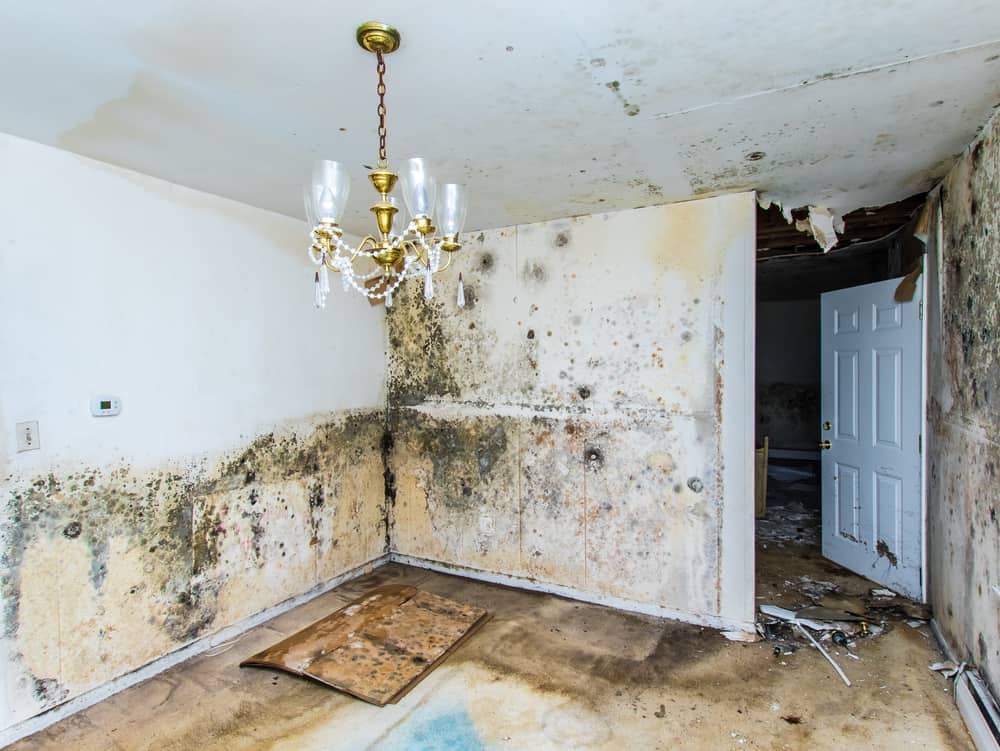
Ready to get started?
Indoor Air Quality Testing for Mold in Matinecock, NY
Our mold inspection service includes air testing, surface swab sampling, moisture level measurement, infrared thermal imaging for hidden mold detection, and a full written report with certified laboratory results. Every sample is analyzed by a third-party certified lab, and the final report includes mold species identification, spore concentration data, and a direct comparison of indoor air quality against outdoor baseline levels. That comparison is what tells you whether your home’s air is actually elevated not just whether mold spores exist, because they exist everywhere.
For Matinecock properties specifically, the inspection scope accounts for the scale and age of the structures. Five-acre minimum zoning means no two properties are the same, and the inspection adapts accordingly. Older estate homes with original construction materials slate roofing, stone foundations, plaster-and-lath walls present different risk profiles than a 1990s colonial in a neighboring community. We know what to look for in these buildings because we’ve been inspecting them across Nassau County’s North Shore for over 30 years.
Attic mold inspection in Matinecock, NY is a particular area of focus given the complex rooflines on Gold Coast-era homes. Basement mold inspection is equally important in properties where stone foundation walls and below-grade spaces are exposed to Long Island’s seasonal moisture cycles. If the results indicate remediation is needed, we handle that too same company, same documentation, no coordination gap between what was found and what gets fixed.
Do I need a mold inspection before buying an estate home in Matinecock, NY?
At a $3 million to $10 million price point, a mold inspection isn’t optional it’s part of due diligence. Many of Matinecock’s homes were built during the Gold Coast era, and while they’ve often been renovated extensively, the original structural elements are frequently still in place: foundation walls, roof decking, floor framing. Those elements carry decades of moisture history that a general home inspection won’t fully surface.
A certified mold assessment gives your real estate attorney and your lender documentation that holds up species identification, spore levels, lab-backed results, and specific remediation recommendations if anything is found. That’s not something a verbal walkthrough provides. In a transaction at this scale, the cost of a thorough inspection is negligible compared to the cost of discovering a significant mold problem after closing. Get the inspection, get the report, and make the decision with real information in front of you.
How long does a mold inspection take for a large home in Matinecock?
It depends on the size and complexity of the property, but for a typical Matinecock estate, you should plan for a more thorough visit than you’d expect from a standard inspection. A 6,000-square-foot main residence with a carriage house, pool house, and multiple mechanical systems takes significantly longer to assess properly than a 1,500-square-foot cape in a neighboring town and it should. Cutting corners on a property this size doesn’t save time; it just means things get missed.
Our five-point inspection protocol air testing, surface sampling, moisture measurement, infrared scanning, and report preparation is designed to be comprehensive, not fast. After the on-site portion is complete, samples go to a certified lab, and the written report follows once results are returned. Most clients receive their full written report within a few days of the inspection. The goal is accuracy, not speed, because in a home of this value, an incomplete inspection is worse than no inspection at all.
What causes mold in older estate homes on Long Island's North Shore?
The combination of age, construction type, and climate is what drives mold risk in Matinecock’s housing stock. Homes built in the 1920s and 1930s were constructed with materials and methods that don’t handle moisture the way modern building envelopes do. Stone foundation walls without waterproofing membranes allow ground moisture to migrate inward. Slate and clay tile roofing develops hairline cracks over time that let water into the roof deck. Plaster-and-lath walls trap moisture differently than drywall, and the problem can develop slowly and invisibly for years.
Long Island’s climate adds to it. Warm, humid summers create the conditions mold needs especially in spaces with limited airflow, like the attic of a Tudor-style mansion or a below-grade wine cellar. Nor’easters drive wind-driven rain into aging building envelopes. Ice dams on complex rooflines are a well-known issue on the North Shore when they melt, water can saturate wall cavities and insulation without a single visible sign inside the home. Then there’s the seasonal vacancy factor: estates that sit unoccupied through part of the year, with minimal climate control, are high-risk environments for undetected moisture accumulation.
Is a licensed mold assessor required for mold inspection in New York State?
Yes. Since January 1, 2016, New York State has required all mold assessors and mold contractors to hold a license under Article 32 of the NY Labor Law. This isn’t a certification you can get from a weekend course it’s a state-issued license with mandatory liability insurance requirements, and it must be renewed every two years. Anyone performing mold assessment or remediation for compensation in New York without this license faces fines of up to $10,000.
More practically, work performed by an unlicensed operator carries no legal standing with insurance companies or courts. If you’re filing an insurance claim, completing a real estate transaction, or managing a property through an estate or trust, you need documentation from a licensed assessor not just someone who calls themselves a mold inspector. We hold the NYS DOL license for both mold assessment and mold remediation, which means the inspection report you receive is the kind that actually holds up when it needs to.
What's the difference between mold inspection and mold testing in Matinecock, NY?
Mold inspection and mold testing are related but different. An inspection is the physical assessment a trained professional walking the property, identifying visible mold, moisture sources, and conditions that support mold growth. Testing is the collection and laboratory analysis of air and surface samples to identify mold species, measure spore concentrations, and compare indoor air quality to outdoor baseline levels.
A thorough mold assessment in Matinecock, NY includes both. Inspection alone tells you where the problem appears to be. Testing tells you what it actually is, how concentrated it is, and whether the indoor air quality in your home is elevated beyond normal outdoor exposure. For a property in Matinecock where the home may be on the market, involved in an estate proceeding, or subject to an insurance claim you need the lab-backed documentation that only testing provides. The written report that comes out of a combined inspection and testing process is what gives you something actionable, and something your attorney or insurance adjuster can actually work with.
What happens if mold is found during the inspection what are the next steps?
If the inspection and lab results confirm elevated mold levels, the written report will include specific remediation recommendations based on what was found species, concentration, location, and scope. From there, you have a clear picture of what needs to happen and why, rather than a contractor’s estimate that isn’t tied to any documented findings.
One of the practical advantages of working with us is that we handle both inspection and remediation. That matters more than it might seem. When the same company that found the problem is also the one fixing it, the remediation plan is built directly from the inspection data no translation errors, no scope gaps, no second company trying to interpret another company’s report. For a Matinecock homeowner managing a large estate with multiple structures, that continuity reduces risk significantly. If the remediation scope requires any structural work that triggers a Village of Matinecock building permit, we can walk you through what’s needed the village has its own permitting requirements, and work on properties with slopelands may require additional approvals from the Planning Board.
Useful Links
Other Services we provide in Matinecock