
Mold Inspection in Mill Neck, NY
Gold Coast Estates Hide More Than History

Hear from Our Customers

Professional Mold Inspector Nassau County
Mill Neck is one of the most beautiful places to own property on Long Island and one of the most quietly demanding. Oyster Bay Harbor wraps around much of the village, salt air moves through constantly, and a significant portion of the homes here were built between 1910 and 1940. That combination coastal humidity, aging construction, and stone foundations that predate modern waterproofing creates conditions where mold doesn’t just show up after a flood. It builds slowly, invisibly, inside walls and crawl spaces, until someone finally looks.
A professional mold inspection gives you a real picture of what’s happening inside the structure. Not a guess. Not a visual scan. Air samples, surface swabs, moisture readings, and infrared scanning all sent to a certified third-party lab so you know exactly what’s there, what species it is, and what needs to happen next. That’s the kind of answer that holds up when you’re talking to your insurance company, your attorney, or a buyer doing due diligence on a $5 million property.
The peace of mind that comes from a clean report is real. So is the protection that comes from catching a problem early before it spreads through 10,000 square feet of original plaster, timber framing, and irreplaceable architectural detail. Either way, you’re better off knowing.
Mold Inspection Company Mill Neck NY
We’ve been serving Nassau and Suffolk County homeowners for over three decades. That means we’ve worked through nor’easters, post-Sandy flooding, and every coastal water event Long Island has produced since the early 1990s including the kind of storm surge that demolished West Shore Road right along the Mill Neck waterfront in 2012. We understand what that kind of event does to a property, and we know where to look when the visible damage is long gone but the moisture isn’t.
Our owner, Richard Peterson, holds personal NYS DOL licensure in both mold inspection and mold remediation not a company credential with uncertified workers behind it. Every technician on our staff is IICRC-certified. When someone from First Response shows up at your Frost Mill Road estate or your harbor-facing property on Cleft Road, they carry the same credentials as the person who built the company. That consistency matters when you’re handing someone the keys to a historic Mill Neck property.
Mold Assessment Services Mill Neck NY
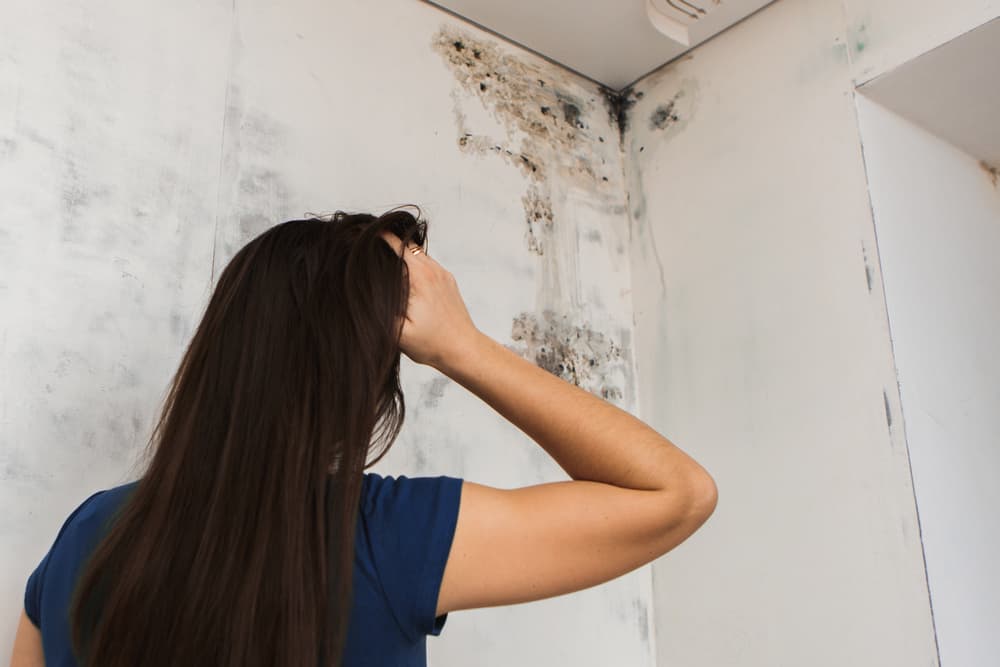
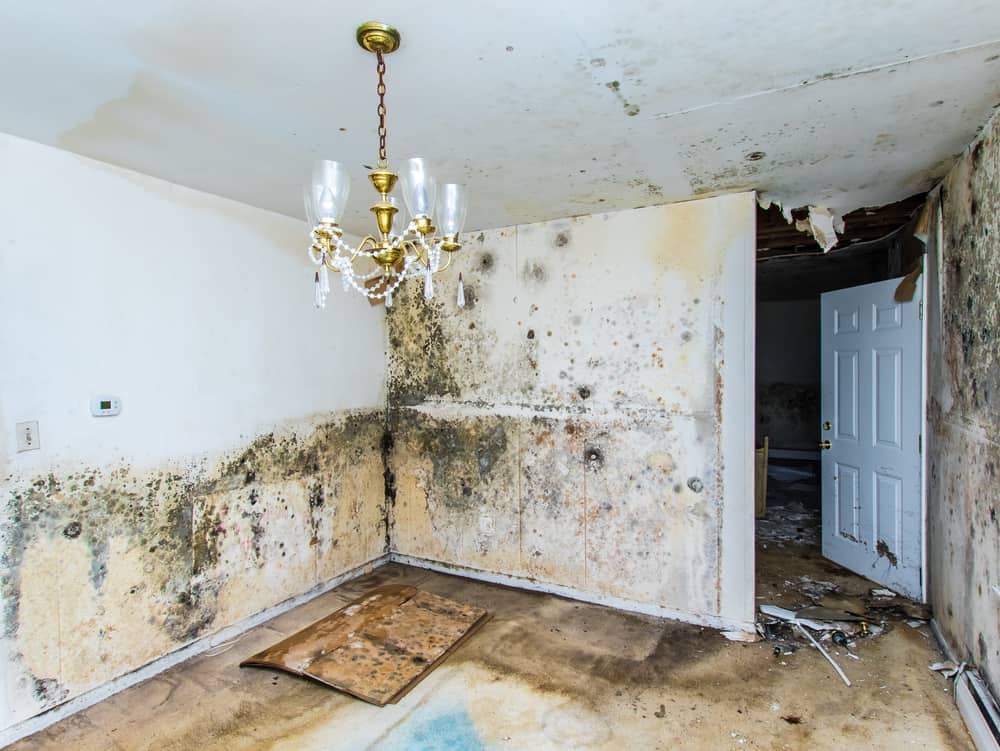
The inspection starts before we touch a wall. We review the property’s history, any known water events, and the areas most likely to harbor hidden moisture which in a Mill Neck estate often means basement cellars, original crawl spaces, attic volumes, and the interior cavities of exterior stone or masonry walls. These aren’t areas you catch with a flashlight and a visual scan.
From there, our five-point protocol runs in sequence. Air samples are collected from multiple interior zones and compared against outdoor baseline levels a critical step in a coastal environment like Mill Neck, where ambient mold spore counts are naturally elevated year-round. Surface swabs are taken from any visually suspect areas. A moisture meter maps the structure for hidden saturation. Infrared scanning detects temperature differentials inside walls and ceilings that indicate active moisture infiltration, finding mold colonies that are completely invisible from the surface.
Every sample goes to a certified third-party laboratory. The results come back with mold species identification, spore concentration levels, and a clear picture of what’s elevated and where. You receive a full written report the kind that satisfies an insurance adjuster, a real estate attorney, or a buyer’s agent. New York State’s Article 32 licensing requirement means this report carries legal standing that an unlicensed inspection simply cannot provide. That distinction matters more than most people realize until they need it.
Ready to get started?
Indoor Air Quality Testing for Mold Mill Neck
Mold inspection in a Mill Neck estate isn’t the same job it is in a postwar Cape Cod. The scale is different. The construction is different. A 10,000-square-foot home with a 100-year-old stone foundation, original timber framing, and a basement cellar that’s never had a vapor barrier presents a fundamentally different inspection challenge than a 1,500-square-foot suburban house. Our protocol is built to handle that complexity not just the obvious areas, but the full structure.
The inspection covers attic spaces, basement and crawl spaces, HVAC systems, interior wall cavities, and any areas with documented or suspected water intrusion. Infrared scanning is used throughout to detect moisture that doesn’t show on the surface. The indoor-versus-outdoor air comparison is especially important here Mill Neck’s position on Oyster Bay Harbor means outdoor spore counts run higher than inland communities, and without that baseline comparison, elevated indoor readings can be misread or missed entirely.
The final report includes certified lab results, mold species identification, spore concentration data, photographic documentation, and a specific remediation plan if one is warranted. If remediation is needed, we handle that too same company, same standards, no handoff to an unknown crew. For Mill Neck homeowners managing high-value properties in Nassau County, that continuity is worth a lot.
How much does a mold inspection cost for a large home in Mill Neck?
The national average for a mold inspection runs around $670, with a typical range of $300 to $1,000 depending on property size and the scope of testing required. For a large estate in Mill Neck where homes routinely exceed 8,000 to 13,000 square feet you should expect costs toward the upper end of that range or above it, simply because a thorough inspection of a property that size takes significantly more time, more samples, and more equipment.
What matters more than the cost of the inspection is what you’re protecting. Properties in Mill Neck trade at $3 million to $7 million and above. The inspection is a negligible line item relative to the asset. What isn’t negligible is discovering a serious mold problem six months after closing in a historic structure where remediation in original plaster walls, timber framing, or a stone cellar can become a major, expensive undertaking. The inspection is the cheap part. Skipping it is where the real cost lives.
What are the most common places mold hides in older estate homes?
In homes built during the Gold Coast era which describes a significant portion of Mill Neck’s housing stock the highest-risk areas are typically the basement cellar, crawl spaces, attic volumes, and the interior cavities of exterior masonry or stone walls. These are areas that were built without modern moisture barriers, vapor retarders, or waterproofing membranes. Over 85 to 100 years, even minor moisture infiltration accumulates and creates conditions where mold establishes quietly and spreads before anyone notices.
HVAC systems are another common location, particularly in large homes where ductwork runs through unconditioned spaces. If the system has ever had a condensation issue or a drain pan overflow, mold can establish inside the ductwork and circulate spores through the entire home every time the system runs. Infrared scanning and air testing are the only reliable ways to detect mold in these concealed locations a visual inspection simply can’t reach them.
Does New York State require a license to perform a mold inspection in Mill Neck?
Yes. Under New York State Labor Law Article 32, anyone performing mold assessment or mold remediation in New York must hold a valid NYS Department of Labor license. This requirement has been in effect since January 1, 2016, and it applies uniformly across the state including Mill Neck and all of Nassau County. Hiring an unlicensed inspector isn’t just a compliance risk it means the report you receive has no legal standing. If you need that report for an insurance claim, a real estate transaction, or a dispute with a contractor, an unlicensed inspection is essentially worthless.
The fines for unlicensed mold work in New York run up to $10,000, and state enforcement has intensified in recent years. When you’re vetting a mold inspection company, ask to see the NYS DOL license number not just a certificate that looks official. Richard Peterson, owner of First Response, holds personal licensure in both mold assessment and mold remediation. That’s the level of compliance you need when the documentation has to hold up.
How soon after a storm or flooding event should I schedule a mold inspection in Mill Neck?
As quickly as possible ideally within 24 to 48 hours of the water event. Mold can begin establishing in wet building materials within that window, and in a large estate with significant interior volume, it can spread through multiple areas before it becomes visible or detectable by smell. The Oyster Bay Harbor area has a documented history of serious storm events the flooding during Hurricane Sandy in 2012 was severe enough to destroy West Shore Road, and the area continues to face vulnerability from nor’easters and coastal storm surge.
The longer you wait after a water intrusion event, the more established the mold becomes and the more extensive the remediation required. A rapid inspection after a storm gives you a documented baseline what was wet, where moisture infiltrated, and what the air quality looks like within days of the event. That documentation also matters significantly for insurance purposes. Most homeowners policies on high-value Nassau County properties require professional documentation of the mold assessment before a claim is processed.
Can mold grow in a home that hasn't had any visible flooding or leaks?
Absolutely and in Mill Neck specifically, this is one of the more common scenarios. The village sits directly on Oyster Bay Harbor and Mill Neck Bay, which means ambient humidity levels run consistently higher than inland communities year-round. That persistent coastal moisture, combined with the age of many local homes and the natural elevation of the water table in this part of Nassau County, creates conditions where mold can establish slowly in basements, crawl spaces, and wall cavities without any single dramatic water event.
Condensation is another driver that gets underestimated. In a large, multi-story estate with significant temperature differentials between conditioned and unconditioned spaces, condensation forms regularly on cold surfaces inside wall assemblies and attic spaces. Over time, that moisture accumulates in materials that were never designed to manage it. If the home has been seasonally vacant even for a few weeks during a humid Long Island summer the combination of reduced HVAC activity and elevated coastal humidity can allow mold to establish and spread in areas that won’t show visible signs for months.
Is a mold inspection required before buying a home in Mill Neck, NY?
It’s not legally required, but for a property in Mill Neck, skipping it would be a significant financial risk. New York State does not mandate a mold inspection as part of a real estate transaction, but given the age of the housing stock here, the coastal conditions, and the price point of properties in this village, it’s one of the most important due diligence steps a buyer can take. A standard home inspector is not licensed to perform mold assessment in New York that requires a separate NYS DOL-licensed mold assessor.
What a professional mold inspection gives you before closing is leverage and clarity. If the lab results come back clean, you proceed with confidence. If they reveal a problem hidden mold in a basement cellar, elevated spore counts in an attic, moisture infiltration inside a stone exterior wall you have documented evidence to negotiate a price reduction, require remediation as a condition of sale, or make an informed decision about whether to proceed at all. On a $4 million or $5 million property in Mill Neck, that information is worth far more than the cost of the inspection.
Useful Links
Other Services we provide in Mill Neck