
Mold Inspection in Miller Place, NY
North Shore Humidity Has Nowhere to Hide Here

Hear from Our Customers
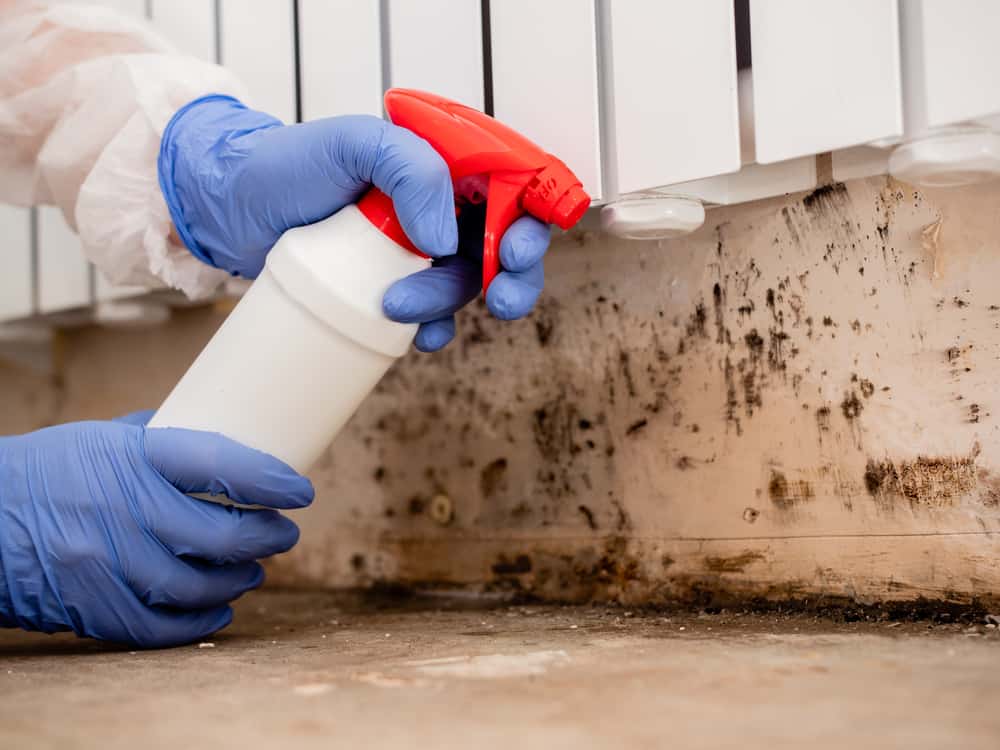
Residential Mold Detection in Miller Place
Mold doesn’t announce itself. It grows quietly in attic spaces, behind basement walls, and inside the framing of homes that have been absorbing North Shore humidity for 30, 40, or 50 years. By the time you smell it, it’s usually been there a while.
Miller Place’s housing stock makes this especially relevant. A significant portion of the homes here were originally built as beach cottages and later converted to year-round family residences after World War II structures that weren’t designed for the moisture demands of full-time occupancy. Add in the older Cape Cods and Colonials from the 1950s through the 1980s, and you have a community where aging building envelopes, limited vapor barriers, and decades of coastal humidity exposure are the norm, not the exception.
What a proper mold inspection gives you is clarity. You find out whether the musty smell in the basement is surface-level or structural. You find out whether the stain on the ceiling is old and dry or actively wet behind it. You get lab-verified results not a guess and a written report that tells you exactly what was found, what species it is, and what needs to happen next. That’s the difference between anxiety and a real answer.
Mold Inspection Company Serving Miller Place
First Response Restoration and Cleaning Inc. has been working on Long Island for over three decades. That’s not a number we throw around lightly it means we’ve inspected and remediated mold in the kinds of homes that define Miller Place: older North Shore properties, converted beach cottages along the Sound, historic structures on North Country Road, and newer construction that’s had years to develop moisture problems nobody noticed.
We’re a licensed, IICRC-certified company, and we hold both the NY State Mold Assessor and Mold Remediator licenses the two credentials the law requires for this work. Every technician on our team is certified, not just the person who answers the phone. We’re not a franchise. We’re not a call center routing your job to whoever’s available. We’re a locally operated company that has built our reputation in Suffolk County one job at a time, and we stand behind every inspection we perform.
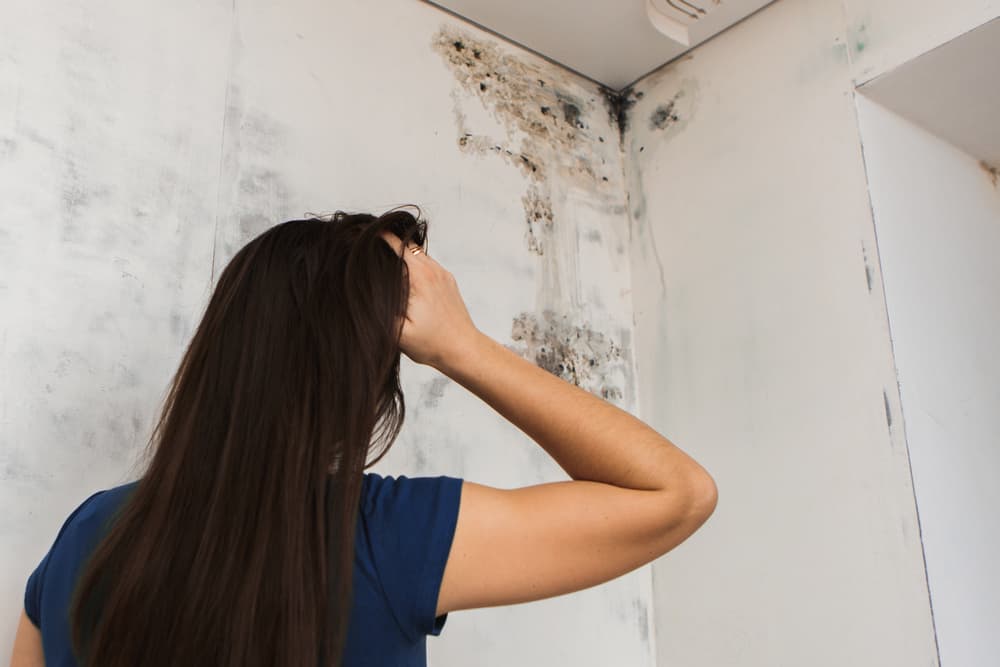
How Our Mold Assessment Process Works
We start with a thorough walkthrough not a quick visual scan, but a systematic review of the areas most likely to harbor hidden moisture in a Miller Place home. Basements, attics, crawl spaces, around windows, along rooflines, and anywhere a prior water intrusion may have gone unaddressed. From there, we deploy infrared thermal imaging to detect temperature differentials behind walls and under floors areas where moisture accumulates long before mold becomes visible.
Once we’ve identified areas of concern, we collect air samples and surface swabs. Every sample goes to a certified, accredited laboratory not an in-house kit, not a DIY panel. The lab identifies the specific mold species present, measures spore concentrations, and compares your indoor air quality against an outdoor control sample. This is the standard that holds up in insurance claims and real estate transactions.
New York State law requires that mold assessment and mold remediation be performed by separately licensed contractors a rule that’s been in effect since 2016. Because First Response holds both licenses, we can inspect your home and, if remediation is needed, handle that work under the same roof. You get one point of contact, one accountable team, and a clear path from inspection through resolution. No handoffs, no starting over with someone new.
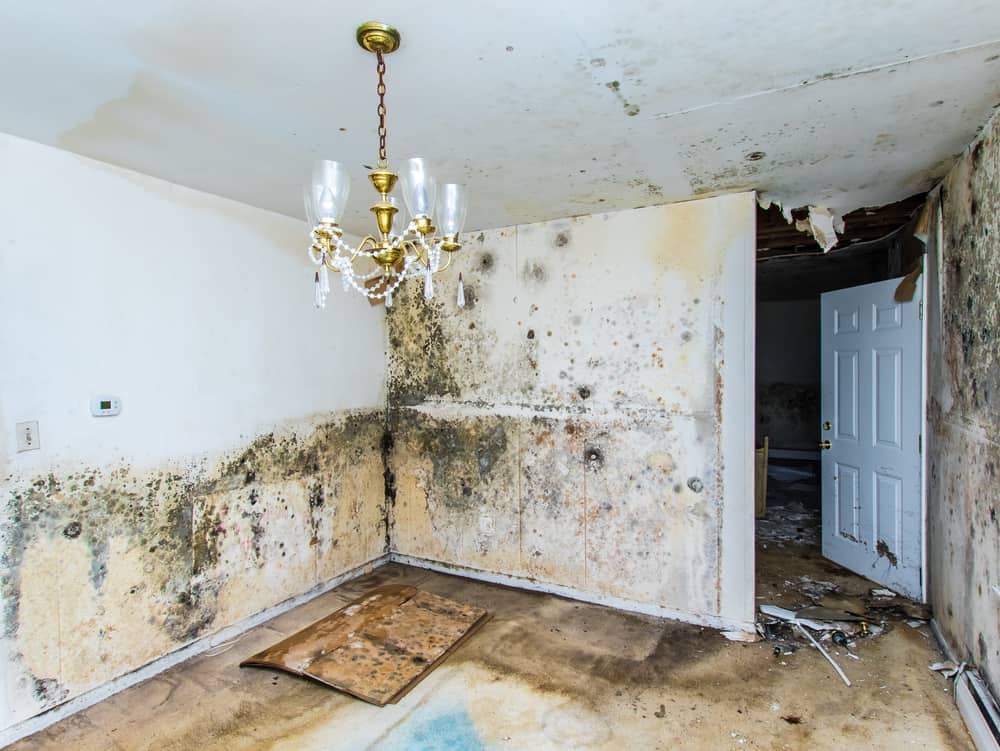
Ready to get started?
Mold Testing Services in Miller Place, NY
A mold inspection with First Response includes five documented components: air quality testing, surface swab sampling, water intrusion inspection, moisture level measurement, and full photographic documentation of every identified mold source. Infrared thermal imaging is included to detect hidden growth that a visual inspection alone would miss and in older Miller Place homes, hidden growth is far more common than most homeowners expect.
The written report you receive at the end isn’t a stack of raw lab data. It’s a plain-language summary that includes the species identified, spore count comparisons between indoor and outdoor samples, documented moisture sources, and specific remediation recommendations. If you’re navigating a real estate transaction buying or selling a home near the Historic District on North Country Road, or anywhere else in the 11764 ZIP code this documentation is exactly what your attorney, agent, or lender will ask for.
We also handle the insurance side. If your mold issue is connected to a prior water damage event a burst pipe, a roof leak after a nor’easter, basement flooding from a heavy rain we manage the documentation and communication with your insurance carrier from the first call through project completion. For homeowners in Miller Place dealing with a mold discovery on top of an existing water damage claim, that’s one less thing to carry.
Why are older Miller Place homes especially at risk for hidden mold problems?
Miller Place has a genuinely unique housing history that creates real mold risk. A large portion of the homes here started as seasonal beach cottages built light, built cheap, and built for summers on the Sound. After World War II, as the population expanded, those cottages were converted into year-round family homes. The problem is that most of them were never retrofitted with the insulation, vapor barriers, and ventilation systems that full-time occupancy demands. Moisture gets in and doesn’t have a reliable way out.
On top of that, the North Shore’s proximity to the Long Island Sound keeps ambient humidity elevated throughout most of the year. Salt air accelerates the deterioration of building materials. Mature tree canopy along many residential streets reduces sunlight and slows drying around foundations. For a Miller Place home that’s been absorbing all of that for 40 or 50 years, the question usually isn’t whether there’s a moisture problem it’s where it is and how far it’s progressed.
What does a professional mold inspection actually include, and what do I get at the end?
A professional mold inspection from First Response includes air quality testing, surface swab sampling, water intrusion inspection, moisture level measurement, and photographic documentation of all identified mold sources. We also use infrared thermal imaging to detect hidden moisture and mold activity behind walls, under floors, and in attic spaces areas that a standard visual inspection would miss entirely.
At the end of the inspection, you receive a written report that includes your lab results from a certified, accredited laboratory, the specific mold species identified, indoor-to-outdoor spore count comparisons, documented moisture sources, and clear remediation recommendations. This isn’t a printout of raw numbers it’s a document written to be understood and acted on. If you’re using the results for a real estate transaction, an insurance claim, or a contractor conversation, this report is built to hold up in all of those contexts.
How much does a mold inspection cost in Miller Place, NY?
Mold inspections typically run between $300 and $1,000 depending on the size of the home, the number of samples collected, and the scope of testing involved. For a Miller Place home which often means an older structure with a basement, attic, and potentially multiple areas of moisture concern a thorough inspection that includes air sampling, swab testing, and infrared thermal imaging will generally fall within that range, with the final cost reflecting what the home actually requires rather than a flat rate that may shortchange the process.
What’s worth keeping in mind is the cost comparison. The average mold inspection is a fraction of what remediation costs if a problem is caught late and a fraction of what a home value reduction looks like if mold is discovered during a sale. With median home values in Miller Place around $637,000, the math on a proper inspection is straightforward. You’re spending a few hundred dollars to protect an asset worth significantly more, and getting documented, lab-verified answers in return.
Can mold grow in my attic even if I haven't had a visible leak or water damage?
Yes and attic mold is one of the most commonly missed problems in North Shore Long Island homes, precisely because it doesn’t require a dramatic water event to develop. What it requires is moisture, and Miller Place’s coastal humidity provides that consistently. When warm, humid air from inside the home rises into an attic that isn’t properly ventilated, it meets the cooler surface of the roof sheathing and condenses. Over time, that repeated condensation cycle creates exactly the conditions mold needs to establish itself on rafters, sheathing, and insulation.
Older homes in Miller Place particularly the converted beach cottages and Cape Cods with original or minimally updated attic systems are especially susceptible. Ice dams are another factor: when snow accumulates on the roof and melts unevenly, water can back up under shingles and saturate the attic space. That moisture often goes undetected until the following spring, when the mold has already had months to grow. Infrared thermal imaging during an inspection is one of the most reliable ways to catch this before it becomes a structural issue.
Does First Response handle both the mold inspection and remediation, or do I need separate companies?
We handle both, and that matters more than it might seem at first. New York State law actually requires that mold assessment and mold remediation be performed under separate licenses which means any company that offers both needs to hold two distinct credentials issued by the NY Department of Labor. First Response holds both the Mold Assessor license and the Mold Remediator license, so we’re legally authorized to take a job from initial inspection through full remediation without handing you off to a third party.
In practice, this means that if the inspection reveals active mold growth whether it’s in a basement that’s been taking on water after nor’easters or inside an attic that’s been venting improperly for years we can move directly into remediation without you having to start the explanation process over with a new company. If the remediation requires removing and replacing damaged drywall, insulation, or structural wood, we handle that reconstruction as well. One call, one licensed team, one accountable contractor from start to finish.
How do I know if the mold inspector I hire in Miller Place is actually licensed in New York?
This is one of the most important questions you can ask, and the answer is verifiable before you ever pick up the phone. New York State has required all mold assessors and mold remediation contractors to hold licenses issued by the NY Department of Labor since January 1, 2016. These licenses are publicly searchable through the DOL’s online contractor database you can look up any company by name and confirm whether their credentials are current and in good standing.
The reason this matters in Miller Place specifically is that the mold inspection market on Long Island includes a mix of legitimate licensed operators, franchise operations, and lead-generation sites that look like local companies but route your job to whoever is available. With homes in this community valued well above $600,000 and families living inside them, the person doing this work should be verifiably credentialed not just claiming to be. First Response holds both required New York State licenses, and every technician on our team carries IICRC certification. You can verify all of it before we ever arrive at your door.
Useful Links
Other Services we provide in Miller Place