
Mold Inspection in Napeague, NY
When the Sea Soaks In, Mold Doesn't Wait
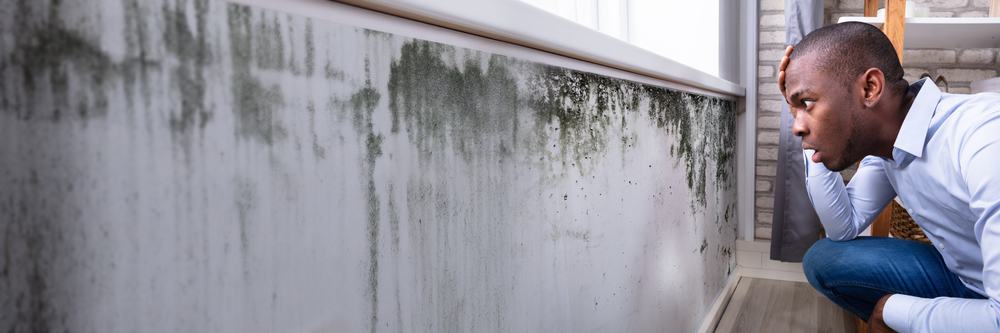
Hear from Our Customers
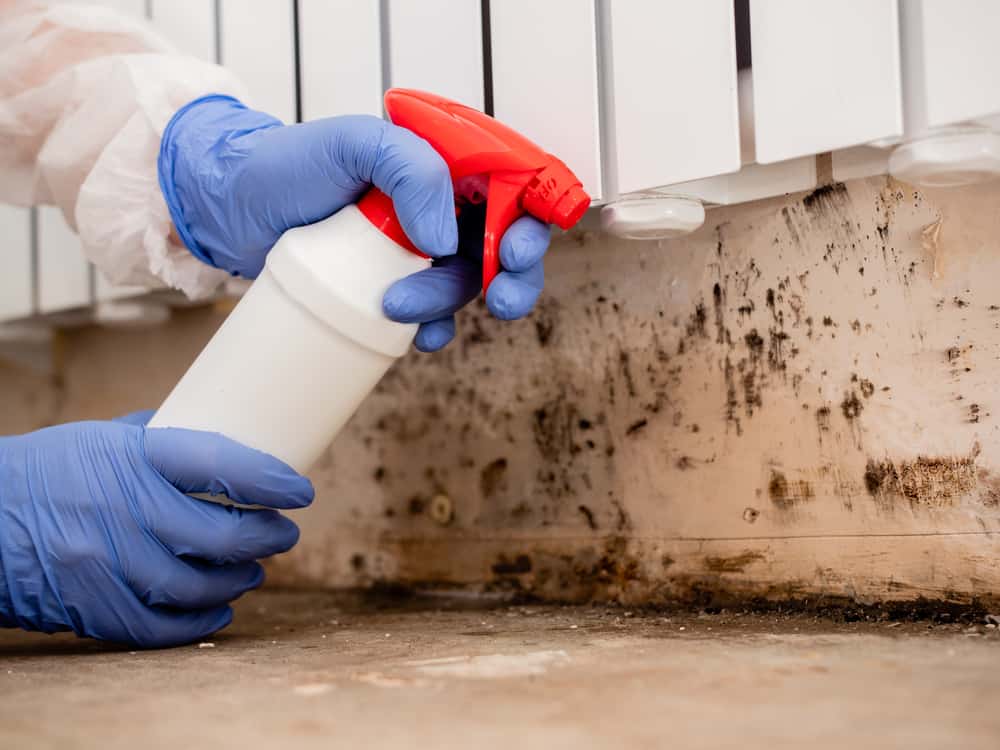
Home Mold Testing Napeague, NY
Most mold problems in Napeague don’t start with a flood. They start with a closed-up cottage, a wet winter, and six months of no airflow. By the time you return in May, the mold has been working since October. A professional mold inspection catches that before it reaches your framing, your insulation, and your wallet.
The stakes here are higher than in most Long Island communities. Napeague properties regularly transact above $1,000,000, and mold discovered during a sale or after a rental complaint can reduce that value by 20 to 37 percent. Half of buyers walk away from a property with a known mold history, even after remediation. A lab-verified inspection report gives you documentation you can actually use, whether you’re buying, selling, or protecting what you already own.
For seasonal homeowners and vacation rental operators along Montauk Highway and out toward Lazy Point, the practical benefit is straightforward: you know what you’re dealing with before it becomes a health issue for your family, a liability issue with a guest, or a negotiating problem with a buyer. That clarity is what a real mold inspection delivers.
Mold Inspection Company Napeague, NY
We’ve been serving Long Island property owners for 31 years long enough to understand what coastal Suffolk County does to a building over time. Our owner, Richard Peterson, built a team where every technician carries IICRC certification, not just the person answering the phone. We hold both the New York State Mold Assessor license and the NYS Mold Remediator license the two separate credentials the state has required since 2016.
Napeague is not a typical service call for us. The water table is close to the surface, the building stock at Lazy Point includes cottages that predate modern moisture barriers, and the hamlet sits on land the Montaukett people named “land overflowed by the sea” for a reason. We’ve worked in environments like this across the East End, and we know what to look for in structures that have been absorbing salt air and storm surge for decades. We were here after the 2012 nor’easter. We were here after the 2024 flooding events on Napeague Meadow Road. We understand what happens to a coastal home when water intrusion meets old framing and no modern vapor barrier.
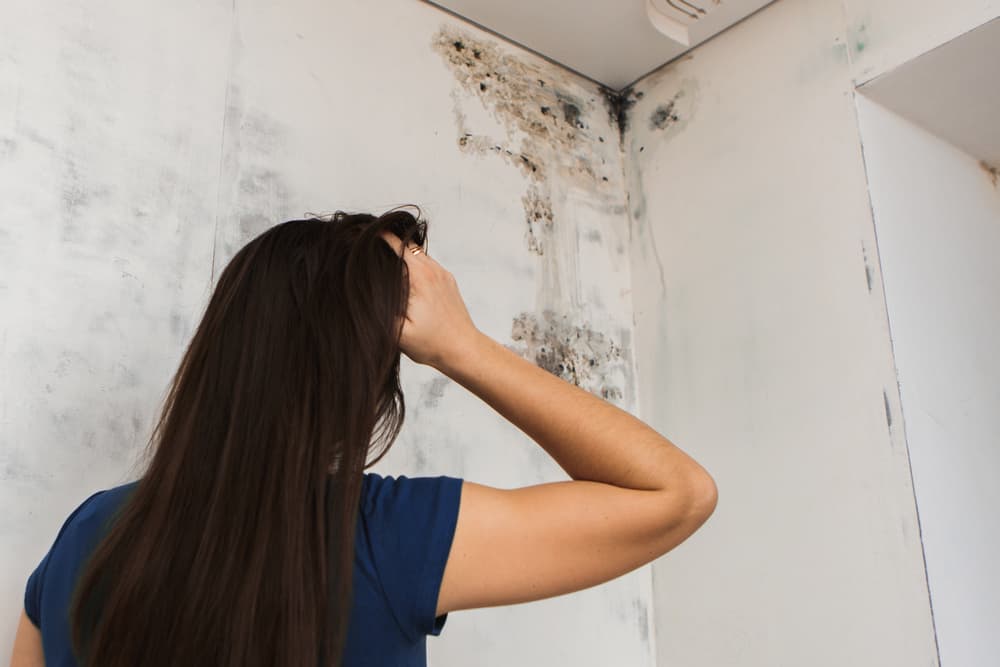
Professional Mold Assessment Services Napeague, NY
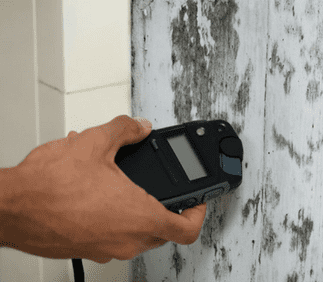
The inspection starts with a full walkthrough not a quick visual scan, but a structured five-point process that covers air sampling, surface swab testing, moisture level measurement, water intrusion assessment, and complete photographic documentation of every mold source we find. Infrared thermal imaging is included to detect moisture hiding behind walls, beneath floors, and inside ceilings where no visual inspection would ever reach. In older Napeague cottages, especially those at Lazy Point, that’s often where the real problem is.
All samples go to an accredited laboratory. When the results come back, you receive a written report in plain language not raw lab data, not industry shorthand. The report tells you what was found, where it is, and specifically what needs to happen next. If remediation is required, we can handle that too, along with any structural reconstruction needed afterward. For property owners managing their Napeague home from a distance, that means one call, one team, and one point of accountability through the entire process.
Timing matters here. If your property sustained any flooding during a nor’easter or storm surge event and Napeague Meadow Road has flooded as recently as 2024 mold can establish within 24 to 48 hours in saturated materials. We offer 24/7 post-storm scheduling, because waiting a week after a flood event is not a neutral decision.
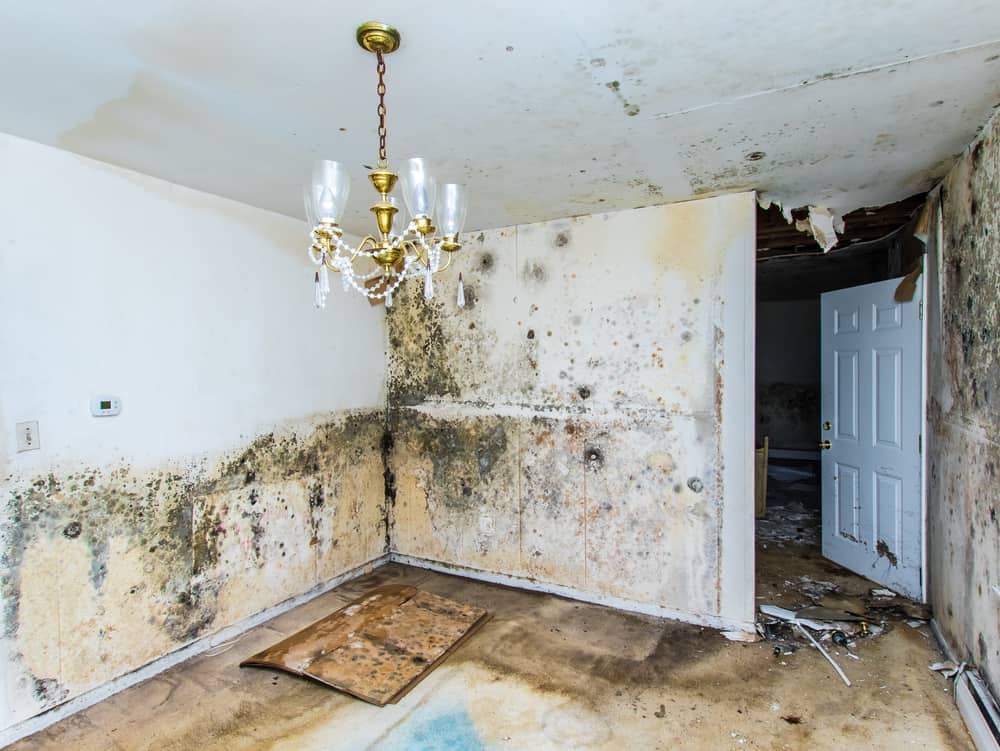
Ready to get started?
Residential Mold Inspection Services Napeague, NY
Mold inspection in Napeague looks different than it does in an inland suburb. The water table here is near the surface year-round, which means below-grade spaces crawl spaces, slab edges, any area close to grade are at chronic risk regardless of whether there’s been a visible water event. Attic spaces in coastal homes face a different problem: salt air infiltrates through roof vents and aging seals, and without adequate ventilation, condensation builds on cold roof decking through the winter months. Both areas are part of every inspection we conduct here.
For vacation rental properties along Montauk Highway or near Napeague Harbor, we include indoor air quality testing for mold as part of the assessment because a guest complaint about air quality or a visible mold spot mid-season can end a rental income stream fast. For pre-purchase buyers, the written lab report provides the documentation your attorney and your lender will want to see before closing on a Hamptons property.
All work is performed in compliance with New York State mold licensing law, and any remediation work involving structural materials is coordinated with East Hampton Town Building Department permit requirements. Properties within the Coastal Erosion Hazard Area which includes significant portions of Napeague may require additional permit review, and we’re familiar with navigating those requirements for East End properties.
How much does a mold inspection cost for a Napeague, NY property?
Mold inspection in Napeague typically runs between $400 and $800 for a residential property, depending on the size of the home and the scope of testing needed. That range covers air sampling, surface swab testing, moisture measurement, and the written laboratory report. Infrared thermal imaging, which is standard in our process, adds depth to the inspection without adding a separate line item.
For Napeague property owners, the more relevant number is what happens if you skip it. Mold remediation costs range from $1,150 to over $20,000 depending on how far the contamination has spread. On a property valued above $1,000,000 which describes most of the Napeague real estate market a $600 inspection is not an expense. It is the cheapest step in the entire mold problem lifecycle, and the one most likely to prevent the expensive ones.
How do I know if my seasonal home in Napeague has a mold problem?
The honest answer is that you often don’t not without testing. A musty smell when you first open the house in spring is the most common sign, but mold growing inside wall cavities, beneath flooring, or in crawl spaces won’t produce a noticeable odor until the colony is already well established. By that point, you’re dealing with a remediation project, not a prevention conversation.
In Napeague specifically, the risk is compounded by the seasonal vacancy pattern most properties follow. A home closed up from October through April unheated or minimally heated, with no airflow in a salt-air coastal environment is one of the highest-risk scenarios for hidden mold development. Air sampling and infrared thermal imaging during a pre-season inspection will tell you definitively what’s there, rather than leaving you guessing based on smell alone.
Does mold grow faster in coastal homes near the ocean and bay?
Yes, and the reason is straightforward. Mold needs moisture, organic material to feed on, and a surface to grow on. Coastal homes especially those in a location like Napeague, flanked by the Atlantic to the south and Gardiners Bay to the north are exposed to persistently high ambient humidity from multiple directions. That humidity infiltrates through aging building envelopes, condenses on cold surfaces during cooler months, and keeps wood framing, drywall paper, and insulation damp enough to support mold growth even without a visible water event.
The building stock in Napeague adds another layer of risk. Many of the older cottages, particularly those in the Lazy Point community, were built without modern vapor barriers or moisture management systems. In structures like these, the combination of high ambient humidity, a water table that sits close to the surface, and salt air degrading seals and building materials faster than in inland environments creates conditions where mold is not a possibility it is a predictable outcome without active monitoring and inspection.
Is mold inspection required before selling a home in East Hampton, NY?
New York State does not mandate a mold inspection as a legal condition of sale, but in practice, the Hamptons real estate market treats it as standard due diligence. Buyers’ attorneys in this market routinely recommend environmental testing including mold assessment as part of the contract review process, and sophisticated buyers in the East Hampton market will often request it as a condition of their offer.
What matters more than the legal requirement is the practical consequence of skipping it. If a buyer’s inspector discovers mold after an offer is accepted, you’re negotiating from a disadvantaged position or losing the deal entirely. Having a current, lab-verified mold inspection report from a licensed NYS Mold Assessor gives you documentation you control, and it removes one of the most common deal-killing discoveries from the buyer’s side of the equation. For Napeague properties specifically, where coastal exposure makes mold a realistic concern in almost any structure, having that documentation ready is a meaningful competitive advantage when you list.
What is black mold, and is it common in Napeague homes?
Black mold technically Stachybotrys chartarum is a toxigenic mold species that requires sustained moisture to develop. It’s not the most common mold found in homes, but it is the one that generates the most concern, and for good reason: prolonged exposure is associated with respiratory symptoms, neurological effects, and immune system responses, particularly in children and people with existing health conditions.
In Napeague, the conditions that support Stachybotrys are present in older structures that have experienced flood intrusion or sustained dampness particularly after storm surge events that push water into wall cavities and beneath flooring. The 2012 and 2024 flooding events that affected Napeague Meadow Road and surrounding properties are exactly the kind of water intrusion events that can create black mold conditions if the affected materials weren’t dried and treated within the first 48 hours. If your property experienced any flooding and you haven’t had a professional mold inspection since, toxic mold testing is a reasonable and warranted step not a precaution taken out of fear, but a practical response to documented water exposure.
Can First Response handle both the mold inspection and the remediation in Napeague?
Yes and for property owners managing a Napeague home from outside the area, that matters more than it might seem. Coordinating a separate inspection company, a separate remediation contractor, and a separate clearance inspector from 80 or 100 miles away is a real logistical burden. We hold both the New York State Mold Assessor license and the NYS Mold Remediator license, which means we can legally and professionally handle both sides of the process under one roof.
If the inspection reveals that mold has compromised structural materials drywall, framing, insulation we can handle the reconstruction phase as well. That full-service capability is particularly relevant in Napeague, where older cottages and storm-exposed structures sometimes reveal damage that goes beyond surface remediation once the walls are opened. You won’t be left managing a half-finished project because the inspection company and the remediation company couldn’t coordinate. One team, one process, one result.
Useful Links
Other Services we provide in Napeague