
Mold Inspection in North Lindenhurst, NY
North Lindenhurst's Aging Homes Hide Mold in Places Most Inspectors Never Check

Hear from Our Customers
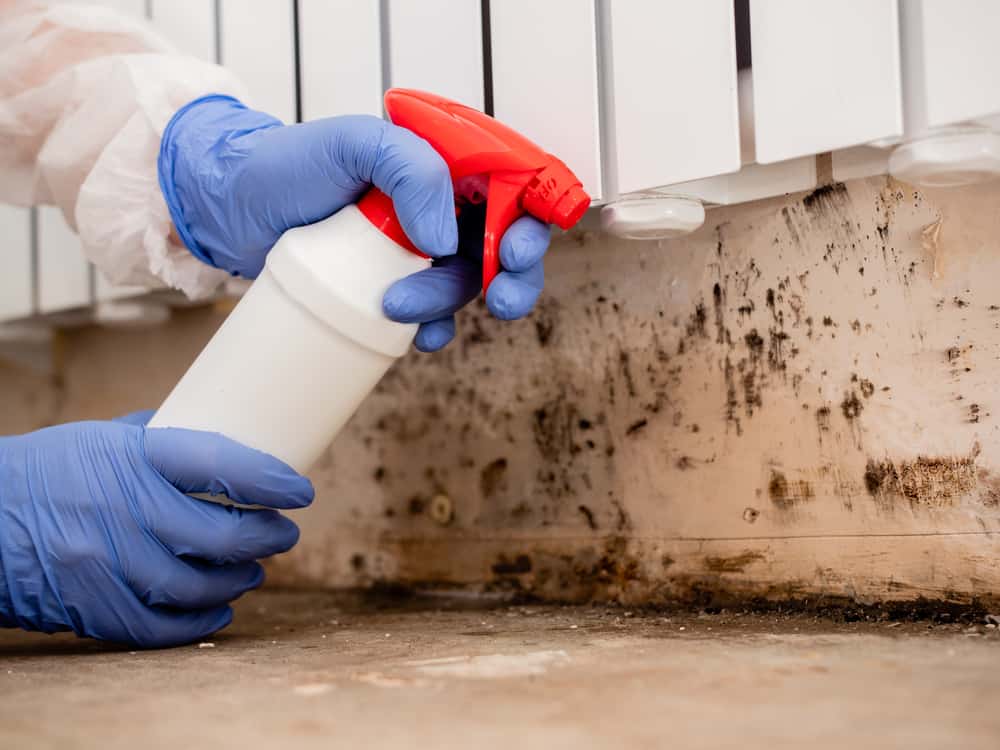
Residential Mold Detection Services, North Lindenhurst
Most mold problems in North Lindenhurst don’t start with a visible patch on the wall. They start with a concrete block foundation built in 1955 that’s been absorbing groundwater every wet season since. They start with an attic that’s never had proper ridge ventilation, quietly collecting condensation through every Long Island winter. By the time you see something, the problem behind the drywall is usually much bigger than what’s in front of it.
A thorough mold inspection gives you the full picture not a guess, not a visual sweep, but documented, lab-verified findings that tell you exactly what’s growing, where it’s concentrated, and what’s driving it. That information changes everything. It tells you whether you need remediation or just moisture control. It tells you what to disclose if you’re selling. It tells you whether your family’s been breathing elevated spore levels for months without knowing it.
For North Lindenhurst homeowners with a median home value pushing $580,000, the cost of skipping a proper inspection isn’t just a health risk it’s a financial one. Mold discovered during a sale negotiation or after a remediation job that missed the source doesn’t just cost money. It costs time, peace of mind, and leverage you won’t get back.
Professional Mold Inspector Serving North Lindenhurst, NY
We’re based in West Babylon the community right next door to North Lindenhurst. That’s not a coincidence. We’ve been serving Suffolk County homeowners for over three decades, which means the post-WWII Cape Cods and ranch homes along North Lindenhurst’s gridded streets aren’t unfamiliar territory. We know where moisture gets in, how it travels through these older foundations, and what the attic spaces of this era of construction typically look like when no one’s been up there in years.
We built our practice on New York State licensing in both mold assessment and mold remediation a legal requirement since 2016 that not every company in this market actually holds. Every technician carries IICRC certification. That’s not a headline, it’s how we operate. When you call the Suffolk County line at 631-587-5300, you’re reaching a team that already knows North Lindenhurst and can be at your door without a two-hour drive.
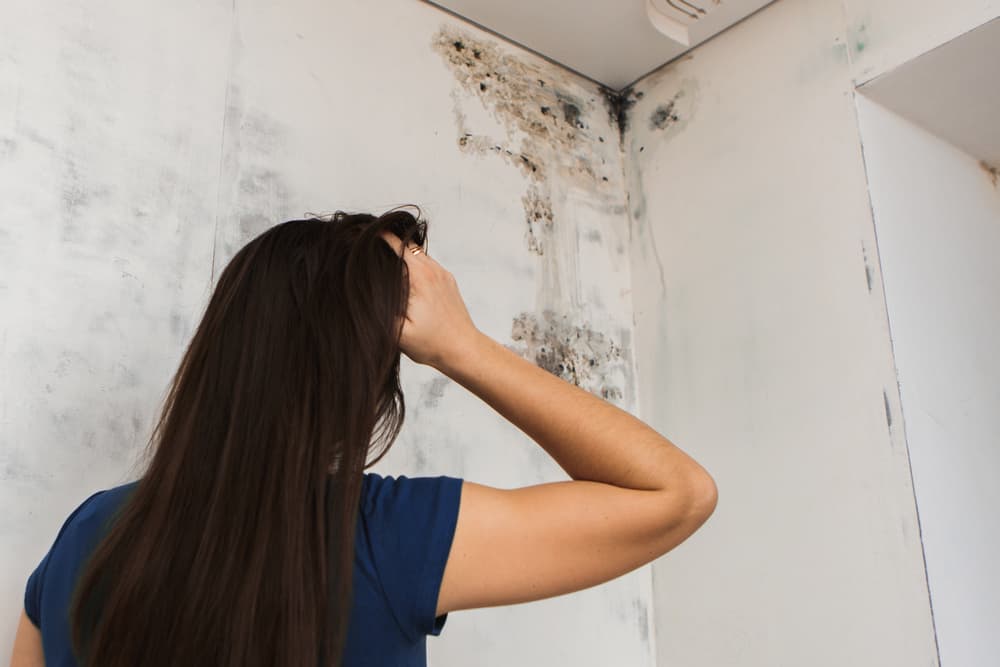
Mold Assessment Services in North Lindenhurst, NY
The inspection starts before we touch a wall. The first step is understanding your home when it was built, what the moisture history looks like, whether there’s been any water intrusion from a storm, a pipe, or just years of a high water table doing what it does on the South Shore. North Lindenhurst’s housing stock, most of it built between 1940 and 1969, has specific vulnerabilities that we look for from the moment we walk in.
From there, we run a five-point inspection process: air sampling to capture airborne spore concentrations, surface swab sampling from any suspicious areas, a full water intrusion inspection to find the moisture source, calibrated moisture meter readings throughout the structure, and photographic documentation of everything found. Infrared thermal imaging gets added into the mix to detect moisture hiding inside walls and ceilings the kind that doesn’t show up on the surface until it’s already a serious problem.
Every air and swab sample goes to a certified, accredited laboratory. You get a written report with the actual lab results, an indoor-to-outdoor spore comparison, and specific findings not a vague summary, but a document you can act on. If remediation is needed, we handle that too, all the way through structural reconstruction if it comes to that. New York State law requires that mold assessors and remediators hold separate licenses from the NY Department of Labor we hold both, which means you’re covered from the first inspection to the final clearance test under one roof.
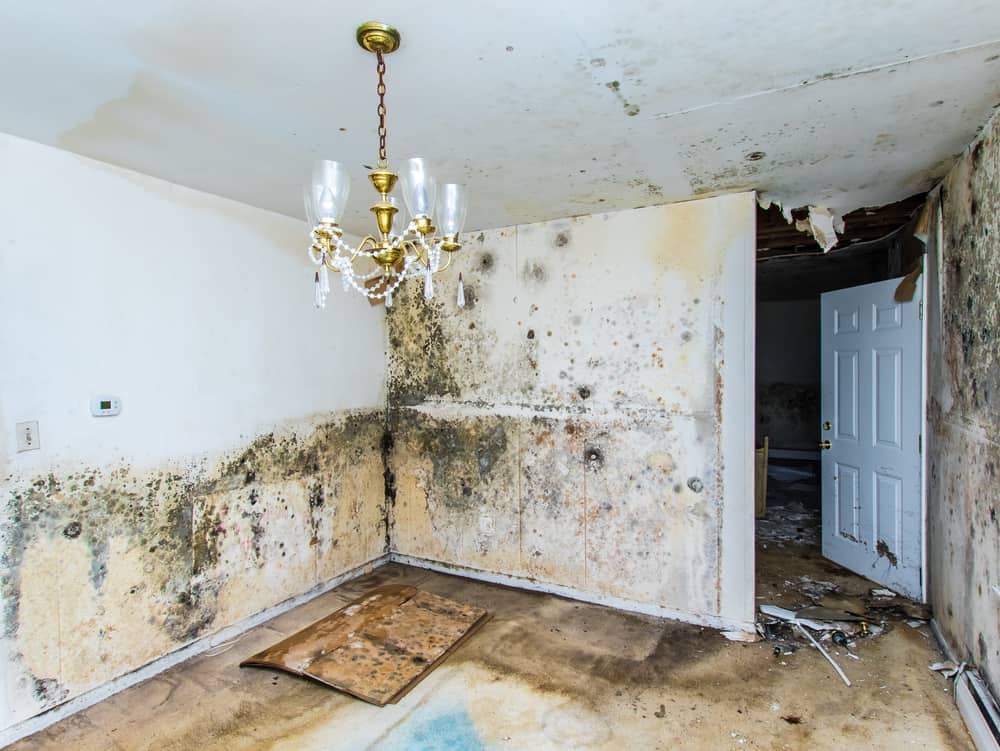
Ready to get started?
Basement and Attic Mold Inspection, North Lindenhurst NY
The inspection covers the full structure not just the area you’re worried about. In North Lindenhurst, that typically means starting in the basement, where concrete block foundations and the South Shore’s shallow water table create the conditions most likely to produce chronic mold growth. It means checking the attic, where inadequate ventilation in older Cape Cod and ranch-style homes traps warm, moist air against the roof deck every summer. And it means looking at the HVAC system, because mold in ductwork circulates through every room in the house without anyone realizing it.
Air sampling is done both inside and outside the home, which gives the lab a control comparison the only way to accurately determine whether indoor spore levels are elevated beyond what’s naturally present in the environment. Surface samples are collected from any area showing visible growth or staining. Moisture readings are taken at multiple points, including areas that look dry but register elevated moisture content on the meter.
The written report you receive at the end isn’t a form letter. It includes the actual lab findings, a breakdown of what was found and where, the likely moisture source driving it, and a clear set of next steps. If you’re going through insurance, we handle the documentation and liaison work from the start so you’re not managing that process on top of everything else.
Does North Lindenhurst's high water table actually cause mold in homes?
Yes and it’s one of the most consistent mold drivers in this area. The South Shore of Long Island sits on a shallow aquifer system where groundwater can rise to within a few feet of the surface after heavy rain or snowmelt. For North Lindenhurst homes built in the 1940s through 1960s, that means concrete block foundations that were never designed with modern waterproofing are in constant contact with moisture pressure from below and the sides.
That moisture doesn’t need a flood to cause mold. It seeps through block walls slowly, keeps humidity elevated in basement air, and saturates insulation over time. By the time you notice a musty smell or see discoloration on a wall, the mold colony has usually been established for weeks or months. A basement mold inspection that includes moisture meter readings and infrared imaging can identify active infiltration points before they become a full remediation project.
How much does a mold inspection cost in North Lindenhurst, NY?
Professional mold inspections in the North Lindenhurst area typically run between $300 and $700 for a standard residential inspection, depending on the size of the home and the scope of testing needed. Homes with multiple areas of concern a wet basement, a suspect attic, and a history of plumbing leaks will be on the higher end because more samples and more time are required to do it properly.
That range can feel significant until you put it next to the alternative. Remediation costs in Suffolk County run from $1,500 on the low end to well over $10,000 for serious infestations in walls or structural materials. Missing mold during a real estate transaction in a market where North Lindenhurst homes are selling around $580,000 can cost far more in price reductions or lost deals than any inspection fee. The inspection isn’t the expensive part the mold you didn’t find is.
What's the difference between a mold inspection and a mold test from a hardware store kit?
DIY mold test kits are designed to detect the presence of mold spores but mold spores are present in virtually every indoor environment. Without a control sample taken outdoors at the same time, there’s no way to know whether what the kit found is elevated, normal, or concerning. The kit gives you a positive result. It doesn’t tell you what species was found, how concentrated the growth is, where it’s coming from, or what needs to happen next.
A professional mold inspection includes accredited laboratory analysis with indoor-to-outdoor comparisons, species identification, spore concentration data, moisture source findings, and a written report you can actually use for insurance claims, real estate disclosure, or remediation planning. New York State requires that anyone conducting a formal mold assessment hold a state-issued Mold Assessor License from the NY Department of Labor. A hardware store kit doesn’t produce findings that meet that standard, and no remediation contractor is legally required to act on it.
Should I get a mold inspection before buying a home in North Lindenhurst?
If you’re buying a home in North Lindenhurst, a mold inspection is one of the more practical things you can do before closing. General home inspectors are not licensed mold assessors they can note suspected mold or moisture concerns, but they cannot sample it, identify the species, or produce the documented findings that a licensed assessment provides. Those are two different things, and buyers sometimes don’t realize that until after they’ve moved in.
North Lindenhurst’s housing stock skews heavily toward post-WWII construction, which means many homes on the market are 55 to 80 years old. Older plumbing, aging roof systems, unfinished or partially finished basements with block foundations, and attic spaces that may not have been accessed in years are all common in this area. A pre-purchase mold inspection gives you documented findings before you’re legally and financially committed and gives you leverage to negotiate repairs or credits if mold is found.
How do I know if the mold in my attic is a serious problem?
Attic mold is one of the most common findings in North Lindenhurst’s Cape Cod and ranch-style homes, and it’s also one of the most underestimated. Because most homeowners don’t access their attic regularly, growth can develop for years without anyone noticing. The typical driver in this area is inadequate ventilation warm, humid air from the living space rises into the attic, hits the cold roof deck, and condenses. Over time, that repeated moisture cycle feeds mold on the wood sheathing and rafters.
Whether it’s serious depends on how far it’s spread, what species is present, and whether the moisture source has been corrected. Surface discoloration on a small section of sheathing with a clear, fixable ventilation issue is a different situation than widespread growth across the entire roof deck. A professional attic mold inspection with air sampling and infrared imaging gives you the data to make that call not a guess based on what you can see from the access hatch with a flashlight.
Can First Response handle both the inspection and remediation for my North Lindenhurst home?
Yes and that’s a meaningful distinction in this market. New York State law actually requires that mold assessment and mold remediation be handled under separate licenses, which means the company doing your inspection must hold a Mold Assessor License and the company doing remediation must hold a Mold Remediator License. We hold both, issued by the NY Department of Labor, which means we can legally and legitimately handle the full scope of work.
What that means practically for a North Lindenhurst homeowner is that you don’t have to find an inspector, then find a remediator, then find a contractor to repair whatever was removed and coordinate all three while managing your household and your commute. We handle the inspection, the remediation, and full structural reconstruction if needed, all under one licensed, insured team. If the work involves an insurance claim common when mold follows water damage from a storm or a plumbing failure we handle the documentation and insurance liaison work from the first call through project completion.
Useful Links
Other Services we provide in North Lindenhurst