
Mold Inspection in Northport, NY
Harbor Air and Old Walls Hide More Than You Think

Hear from Our Customers
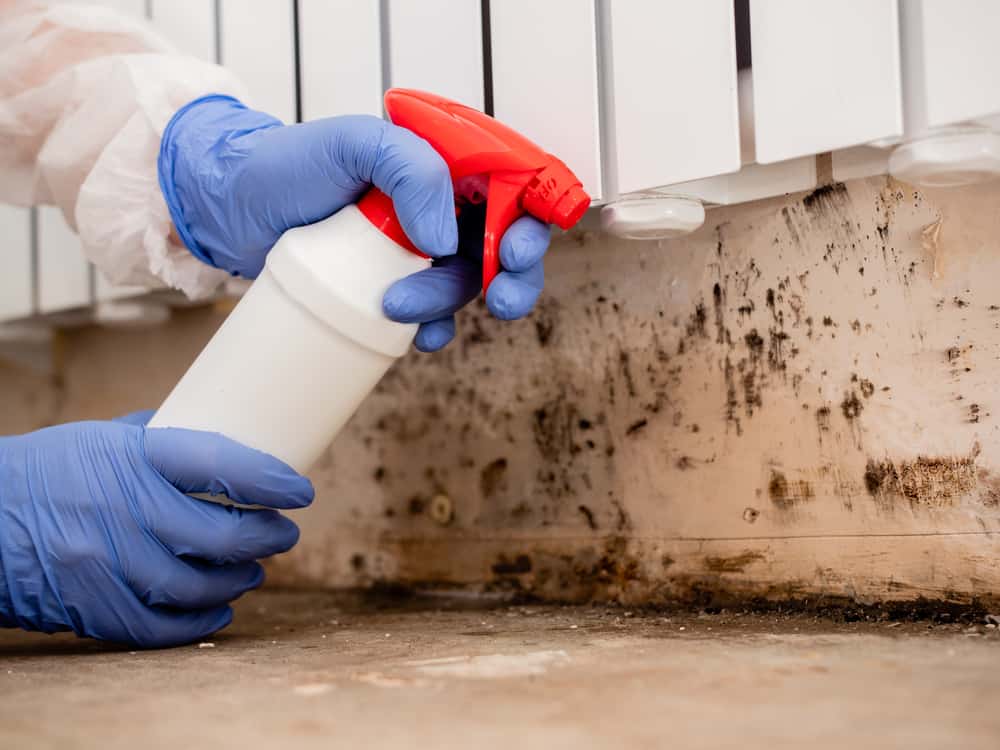
Residential Mold Detection Northport, NY
Most mold problems in Northport aren’t visible. They’re behind the original plaster walls of a home built in 1905, inside an attic that hasn’t been properly ventilated since before your parents were born, or underneath a crawl space floor that’s been absorbing groundwater every spring for decades. By the time you smell something, the problem is usually already significant.
A professional mold inspection changes that. Instead of guessing, you get lab-verified air and surface samples, moisture readings, and a written report that tells you exactly what’s present, where it’s coming from, and what needs to happen next. That’s real information you can act on not a verbal opinion from someone who walked through your house for twenty minutes.
For Northport homeowners specifically, this matters more than most people realize. Living near the harbor means chronic coastal humidity that never fully goes away. The North Shore gets hit with nor’easters that drive water into aging building envelopes. And with nearly all of Northport’s housing stock built before modern moisture barriers existed, the conditions for hidden mold growth are almost always present. An inspection doesn’t just find the problem it tells you how serious it is and whether your home is safe.
Mold Inspection Company Northport, NY
We’ve been serving Suffolk County homeowners for over three decades. That’s not a marketing number it means we’ve inspected hundreds of North Shore properties, from harbor-adjacent Victorians in Northport Village to mid-century homes in East Northport and everything in between. We know what old construction looks like from the inside, and we know exactly where moisture hides in it.
We hold New York State licenses for both mold assessment and mold remediation both legally required in New York since 2016 and every technician on our team carries IICRC certification. Not just the owner. Everyone. When we show up to your home on Bayview Avenue or anywhere else in the 11768, you’re getting a credentialed, experienced team that’s been doing this work on Long Island longer than most of our competitors have existed.
If the inspection finds something that needs to be addressed, we can handle remediation and reconstruction under the same roof. One call, one company, start to finish.
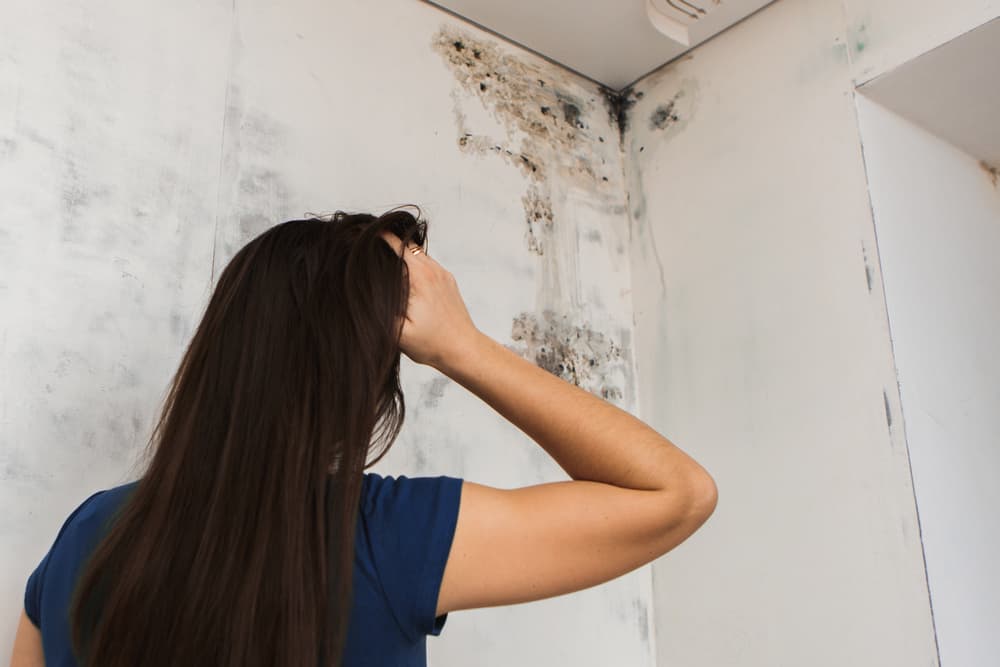
Professional Mold Assessment Process Northport, NY
We start with air testing collecting airborne spore samples from inside your home and comparing them against outdoor control samples. This comparison is critical. It’s what separates a professional mold inspection from a surface-level walkthrough. If indoor spore counts are elevated relative to outside, that tells us something real is happening inside the building envelope.
From there, we collect swab samples from any visible surface growth, measure moisture levels throughout the property using calibrated instruments, and conduct a full water intrusion inspection to identify where moisture is entering. In Northport’s older homes many of which have stone foundations, original plaster walls, and attic spaces with inadequate ventilation this step often reveals problems that have been building for years without any visible sign. We also use infrared thermal imaging to detect temperature differentials behind walls and under floors, which allows us to find hidden moisture without cutting into historic finishes or original woodwork.
Every sample goes to an accredited third-party laboratory for analysis. When results come back, you receive a written report with specific findings, identified mold species, spore concentrations, and a clear outline of recommended next steps. Because Northport is an incorporated village with its own architectural review board and historic preservation ordinances, our documentation is also structured to support any permits or village-level review that may be required for remediation work on a historic property.
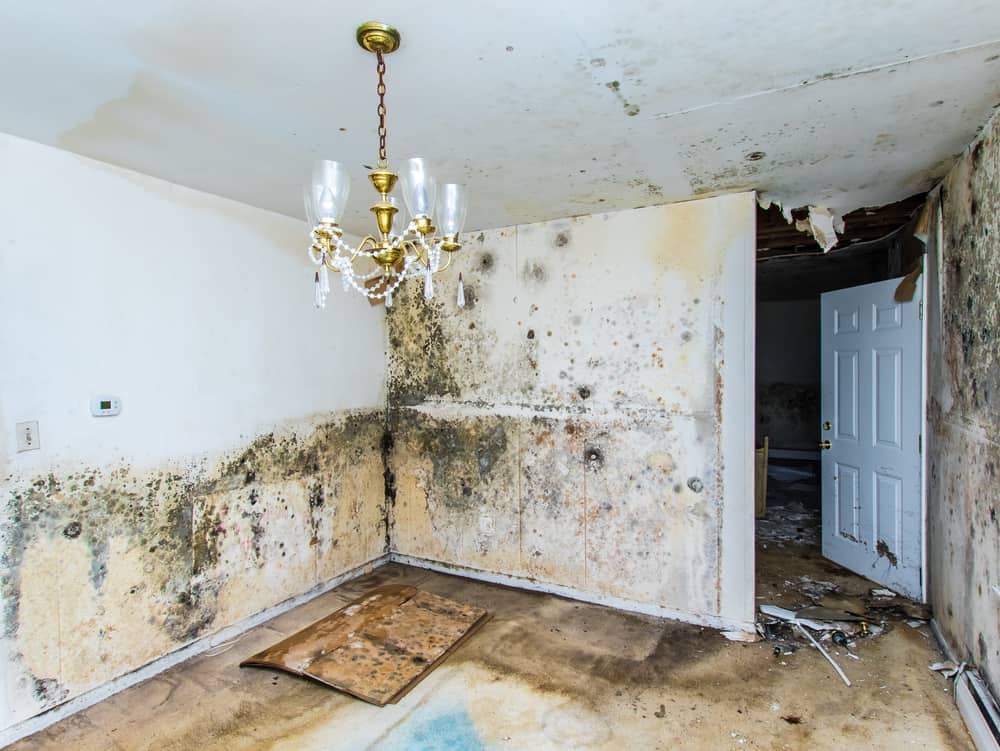
Ready to get started?
Indoor Air Quality Testing Northport, NY
A mold inspection from us isn’t a visual scan and a verbal opinion. It’s a documented, multi-point assessment that covers air quality, surface growth, moisture sources, and hidden conditions all backed by lab results from an accredited independent laboratory.
For Northport homeowners, that scope matters because the most common mold problems here aren’t the ones you can see. Attic mold on the underside of steep Victorian roof decks. Crawl space mold fed by groundwater working through the terminal moraine soil after a heavy spring rain. Moisture trapped inside wall cavities after a nor’easter pushed water through an aging window frame or a deteriorating roofline. These are the conditions we look for specifically because we’ve been finding them in North Shore homes for over thirty years.
The inspection also covers damage assessment and includes documentation suitable for insurance claims and real estate transactions. If you’re buying or selling a home in Northport’s competitive market where properties regularly trade at $600,000 and above lab-verified inspection results are the kind of documentation that protects a deal from falling apart at the last minute. And if remediation is needed, we handle that too, along with any reconstruction required to restore the affected areas. You don’t need to find a second company or a third. We take it from the inspection through the finished repair, fully licensed and insured under New York State requirements throughout.
How much does a mold inspection cost in Northport, NY?
A professional mold inspection in Northport typically falls between $300 and $700, depending on the size of the property, how many samples we collect, and whether specialized testing like infrared thermal imaging is used. For a smaller home or condo, you’re generally on the lower end of that range. For a larger Victorian-era property with multiple floors, an attic, and a basement or crawl space which describes a lot of homes in Northport Village expect the inspection to be more comprehensive and priced accordingly.
What’s worth understanding is that the inspection fee covers the process and the lab analysis, not just the visit. Accredited laboratory testing costs money, and that’s what gives you results that are defensible for insurance purposes, for real estate transactions, or for your own peace of mind. A cheap inspection that skips lab testing isn’t really a mold inspection. It’s a walkthrough. The written report you receive after a proper inspection is a document you can actually use.
What are the signs I actually need a mold inspection in my home?
The most obvious sign is a persistent musty smell one that doesn’t go away when you open windows or run the HVAC. If you’re noticing that smell in a specific room, near a particular wall, or in your attic or basement, that’s a meaningful signal. Other signs include visible dark staining on walls or ceilings that keeps returning after you clean it, unexplained allergy-like symptoms that improve when you leave the house, or water damage that wasn’t fully dried out within 24 to 48 hours of the event.
In Northport specifically, there are a few situations that come up regularly. Homes along the harbor and throughout the village sit in a high-humidity coastal environment year-round, which accelerates mold growth in ways that inland homes don’t experience. After a nor’easter or a significant rain event, water intrusion into older building envelopes is common and if that moisture isn’t identified and addressed quickly, mold can establish itself inside wall cavities within days. If your home is pre-1980 construction and you’ve never had a mold inspection, that alone is a reasonable reason to schedule one.
Does Northport's older housing stock make mold problems more likely?
Yes, and significantly so. Less than one percent of Northport’s housing units were built after the year 2000. That means the overwhelming majority of homes in the village were constructed before modern vapor barriers, moisture-resistant building materials, and current ventilation standards existed. Victorian-era homes and there are many of them along Main Street and Bayview Avenue were built with stone or brick foundations that have no waterproofing membrane, wood framing that has been absorbing moisture for over a century, and attic spaces with ventilation systems that were never designed to handle the humidity levels Long Island’s North Shore produces.
This doesn’t mean every old home in Northport has a mold problem. It means the conditions that allow mold to develop are present in almost all of them. Inadequate attic ventilation, crawl spaces without vapor barriers, original single-pane windows with chronic condensation, and cast-iron plumbing that develops slow leaks inside wall cavities are all documented mold risk factors and they’re all common in Northport’s housing stock. An inspection gives you a clear picture of what’s actually happening inside your specific home, rather than assuming everything is fine because nothing is visible.
Can mold inspection results be used for a real estate transaction in Northport?
Yes, and this comes up frequently in Northport’s real estate market. When homes are selling at $600,000 and above, buyers want documented evidence that there’s no hidden mold before they close and sellers who can provide that documentation avoid the kind of last-minute discoveries that kill deals or force renegotiation. A professional mold inspection with lab-verified results from an accredited laboratory gives both parties something concrete to work with, rather than relying on a buyer’s inspector who may or may not have the equipment or credentials to assess mold properly.
For sellers, addressing any findings before listing is almost always the better financial decision. A mold issue discovered during a buyer’s inspection becomes a negotiating tool. The same issue resolved before listing with documentation showing clearance becomes a selling point. For buyers, a pre-purchase mold inspection in Northport is especially important given the age of the housing stock. You’re often buying a home that’s 80 to 130 years old. Knowing its mold history before you close is not excessive caution it’s basic due diligence on a major investment.
What's the difference between mold testing and mold remediation, and do I need both?
Mold inspection and testing is the assessment phase it determines whether mold is present, what type it is, how concentrated it is, and where the moisture source is coming from. Remediation is the removal and cleanup phase. In New York State, these two functions are legally required to be licensed separately, and a company that does both must hold a NY State Mold Assessor license and a NY State Mold Remediator license two distinct credentials issued by the NY Department of Labor.
Whether you need both depends on what the inspection finds. If the results come back clean, remediation isn’t necessary. If the lab results show elevated mold concentrations or identify active growth, remediation is the logical next step. We hold both licenses and can move from inspection to remediation without requiring you to find and vet a second company. That continuity matters in practice the team that did the inspection already knows your home’s layout, the moisture sources involved, and the scope of the problem. There’s no handoff gap where details get lost or the project stalls.
How does Northport's location near the harbor affect mold risk in my home?
Northport’s position directly on the harbor, with Long Island Sound to the north, creates a moisture environment that’s fundamentally different from inland communities. Coastal humidity in this area is chronically elevated, particularly from late spring through early fall. Salt air from the Sound is absorbed by wood framing, insulation, and masonry over time creating persistent moisture conditions inside building materials even when there’s no visible water damage. That kind of slow, sustained moisture exposure is exactly what mold needs to establish itself inside walls, attic spaces, and crawl spaces without producing any outward signs.
The storm exposure adds another layer. Nor’easters that track along the North Shore produce sustained wind-driven rain that penetrates the aging building envelopes common throughout Northport Village. Every significant storm is a potential moisture event, and in a home built before modern weather barriers existed, that water doesn’t always stay where it lands. It works its way into wall cavities, under roof sheathing, and into crawl spaces and if it isn’t identified and dried out within 24 to 48 hours, mold growth can follow within days. For homeowners near the harbor, routine mold inspection isn’t an overreaction. It’s appropriate maintenance for the environment your home is actually in.
Useful Links
Other Services we provide in Northport