
Mold Inspection in Northville, NY
North Fork Homes Hide Mold Better Than Most
Hear from Our Customers
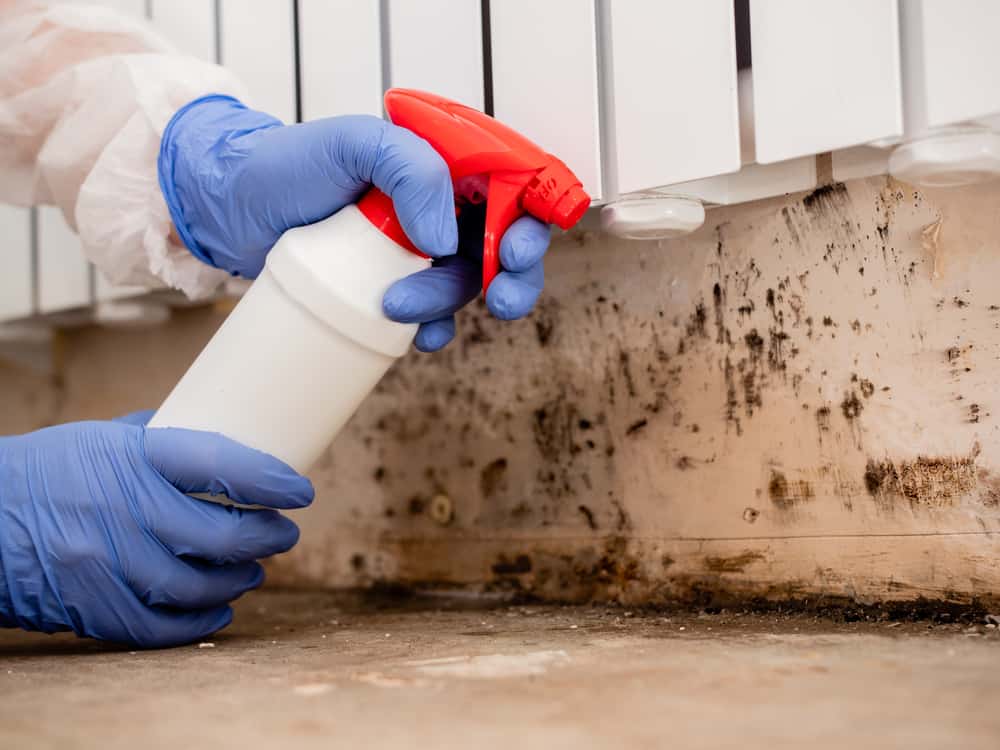
Residential Mold Assessment in Northville
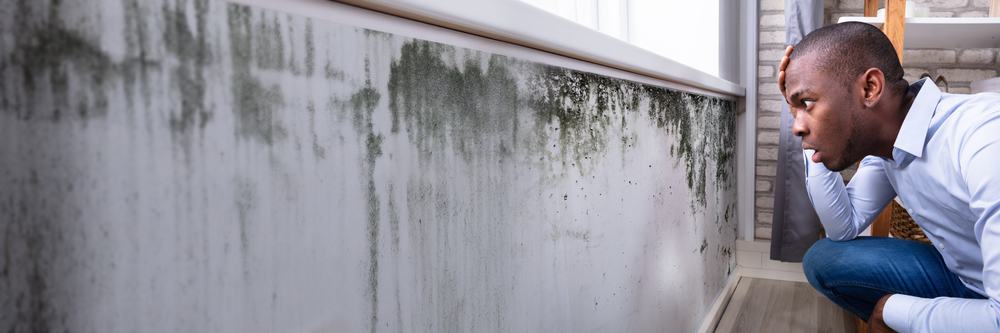
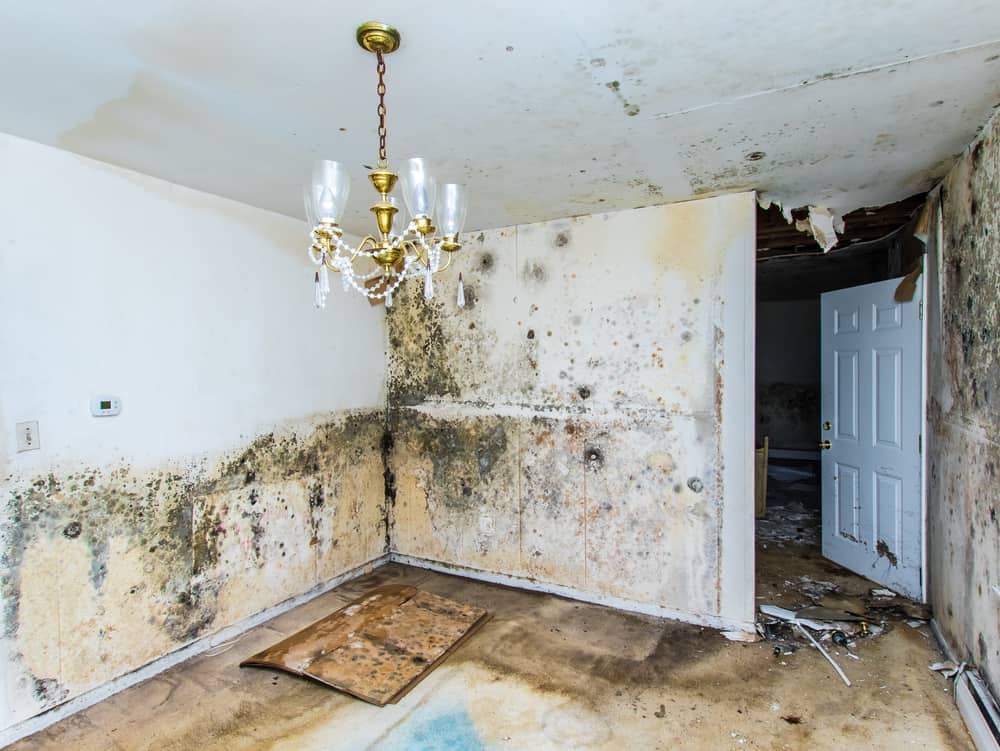
Most mold problems in Northville don’t start with something you can see. They start with a smell you can’t quite place, a family member with unexplained symptoms, or a crawl space that hasn’t been looked at since the home was built. By the time visible mold shows up, it’s usually been growing behind walls or beneath floors for months sometimes years.
The North Fork’s geography makes this worse than most people realize. Northville sits between Long Island Sound to the north and Peconic Bay to the south, and that dual-water exposure keeps ambient humidity consistently elevated through spring, summer, and fall. That moisture doesn’t just stay in the air it works its way into wood framing, attic insulation, and the older building materials common in this area’s housing stock. Homes that were built before modern moisture-resistant standards are especially vulnerable, and many of them haven’t had a professional assessment in years, if ever.
A thorough mold inspection gives you the full picture what’s there, where it is, what species it is, and exactly what needs to happen next. That information protects your health, your home’s value, and your ability to make smart decisions about the property. On the North Fork, where real estate values have climbed significantly, discovering mold after a transaction instead of before it is an expensive mistake that a professional inspection could have prevented.
Licensed Mold Inspection Company in Northville
We’ve been serving Northville and Suffolk County homeowners for over three decades long before most of today’s national franchise brands discovered the North Fork market. That kind of longevity isn’t accidental. It comes from consistently doing the work right and from actually knowing the communities, housing conditions, and seasonal patterns that define this part of Long Island.
We hold New York State licenses in both Mold Assessment and Mold Remediation the two credentials required under Article 32 of the NY State Labor Law since 2016. Every technician on our staff carries IICRC certification, not just the owner. When someone arrives at your home on Northville Turnpike or along Sound Avenue, they’re qualified to the same standard as the person who took your call.
If the inspection reveals contamination that has reached structural materials, we can carry the project from that first assessment through full remediation and reconstruction without you having to find and coordinate a second contractor in an area where scheduling availability can already be limited.
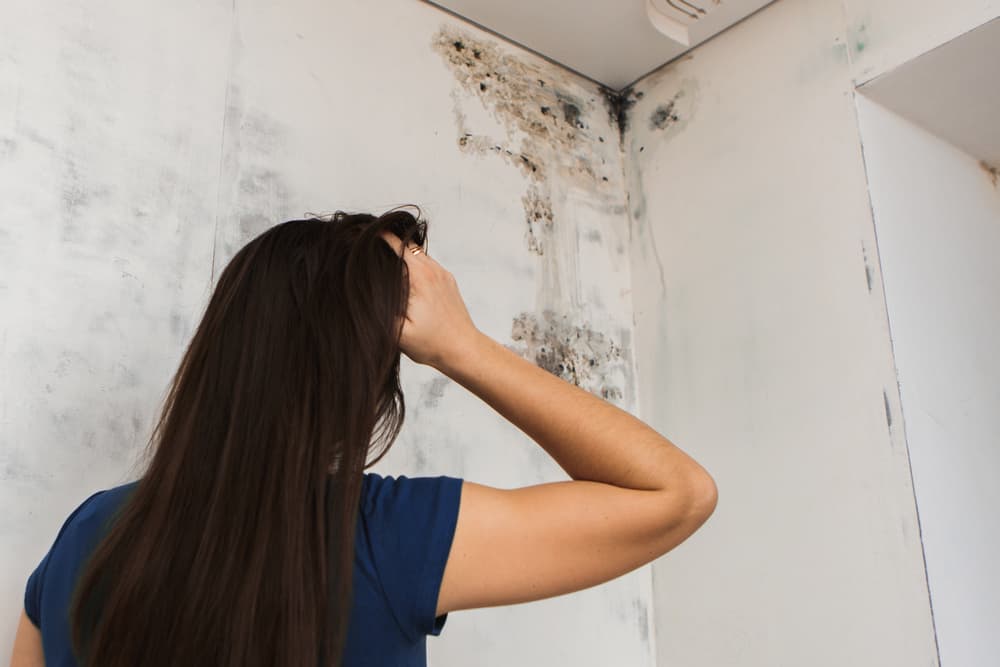
Mold Detection Services in Northville, NY
The inspection starts with a full walkthrough of the property not a quick visual scan, but a systematic look at the areas where moisture tends to accumulate in North Fork homes: crawl spaces, attic insulation, basement walls, and any areas with a history of water intrusion or storm-related damage. Northville’s older housing stock means these areas often haven’t been properly assessed in years, so this initial evaluation sets the baseline for everything that follows.
From there, airborne spore sampling and surface swab collection are conducted throughout the home. These samples go directly to a certified, accredited laboratory not an in-house kit, not an unverified third party. Alongside the sampling, infrared thermal imaging is used to detect moisture and mold activity hidden inside wall cavities, beneath flooring, and within ceiling assemblies. This technology is how problems get found in places a visual inspection simply cannot reach.
Once lab results are back, you receive a written report in plain language mold species identified, spore concentration levels, moisture sources pinpointed, and specific remediation steps outlined. New York State requires that mold assessment and remediation be handled by separately licensed parties, and we hold both licenses, meaning the process stays compliant from start to finish. If remediation is needed, the path forward is already in place.
Ready to get started?
Indoor Air Quality Testing for Mold in Northville
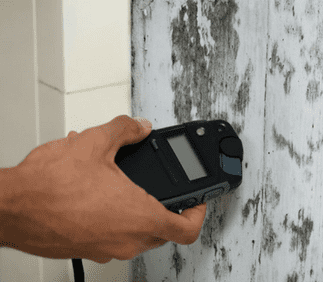
Our mold inspection process covers five documented areas: airborne spore sampling, surface swab collection, water intrusion source identification, moisture level measurement with calibrated meters, and photographic documentation of every mold source found. Infrared thermal imaging is incorporated throughout to surface what standard visual inspections miss particularly relevant in Northville’s older homes where original construction materials and decades-old insulation create ideal conditions for hidden moisture accumulation.
Every sample is processed by an accredited laboratory, which matters beyond just accuracy. For homeowners involved in a real estate transaction on the North Fork where property values have risen sharply lab-verified documentation is what holds up during negotiations, disclosures, and insurance claims. A verbal assessment or a store-bought test kit doesn’t provide that protection. Suffolk County’s Town of Riverhead may also require building permits for any remediation work that involves structural modifications, and having proper documentation from the start keeps that process clean.
The inspection concludes with a comprehensive written report that summarizes findings in plain language. No raw data dumps, no confusing lab jargon just a clear explanation of what was found, where it is, what it means for your home, and what the recommended next steps are. For homeowners who’ve lived in their Northville property for decades, or buyers closing on a home near Meeting House Creek or along the agricultural corridors off Sound Avenue, that clarity is what actually helps you move forward.
How much does a professional mold inspection cost in Northville, NY?
Mold inspection costs nationally fall somewhere between $303 and $1,043, with most homeowners landing in the $400–$700 range depending on the size of the property and the scope of testing required. For a Northville home which may include a crawl space, an older attic, and a basement the inspection scope tends to be more thorough than what a smaller, newer property would require, which can affect the final cost.
The more useful way to think about this number is in context. Mold remediation, if a problem is found, typically runs $1,150 to $3,400 for moderate contamination and can reach $20,000 or more in severe cases involving structural materials. On the North Fork, where home values have climbed considerably, documented mold issues can also reduce a property’s value by 20 to 37 percent. Spending a few hundred dollars on a professional inspection before a problem escalates or before a real estate transaction closes is straightforwardly the cheaper option in almost every scenario.
What are the most common signs I need a mold inspection in my Northville home?
The most obvious sign is visible mold dark spots on walls, ceilings, or around windows. But most mold problems in Northville don’t start there. They start with a persistent musty smell in a basement or crawl space, with family members experiencing unexplained respiratory symptoms, or with a history of water intrusion from a storm, a slow leak, or seasonal moisture accumulation that was never fully dried out.
The elevated ambient humidity from Long Island Sound and Peconic Bay means that even Northville homes without a specific water event can develop mold growth over time particularly in poorly ventilated attics and crawl spaces. If you’ve opened a seasonal property in the spring and noticed something off, or if your home is older and has never had a professional assessment, those are both strong reasons to schedule an inspection. Waiting for visible mold to appear means waiting until the problem is already well-established.
Does New York State require a license to perform mold inspections in Northville?
Yes. Under Article 32 of the New York State Labor Law, which took effect January 1, 2016, anyone performing mold assessment or mold remediation work in New York State must hold a license issued by the NY Department of Labor. This applies to all work performed in Northville and throughout Suffolk County there are no exceptions for small jobs or residential properties.
This matters because a significant number of providers appearing in local search results for the Northville and Riverhead area are either out-of-state companies using geo-targeted landing pages or operators who don’t hold the required NY State credentials. Homeowners can verify any company’s licensing status directly through the NY Department of Labor’s online search tool before hiring. We hold both the Mold Assessor license and the Mold Remediator license the two separate credentials the state requires and both are verifiable through that same tool.
Should I get a mold inspection before buying a home in Northville, NY?
A pre-purchase mold inspection is one of the most straightforward ways to protect yourself in a North Fork real estate transaction. Standard home inspections are not mold inspections they don’t include air sampling, surface swabs, or lab analysis, and the inspector is not licensed as a mold assessor under New York State law. A general inspector might note visible water staining or flag a concern, but they won’t tell you what species of mold is present, what the spore concentration levels are, or what remediation would actually involve.
For a property in Northville where older construction, crawl spaces, and years of maritime humidity exposure are common the gap between what a standard inspection covers and what a mold inspection covers can be significant. If mold is discovered after closing, it becomes your problem entirely. If it’s discovered before closing, you have documented findings, negotiating leverage, and the option to walk away. Given where North Fork property values are right now, the cost of a professional mold inspection before closing is a straightforward investment in knowing what you’re actually buying.
Can mold grow in a home that hasn't had any obvious water damage?
Yes, and this is one of the more common misconceptions homeowners in Northville run into. Mold doesn’t require a flood or a burst pipe to establish itself it only needs a moisture level above 60 percent relative humidity sustained over time, which is a condition that the North Fork’s coastal climate creates regularly without any single water event. Attics with inadequate ventilation, crawl spaces with ground moisture seeping up through older foundations, and HVAC systems that haven’t been serviced in years are all common sources of mold growth in homes that have never experienced visible water damage.
Seasonal-use properties are particularly vulnerable to this pattern. A home that sits minimally heated through a North Fork winter with humidity cycling through the structure unchecked can develop significant mold growth by spring without any dramatic event triggering it. The same applies to homes where an older forced-air system or baseboard heating setup doesn’t adequately manage indoor humidity. If the home is older and hasn’t been professionally assessed, the absence of a known water event is not a reliable indicator that mold isn’t present.
How long does a mold inspection take, and do I need to leave my home during it?
Most residential mold inspections take between two and four hours, depending on the size of the property and how many areas require sampling. For a typical Northville home which may include a basement, crawl space, attic, and multiple living areas plan for closer to three hours if a thorough inspection is being done. Infrared thermal imaging adds time to the process, but it’s also what allows the inspection to cover areas that a faster walkthrough would miss entirely.
You don’t need to leave your home during the inspection itself. The process isn’t disruptive no walls are opened, no materials are removed. Our technician moves through the property systematically, collecting samples and documenting findings. The waiting period comes after: lab results typically take a few days to come back, and the written report is compiled once those results are in. We provide that report in plain language, so when you sit down to read it, you’re not trying to decode raw data you’re reading a clear summary of what was found and what it means for your home.
Useful Links
Other Services we provide in Northville