
Mold Inspection in Old Bethpage, NY
Old Bethpage Homes Hide Mold Better Than Most
Hear from Our Customers
Residential Mold Inspection Old Bethpage
Most Old Bethpage homes were built in the 1940s. That means original plumbing, original ventilation, and decades of moisture working its way into places that got finished over and forgotten. By the time you notice something a smell, a stain, a family member who keeps getting sick the problem behind the drywall is usually much bigger than what’s visible on the surface.
A professional mold inspection gives you a clear picture of what’s actually there. Not a guess. Not a visual scan. Lab-tested air samples, surface swabs, moisture readings, and a written report that tells you exactly what species are present, where the moisture source is, and what needs to happen next. That documentation matters whether you’re dealing with an insurance claim, a real estate transaction, or just trying to protect your family.
Old Bethpage sits alongside Bethpage State Park over 1,500 acres of wooded terrain that naturally elevates outdoor mold spore counts year-round. We compare your indoor air quality against the outdoor baseline specific to your environment, not a national average. It’s a meaningful difference, and it’s the only way to accurately determine whether what’s inside your Old Bethpage home is a real problem or normal background levels for this area.
Licensed Mold Inspector Nassau County NY
We’re based on Long Island and have been serving Nassau County homeowners for over three decades. Our owner, Richard Peterson, holds personal New York State Department of Labor licenses in both mold assessment and mold remediation under Article 32 the state law that’s required every mold professional in New York to be licensed since 2016. Every technician on our team is IICRC-certified. Not just the senior staff. Everyone.
That matters in Old Bethpage specifically because the homes here aren’t generic. Cape Cods, split-levels, finished basements this is a housing stock that requires someone who’s actually worked in it. We’ve spent 31 years inspecting post-war Nassau County homes along Old Country Road and Round Swamp Road in this area. We know where moisture hides in this era of construction, and we know what it looks like when it’s been there a while.
Mold Detection Services Old Bethpage NY
The inspection starts with a full walkthrough not a quick look around, but a systematic evaluation of every area where moisture can enter or accumulate. In Old Bethpage homes, that typically means the basement first, then the attic, then any areas around plumbing, HVAC systems, and exterior walls. Older homes in this ZIP code often have finished basements that conceal the foundation wall entirely, so we go beyond what’s visible.
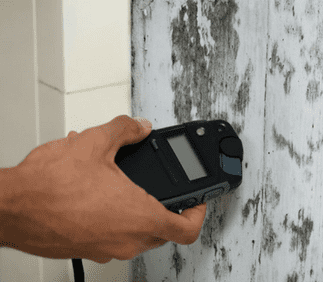
From there, we collect air samples from inside your home and outside that external sample is the baseline specific to your property’s environment near Bethpage State Park. Surface swabs are taken from any areas of visible concern. We use moisture meters and infrared technology to detect temperature anomalies behind walls and under floors without opening anything up. All samples go to a certified laboratory for analysis.
When results come back, you receive a written report. It includes the lab findings, mold species identification, spore concentration levels, moisture source documentation, and specific recommended next steps. If your situation involves an insurance claim which is common after basement flooding or a pipe failure in these older homes we format the report to meet what adjusters actually need. You’re not left decoding lab data on your own.
Ready to get started?
Home Mold Testing Old Bethpage NY
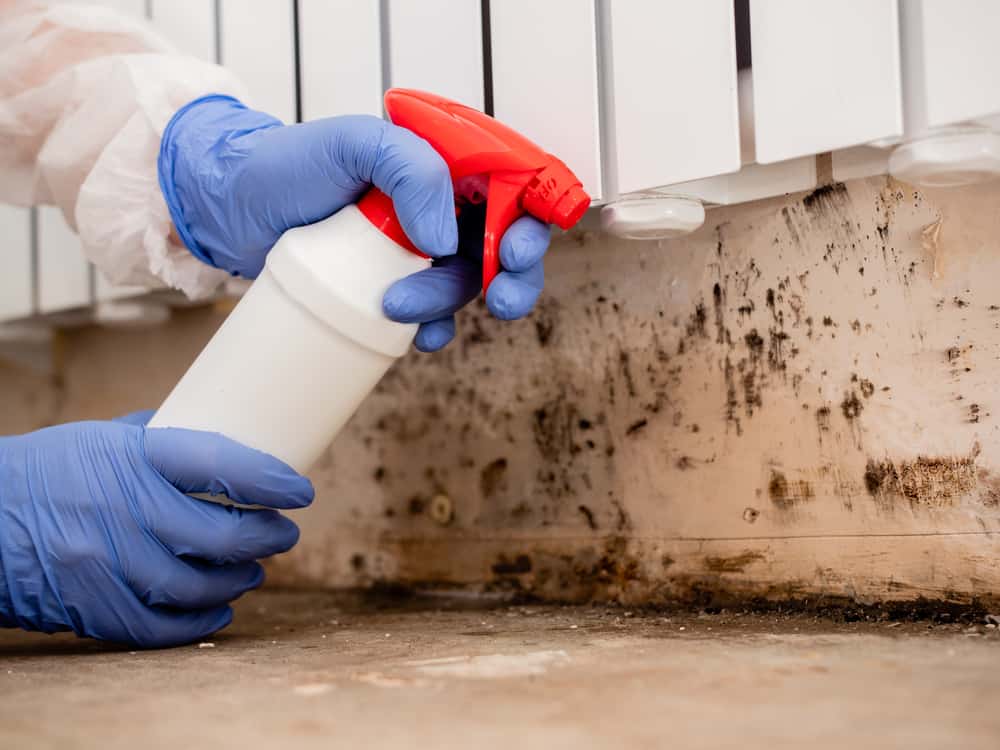
Our inspection follows a five-point protocol: air testing, surface swab sampling, water intrusion evaluation, moisture level measurement, and infrared detection for hidden mold. Photographic documentation is included throughout. The indoor-to-outdoor air particle comparison is a standard part of every inspection not an add-on.
Because Old Bethpage homes commonly feature finished basements and Cape Cod attic configurations, we structure the inspection to assess both zones thoroughly. Attic mold in this area is frequently traced to bathroom exhaust fans that were vented directly into the attic space rather than through the roof a common installation from the era when most of these homes were built. Basement mold is often found behind finished walls where groundwater intrusion has been slow and silent for years.
If you’re buying or selling a home in the Plainview-Old Bethpage school district where median values are approaching $874,000 the written lab report from a licensed NYS mold assessor is the only documentation that carries weight with buyers, attorneys, and lenders. A visual inspection from an unlicensed contractor doesn’t meet that standard, and in New York State, fines for unlicensed mold work can reach $10,000 per violation. We’re fully licensed, bonded, and insured. Our service is available 24 hours a day, seven days a week.
How do I know if my Old Bethpage home actually has a mold problem?
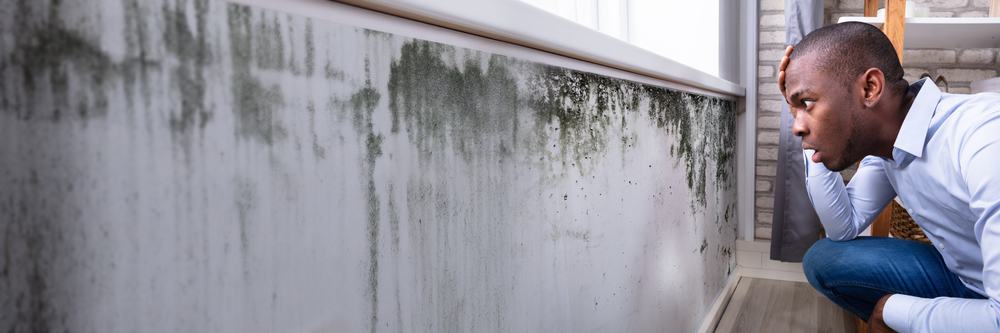
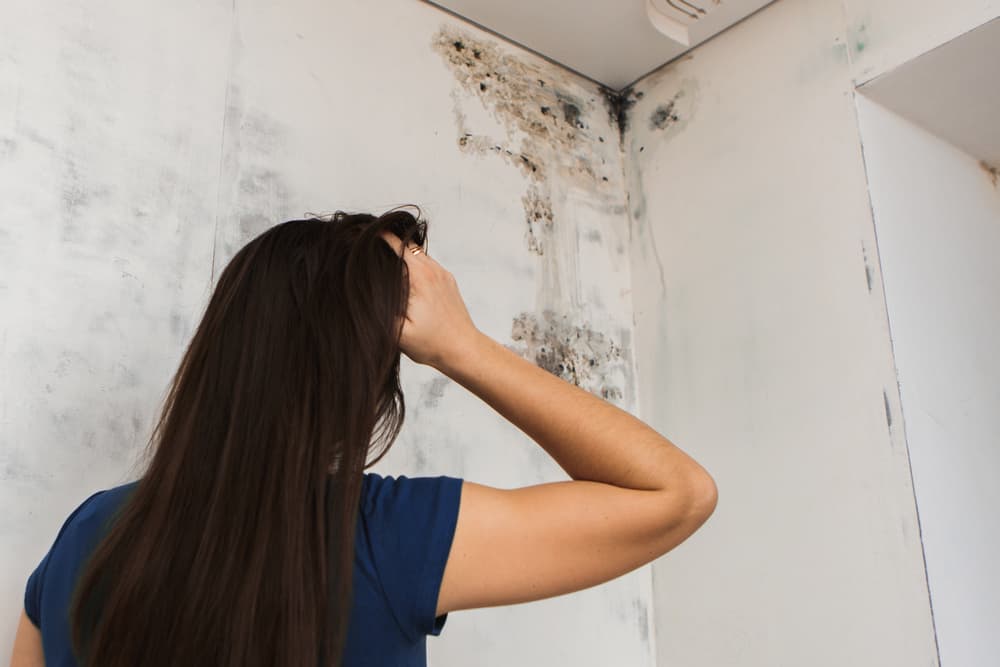
The honest answer is that you often can’t tell without testing. Mold in older homes and most Old Bethpage homes were built in the 1940s tends to develop inside wall cavities, behind finished basement panels, and in attic spaces where it’s out of sight for years. By the time there’s a visible patch or a persistent musty smell, the growth has usually spread well beyond what you can see.
Common indicators worth taking seriously include a smell that doesn’t go away after cleaning, unexplained respiratory issues or allergy symptoms that improve when you leave the house, water stains that appeared after a storm or a slow leak, or a basement that’s felt damp for longer than you can remember. Any one of these is a reasonable reason to have the air and surfaces tested. A professional mold inspection gives you actual data not a guess so you’re making decisions based on lab results, not assumptions.
What does a professional mold inspection cost in Old Bethpage, NY?
Nationally, mold inspection costs typically fall between $300 and $1,050, with most homeowners landing around $600 to $800 depending on home size and the scope of testing. In Old Bethpage, where homes tend to be larger and often include finished basements and attic spaces that require separate evaluation, you should expect to be in the middle-to-upper end of that range for a thorough inspection.
What matters more than the number is what you’re getting for it. A proper inspection includes air sampling, surface swabs, moisture measurement, infrared scanning, lab analysis, and a written report with specific findings not just a technician walking through and giving you a verbal opinion. That written report is what your insurance company, your real estate attorney, and the Nassau County Department of Health will actually accept. A cheaper inspection that doesn’t produce certified lab results isn’t saving you money it’s just leaving the question unanswered.
Does mold inspection in Old Bethpage include testing for black mold specifically?
Yes air sampling and surface swabs collected during the inspection are sent to a certified laboratory that identifies specific mold species, including Stachybotrys chartarum, which is what most people mean when they say “black mold.” The lab results will identify every species present and at what concentration levels, so you’re not left wondering whether what’s growing is hazardous or relatively benign.
It’s worth knowing that black mold is not actually the most common mold found in Nassau County homes. Cladosporium, Penicillium, and Aspergillus are far more frequently detected and some of them can be just as problematic at elevated concentrations. The goal of the inspection isn’t just to confirm or rule out one specific species. It’s to give you a complete picture of what’s in your air and on your surfaces, so any remediation plan addresses the actual problem, not just the one you were worried about.
Can mold grow in my finished basement even if I've never seen water in it?
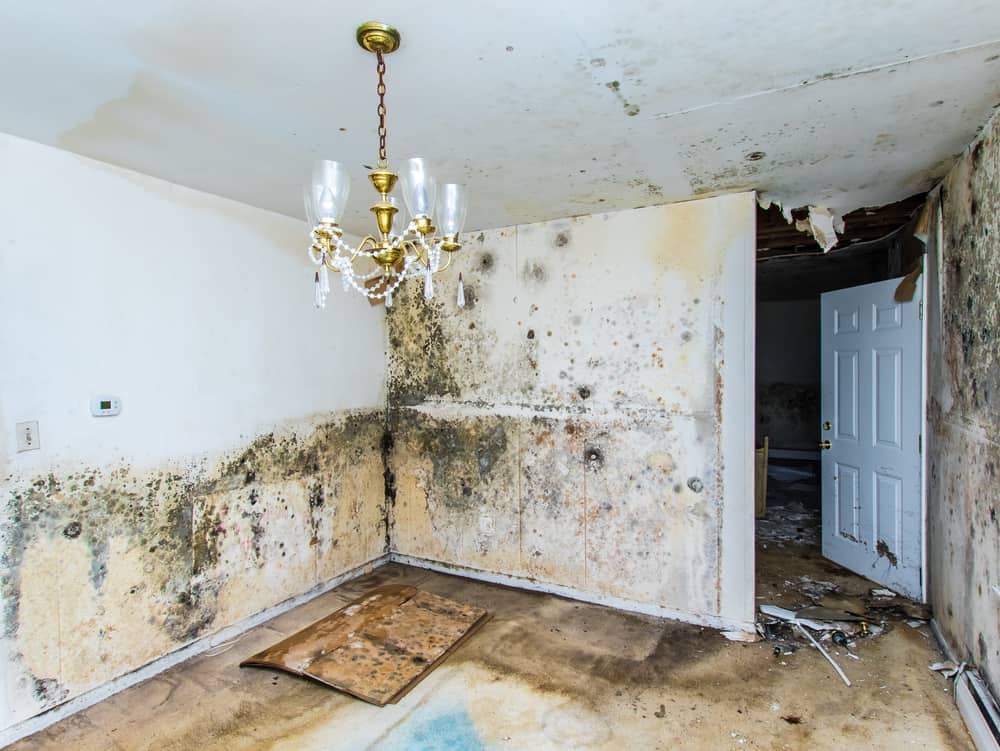
This is one of the most common situations we encounter in Old Bethpage. Finished basements conceal the foundation wall behind drywall, insulation, and paneling which means slow moisture intrusion from the exterior can go completely unnoticed for years. Long Island’s water table and Nassau County’s soil conditions mean that groundwater pressure on foundation walls is a real and ongoing factor, especially in homes built in the 1940s before modern waterproofing standards existed.
You don’t need standing water for mold to grow. Consistent humidity above 60% which Nassau County summers routinely produce is enough for mold to establish itself on drywall paper, wood framing, and insulation inside a finished wall cavity. Infrared scanning during the inspection can detect temperature differences that indicate moisture behind finished surfaces without opening walls. If there’s a moisture problem behind your basement walls, we’ll find it before it becomes a much larger remediation project.
Is a mold inspection required before selling a home in Old Bethpage, NY?
New York State does not legally require a mold inspection as a condition of sale, but in practice especially in Old Bethpage’s real estate market it has become a standard expectation. With median home values approaching $874,000 in this ZIP code, buyers and their attorneys routinely request mold inspection documentation as part of the due diligence process. A home in the Plainview-Old Bethpage Central School District at this price point draws serious buyers who are going to look closely at everything.
If mold is discovered during a buyer’s own inspection after the fact, it can kill the deal entirely or result in significant price reductions and remediation demands. Having a current, lab-backed mold inspection report from a licensed NYS mold assessor before listing puts you in a much stronger position. It removes a major unknown from the transaction, builds buyer confidence, and gives you documentation that holds up legally if any questions arise after the sale.
Does homeowners insurance cover mold inspection and remediation in Old Bethpage?
It depends on the cause. Most homeowners insurance policies in New York will cover mold remediation if the mold resulted directly from a covered water damage event a burst pipe, an appliance failure, storm-related flooding. What they typically won’t cover is mold from long-term neglect, gradual seepage, or moisture that built up over time without a sudden, identifiable cause.
The key to a successful insurance claim is documentation. The mold inspection report needs to clearly establish what the mold is, where it is, and what caused the moisture that allowed it to grow. We train our technicians to produce reports formatted specifically for insurance adjusters with lab results, photographic evidence, moisture source documentation, and a clear chain of causation. In a community like Old Bethpage where older homes are more vulnerable to pipe failures and storm intrusion, having that documentation done right the first time can be the difference between a covered claim and an out-of-pocket remediation.
Useful Links
Other Services we provide in Old Bethpage