
Mold Inspection in Old Brookville, NY
Gold Coast Homes Deserve More Than a Flashlight and a Guess
Hear from Our Customers
Nassau County Mold Detection Services
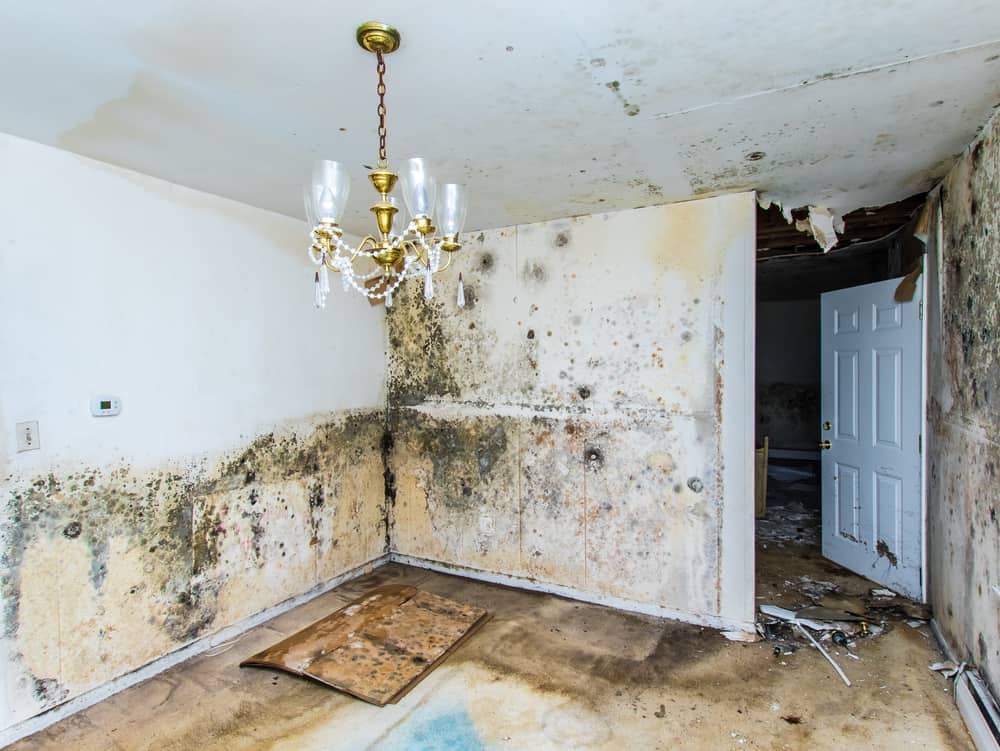
When you’re living in a home that might span 8,000 square feet across multiple wings, a basement, an attic, and a carriage house, a surface-level walkthrough doesn’t cut it. Mold in these structures doesn’t always announce itself it grows inside walls, beneath floors, and behind paneling for months before anyone notices. What you get from a real inspection is clarity: exactly where the problem is, how far it’s spread, and what needs to happen next.
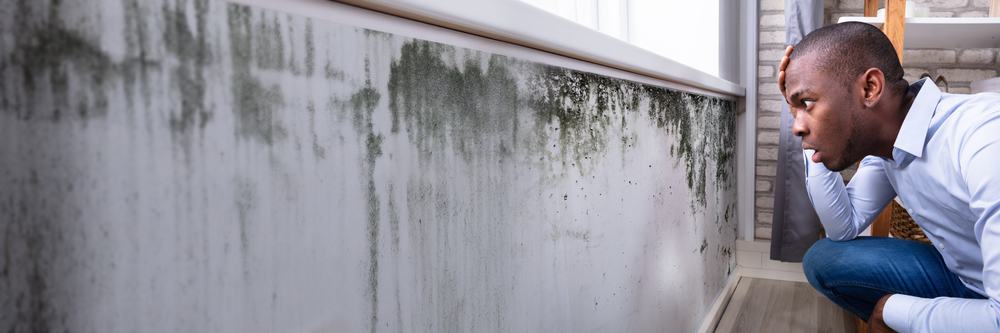
Old Brookville’s mature tree canopy and heavily shaded lots create conditions where moisture lingers longer than most homeowners realize. Soil stays wet near foundations well after a rainstorm. Exterior surfaces dry slowly. That persistent moisture, combined with the age of many Gold Coast-era homes built before modern vapor barriers existed, means hidden mold is a genuine risk not a remote one. A thorough inspection gives you documented answers, not guesses.
If you’re in the middle of a real estate transaction and with median sale prices at $3.5 million in Old Brookville, that’s a high-stakes moment you need a written report backed by certified lab results. Not a verbal opinion. A document your attorney can use, your insurance company will accept, and your decision can actually be based on.
Licensed Mold Inspector in Old Brookville, NY
We’ve been working on Long Island for over 31 years. That’s not a marketing number it’s decades of mold inspections, water damage assessments, and restoration work across Nassau County, including the North Shore communities surrounding Old Brookville. Our owner, Richard Peterson, is personally licensed under New York State’s Article 32 of the Labor Law in both mold assessment and mold remediation. And every technician on our staff not just the owner, every single one is IICRC-certified.
That matters here. Old Brookville sits within the Town of Oyster Bay, and the homes in this village are not typical. They’re large, complex, historically significant, and often older than most people assume. Knowing how these structures were built, how they age, and where moisture tends to infiltrate is the kind of knowledge that only comes from years of doing this work on Long Island’s North Shore not from a certification course alone.
Mold Assessment Services in Old Brookville, NY
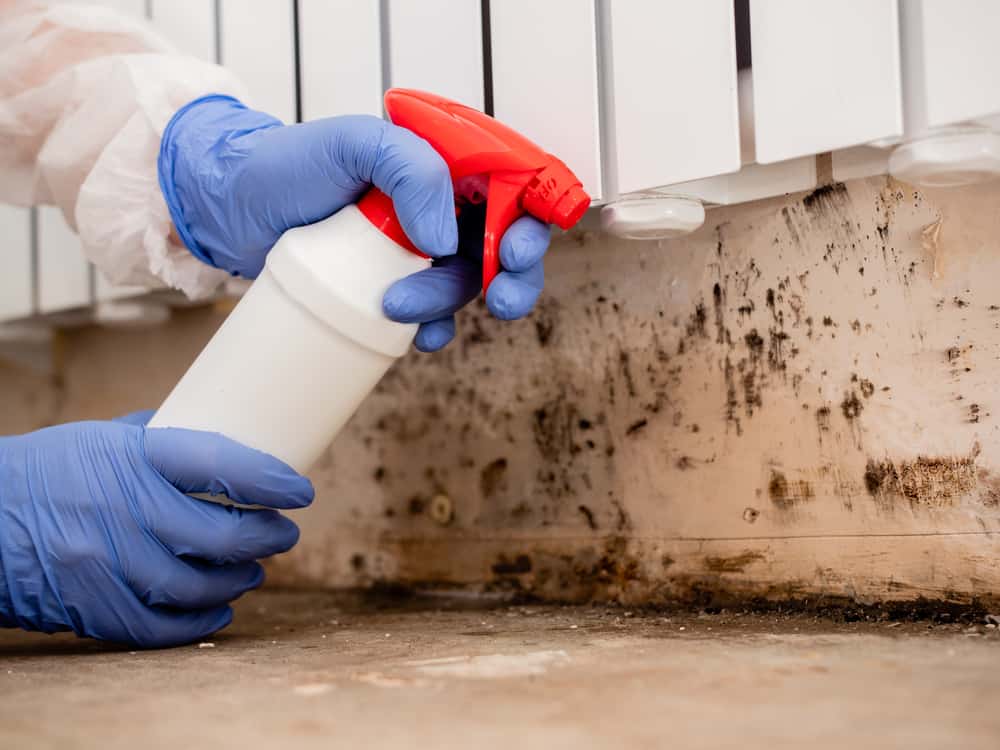
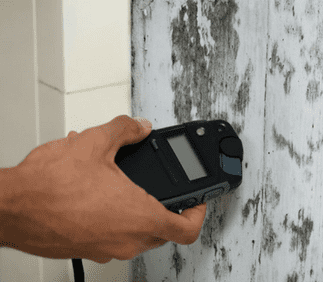
The inspection starts with air testing and surface swab sampling both collected and sent to a certified third-party laboratory. That’s not optional. It’s what separates a documented finding from someone’s opinion. While samples are being taken, our technician conducts a full water intrusion inspection and measures moisture levels throughout the property, including areas that look completely fine from the outside.
From there, infrared technology is used to scan for hidden mold inside walls, behind paneling, and within structural cavities the kind of spaces that are common in older estate homes and completely invisible to the naked eye. Many of Old Brookville’s historic Gold Coast properties were built in the early 20th century, before vapor barriers and modern ventilation standards existed. Those structures hold moisture in ways that newer construction simply doesn’t. Infrared scanning is how you find what’s actually there.
The inspection also includes a comparison of indoor and outdoor mold particle levels. This baseline matters, especially in a village surrounded by dense woods and mature landscaping, where ambient spore levels outdoors are naturally elevated. The final step is a detailed written report certified lab results, photographs of identified mold sources, and specific remediation recommendations. If any remediation work requires opening walls or structural modification, that work will need to be coordinated with the Village of Old Brookville’s building department at 201 McCouns Lane, and we can walk you through what that process looks like.
Ready to get started?
Residential Mold Inspection in Old Brookville, NY
The inspection covers the full property main residence, basement, attic, and any outbuildings or guest quarters on the lot. For Old Brookville properties with equestrian facilities, pool houses, or carriage houses, those structures are included in the assessment scope. Mold doesn’t limit itself to the main house, and neither does our inspection.
Every sample goes to a certified laboratory. Results include mold species identification and spore concentration levels third-party data, not the inspector’s subjective judgment. That’s the standard that insurance companies, real estate attorneys, and physicians recognize and accept. The written report you receive at the end documents everything: air quality findings, moisture readings, infrared scan results, photographs, and a clear remediation plan if one is needed.
New York State requires all mold assessors working in Old Brookville to hold a valid NYS Department of Labor license under Article 32 of the Labor Law. We meet that requirement and carry the liability insurance that the law mandates. If you’re comparing companies, ask any inspector you speak with for their NYS DOL license number before you book. It’s a simple verification that protects you from unlicensed work that carries no legal standing and can result in fines of up to $10,000 for the contractor performing it.
What does a professional mold inspection in Old Brookville, NY actually include?
A professional mold inspection goes well beyond a visual check. It includes air sampling, surface swab collection, moisture level measurement, water intrusion assessment, and infrared scanning to detect mold hidden inside walls and structural cavities. All samples are sent to a certified third-party laboratory, and you receive a written report with the results, photographs, and specific next steps.
In Old Brookville specifically, the inspection scope matters more than it might in a smaller or simpler home. These are large, multi-zone properties sometimes with separate wings, finished and unfinished basement levels, expansive attics, and outbuildings. A thorough inspection accounts for all of it, not just the rooms that look concerning. The written report at the end is what gives you something actionable: a document your attorney, insurance company, or doctor can actually use.
How much does a mold inspection cost for a large estate home in Nassau County?
Nationally, professional mold inspections average around $670, with a typical range of $303 to $1,043 depending on the size and complexity of the property. For an estate home in Old Brookville where properties routinely exceed 5,000 to 10,000 square feet and include multiple structures inspection costs can reasonably exceed that upper range. The scope of the property determines the scope of the inspection.
What’s worth keeping in mind is the context. When the median sale price in Old Brookville is $3.5 million, the cost of a thorough mold inspection is a small fraction of the financial risk involved in missing a problem. Buyers in the middle of a transaction, homeowners managing a renovation, and families dealing with unexplained health symptoms all have different urgency levels but the same need for accurate, documented information. The inspection cost is not where to cut corners on a property of this value.
Can mold really hide inside the walls of an older home without being visible?
Yes and it’s more common in older construction than most people expect. Many of Old Brookville’s historic Gold Coast-era homes were built in the early 20th century, before modern vapor barriers, moisture membranes, and ventilation standards were in use. These structures were built with stone foundations, wood-frame walls, and original plaster interiors that absorb and hold moisture differently than modern construction materials do.
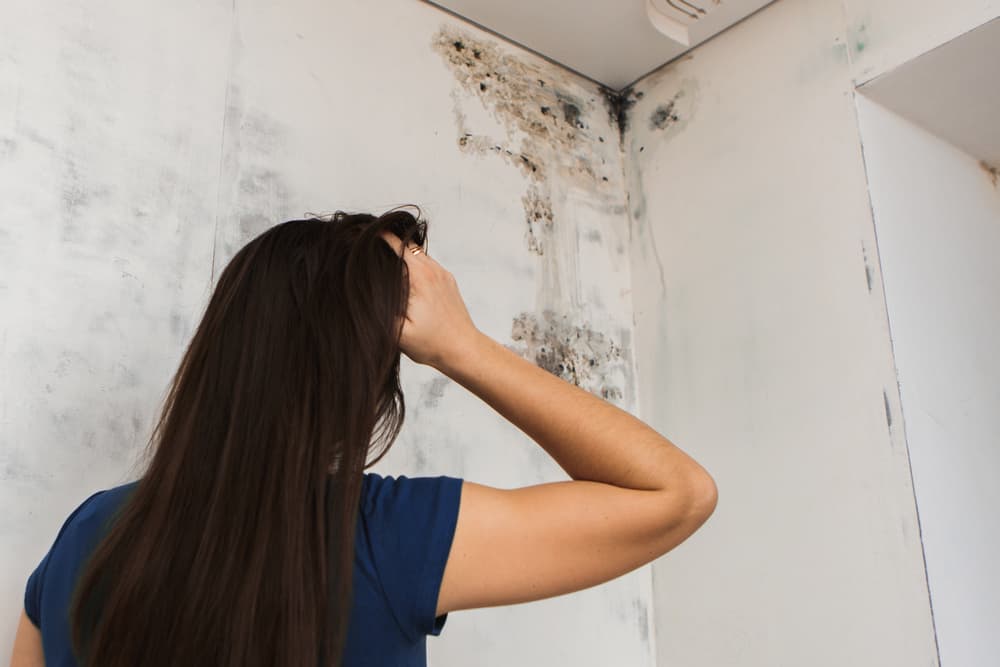
Mold can grow inside wall cavities, beneath original hardwood floors, behind wood paneling, and within attic structures for months or years without being detected visually. That’s why infrared scanning is part of a complete inspection it detects temperature differentials caused by moisture accumulation in areas that look perfectly normal from the surface. If a home has had any history of water intrusion, a roof leak, or a plumbing issue, the wall cavities are exactly where a problem can develop and go unnoticed.
Do I need a mold inspection before buying a home in Old Brookville, NY?
For a property at this price point, a professional mold inspection before closing is one of the most important steps in due diligence. A standard home inspection will note visible concerns, but it’s not designed to detect mold inside walls, within HVAC systems, or beneath finished surfaces. A licensed mold assessor with infrared technology and lab-backed sampling gives you a completely different level of information.
In practical terms, what you get is negotiating leverage or peace of mind depending on what the inspection finds. If mold is present, you have documented evidence to request remediation or adjust the purchase price before closing. If the property is clean, you have a written report confirming that. Either way, you’re making a multi-million-dollar decision with real information rather than assumptions. Real estate attorneys and agents working in Old Brookville’s luxury market routinely recommend professional mold inspection as part of the transaction process for exactly this reason.
When is the worst time of year for mold problems in Old Brookville homes?
There isn’t one single bad season each part of the year brings a different risk. Spring snowmelt and heavy rains saturate Old Brookville’s large, wooded lots and push water toward foundations, making basement infiltration common in estate homes with aging waterproofing. Summer brings high ambient humidity on Long Island’s North Shore regularly 70% or higher in July and August which creates condensation risk on cooler surfaces inside air-conditioned homes, particularly around HVAC ducts and interior walls.
Fall brings nor’easters and post-hurricane rainfall that can drive water through rooflines and clog gutters beneath Old Brookville’s dense tree canopy. Winter creates ice dam risk on large roofs, where water backs up under shingles and infiltrates attic spaces. Homes that are partially unoccupied during winter whether seasonal use or extended travel are especially vulnerable because reduced heating allows cold surfaces to accumulate condensation without anyone noticing. Mold can begin growing in as little as 24 to 48 hours once indoor humidity exceeds 60%.
Is there a difference between mold inspection and mold testing in New York?
Yes, and the distinction matters under New York State law. A mold inspection is a comprehensive assessment of the property identifying moisture sources, water intrusion points, visible mold growth, and using tools like infrared scanning to detect hidden mold. Mold testing refers specifically to the collection and laboratory analysis of air or surface samples to identify mold species and measure spore concentrations. A complete professional assessment includes both.
New York State’s Article 32 of the Labor Law requires that anyone performing paid mold assessment work hold a valid NYS Department of Labor license. This applies to any company working in Old Brookville or anywhere else in the state. The license covers the full scope of assessment work not just sample collection. If a company offers “mold testing” without holding a current NYS DOL mold assessor license, they’re operating outside the law, and any report they produce carries no legal standing. Before booking any inspection, ask for the assessor’s license number and verify it directly with the NYS DOL.
Useful Links
Other Services we provide in Old Brookville