
Mold Inspection in Old Field, NY
When Conscience Bay Floods, Your Walls Remember

Hear from Our Customers
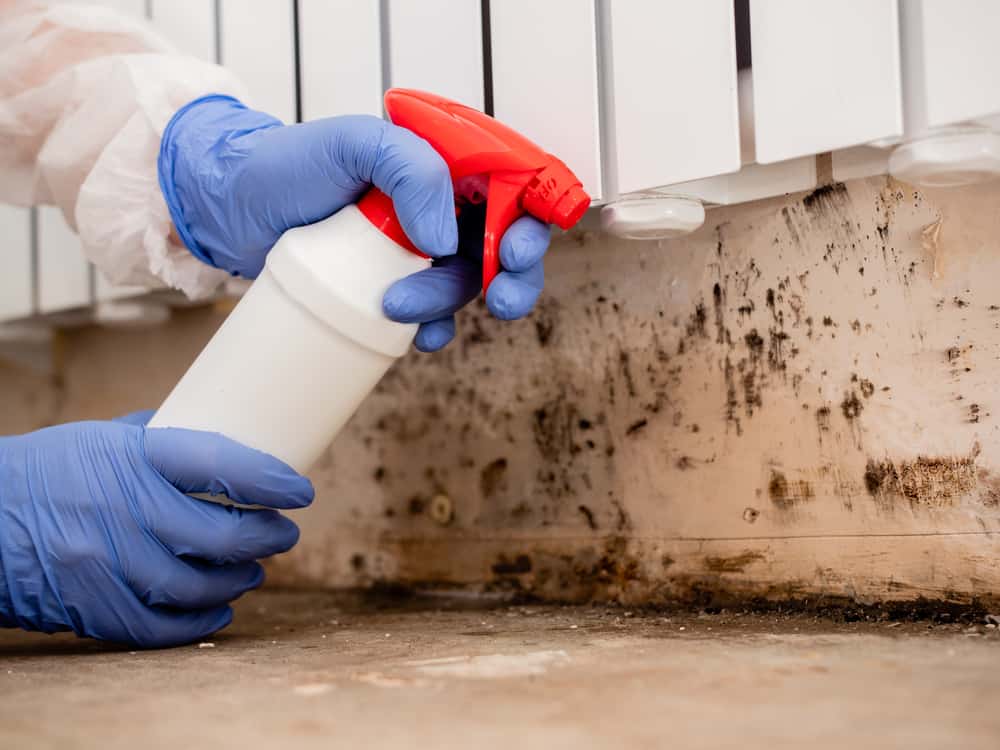
Home Mold Testing in Old Field, NY
Most homeowners in Old Field don’t find out they have a mold problem until it’s already spread. By the time it’s visible, it’s been growing behind walls, under floors, or inside ductwork for months sometimes years. A professional mold inspection gives you documented, lab-verified answers before the problem gets that far.
Old Field’s geography makes this more relevant here than it is almost anywhere else on Long Island. You’re on a peninsula surrounded by the Sound, Port Jefferson Harbor, Stony Brook Harbor, and Conscience Bay. The village sits at roughly seven feet above sea level. That means basements, crawl spaces, and ground-floor foundations in this area are in a near-constant battle with ambient coastal moisture even when there’s no visible flooding. Add in the documented overflow of Conscience Bay onto Old Field Road, and properties in the southern part of the village face recurring water exposure that’s a direct precursor to mold.
The older estate homes along Crane Neck and throughout Old Field compound the risk. Early-to-mid 20th century construction plaster walls, older insulation, wood-frame structures without modern vapor barriers holds moisture differently than newer builds. Mold finds those spaces and stays there. What you gain from a thorough inspection isn’t just peace of mind. It’s specific, actionable information about what’s actually happening inside your home, documented in a written report you can use for a real estate transaction, an insurance claim, or a remediation plan.
Professional Mold Inspector in Old Field, NY
We’ve been serving Long Island homeowners since before most of the companies you’ll find in a Google search today were in business. That’s 31 years of nor’easters, coastal flooding events, and the specific moisture conditions that come with North Shore peninsula living. We were founded by Richard Peterson and have operated continuously out of Long Island ever since not a franchise, not a national chain with a local phone number.
We hold New York State licenses for both mold assessment and mold remediation, which have been legally required in New York since 2016. Every technician not just the owner carries IICRC certification. That’s a non-negotiable internal standard. For Old Field homeowners protecting properties in the Town of Brookhaven’s most exclusive village, that consistency matters. You’re not getting a certified inspector at the door and an uncredentialed crew doing the actual work.
We serve Old Field through our dedicated Suffolk County line, and our familiarity with the Three Village area its older housing stock, its coastal exposure, its estate-scale properties shows in how we work.
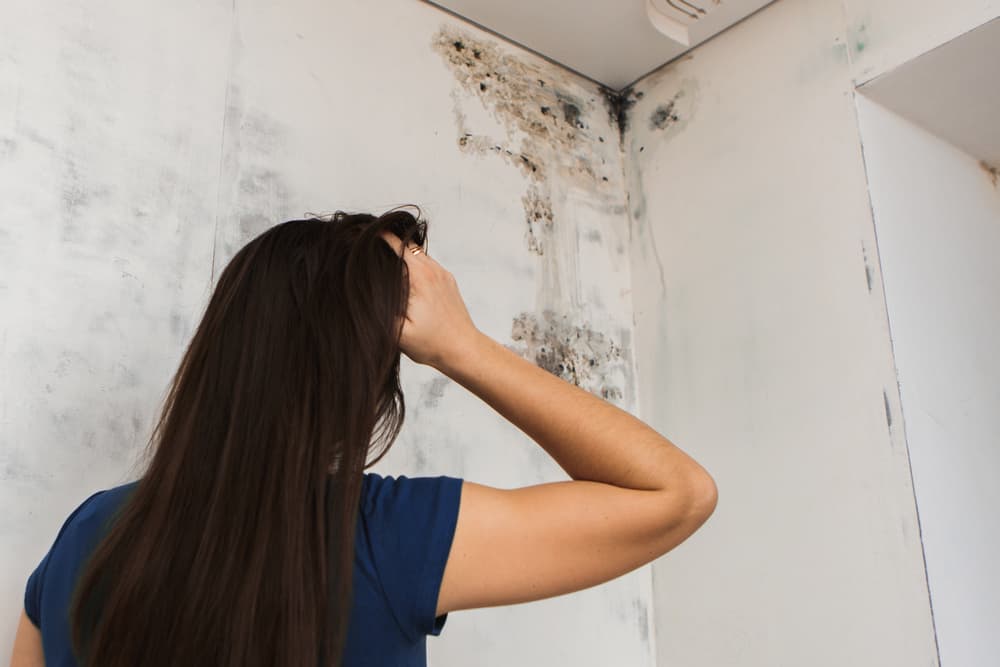
Mold Assessment Services in Old Field, NY
The inspection starts with air testing airborne spore samples collected from inside the home and compared against external baseline samples. This tells you whether what’s in your air is elevated beyond what’s naturally present outside, which is a key indicator of active mold growth. Surface swab samples follow, targeting areas where mold is visible or suspected, and those samples go to a certified, accredited laboratory for analysis.
From there, the process moves into water intrusion inspection tracing where moisture is entering the structure and identifying the source. In Old Field homes, that often means checking foundations for Conscience Bay-adjacent seepage, inspecting roof systems on older estate properties for nor’easter damage, and examining HVAC systems in large multi-zone homes where mold in one area gets distributed throughout the entire structure during normal heating and cooling cycles. Moisture levels are measured with calibrated instruments throughout the home, and every mold source is photographed and documented.
The final step is a comprehensive written report covering all lab results, moisture readings, identified mold sources, and recommended next steps. Because New York State requires mold assessors and mold remediators to hold separate NY Department of Labor licenses, the assessment report also serves as the legally required documentation before any remediation work can begin. If remediation and reconstruction are needed, we handle that too same team, same standards, no handoff to a separate contractor.
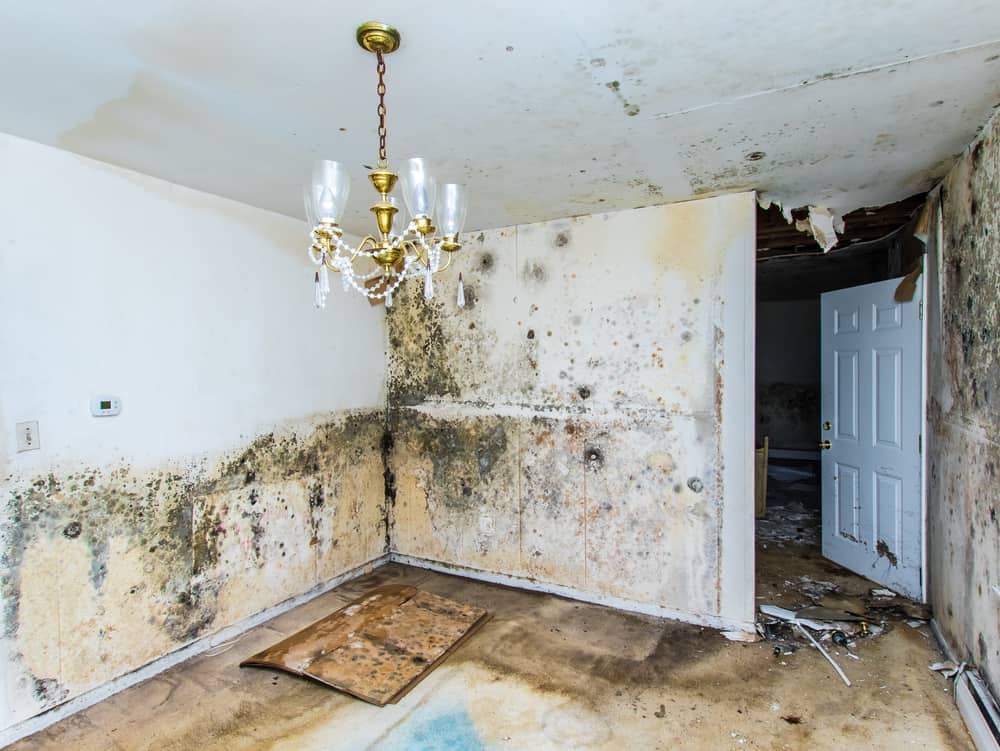
Ready to get started?
Residential Mold Inspection in Old Field, NY
Standard mold inspections look at what’s visible. That’s not enough for the housing stock in Old Field. Many of the village’s most significant properties were built in the early 1900s including estates along Crane Neck that date back to 1901. Plaster walls, original insulation, and layered construction from decades of renovation create hidden cavities where mold grows completely out of sight. We use infrared thermal imaging technology to detect moisture and mold activity behind walls, under floors, and in areas that a visual inspection would miss entirely.
Every sample collected air and surface is sent to a certified, accredited laboratory. The results are objective. They either show elevated mold levels or they don’t. That matters especially for Old Field homeowners navigating a real estate transaction, where a buyer’s attorney is going to want documentation that meets a professional standard, not a verbal assessment from someone with a financial interest in finding a problem.
The inspection also covers attic mold inspection, basement mold inspection, crawl space evaluation, and HVAC system assessment all of which are high-risk areas in the large, complex estate homes typical of this village. If the results indicate remediation is needed, we manage the full process through to post-remediation clearance testing, reconstruction if structural materials are affected, and complete insurance documentation. For Old Field properties that carry significant value, that end-to-end capability isn’t a convenience it’s the standard the situation requires.
Is mold inspection in Old Field, NY really necessary if I don't see anything?
Yes and Old Field’s specific geography is exactly why. The village sits on a peninsula surrounded by water on three sides, at an elevation of roughly seven feet above sea level. Conscience Bay floodwaters have been documented overflowing onto Old Field Road repeatedly, and the ambient coastal humidity from the Long Island Sound, Stony Brook Harbor, and Port Jefferson Harbor creates moisture conditions that most inland Suffolk County communities don’t face. Mold doesn’t need a visible leak to get started it needs sustained moisture, and Old Field homes have that in abundance.
The other factor is the age and construction of the housing stock. Estate homes built in the early-to-mid 20th century which describes much of what’s in Old Field have wall cavities, insulation materials, and structural layouts that trap moisture in ways modern construction doesn’t. By the time mold is visible on a surface, it’s typically been growing behind that surface for months. A professional mold inspection with air testing and thermal imaging finds it before it reaches that stage.
How much does a mold inspection cost, and what does the price include?
Nationally, professional mold inspections typically run between $300 and $1,000, with most falling in the $400–$700 range depending on the size of the home and the scope of testing. For large estate properties which are the norm in Old Field expect the inspection to take longer and involve more sample collection points than a standard suburban home. That affects cost, but it also affects accuracy. A cursory inspection of a 5,000-square-foot estate with multiple outbuildings, a finished basement, and a complex HVAC system isn’t worth much.
What’s included in our mold inspection: air sampling, surface swab sampling, water intrusion inspection, moisture level measurement with calibrated instruments, infrared thermal imaging, photographic documentation, and a comprehensive written report with accredited lab results. That report is what you’re actually paying for documented, defensible findings you can use with your insurance company, your real estate attorney, or a remediation contractor. On a property in Old Field where home values regularly exceed $1 million, a thorough inspection is a small investment relative to what an undetected mold problem can cost you in remediation, lost value, or a failed sale.
What happens if mold is found during the inspection?
The inspection report will identify what type of mold was found, where it’s located, the concentration levels from air and surface samples, and the likely moisture source driving the growth. From there, you have documented information to make a real decision not a sales pitch from someone who also happens to do remediation.
If remediation is needed, New York State law requires that the mold assessment report be completed before remediation work begins, and that the assessor and remediator hold separate NY Department of Labor licenses. We hold both. That matters because it keeps the process legally compliant and means you’re not coordinating between two separate companies. If the remediation requires structural repairs removing and replacing drywall, insulation, or framing materials we handle reconstruction as well. For older estate homes in Old Field where mold has had years to work into original construction materials, that full-service capability is often exactly what’s needed. Post-remediation clearance testing is the final step, confirming the problem has been resolved before the project closes.
Does coastal flooding from nor'easters actually cause mold in Old Field homes?
It’s one of the most direct causes. Mold can begin growing within 24 to 48 hours of moisture exposure which means the window between a nor’easter hitting the North Shore and mold taking hold in an affected area of your home is very short. Old Field’s bluff-top properties along Crane Neck and the Sound-facing areas of the village are exposed directly to the prolonged rain and wind-driven moisture infiltration that nor’easters produce. Water gets in through roof systems, around windows, through foundation gaps, and in some cases through direct flooding.
The properties most at risk are those with basements or ground-floor crawl spaces, older rooflines that have experienced ice dam damage over the years, and complex multi-zone HVAC systems that can distribute mold spores throughout the entire home once growth starts in one area. The window between flooding and mold growth is why emergency response matters. We’re available around the clock if a nor’easter comes through on a weekend and you’re seeing water intrusion Monday morning, you don’t need to wait until the following week to get someone out.
How do I verify that a mold inspector in Old Field, NY is properly licensed?
New York State has required mold assessors and mold remediators to hold separate NY Department of Labor licenses since January 1, 2016. This applies to every company operating in Old Field, as it does throughout the state. You can verify any company’s license directly through the NY Department of Labor’s online contractor search it takes about two minutes and tells you whether the license is current and what it covers.
The distinction between a Mold Assessor license and a Mold Remediator license matters. A company that holds only one of the two can legally do only half the job. We hold both. Beyond state licensing, look for IICRC certification the industry’s recognized professional credentialing standard. Every technician who enters your home holds IICRC certification, not just the owner. For Old Field homeowners who are accustomed to verifying credentials before hiring any professional, these are the two things to confirm before anyone sets foot in your house.
Should I get a mold inspection before buying a home in Old Field, NY?
Yes, and the financial case for doing so is straightforward. Mold issues can reduce a home’s value by 20 to 37 percent, and studies show that roughly half of buyers back out of a transaction entirely when mold is discovered even after remediation. On a property in Old Field where the listing price is $1.5 million or $2 million, a value reduction in that range is a six-figure to seven-figure event. The cost of a professional mold inspection before closing is a fraction of that exposure.
Old Field’s housing stock adds another layer of importance to pre-purchase inspection. Many of the village’s most desirable properties are older estate homes with construction histories that span decades additions, renovations, and original materials that may have been holding moisture for years without anyone knowing. A standard home inspection isn’t designed to find hidden mold. It doesn’t include air sampling, infrared thermal imaging, or accredited lab analysis. A dedicated mold inspection does. If you’re buying in Old Field, request a mold inspection as part of your due diligence separate from, and in addition to, the general home inspection. Your real estate attorney will likely want the documentation anyway.
Useful Links
Other Services we provide in Old Field