
Mold Inspection in Orient, NY
When Salt Air and Vacant Winters Leave More Than a Musty Smell

Hear from Our Customers
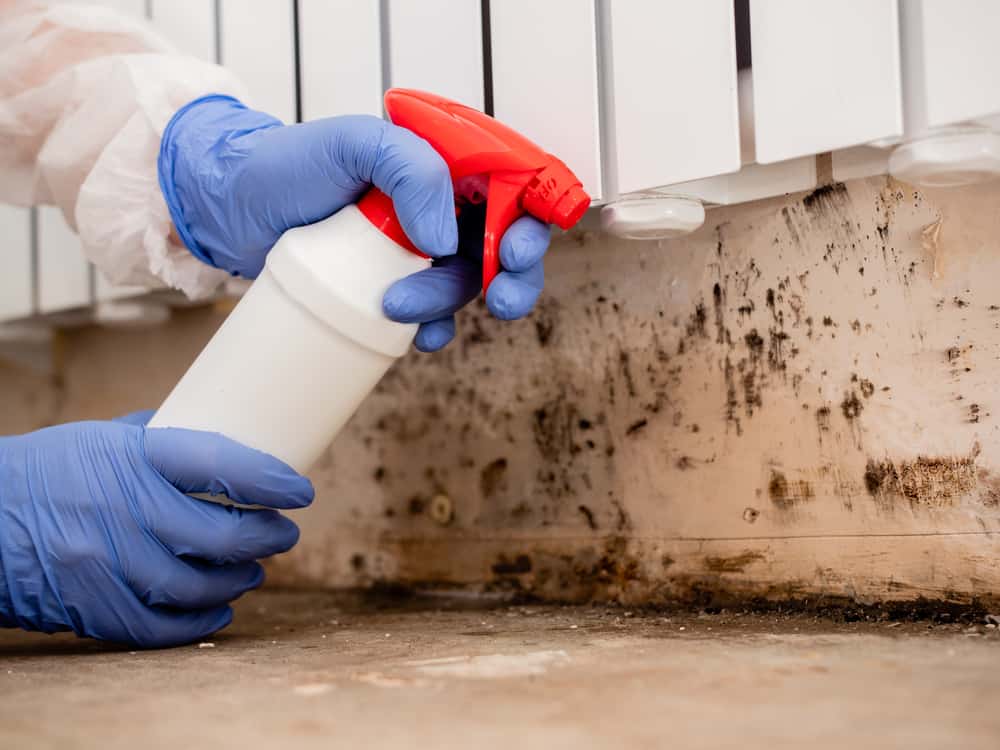
Residential Mold Detection Services Orient
Most mold problems in Orient don’t start with a visible patch on the wall. They start with a winter of sitting vacant, salt air working its way through aging window frames, or a storm that pushed water into a crawl space no one checked afterward. By the time there’s a smell or worse, a visible colony the growth behind the surface has usually been there for months.
A professional mold inspection in Orient, NY gives you something a visual walkthrough can’t: documented, lab-verified evidence of what’s actually present, where the moisture is coming from, and what needs to happen next. That matters whether you’re a year-round resident in one of the hamlet’s historic homes off Village Lane, a second-home owner who’s been away since October, or a buyer about to close on a waterfront property near Orient Beach State Park.
Orient’s housing stock is older, the elevation is low, and the water is on three sides. That combination doesn’t guarantee mold but it does mean the conditions are almost always favorable for it. Knowing the truth about your property’s air quality and moisture levels isn’t just peace of mind. In a market where average sale prices sit around $1.75 million, it’s one of the most financially sound decisions you can make.
Licensed Mold Inspection Company Orient NY
We’ve been serving Long Island homeowners for over 31 years. That’s not a marketing number it’s the kind of track record that only holds up when the work is consistently done right. Based in Suffolk County, we’ve spent decades working across the East End, including the remote, coastal communities that sit at the far end of Route 25 where Orient sits at the literal end of the road.
Every technician on our team holds IICRC certification. That’s not a credential kept at the ownership level it applies to every person who sets foot in your property. We also hold both a New York State mold assessor license and a mold remediator license, two legally distinct credentials required by the NY Department of Labor since 2016. Many companies hold one. We hold both.
If the inspection reveals a problem that goes beyond surface remediation damaged drywall, compromised insulation, structural repairs we handle that too. One company, one call, from assessment through reconstruction.
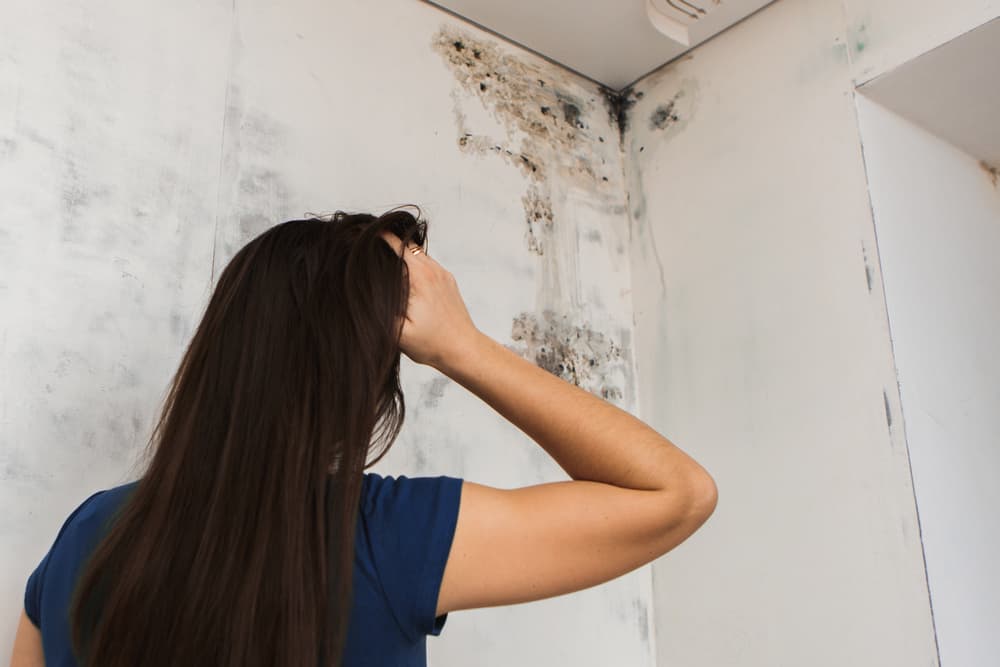
Professional Mold Assessment Process Orient NY
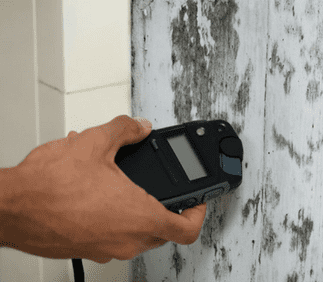
The inspection starts with a full moisture and water intrusion walkthrough. In Orient, that means paying close attention to areas most affected by the hamlet’s coastal exposure crawl spaces, attic rafters, basement perimeters, window frames, and anywhere that salt air or storm-driven water could have worked its way into the building envelope. Moisture levels are measured with calibrated equipment, not eyeballed.
From there, air samples are collected to capture airborne spore counts, and swab samples are taken from any surfaces showing visible growth or elevated moisture readings. Both go to an accredited laboratory for analysis not an in-house assessment, a certified lab with documented chain of custody. Infrared thermal imaging is used throughout to detect moisture and mold activity hiding behind walls, under floors, or inside ceiling cavities without opening anything unnecessarily. For Orient’s older historic homes, that matters. You’re not tearing into a wall until we know exactly what’s behind it.
Once results come back, you receive a comprehensive written report: identified mold species, spore concentration data compared against outdoor control samples, moisture source analysis, photographic documentation, and specific remediation recommendations in plain language. If your situation involves an insurance claim common after nor’easters and coastal flooding events that hit Orient’s low-lying terrain that report is built to support the documentation your insurer will need.
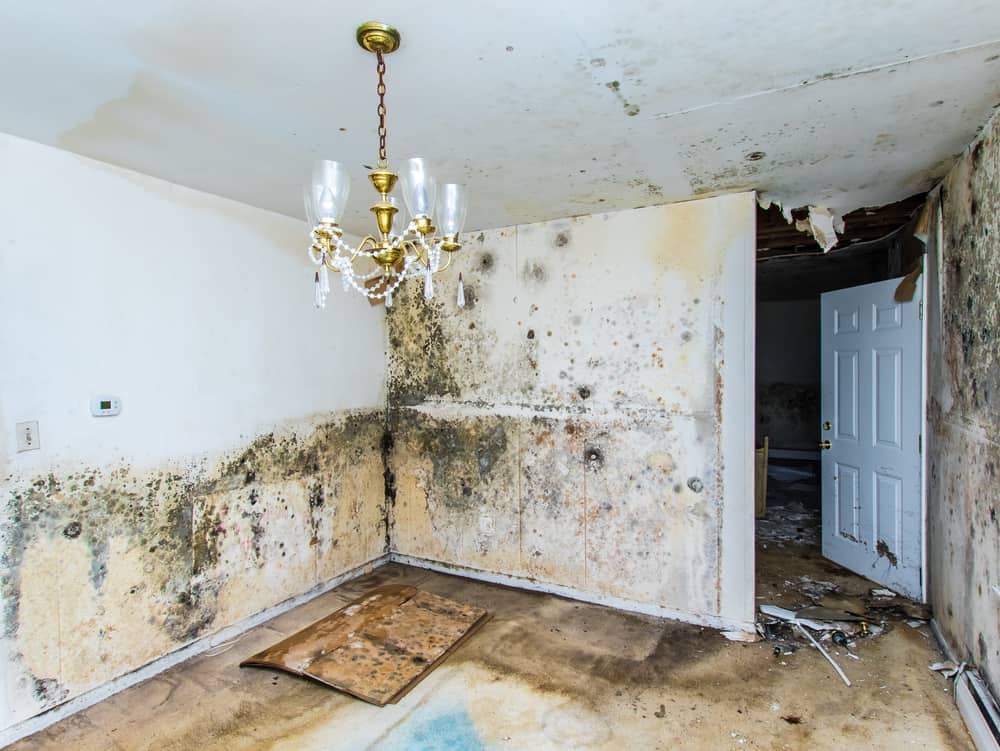
Ready to get started?
Mold Testing and Indoor Air Quality Orient NY
Orient is a specific kind of market. Properties here aren’t just homes they’re significant financial assets, many of them historic, most of them exposed to the kind of persistent coastal moisture that accelerates building deterioration faster than most homeowners realize. Our mold inspection service in Orient, NY reflects that reality.
Every inspection we perform includes the full five-point process: air testing, surface swab sampling, water intrusion assessment, moisture level measurement, and complete photographic documentation of all identified mold sources. Infrared thermal imaging is standard not an add-on because in a community where so many homes have original plaster walls, uninsulated crawl spaces, and decades of coastal exposure, surface-level inspection simply isn’t enough. All samples are sent to an accredited laboratory, and results include mold species identification, spore counts, and a direct comparison to outdoor baseline levels so you understand what the numbers actually mean.
For Orient homeowners dealing with post-storm damage, seasonal vacancy mold, or pre-purchase due diligence on a property in the hamlet’s historic district, the written report is designed to be actionable not just informational. It tells you what was found, where it came from, and what needs to happen. And because we’re licensed in both mold assessment and mold remediation under New York State law, the company that hands you that report is also equipped to carry out whatever comes next, including full reconstruction if the damage requires it. All work is performed in compliance with the Town of Southold’s building code requirements and, where applicable, the landmark preservation standards that govern work on Orient’s historically protected properties.
Does seasonal vacancy really cause mold problems in Orient, NY homes?
It’s one of the most common scenarios we see in Orient. When a property sits vacant through fall and winter minimal heat, no ventilation, no one present to catch a slow leak or condensation buildup the interior conditions become exactly what mold needs to establish and spread. Closed-up homes trap moisture. Without airflow, humidity levels climb. And without anyone present, the growth continues unchecked for months.
In Orient specifically, the combination of a small year-round population and a large seasonal ownership base means a significant share of properties go through this cycle every year. By the time owners return in spring, mold that started as a minor moisture issue in October can be a substantial problem by April. A professional mold inspection in Orient, NY at the start or end of the season is one of the most practical ways to stay ahead of it and to document the property’s condition before or after a long vacancy period.
How much does a mold inspection in Orient, NY typically cost?
Mold inspection costs generally range from $300 to $1,000 depending on the size of the property, the scope of testing required, and whether specialty tools like infrared thermal imaging are part of the process. For Orient’s market where the average residential sale price is around $1.75 million and many properties are large, older, and multi-story inspections that include full air testing, surface sampling, and thermal imaging will typically land in the mid-to-upper range of that window.
The more relevant number, though, is what undetected mold costs. Research consistently shows mold issues can reduce a property’s value by 20 to 37 percent. On a $1.5 million Orient home, that’s a potential loss of $300,000 to $550,000. A thorough inspection is a small investment relative to the asset it’s protecting and for buyers using the results in a real estate transaction, it’s often the difference between negotiating a price reduction and inheriting someone else’s problem at full price.
What mold risks are specific to Orient's historic homes and older housing stock?
Orient’s historic district listed on the National Register of Historic Places since 1976 includes homes built in the 18th and 19th centuries. These structures were constructed long before modern vapor barriers, moisture-resistant insulation, or sealed building envelopes existed. Original plaster walls, hand-laid foundations, uninsulated crawl spaces, and aging wood framing are common. All of it is porous, all of it absorbs moisture, and none of it has the protective layers that slow mold colonization in newer construction.
The challenge in these properties isn’t just finding the mold it’s finding it without damaging irreplaceable historic materials. Infrared thermal imaging is particularly valuable here because it identifies moisture and mold activity behind walls and under floors without requiring invasive access. Any remediation work on properties within Orient’s historic district may also need to comply with the Town of Southold’s landmark preservation standards under Chapter 170, which governs how work on protected structures is carried out. That’s not a hurdle it’s just something your inspection company needs to understand going in.
Can mold grow after a storm or flooding event, and how quickly does it happen?
Yes and faster than most people expect. Mold can begin colonizing wet building materials within 24 to 72 hours of water exposure. When floodwaters, storm surge, or wind-driven rain saturates drywall, insulation, subfloor materials, or wall cavities, the conditions for mold growth are immediately present. By the time the surface appears dry, the interior materials may still be wet enough to sustain active growth.
Orient’s geography makes this particularly relevant. With an average elevation of just 13 feet above sea level and water on three sides Gardiners Bay, the Long Island Sound, and the open water at Orient Point the hamlet is among the more flood-exposed communities on Long Island. The narrow isthmus connecting Orient to East Marion is especially vulnerable to storm surge overwash from multiple directions simultaneously. After any significant coastal storm, a professional mold inspection in Orient, NY isn’t just a precaution it’s a practical step to document what happened, catch growth before it spreads, and support any insurance claim that follows.
Is black mold testing different from a standard mold inspection?
Black mold testing isn’t a separate service it’s part of what a comprehensive mold inspection covers. The term “black mold” usually refers to Stachybotrys chartarum, a species associated with prolonged water damage and elevated health concerns. But the only way to know whether what you’re looking at is Stachybotrys or one of dozens of other mold species is through laboratory analysis. Color alone doesn’t tell you anything definitive.
During a mold inspection in Orient, NY, air and surface samples are collected and sent to an accredited laboratory for species identification and spore count analysis. The results tell you exactly what’s present whether that’s Stachybotrys, Cladosporium, Aspergillus, Penicillium, or something else along with the concentration levels compared to outdoor baseline samples. That specificity matters because different species have different remediation requirements, and a written report with confirmed species identification carries far more weight in a real estate transaction or insurance claim than a visual assessment ever could.
Do I need a mold inspection before buying a property in Orient, NY?
For a property in Orient, a mold inspection before purchase is one of the more financially sound steps you can take in the due diligence process. The hamlet’s older housing stock, persistent coastal humidity, and high rate of seasonal vacancy create conditions where mold can develop and go undetected for extended periods especially in properties that have been listed and sitting unoccupied during the colder months.
A standard home inspection typically doesn’t include mold testing. Inspectors may note visible moisture or staining, but they’re not collecting air samples or sending anything to a laboratory. A dedicated mold inspection fills that gap with accredited lab results, documented moisture source analysis, and a written report specific enough to use in negotiations or to require remediation as a condition of sale. On a property in the $1 million to $5 million range which covers a wide swath of Orient’s active real estate market the cost of an inspection is a small fraction of what an undisclosed mold problem could cost you after closing.
Useful Links
Other Services we provide in Orient