
Mold Inspection in Remsenburg, NY
When Your Bay-Front Home Has Been Closed All Winter, Here's What You Need to Know First
Hear from Our Customers
Residential Mold Detection Services Remsenburg, NY
When you know what’s in your home, you can make real decisions. Not guesses. Not assumptions based on a musty smell or a water stain on the ceiling. A thorough mold inspection tells you exactly what’s present, where it’s coming from, and what if anything needs to happen next.
For homes in Remsenburg, that clarity carries real financial weight. With median property values in ZIP code 11960 sitting above $1.2 million, an undetected mold problem isn’t just a health concern it’s a liability. Mold issues have been shown to reduce home values by 20 to 37 percent. On a $1.5 million property, that’s a potential loss of $300,000 or more. A professional inspection is a fraction of that cost and a direct line to protecting what you’ve built here.
The waterfront conditions along Moriches Bay are also worth understanding. Homes built on or near tidal wetlands deal with elevated groundwater, persistent coastal humidity, and aging building envelopes that weren’t designed with modern moisture management in mind. Many of Remsenburg’s most sought-after homes date back decades some to the early 1800s. That history is part of the appeal. It’s also part of the risk. Mold in these properties tends to hide inside wall cavities, beneath original flooring, and in attic spaces where no one thinks to look. That’s exactly where our professional inspection goes.
Licensed Mold Inspection Company Remsenburg, NY
We’ve been serving Long Island homeowners for over three decades. That’s not a marketing number it’s the kind of tenure that only holds up if the work is consistently done right. We hold both a NY State Mold Assessor License and a Mold Remediator License as required by the NY Department of Labor, and every technician on our team carries IICRC certification. Not just the owner. Everyone.
For Remsenburg specifically, our South Shore experience matters. The conditions along Moriches Bay elevated groundwater, salt air, older construction, seasonal vacancy are not abstract concepts to us. We’ve inspected and remediated properties throughout Suffolk County’s coastal communities and understand what the environment here actually does to a building over time. When you call the Suffolk County line at 631-587-5300, you’re reaching a team that already knows this area. We’re based in West Babylon, just minutes away.
Mold Assessment Services Remsenburg, NY
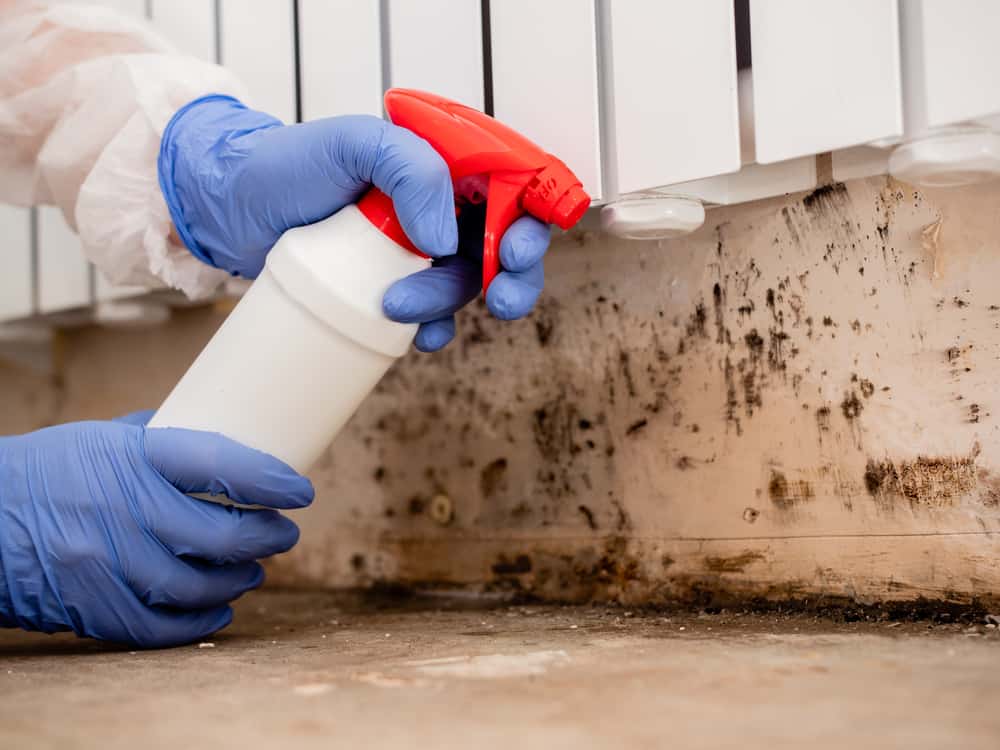
The inspection starts with air sampling throughout the home capturing airborne spore concentrations room by room and comparing them against an outdoor baseline. That comparison matters because it tells you whether what’s inside is elevated relative to what’s naturally present outside. From there, we collect surface swab samples from any visible growth or suspect areas for species identification at an accredited laboratory.
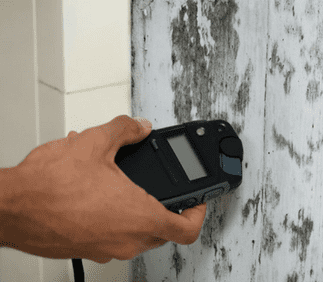
Alongside the sampling, we conduct a full water intrusion inspection to locate the moisture sources driving any growth. In Remsenburg, that often means checking crawl spaces and below-grade areas for groundwater influence, examining window and door seals that have been compromised by salt air exposure, and looking closely at any area that’s been subject to storm-related water entry from Moriches Bay. We use calibrated moisture meters to measure dampness levels inside walls and floors not just on the surface. And infrared thermal imaging detects hidden moisture activity behind walls and under floors without opening anything up, which matters considerably in homes with historic character and irreplaceable original materials.
Everything is photographed and documented. The final written report translates the lab results into plain language what was found, what species were identified, what the moisture readings mean, and what the recommended next steps are. You’ll walk away knowing exactly what you’re dealing with, not trying to decode a raw lab printout.
Ready to get started?
Indoor Air Quality Testing for Mold Remsenburg, NY
The inspection covers five documented points: air testing, surface swab sampling, water intrusion inspection, moisture level measurement, and full photographic documentation. Beyond those five, every inspection also includes infrared thermal imaging for hidden mold detection, an internal versus external mold particle comparison, a complete damage assessment, and a written report with lab results and specific remediation recommendations in language you can actually use.
This level of documentation is particularly relevant for Remsenburg homeowners navigating real estate transactions. Buyers spending well above $1 million on a waterfront property and their attorneys need findings that are lab-verified and legally defensible, not a verbal opinion from someone who walked through the house. Whether you’re buying, selling, or simply want to know what’s been happening inside a property that sat closed all winter, the report we produce meets that standard.
If the inspection reveals mold that has penetrated structural materials drywall, insulation, subfloor we can handle remediation and reconstruction as well. That full-cycle capability is especially useful for seasonal residents or second-home owners who can’t be on-site to coordinate multiple contractors. One call, one licensed team, from inspection through completion. New York State requires all mold assessors and remediators to hold active NY DOL certification we hold both, and you can verify that directly through the NY Department of Labor’s licensed contractor search tool before you book.
How much does a professional mold inspection in Remsenburg, NY typically cost?
Mold inspection costs generally range from around $300 to just over $1,000, with most comprehensive inspections landing somewhere in the $500 to $800 range depending on the size of the property and the scope of the assessment. For a hamlet like Remsenburg where homes are often large, older, and sitting on bay-adjacent lots with complex moisture conditions a thorough inspection that includes air sampling, surface swab collection, infrared thermal imaging, and lab analysis is going to be on the more complete end of that range.
The more useful way to think about the cost is relative to what you’re protecting. On a property valued at $1.2 million or more, a mold inspection represents a small fraction of the asset’s value and a very small fraction of what remediation costs if a problem goes undetected and spreads. Mold remediation can run anywhere from $1,150 to well over $20,000 depending on severity. Getting the inspection done first is almost always the more cost-efficient path.
Does mold actually grow in homes that are closed up during the winter months?
Yes and it’s one of the more common scenarios in Remsenburg, where a significant portion of the housing stock functions as seasonal rentals or second homes. When a property sits minimally occupied or unheated through the winter, ventilation drops, humidity accumulates, and there’s no one present to notice a slow pipe leak or a compromised window seal. Mold begins colonizing wet surfaces within 24 to 48 hours of water intrusion. Over a winter, that’s more than enough time for a colony to establish itself inside walls, under floors, or in attic insulation completely out of sight.
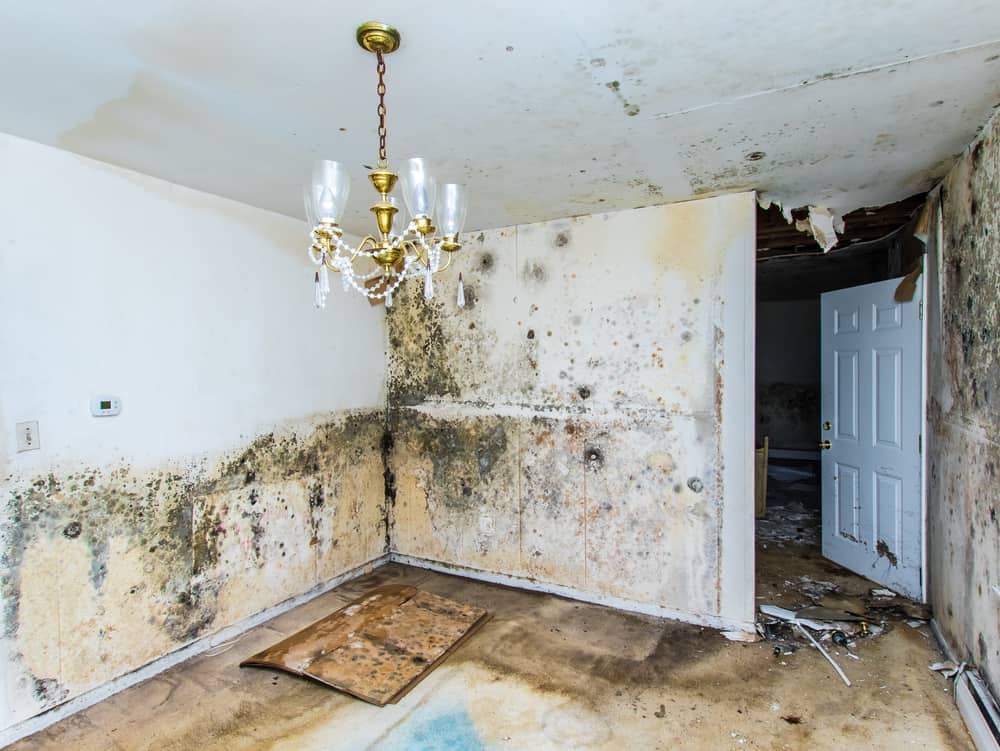
By the time seasonal residents or renters arrive in spring, the growth may have been active for months. A pre-season inspection ideally before the property is occupied is the most straightforward way to catch what developed while the house was closed. It’s a practical step, not a precaution reserved for properties with known problems.
What are the most common signs of mold in an older Remsenburg home?
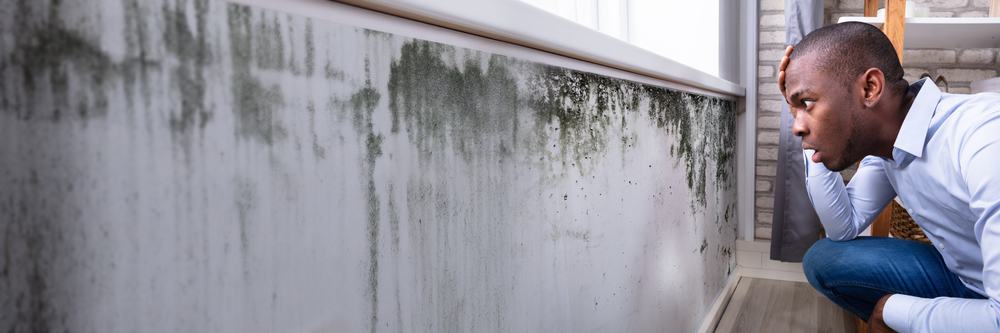
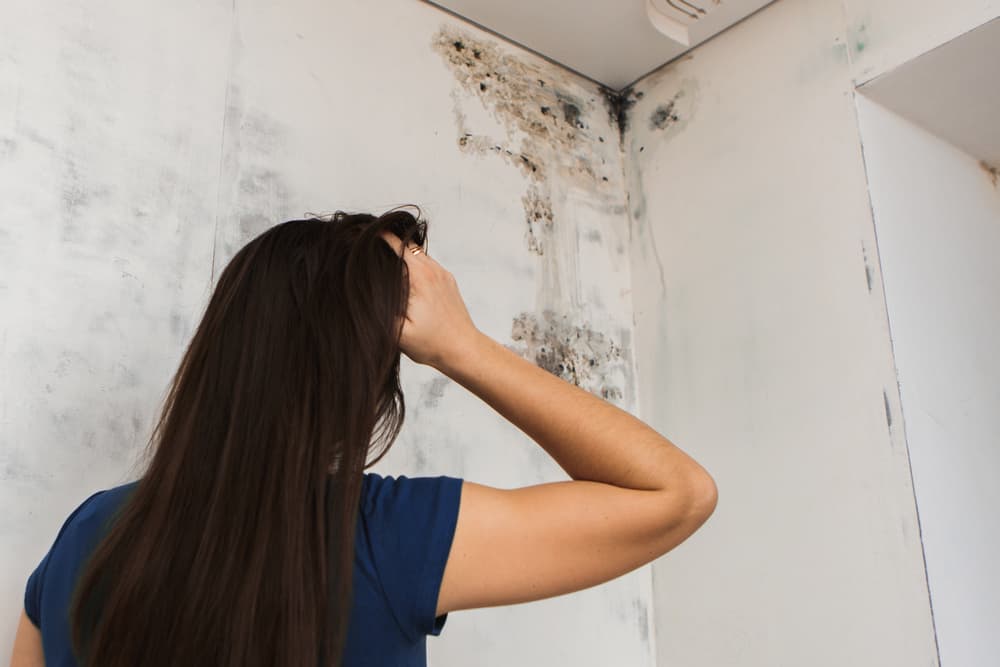
The obvious signs visible dark growth on walls or ceilings, a persistent musty odor are actually the less common way people discover mold in older properties. In homes built along South Country Road or on the waterfront streets near Moriches Bay, the more typical scenario is that mold is well-established before anything visible appears. What you’re more likely to notice first is a smell that’s hard to place, allergy symptoms that improve when you leave the house, or a vague sense that the air quality feels off.
Structurally, older homes with original plaster walls, aging window frames, and building envelopes that predate modern vapor barriers give mold more places to take hold without being seen. Water stains on ceilings or walls, soft spots in flooring, peeling paint near windows, and any area that has experienced past water intrusion from a storm, a pipe, or groundwater are all worth having assessed. A mold inspection that includes infrared thermal imaging can identify moisture activity behind surfaces without opening anything up, which matters when you’re working with historic materials.
Is a separate mold inspection required when buying a home in Remsenburg, NY?
A standard home inspection and a professional mold inspection are two different things. A home inspector may note visible signs of moisture or mold during a general inspection, but they are typically not licensed mold assessors and are not equipped to collect air samples, perform infrared imaging, or produce lab-verified documentation of mold species and concentration levels. In New York State, mold assessment work must be performed by a licensed Mold Assessor a credential issued by the NY Department of Labor that has been required since January 1, 2016.
For buyers purchasing in Remsenburg’s real estate market, where waterfront properties routinely exceed $1.5 million, a dedicated mold inspection is a straightforward piece of due diligence. The lab-verified report it produces is also the kind of documentation that holds up in a real estate transaction something an attorney or lender can reference, not just a verbal walkthrough opinion. If a seller has already had an inspection done, ask to see the full written report with lab results attached, not just a summary.
How soon after a storm or flooding event should I schedule a mold inspection?
As soon as possible ideally within the first 24 to 72 hours after water intrusion. Mold begins growing on wet surfaces within 24 to 48 hours under the right conditions, and the South Shore’s coastal humidity means those conditions are almost always present. The longer water sits in a crawl space, basement, or wall cavity, the more established the growth becomes and the more remediation it typically requires.
Remsenburg’s position on Moriches Bay puts it in one of the more flood-vulnerable zones on Long Island’s South Shore. Nor’easters, coastal storms, and storm surge events are recurring realities for properties along the waterfront streets and tidal creek corridors in this hamlet. After any event that brings water into the structure even what seems like a minor amount a post-storm mold inspection is a practical next step, not an overreaction. We respond around the clock, so timing isn’t a barrier to getting someone out quickly.
What happens if the mold inspection finds something what are the next steps?
If the inspection identifies active mold growth, the written report will specify what was found, where it’s located, what species were identified, and what remediation is recommended. From there, the path forward depends on the scope. Minor surface mold in a contained area is a very different situation from mold that has penetrated drywall or spread through insulation behind walls and the report will make that distinction clearly.
We handle the full process: inspection, remediation, and structural reconstruction if materials need to be replaced. For Remsenburg homeowners particularly those managing properties from New York City or coordinating repairs from a distance having one licensed, insured team handle everything from the initial findings through the final clearance test removes a significant logistical burden. It also means the documentation stays consistent from start to finish, which matters when an insurance claim is involved. New York State requires that remediation work be performed by a licensed Mold Remediator we hold that license alongside the Mold Assessor License, so both phases of the work are covered under one roof.
Useful Links
Other Services we provide in Remsenburg