
Mold Inspection in Sands Point, NY
When Three Sides of Water Are Working Against Your Home
Hear from Our Customers
Residential Mold Detection Services Sands Point, NY
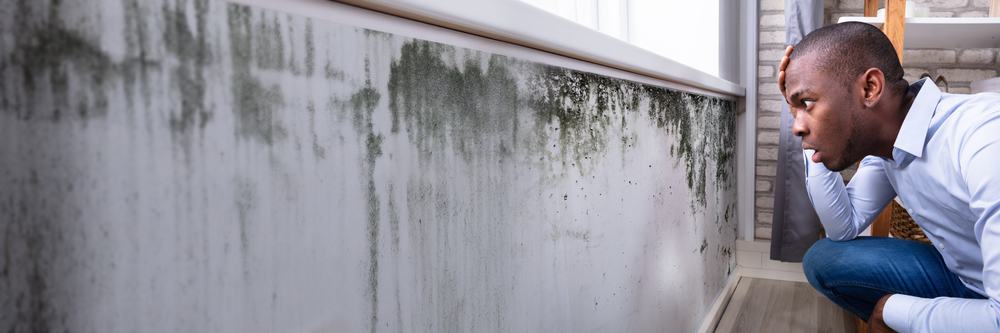
Most homeowners don’t call a mold inspector because they can see mold. They call because something feels off a smell that won’t go away, a family member with symptoms that don’t make sense, or a contractor who opened a wall during a renovation and found something they weren’t expecting. A real inspection gives you answers, not guesses.
Sands Point’s coastal position creates conditions that push moisture into homes in ways that aren’t always obvious. Salt air off the Long Island Sound is hygroscopic it pulls moisture into building materials. Combine that with a high water table on a peninsula, aging estate structures from the early 1900s, and the kind of complex rooflines that trap ice dam water every winter, and you have a moisture environment that’s genuinely different from what inland Nassau County communities deal with. The mold risk here is real, and it’s specific to this geography.
After a proper inspection, you know exactly what’s in your air, where the moisture is coming from, which species are present, and what needs to happen next. That’s the outcome not a vague verbal opinion, but a written, lab-certified report that your attorney, your insurance company, or your own peace of mind can actually rely on.
Licensed Mold Inspection Company Sands Point, NY
First Response Restoration and Cleaning Inc. has been serving Nassau County for over 31 years. Our owner, Richard Peterson, holds a New York State Department of Labor mold assessor and mold remediator license the credentials required under Article 32 of the NY Labor Law since 2016. More importantly, every technician on our team carries IICRC certification. Not just the owner. Everyone who shows up to your property.
That matters in a community like Sands Point. You’re not dealing with a starter home you’re dealing with an estate on the Long Island Sound, a Harbor Acres property that’s been in the family for decades, or a pre-war structure that’s never had a proper moisture assessment. These homes deserve an inspection team that’s fully credentialed, not just the person who answered the phone.
We already serve the Port Washington area the hamlet directly next to Sands Point which means our team knows the peninsula’s housing stock, its coastal moisture patterns, and exactly where problems tend to hide in North Shore properties of this age and scale.
Mold Assessment Services Sands Point, NY
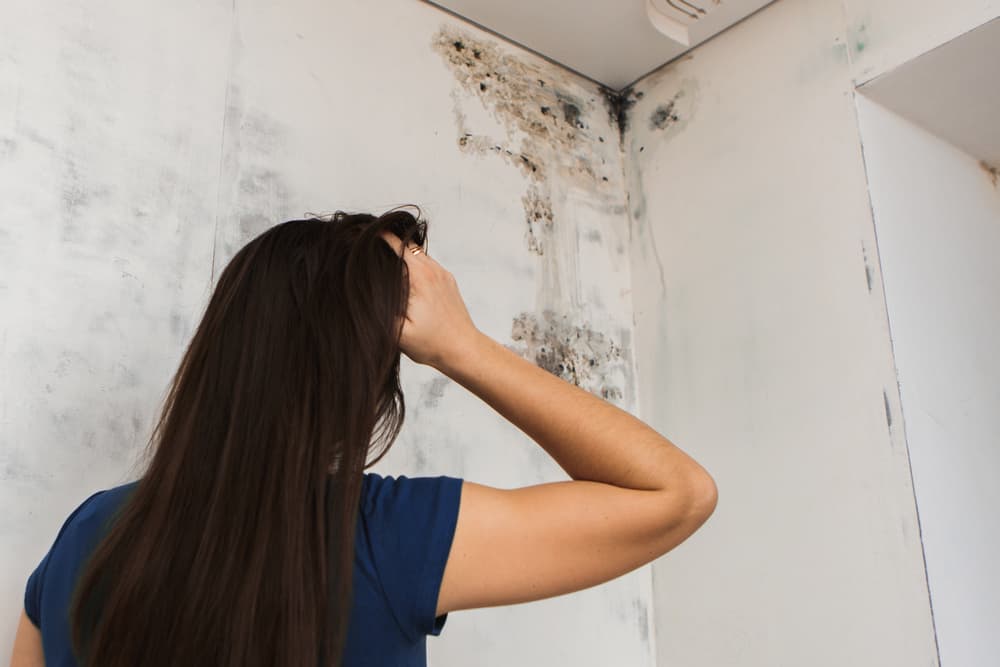
The inspection starts with a full walkthrough of the property attic, basement, crawl spaces, HVAC system, and any areas flagged by the homeowner. In Sands Point, that often means paying close attention to north-facing exterior walls exposed to Long Island Sound weather, basement perimeters where groundwater pressure is highest on the peninsula, and attic systems on older estate homes where ventilation was never designed to modern standards.
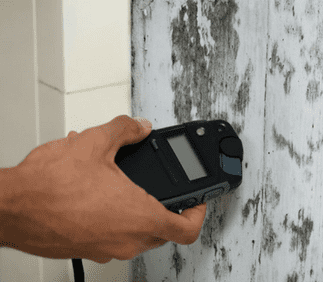
From there, we collect air samples and surface swab samples and send them to a certified third-party laboratory. Infrared scanning runs alongside the physical inspection this is how hidden mold gets found. If there’s moisture behind drywall, inside a ceiling cavity, or beneath flooring, the thermal imaging picks up the temperature differential that signals a problem. You don’t need exploratory demolition to find what’s hiding.
Because New York State requires all mold assessors to hold a NYS DOL license under Article 32, every step of this process is conducted under full licensure. Once the lab results come back, you receive a detailed written report that identifies mold species, spore concentrations, moisture sources, and specific remediation steps. That report is accepted by insurance adjusters, real estate attorneys, and healthcare providers which is exactly what Sands Point homeowners typically need it for.
Ready to get started?
Home Mold Testing Sands Point, NY
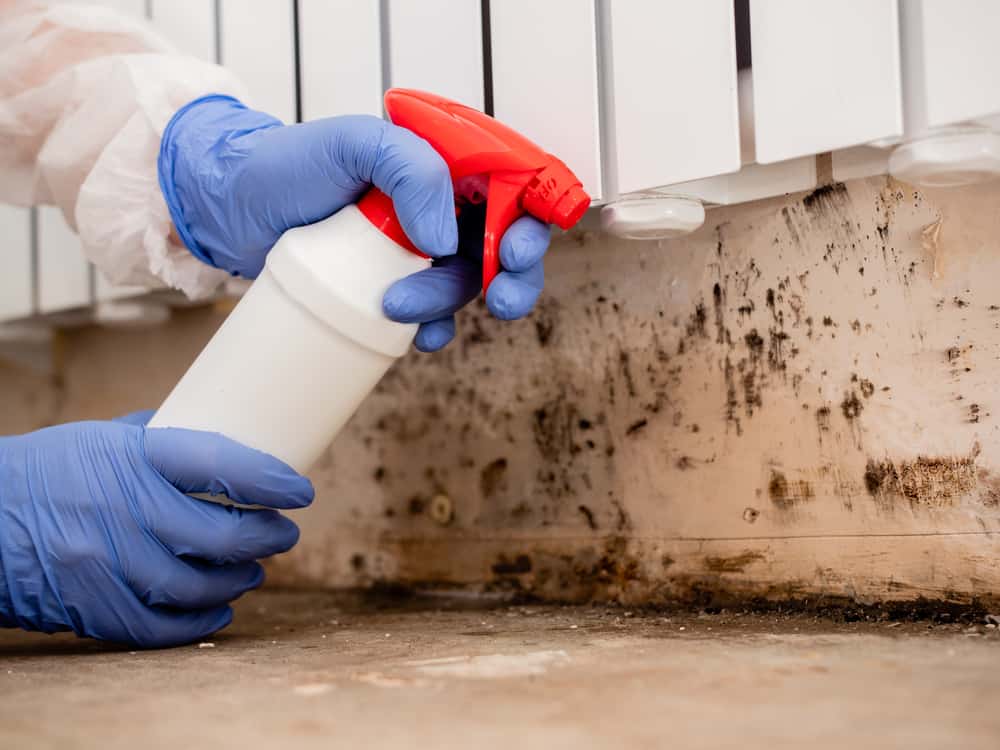
Our mold inspection service includes air testing, surface swab sampling, water intrusion assessment, moisture level measurement, infrared thermal imaging, and an internal-versus-external air particle comparison. Every sample goes to a certified lab. Every result comes back in writing. The final report includes mold species identification, contamination levels, the likely moisture source, and a clear remediation plan not a list of vague recommendations, but specific next steps.
For Sands Point properties, attic mold inspection and basement mold inspection are almost always part of the conversation. Homes built before 1950 and there are many in this village tend to have inadequate vapor barriers, original plumbing, and ventilation systems that were never updated. The infrared scanning is especially valuable here because these older structures often hide moisture damage that a visual inspection alone would completely miss. If you’re buying a property near Hempstead Harbor or along the Sound, you want to know what’s in that attic before the closing paperwork is signed.
If the inspection reveals a mold problem, we handle the full scope remediation and complete property restoration so you’re not coordinating between multiple contractors. One team, one point of contact, from the initial assessment through the final clearance. That’s the full-service capability that makes a real difference when you’re managing a property of this size and value.
Does living near the Long Island Sound actually increase my mold risk in Sands Point?
Yes, and it’s not a minor difference. Sands Point is surrounded by open water on three sides the Long Island Sound, Manhasset Bay, and Hempstead Harbor which means ambient humidity levels stay elevated for a significant portion of the year. Salt air off the Sound is hygroscopic, meaning it actively draws moisture into building materials like wood framing, drywall, and insulation. Over time, that persistent moisture exposure creates the conditions mold needs to grow, even in homes that appear well-maintained from the outside.
This is compounded by the peninsula’s naturally high water table. During heavy rain or snowmelt, groundwater pressure rises and pushes moisture through foundation walls, basement floor seams, and crawl space floors. Homes on the waterfront edges of Sands Point particularly those facing the Sound directly face the most exposure. If your home hasn’t had a professional mold inspection in the last few years, especially after any storm event or renovation work, it’s worth knowing what’s actually in your air and inside your walls.
How much does a professional mold inspection in Sands Point, NY typically cost?
Nationally, professional mold inspections average around $670, with a typical range of $300 to over $1,000 depending on the size of the property, the number of samples collected, and the scope of the inspection. In Nassau County’s North Shore market where homes are substantially larger than average and often require more sampling points, more infrared scanning time, and more thorough documentation you should expect costs toward the higher end of that range.
That said, the cost of an inspection is genuinely small relative to what’s at stake in Sands Point. With median home values around $2 million and listed properties frequently exceeding $4 to $5 million, the inspection fee is a negligible line item compared to the cost of undiscovered mold causing structural damage or derailing a real estate closing. The more useful question isn’t what the inspection costs it’s what skipping it could cost you. A written, lab-certified report also gives your insurance company or real estate attorney something they can actually work with, which can directly affect a claim outcome or transaction timeline.
What's the difference between mold inspection and mold testing, and do I need both?
Mold inspection and mold testing are related but not the same thing. An inspection is the physical process a trained assessor walks the property, uses moisture meters and infrared thermal imaging, identifies water intrusion points, and looks for visible signs of mold growth or the conditions that support it. Testing is what happens when samples are collected air samples, surface swabs, or both and sent to a certified laboratory to identify what species are present and at what concentration levels.
In most cases, you need both. The inspection tells you where to look and what conditions exist. The lab testing tells you what’s actually there and whether the levels are a health concern. Some companies offer inspection without lab-certified testing, which means you get an opinion but no documentation. For Sands Point homeowners dealing with a real estate transaction, an insurance claim, or a health concern, a verbal opinion isn’t enough. You need the written lab report and that only comes from a full inspection and testing process conducted by a licensed mold assessor.
Is mold inspection in Sands Point required before selling or buying a home?
New York State does not legally require a mold inspection as a condition of every real estate transaction, but in Sands Point’s market, it’s become a standard part of serious due diligence especially for buyers. When a property is listed at $3, $4, or $5 million, no informed buyer or their attorney is going to skip a professional mold assessment. The financial exposure from undisclosed mold particularly in older estate structures with aging plumbing and complex rooflines is simply too significant to ignore.
From the seller’s side, having a clean inspection report on hand can actually strengthen a listing and reduce friction during the negotiation process. It removes one of the most common contingency issues before it becomes a problem. For buyers, a lab-certified mold inspection report gives you documented evidence of the property’s condition at the time of purchase which matters if mold surfaces after closing and you need to establish a timeline. In a village where real estate attorneys are involved in virtually every transaction, that documentation carries real weight.
Can mold grow in my attic or basement without me ever seeing or smelling it?
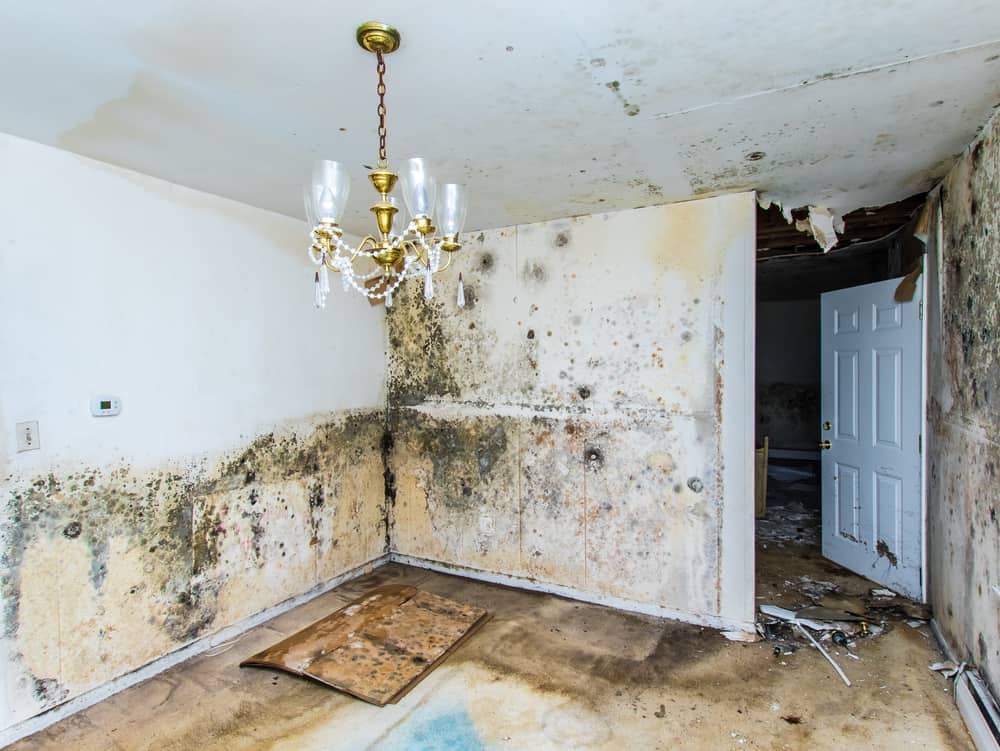
Absolutely and in Sands Point’s older housing stock, it happens more often than most homeowners expect. Attic mold typically develops when warm, humid air from the living space rises and meets a cold roof deck, creating condensation. In estate homes with complex rooflines dormers, multiple roof pitches, inadequate ridge ventilation there are plenty of places for that moisture to accumulate without ever producing a smell that reaches the living areas below. Ice dams in winter force water under shingles and into attic cavities, and by the time the damage is visible on a ceiling, the mold has often been growing for months.
Basement mold in Sands Point follows a different path. The peninsula’s high water table means groundwater pressure works against foundation walls year-round, and any crack or seam in the foundation becomes a moisture entry point. Mold growing on the back of basement insulation, behind stored belongings, or on the underside of floor joists can be extensive before it produces any odor in the living space. Infrared thermal imaging is the most effective tool for finding both of these hidden situations it detects the moisture signature before the mold becomes a visible or structural problem.
Does homeowners insurance cover mold inspection or remediation in Sands Point, NY?
It depends on the source of the moisture, and the documentation you have to support the claim. Most standard homeowners insurance policies in New York will cover mold remediation when the mold is a direct result of a covered peril a burst pipe, storm-related water intrusion, or sudden and accidental discharge of water. What they typically won’t cover is mold that resulted from long-term neglect, gradual leaks, or maintenance issues that went unaddressed.
For Sands Point homeowners, storm-related mold claims are the most common scenario. A nor’easter drives water into a waterfront property, or a Long Island Sound storm surge event causes flooding and if the resulting moisture damage leads to mold, the claim has to be documented properly to be approved. That’s where the inspection report matters. A lab-certified written report that traces the mold back to a specific moisture event, documents the extent of contamination, and outlines a remediation plan gives your insurance adjuster something concrete to work with. Our technicians are trained to produce exactly that kind of documentation not a generic report, but one structured around what insurance companies actually need to process a claim.
Useful Links
Other Services we provide in Sands Point