
Mold Inspection in Sea Cliff, NY
When Victorian Walls Hide More Than Character
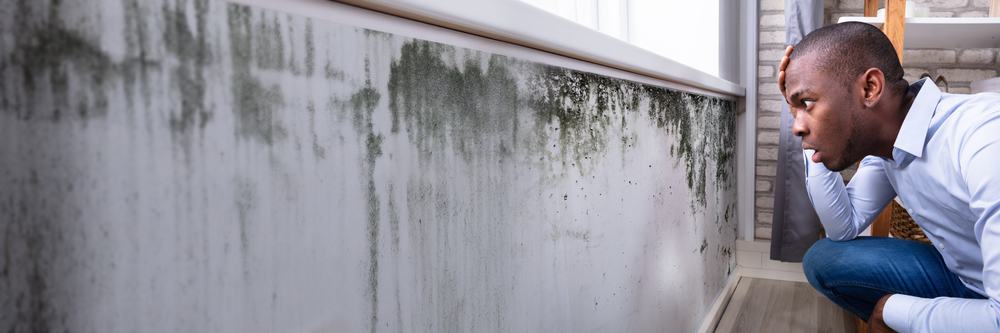
Hear from Our Customers

Professional Mold Inspector Sea Cliff NY
Most mold problems in Sea Cliff aren’t discovered during a walk-through. They’re found inside wall cavities, under original plank flooring, or tucked into attic framing that hasn’t been touched since the 1920s. By the time you smell something or see a stain, it’s usually been growing for a while. A professional mold inspection in Sea Cliff, NY gives you a clear, documented answer not a guess.
Sea Cliff’s position on the bluff above Hempstead Harbor creates conditions that most Nassau County communities simply don’t deal with. Salt-laden marine air, harbor humidity, and direct exposure to nor’easters all push moisture into building envelopes in ways that inland towns don’t experience. When you add a housing stock where 54% of homes were built before 1940 most without vapor barriers, with original balloon framing and plaster walls you’ve got a combination that’s genuinely high-risk for mold growth that stays hidden for years.
A thorough mold assessment in Sea Cliff, NY doesn’t just tell you if mold is present. It tells you where it is, what species you’re dealing with, how far it’s spread, and exactly what needs to happen next. That’s the information you need to make a real decision whether you’re buying a Victorian on Prospect Avenue, filing an insurance claim after a storm, or opening a wall during a renovation and finding something you weren’t expecting.
Mold Inspection Company Sea Cliff NY
We’ve been inspecting and remediating mold in Long Island homes since the early 1990s. That’s not a marketing number it means our team has worked inside homes exactly like the ones lining Sea Cliff’s bluff streets. Victorian construction, old foundations, coastal exposure, and the specific moisture patterns that come with living on the North Shore of Nassau County. We know what to look for because we’ve seen it, repeatedly, for over three decades.
Every technician we send to your door is IICRC-certified not just our ownership, every person on the team. Our owner holds a New York State Article 32 license for both mold inspection and mold remediation, which is the legal standard the state requires and the credential you should be verifying before booking anyone. We’re also fully licensed, bonded, and insured.
When a home inspector flags something in an attic off Sea Cliff Avenue, or a basement floods after a nor’easter rolls through Hempstead Harbor, you need someone who can get there fast, document everything properly, and give you a straight answer. That’s what we’ve done for Long Island homeowners for 31 years, and it’s what we’ll do for you.
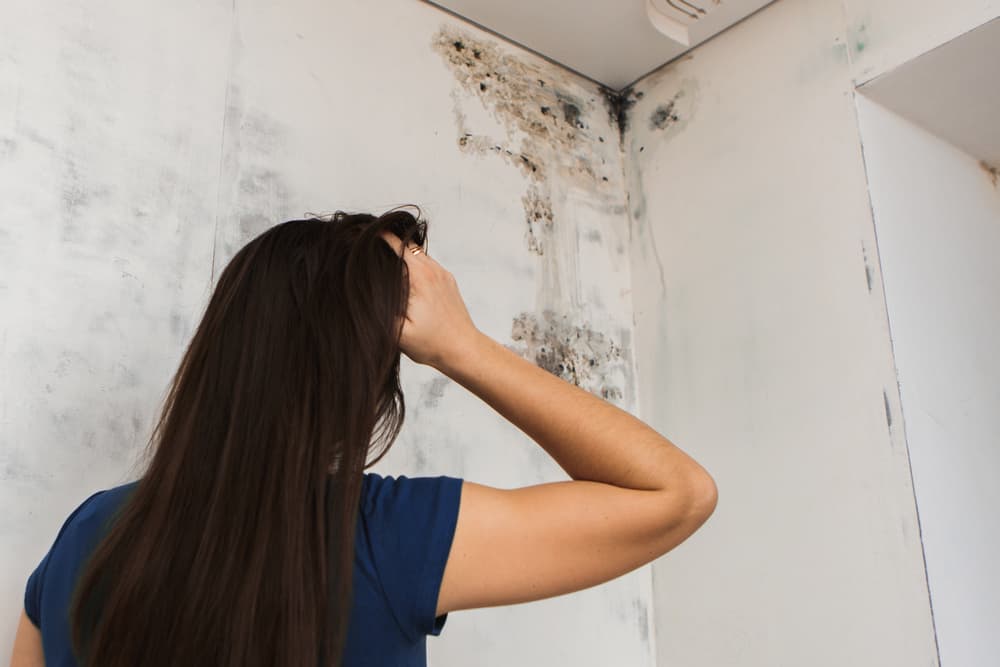
Mold Detection Services Sea Cliff NY
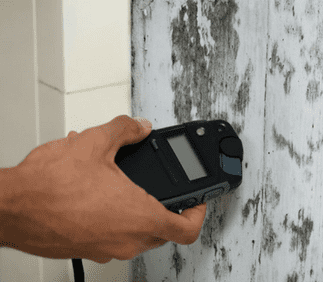
When we arrive at your Sea Cliff home, we’re not doing a visual scan and calling it done. Our inspection follows a five-point protocol designed to find mold where it actually hides not just where it’s visible. We start with air testing and surface swab sampling, then move into a water intrusion inspection to identify where moisture is getting in. From there, we take moisture level readings throughout the home and run infrared thermal imaging to detect temperature differentials inside wall cavities, ceiling assemblies, and floor systems that indicate hidden moisture or mold growth you can’t see from the surface.
That infrared step matters more in Sea Cliff than in most places. Balloon framing the construction method used in virtually every Victorian-era home in the village allows air and moisture to travel freely from the basement all the way to the attic inside the wall cavity. Mold can establish in one area and remain completely invisible from another. Thermal imaging is the only way to see it without opening walls.
All samples go to a certified third-party laboratory. When results come back, you receive a written report with species identification, spore concentration levels, internal versus external air particle comparison, photographs of all identified mold sources, and specific remediation recommendations. This is the documentation that insurance adjusters accept, that real estate attorneys rely on, and that gives you a clear path forward whatever that path turns out to be.
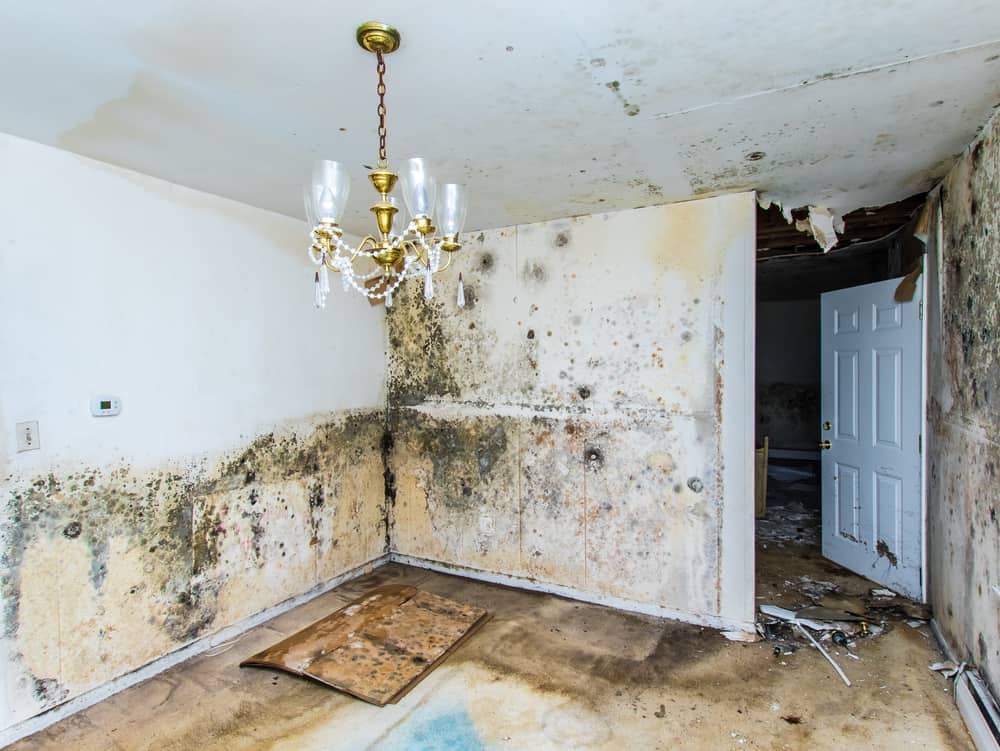
Ready to get started?
Residential Mold Inspection Sea Cliff NY
Sea Cliff’s housing stock is genuinely different from most of Nassau County. When we conduct a residential mold inspection in Sea Cliff, NY, we’re not running a standard suburban checklist. We’re assessing structures that are 80 to 130 years old, with original building systems that were never designed to manage the moisture demands of year-round occupancy in a coastal environment. Attic mold inspection in Sea Cliff, NY means looking at roof sheathing and rafter systems in Victorian-era structures where ice dams form on complex rooflines every winter, driving water into framing that has been absorbing and releasing moisture for a century. Basement mold inspection in Sea Cliff, NY means evaluating stone and brick foundation systems that are porous by nature and have been in contact with groundwater for generations.
We also handle commercial mold inspection in Sea Cliff, NY for property owners and businesses in the area. Whether it’s a mixed-use building near Glen Cove Avenue or a commercial space that experienced water intrusion after a storm, the same certified process applies.
If you’re purchasing a home in Sea Cliff, our inspection produces the lab-backed documentation your attorney and lender will accept. If you’re dealing with a post-storm claim, we provide the written report your insurance adjuster requires. New York State’s Article 32 licensing law has been in effect since 2016 any mold assessor working in Sea Cliff without that license is operating illegally, and any report they produce carries no legal standing. Ours does.
How much does a mold inspection cost in Sea Cliff, NY?
The cost of a mold inspection in Sea Cliff, NY typically ranges from $300 to $600 for a standard residential assessment, though the final number depends on the size of the home and the scope of what’s being inspected. A 2,500-square-foot Victorian with a full basement, finished attic, and multiple exterior wall exposures will take longer and require more sampling than a smaller property and that’s reflected in the price.
It’s worth putting that number in context. The median home value in Sea Cliff is over $1,000,000. If you’re purchasing a property at that price point and a mold problem goes undetected, you could be looking at $15,000 to $50,000 in remediation costs, plus the disruption of living through it. A few hundred dollars for a certified inspection with lab-backed results is not an expense it’s protection on a significant investment.
What are the signs I might need a mold inspection in my home?
The most obvious sign is visible mold black, green, or white growth on walls, ceilings, or around windows. But in Sea Cliff’s older homes, visible mold is often the last thing you notice. More common early indicators are a persistent musty smell in a basement or attic, unexplained allergy symptoms or respiratory issues that improve when you leave the house, water stains on walls or ceilings that appeared after a storm or a pipe issue, or a general sense that something is off with the air quality in certain rooms.
If your home was built before 1950 which describes the majority of Sea Cliff’s housing stock and you’ve had any water intrusion event in the past few years, that alone is a reason to schedule an inspection. Old plaster walls, original wood framing, and uninsulated attic spaces retain moisture in ways that modern construction doesn’t. You don’t need to see mold to have a mold problem. A professional mold assessment in Sea Cliff, NY can confirm what’s actually happening inside the building envelope before it becomes a much bigger issue.
Does Sea Cliff's coastal location actually increase my home's mold risk?
Yes, and it’s not a minor factor. Sea Cliff sits on a 120-foot bluff directly above Hempstead Harbor and Long Island Sound. That geography creates a localized microclimate with elevated ambient humidity, salt-laden marine air, and consistent exposure to coastal weather systems that inland Nassau County communities don’t deal with at the same level. Nor’easters in particular drive wind-driven rain into exterior wall assemblies, under roof flashing, and through any gap in an aging building envelope and Sea Cliff’s Victorian-era homes have more of those gaps than modern construction.
Marine humidity is also a year-round factor, not just a storm issue. During spring and fall, when temperature differentials between the harbor water and the land are greatest, fog and condensation are frequent. That moisture works its way into attic spaces, crawl spaces, and wall cavities over time. Homes on Shore Road and in the lower Flats section of the village closer to the water’s edge face the most direct exposure. But even homes higher on the bluff deal with conditions that accelerate moisture infiltration compared to what you’d find in Mineola or Garden City.
I'm buying a home in Sea Cliff do I need a separate mold inspection?
A general home inspector is not a mold assessor. They can note visible staining, flag areas of concern, or recommend further evaluation but they’re not equipped to conduct air sampling, run surface swabs, use thermal imaging, or produce a certified laboratory report. If you’re purchasing a Victorian home in Sea Cliff and your home inspector mentions anything about potential moisture or mold, that’s a referral to get a separate, dedicated mold inspection. It’s not the same service.
Beyond that, even a clean general inspection doesn’t rule out hidden mold. In a home built in the 1890s or 1920s with original balloon framing and plaster walls, mold can be growing inside wall cavities, in the attic, or under flooring without any surface indication. Pre-purchase mold inspection in Sea Cliff, NY is standard due diligence for a property at this price point. The inspection produces a written, certified report that your attorney can review before closing and if mold is found, you have documentation to negotiate with, not just a verbal concern from a general inspector.
How soon after water damage should I schedule a mold inspection?
As soon as possible ideally within 24 to 48 hours of the water intrusion event. Mold can begin establishing in that window under the right conditions, and Sea Cliff’s older homes provide those conditions readily. Old wood framing, original plaster, and aged insulation absorb and retain moisture far more aggressively than modern building materials. Once moisture is present inside a wall cavity or attic space, the clock is running.
This comes up regularly after nor’easters on the North Shore. A storm drives water under flashing on a Victorian roofline, or a basement takes on water through a stone foundation, and the homeowner dries what they can see and considers it handled. What they can’t see is what matters. If the framing inside that wall or the subfloor under that flooring stayed wet for more than 48 hours, mold assessment services in Sea Cliff, NY should be the next call not something to schedule when it becomes convenient. We operate 24 hours a day, 7 days a week, specifically because water damage and the mold risk that follows it don’t happen on a business-hours schedule.
Is mold inspection in Sea Cliff covered by homeowners insurance?
It depends on what caused the mold. Most standard homeowners insurance policies in New York cover mold remediation when it results directly from a covered water damage event a burst pipe, storm-driven water intrusion, or a sudden and accidental leak. What they typically don’t cover is mold that resulted from long-term moisture issues, deferred maintenance, or gradual water infiltration that wasn’t addressed. The distinction matters, and it’s one reason why professional documentation is so important.
When you have a certified mold inspection with a written lab report, species identification, and a clear record of where the moisture originated, your insurance adjuster has something concrete to work with. Without that documentation, claims get disputed or denied. Sea Cliff homeowners who’ve dealt with post-storm flooding and there have been significant events in recent years, including the August 2024 flooding that affected much of Long Island know that the difference between a paid claim and a denied one often comes down to the quality of the paperwork. Our inspection reports are produced by a New York State Article 32–licensed mold assessor and are designed to meet the documentation standard that insurance carriers require.
Useful Links
Other Services we provide in Sea Cliff