
Mold Inspection in South Valley Stream, NY
South Valley Stream's Older Homes Hide More Than You Think

Hear from Our Customers
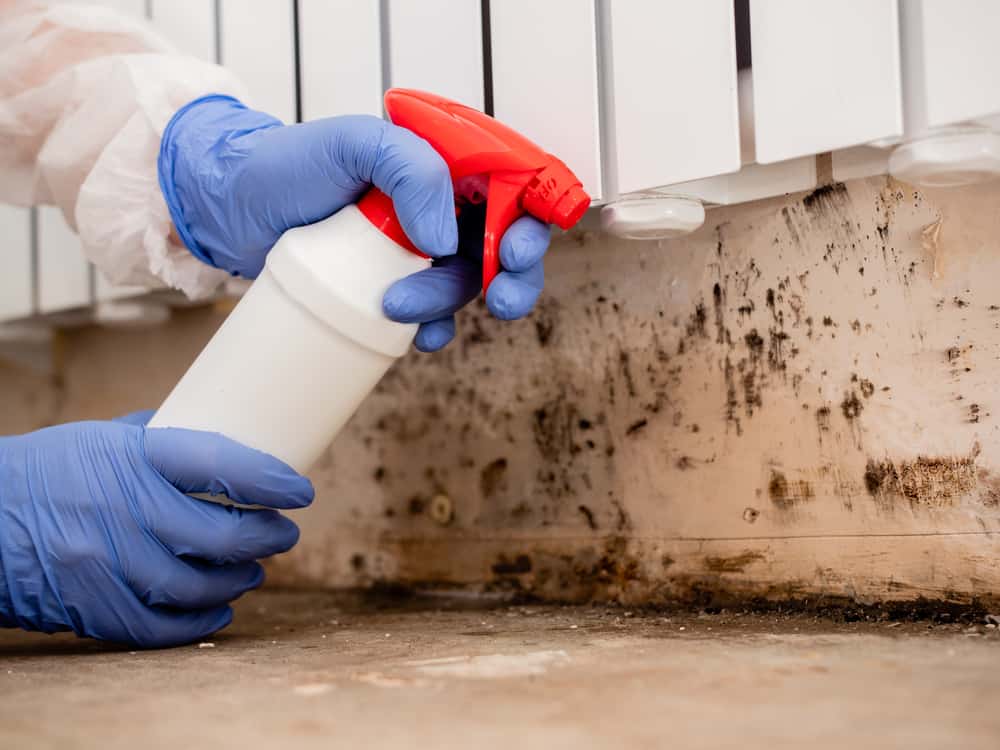
Residential Mold Detection South Valley Stream
Most mold problems in South Valley Stream aren’t visible. They’re behind the drywall of a 1950s split-level, inside the insulation of an attic that’s been trapping coastal humidity for decades, or underneath a basement floor that flooded during the last nor’easter. By the time you smell something or see a dark spot, the colony has usually been growing for a while.
A professional mold inspection gives you a complete picture not a guess. You walk away with certified lab results, a written report that documents exactly what was found, where it was found, and what needs to happen next. That’s the kind of documentation your insurance adjuster will accept, your real estate attorney will expect, and your family deserves.
South Valley Stream carries a flood risk score of 6 out of 10 significantly higher than the Village of Valley Stream to the north. The postwar homes throughout North Woodmere and Mill Brook were built before modern waterproofing standards existed. That combination of elevated flood exposure and aging construction is exactly why mold assessment here isn’t optional maintenance. It’s due diligence.
Licensed Mold Inspection Company South Valley Stream
We’ve been serving Nassau and Suffolk counties for over three decades. That’s 31 years of inspecting homes just like the ones lining the streets of South Valley Stream postwar split-levels and brick ranches with original plumbing, aging drainage, and basements that were never built to handle today’s storm patterns.
Every technician on our team is IICRC-certified. Our owner holds personal NYS Department of Labor licenses in both mold inspection and mold remediation the dual licensing that New York State’s Article 32 law requires. We’re fully licensed, bonded, and insured. You can ask for the license number before you book. It’ll be provided without hesitation.
We’re not a national franchise with a local phone number. We already maintain an active service presence in South Valley Stream and know the neighborhoods, the housing stock, and the flooding patterns that drive mold risk in this community.
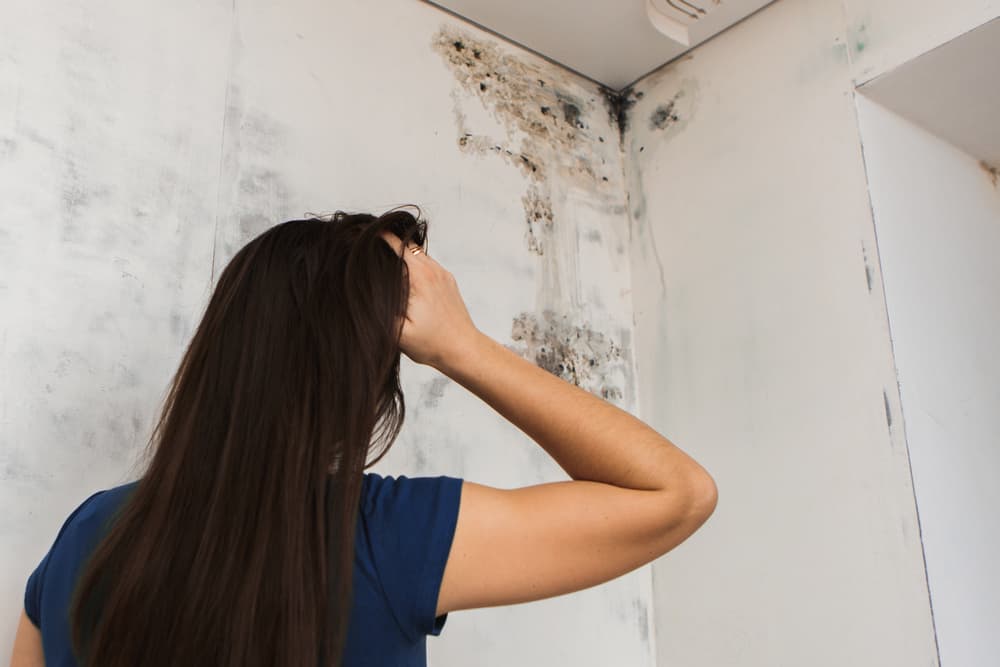
Mold Assessment Services South Valley Stream NY
When one of our certified technicians arrives at your South Valley Stream home, we’re not doing a quick walkthrough with a flashlight. The inspection follows a structured five-point protocol designed to find what a visual check will miss especially in homes built during the postwar era that make up most of this community.
It starts with air sampling inside and outside the home. Those samples get compared to establish a baseline if indoor spore levels are elevated relative to outdoor levels, that’s a meaningful finding. Surface swabs are collected from any areas showing visible discoloration or growth. A moisture meter is used throughout the home to identify elevated readings in walls, floors, and ceilings. Then infrared thermal imaging is applied to detect temperature differentials behind surfaces the kind that signal hidden moisture and hidden mold that no one would find otherwise.
Everything collected goes to a certified third-party laboratory. When results come back, you receive a written report: mold species identified, spore concentrations documented, and specific remediation steps outlined. In New York State, Article 32 requires that the company performing the inspection and the company performing any remediation on the same project be separate so the report you receive is an objective, independent assessment, not a pitch for more work.
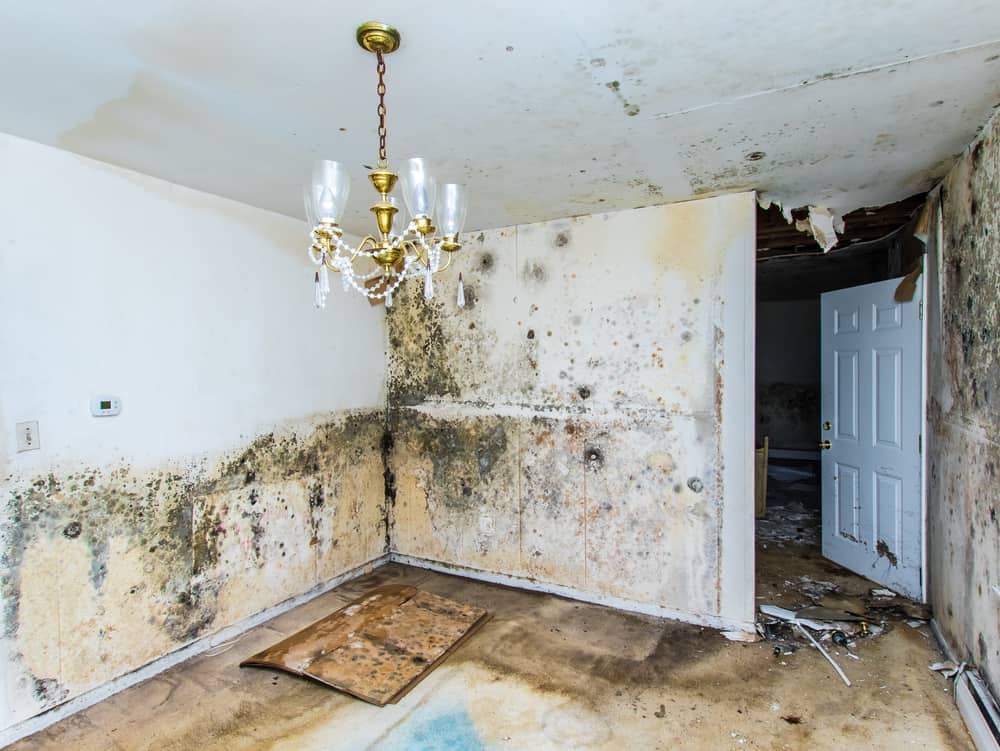
Ready to get started?
Indoor Air Quality Testing for Mold South Valley Stream
Every mold inspection in South Valley Stream includes air testing, surface swab sampling, moisture level readings throughout the property, infrared-assisted hidden mold detection, and a full written report backed by certified lab analysis. You’re not getting a verbal opinion you’re getting documented findings that hold up with insurance companies, real estate attorneys, and Nassau County officials.
For homes in the North Woodmere and Mill Brook areas, attic and basement inspections are standard parts of the process. Attics in these older homes frequently trap humidity from the coastal air that moves through the south shore corridor and basements in zip code 11581 flood often enough that post-water-event mold assessment has become a routine call for this area. Both spaces get examined thoroughly, not glanced at.
If you’re purchasing a home near the Green Acres Mall corridor or anywhere in the 11581 zip code, a pre-purchase mold inspection is one of the smartest things you can do before closing on a property worth $600,000 or more. The report you receive is the kind of documentation that can support a price negotiation, a repair request, or simply give you peace of mind before you sign. We provide all of it inspection, lab analysis, written findings, and clear next steps in one visit.
How much does a mold inspection cost in South Valley Stream, NY?
The national average for a professional mold inspection runs around $670, with most jobs falling somewhere between $300 and $1,050 depending on the size of the home and the scope of the inspection. For South Valley Stream specifically, the homes are mostly postwar single-family residences split-levels, ranches, and Colonials in the 1,500 to 2,500 square foot range which puts most inspections solidly in the mid-range of that window.
What actually drives cost is what needs to be tested. If you have a straightforward concern a musty smell in one area, a small visible spot the inspection may be more targeted. If you’ve had recent basement flooding, which is common in zip code 11581, or you’re doing a full pre-purchase inspection before closing, the scope will be broader. Either way, you’ll know what’s included before anything starts, and the written lab-backed report is part of every inspection not an add-on.
My South Valley Stream basement flooded how soon do I need a mold inspection?
As soon as possible. Mold can begin growing within 24 to 48 hours of water intrusion when indoor humidity climbs above 60 percent and in a basement that’s held standing water, those conditions are almost always met. South Valley Stream’s flood risk score sits at 6 out of 10, and the zip codes covering this area see basement flooding regularly after heavy rain events. Waiting a week to call isn’t neutral it’s time the mold is using.
The inspection after a flooding event isn’t just about visible mold. It’s about finding moisture that’s already absorbed into wall framing, floor joists, and insulation materials that are common in the older construction throughout this community. Infrared thermal imaging can detect that hidden moisture before it becomes a visible colony. The sooner an inspection happens after a flood, the more options you have for preventing a larger remediation project down the line.
What's the difference between a mold inspection and mold testing?
Mold inspection and mold testing are related but not the same thing. An inspection is the physical process a certified technician walks through your home, assesses moisture levels, looks for visible growth, identifies conditions that support mold, and collects samples. Mold testing is what happens to those samples: they go to a certified laboratory where they’re analyzed for mold species, spore type, and concentration levels.
A proper mold inspection in South Valley Stream includes both. You need the physical assessment to know where to collect samples and what conditions exist. You need the lab results to understand what you’re actually dealing with whether it’s a common environmental mold at low levels or a species like Stachybotrys (what most people call black mold) at concentrations that require remediation. A report that only includes one without the other leaves you with incomplete information. What you want is a written report that documents the inspection findings and the certified lab results together, with specific recommendations attached.
Does homeowners insurance cover mold inspection in Nassau County?
It depends on the cause. Most standard homeowners insurance policies in Nassau County will cover mold-related costs if the mold resulted from a covered peril a sudden pipe burst, storm damage, or a specific flooding event covered under your policy. What they typically won’t cover is mold that developed gradually due to long-term moisture issues, deferred maintenance, or conditions that were present before the policy was active.
For South Valley Stream homeowners specifically, this distinction matters. The area’s elevated flood risk and older housing stock mean that moisture issues in basements and crawl spaces are sometimes chronic rather than sudden and chronic conditions are where insurers tend to push back. Having a professional inspection with certified lab documentation gives you the strongest possible position when filing a claim. It establishes what was found, when, and under what conditions which is exactly what an adjuster needs to process a mold-related claim. Without that documentation, you’re relying on a verbal account.
Is black mold common in older South Valley Stream homes?
Stachybotrys chartarum what most people call black mold thrives in environments with sustained high moisture and cellulose-rich materials like drywall, wood framing, and paper-backed insulation. The postwar homes throughout South Valley Stream check both of those boxes. Homes built in the late 1930s through early 1960s often have original plaster walls, wood-frame insulation cavities, and uncoated concrete block foundations all materials that absorb moisture readily and hold it.
That said, not every dark spot is Stachybotrys, and not every mold colony is black mold. The only way to know what you’re dealing with is certified lab analysis. Some mold species are relatively benign at low concentrations. Others including Stachybotrys are associated with serious respiratory effects, especially in children, elderly residents, and anyone with asthma or a compromised immune system. South Valley Stream is a community of families and established homeowners. If there’s any question about what’s growing in your home, a lab-backed inspection is how you get a real answer not a guess.
Do I need a licensed mold inspector in New York, or can anyone do it?
In New York State, anyone performing mold assessment for compensation is required by law to hold a current license issued by the NYS Department of Labor. This requirement has been in place since January 1, 2016 under Article 32 of the NYS Labor Law. Fines for unlicensed mold work can reach $10,000 per violation, and enforcement has intensified in recent years. Hiring an unlicensed inspector doesn’t just put you at legal risk it means the report you receive may not be accepted by your insurance company, your real estate attorney, or Nassau County officials.
Article 32 also establishes a separation-of-function rule: the company performing the mold inspection cannot be the same company that performs the remediation on that same project. This rule exists specifically to protect homeowners from inflated assessments it ensures the person inspecting your home has no financial incentive to overstate the problem. Our owner holds personal NYS DOL licenses in both mold inspection and mold remediation, and we operate in full compliance with Article 32. Before you book any mold inspection in South Valley Stream, ask for the inspector’s NYS DOL license number. A legitimate company will give it to you immediately.
Useful Links
Other Services we provide in South Valley Stream