
Mold Inspection in St. James, NY
North Shore Homes Hide Mold. Here's How to Know for Sure.
Hear from Our Customers
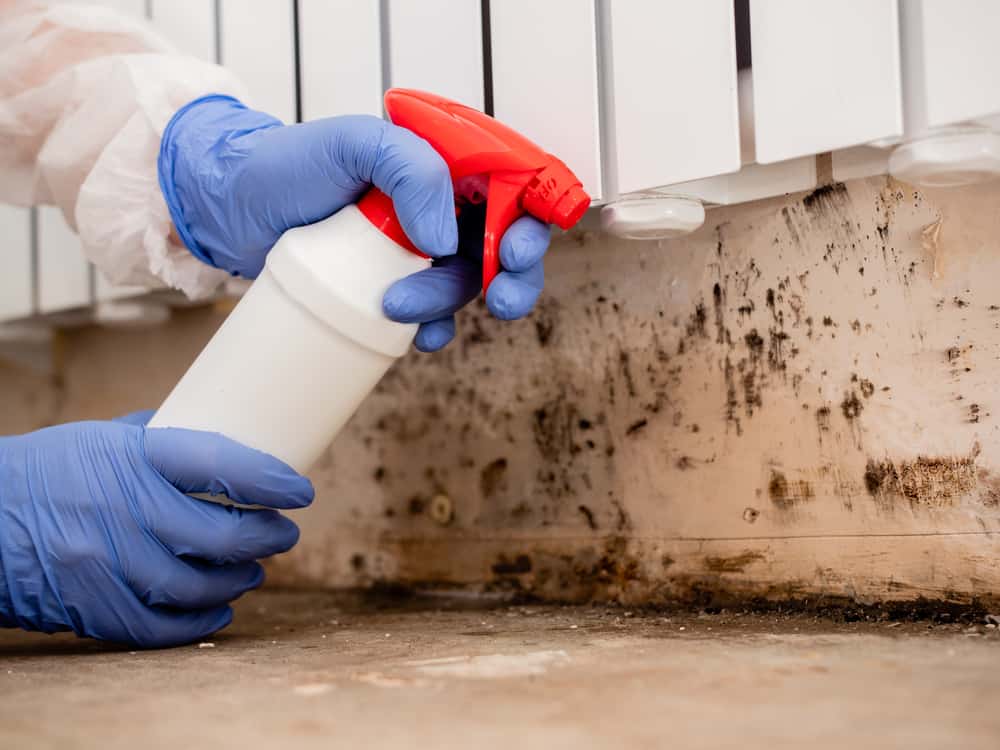
Home Mold Testing St. James, NY
Most St. James homeowners don’t call us because they see something obvious. They call because something doesn’t feel right a musty smell in the basement after a wet spring, a family member whose allergies haven’t let up, or a nagging sense that a 1960s Cape Cod with aging gutters and mature tree canopy surrounding it probably has something going on inside the walls. That instinct is usually correct.
A professional mold inspection in St. James gives you a documented answer, not a guess. You’ll know exactly what’s in your air, where moisture is getting in, whether what’s growing behind your walls is a minor issue or something that’s been spreading for years, and what needs to happen next. For a home worth $690,000 or more in a market that’s still appreciating, that documentation isn’t just peace of mind it’s financial protection.
The North Shore’s wooded terrain slows evaporation and keeps moisture against your roofline longer than homes in flatter, more open communities. Older construction in St. James means fewer vapor barriers, less attic ventilation, and plumbing that’s been quietly dripping longer than you know. Getting ahead of it now is almost always cheaper than discovering it during a renovation or worse, at the closing table.
Mold Inspection Company St. James, NY
First Response Restoration and Cleaning Inc. has been working in Long Island homes since the early 1990s long before most of the companies currently ranking on Google for mold inspection in St. James even existed. This isn’t a franchise operation or a national call center with a local landing page. We’re a licensed, owner-operated restoration company based on Long Island, with more than three decades of real experience in the specific housing stock, moisture patterns, and seasonal conditions that North Shore communities like St. James deal with.
We hold active New York State licenses for both mold assessment and mold remediation two separate licenses that state law requires and that not every company operating in this space actually carries. Every technician who walks into your home is IICRC-certified. That’s not a company-level credential that only applies to the owner it applies to whoever shows up at your door.
From the wooded neighborhoods near Deepwells Farm to the mid-century ranches and Capes that make up most of St. James’s residential streets, our team has seen what Long Island homes actually look like on the inside and we know where to look.
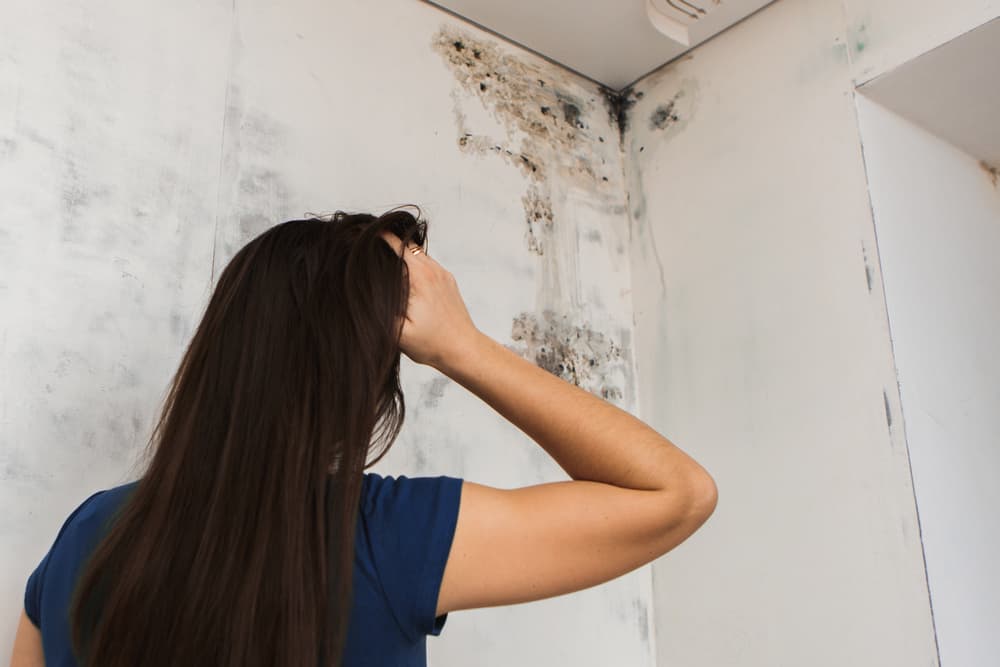
Professional Mold Inspector St. James, NY
When one of our inspectors arrives at your St. James home, the process starts with a full walkthrough not a quick visual scan, but a systematic assessment of every area where moisture typically enters or accumulates. In North Shore homes, that means the attic gets serious attention, because debris from the mature tree canopy surrounding most St. James properties clogs gutters and backs water up under roofing material more often than homeowners realize. Crawlspaces, basements, and bathroom walls are next.
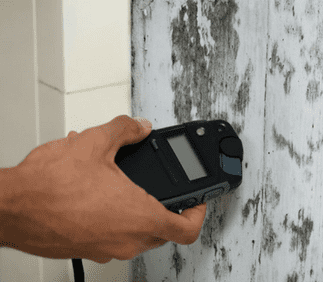
From there, air samples and surface swabs are collected from the affected areas and sent to an accredited laboratory for analysis. This is where the inspection separates itself from a general contractor’s opinion the results are scientific, documented, and specific to the mold species and spore counts present in your home. We use infrared thermal imaging where needed to detect moisture behind walls and under floors without opening anything up unnecessarily.
Once the lab results come back, you receive a full written report in plain language what was found, where it is, how serious it is, and what remediation looks like if it’s needed. New York State law requires mold assessors to be separately licensed from remediators, and we hold both. If the inspection finds something that needs to be addressed, you’re not starting over with a different company.
Ready to get started?
Residential Mold Inspection St. James, NY
Our mold inspection in St. James covers five documented areas: air quality testing, surface swab sampling, water intrusion assessment, moisture level measurement, and full photographic documentation of every identified mold source. We use infrared thermal imaging to detect hidden moisture in wall cavities and ceiling assemblies the kind of moisture that older St. James homes accumulate quietly over years without any visible sign inside the living space.
Every sample goes to an accredited lab. The written report you receive at the end is formatted to be used for insurance claims, real estate transactions, or simply your own records. If you experienced water intrusion during the August 2022 flooding that produced documented water rescues in Smithtown and St. James, or from a burst pipe in an older plumbing system, that report becomes your documentation trail for the insurance process. We handle the communication with your insurance company directly, which is something most inspection-only companies in this area don’t offer.
Both residential mold inspection and commercial mold inspection in St. James are covered. Whether you own a home on North Country Road, a rental property near Stony Brook University, or a commercial space along Route 25A, the inspection process is thorough, licensed, and backed by lab-verified results not a visual opinion and a handshake.
How much does a mold inspection cost in St. James, NY?
The cost of a mold inspection in St. James typically falls somewhere between $300 and $1,000 depending on the size of the property, the number of areas being tested, and whether air sampling, surface swabbing, or infrared imaging is involved. For most single-family homes in St. James which tend to be mid-century ranches and Capes in the 1,500 to 2,500 square foot range you’re generally looking at a fee in the mid-range of that window.
What’s worth keeping in mind is the math on the other side of that cost. Mold remediation runs $1,150 to $20,000 or more depending on how far it’s spread, and undisclosed mold at resale can reduce your home’s value by 20 to 37 percent in a market where the median sale price is approaching $690,000. A professional inspection is the least expensive step in a chain of potential costs and the one that determines whether the rest of them are necessary.
What are the most common signs of mold in older St. James homes?
The most common signs St. James homeowners notice before calling us are a persistent musty smell especially in the basement or attic visible discoloration on walls or ceilings, and unexplained respiratory symptoms that seem to improve when family members leave the house for extended periods. In some cases, there are no visible signs at all, which is exactly the problem.
Homes built in the 1950s through 1970s, which represent a large portion of St. James’s housing stock, were constructed without the vapor barriers and attic ventilation standards that modern building codes require. That means moisture has had decades to work its way into wall cavities, crawlspaces, and attic insulation without triggering any obvious alarm. If your home is in that age range and you’ve never had a professional mold assessment, the absence of visible mold doesn’t mean the absence of mold.
Does homeowner's insurance cover mold inspection and remediation in New York?
It depends on the cause. In New York, homeowner’s insurance policies typically cover mold damage when it results from a sudden, covered water event a burst pipe, an appliance failure, storm-related roof damage. What they generally don’t cover is mold that developed gradually due to ongoing moisture issues, like a slow foundation leak or inadequate attic ventilation that went unaddressed for years.
For St. James homeowners who experienced water intrusion during the August 2022 flooding which produced documented water rescues in Smithtown and the surrounding area the key is having proper documentation that ties the mold to that specific event. That’s where a professional inspection report matters. We produce inspection documentation formatted for insurance use and handle direct communication with adjusters, so you’re not left translating lab results into insurance language on your own.
Is it safe to stay in my home during mold inspection and remediation?
During the inspection itself, yes it’s completely safe to remain in the home. The inspector is collecting samples and documenting conditions, not disturbing any mold growth. The process is non-invasive unless infrared imaging reveals something that warrants closer investigation.
During remediation, it depends on the scope. If mold is contained to a small, isolated area a section of attic decking, a bathroom wall and our remediation team is using proper containment and air filtration, many homeowners stay in the home with minimal disruption. If the affected area is larger or involves HVAC systems where spores could circulate, temporary relocation for the duration of the work may be the safer call. We’ll walk you through what’s realistic for your specific situation before any work begins, so you’re not making that decision without complete information.
How long does a mold inspection take, and how soon do I get results?
For a typical single-family home in St. James, the on-site inspection takes between one and three hours depending on the size of the property and the number of areas being assessed. Homes with crawlspaces, finished basements, and attic access which describes a lot of the mid-century housing stock in this area tend to run closer to the longer end of that range because those spaces require thorough evaluation.
Lab results from air and surface samples typically come back within 24 to 48 hours of submission. Once the lab report is in, we compile the full written report including findings, species identification, spore counts, moisture source documentation, and recommended next steps and deliver it in plain language. You’re not waiting a week, and you’re not receiving a raw data sheet with no explanation attached.
Do I need a mold inspection before buying a house in St. James, NY?
A general home inspection will sometimes flag visible mold or moisture staining, but it won’t tell you what species is present, what the spore count is in the air, or whether mold is growing inside wall cavities and attic assemblies where a visual scan can’t reach. In St. James, where a significant portion of homes for sale were built in the 1950s through 1970s and have mature tree canopy creating ongoing moisture exposure at the roofline, a dedicated mold inspection before closing is a reasonable step not an overcautious one.
The St. James real estate market moves fast. Homes are selling in an average of 18 days, and buyers in competitive situations sometimes waive contingencies to get the deal done. If you’re in that position, a mold inspection shortly after closing gives you documentation of the home’s baseline condition before you’re living in it and before a renovation opens a wall and turns a manageable issue into a construction stoppage. Either way, knowing what you’re dealing with early is always the better position to be in.
Useful Links
Other Services we provide in St. James