
Mold Inspection in Thomaston, NY
When Manhasset Bay Air Follows You Inside
Hear from Our Customers
Residential Mold Testing Thomaston, NY
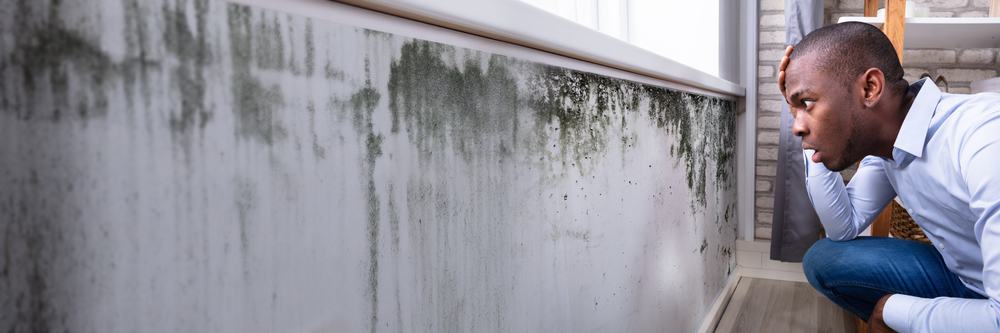
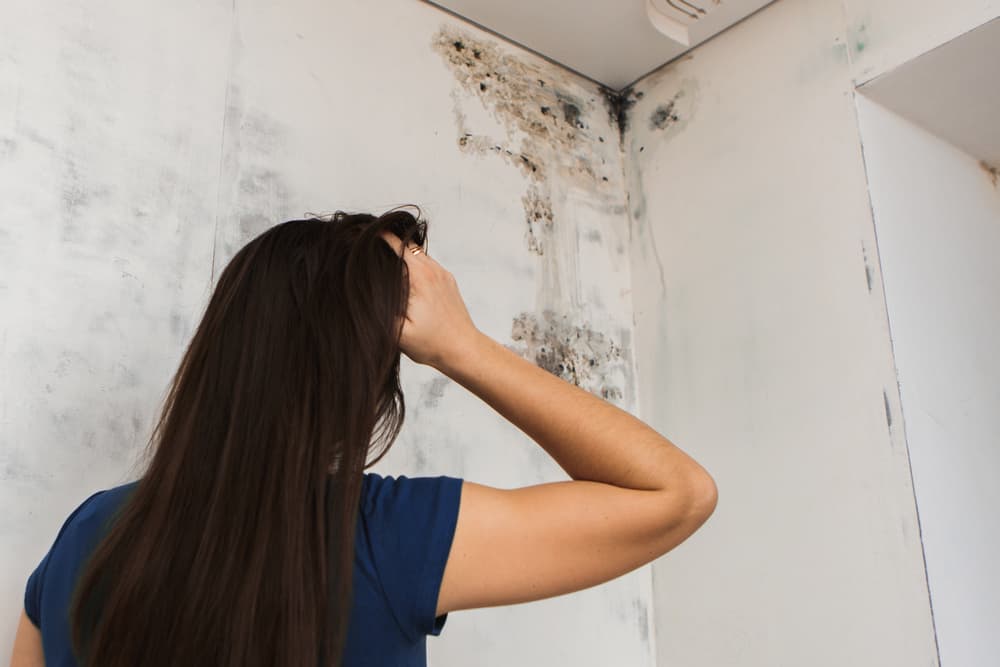
Most Thomaston homeowners don’t call about mold because they see it. They call because something feels wrong a musty smell in the basement after a wet season, a kid with unexplained congestion, or a home inspector who flagged moisture staining before closing. By the time mold is visible, it’s usually been growing for a while.
Thomaston’s location at the southeastern tip of the Great Neck Peninsula puts your home in a persistently humid environment. Manhasset Bay to the east and Little Neck Bay to the west don’t just make for a beautiful neighborhood they create the kind of ambient moisture that works its way into wall cavities, attic spaces, and finished basements over time. Older homes in the Belgrave section, some dating back to the late 1920s, have original plumbing, older insulation, and ventilation systems that weren’t built with today’s humidity levels in mind.
A professional mold inspection in Thomaston, NY gives you a clear answer not a guess. You’ll know exactly what’s in your air, where the moisture source is, and what needs to happen next. That kind of clarity protects your family’s health, your home’s value, and your ability to make informed decisions whether you’re staying put or heading to the closing table.
Certified Mold Inspector Thomaston, NY
We’ve been serving Nassau and Suffolk County homeowners since before most of today’s Thomaston residents bought their properties. That’s not a marketing line it’s a track record you can actually verify. Our owner holds a personal New York State Department of Labor license in both mold inspection and mold remediation, and every technician on our team is IICRC-certified. That means the person walking through your home has the same credentials as the person who answered your call.
For Thomaston specifically, that local history matters. We’ve worked in the North Shore’s older housing stock, responded to post-storm flooding events on the Great Neck Peninsula, and understand what coastal humidity does to homes over time. We’re not a national franchise learning your neighborhood on your dime. We’re licensed, bonded, insured, and have a Nassau County line 516-698-1776 dedicated to exactly this market.
Mold Assessment Services Thomaston, NY
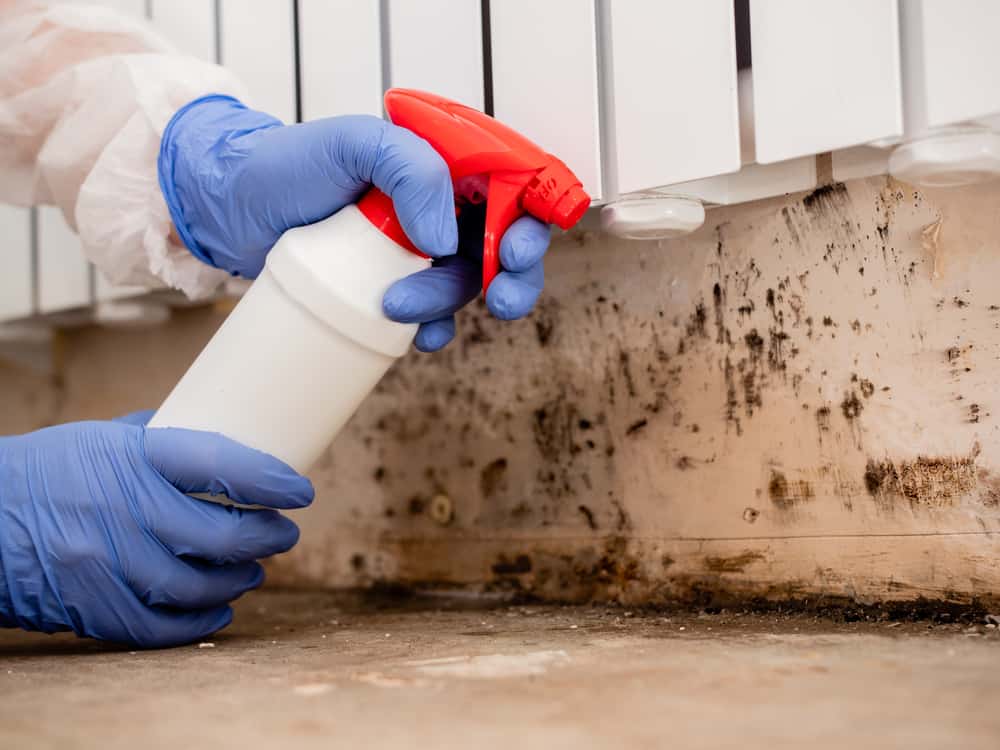
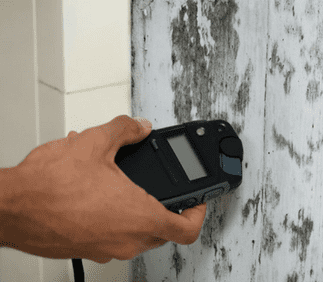
When one of our technicians arrives at your Thomaston home, the inspection follows a structured five-point protocol not a visual walk-through and a handshake. The visit starts with air testing and swab sampling, then moves into a full water intrusion inspection to identify where moisture is entering the structure. Calibrated instruments measure moisture levels in walls, floors, and ceilings, and infrared technology scans for hidden mold behind finished surfaces the kind of problem that’s common in Thomaston’s older colonials and pre-war buildings where wall cavities have been accumulating moisture for decades.
One of the more important steps is the internal-versus-external air particle comparison. This establishes whether your home’s indoor spore count is actually elevated above normal outdoor baseline levels which is the scientifically valid way to determine whether mold is genuinely affecting your living environment, not just present in trace amounts. Every sample goes to a certified laboratory, and you receive a written report with the actual results.
That report includes mold species identification, spore concentration levels, the location of all identified sources, and specific remediation recommendations. It’s the documentation your insurance company, real estate attorney, or physician will accept not a verbal opinion, not a store-bought kit result. In a village where Chapter 144 of the municipal code requires that buildings be protected from surface and subsurface water damage, having that documentation on record is both practical and smart.
Ready to get started?
Indoor Air Quality Testing Thomaston, NY
A mold inspection in Thomaston, NY from us is a full diagnostic not a single air sample and a callback. The inspection covers air testing, surface swab sampling, moisture level measurement, infrared scanning for hidden mold, water intrusion source identification, photographic documentation of all affected areas, and a certified lab analysis with a written report. Every component is included because in a home worth over a million dollars, a partial inspection isn’t worth the paper it’s printed on.
The infrared scanning component is especially relevant for Thomaston’s housing stock. Homes in the Belgrave section and along Grace Avenue and Colonial Road often have finished basements, complex attic configurations, and wall assemblies that predate modern moisture barriers. Mold growing inside those spaces won’t show up on a visual inspection but it will show up on infrared. That’s the difference between finding a problem early and discovering it during a resale inspection when it becomes a material defect.
New York State has required all mold assessors to hold a license from the NYS Department of Labor since January 1, 2016 and fines for unlicensed work run up to $10,000. Every inspection we perform is conducted by a state-licensed assessor, which means your report carries legal standing for insurance claims, real estate disclosures, and any other situation where documentation actually needs to hold up.
How much does a mold inspection cost in Thomaston, NY?
Nationally, professional mold inspections typically run between $300 and $1,043, with an average around $670. What you pay in Thomaston depends on the size of the home, the number of areas being tested, and whether the inspection involves infrared scanning for hidden mold in wall cavities or attic spaces which is common in the area’s older housing stock and is almost always worth including.
What’s worth keeping in perspective: at Thomaston’s median home value of over $1.17 million, the cost of a professional inspection is a small fraction of what an undetected mold problem can cost you. Significant mold remediation projects can reach $10,000 to $20,000 or more, and a disclosed mold issue at resale can reduce your property’s value by far more than that. The inspection isn’t an expense it’s how you find out whether you have a much bigger one waiting.
What's the difference between mold inspection and mold testing in Nassau County?
These terms get used interchangeably, but they’re not the same thing. Mold testing typically refers to collecting air or surface samples and sending them to a lab you get data on what’s present and at what concentration. A mold inspection is the broader process: a trained assessor physically examines the property, identifies moisture sources, uses infrared technology to locate hidden growth, and interprets the lab results in the context of your specific home.
In Nassau County, New York State law requires that anyone performing a mold assessment for compensation hold a license from the NYS Department of Labor. So when you’re comparing companies, the first question isn’t “do you test?” it’s “are you licensed?” An unlicensed inspection, regardless of what equipment was used, carries no legal standing for insurance claims or real estate transactions. Our owner is personally licensed as both a mold assessor and a mold remediator, which matters when the report needs to actually do something.
Can mold really grow in my Thomaston home if I don't see any visible signs?
Yes and in Thomaston, this is more common than most homeowners expect. The village’s position on the Great Neck Peninsula, surrounded by Manhasset Bay and Little Neck Bay, creates a humidity environment that’s persistently elevated compared to inland Nassau County. When indoor humidity exceeds 60%, mold can begin colonizing surfaces within 24 to 48 hours. The problem is that the most vulnerable spaces inside wall cavities, under roof decking, behind finished basement walls aren’t visible during a normal walk-through.
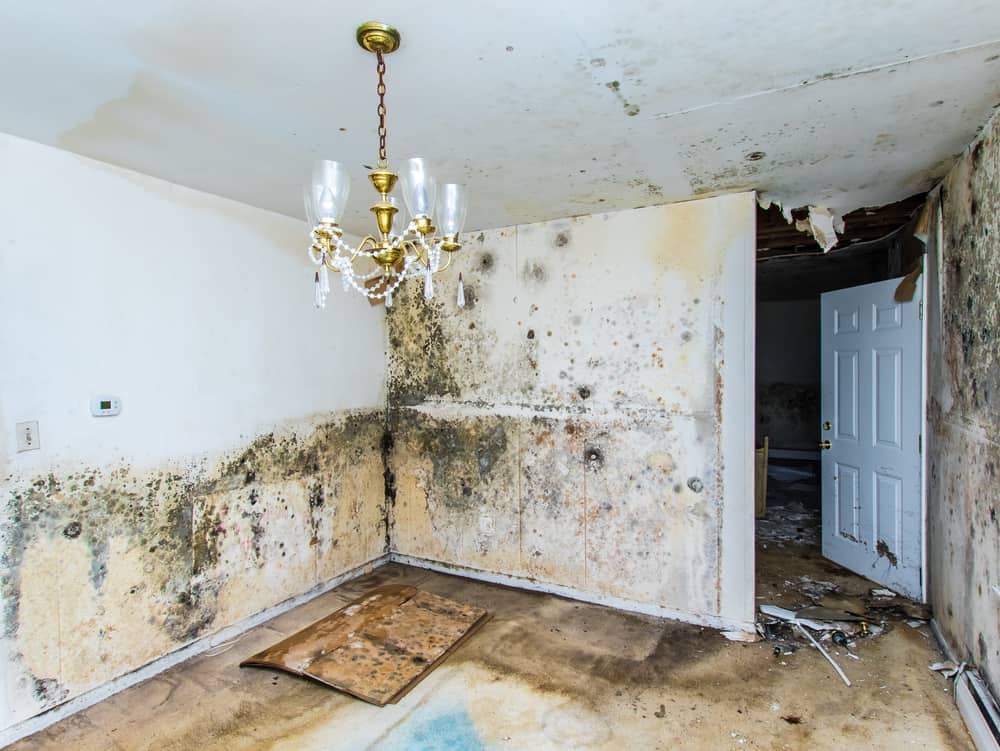
Homes in the Belgrave section and along East Shore Road that were built in the 1920s through 1950s often have original plumbing systems, older insulation materials, and attic configurations that weren’t designed with modern humidity control in mind. Slow leaks, ice dam water intrusion in winter, and HVAC condensation can all create hidden mold colonies that go undetected for years. Infrared scanning during a professional inspection is specifically designed to find these and it’s one of the most important tools in any assessment of an older North Shore home.
Do I need a mold inspection before buying a home in Thomaston, NY?
A general home inspection is not a substitute for a certified mold inspection and at Thomaston home values, the difference matters significantly. General inspectors are trained to identify visible issues, but they’re not licensed mold assessors, they don’t collect air or surface samples, and they don’t send anything to a certified lab. If your home inspector noted musty odors, moisture staining in the attic, or past water damage near the foundation or windows, that’s a flag not a finding.
A professional mold inspection before closing gives you actual data: what’s present, where it is, how concentrated it is, and what remediation would cost. That information either gives you confidence to move forward or gives you leverage to renegotiate. In a market where a single home can exceed $1 million, skipping a $300 to $1,000 inspection to save time is the kind of decision that can cost you far more after you’ve already signed. We provide the written, lab-backed report that buyers, sellers, and their attorneys can actually use.
What happens after a mold inspection do you also handle the remediation?
We handle the full process inspection, remediation, and restoration under one roof. That matters more than it might seem at first. When your inspector and your remediator are two different companies, there’s always a translation gap: the remediation team is working from a report, not from firsthand knowledge of what they found in your home. Scope gets interpreted differently, and if something gets missed, the finger-pointing starts.
When we inspect your Thomaston home, the technician who identifies the problem is connected to the team that removes it. The remediation plan is built directly from the inspection findings, not from a PDF summary. For homeowners managing a real estate timeline, a health concern, or a post-storm situation all of which are common scenarios in Thomaston having one accountable company handling the entire process from start to finish removes a significant layer of stress and risk.
How do I know if the mold inspector I hire in Thomaston is actually licensed?
New York State requires all mold assessors and remediators to hold a license issued by the NYS Department of Labor under Article 32 of the Labor Law. This requirement has been in effect since January 1, 2016, and the state actively enforces it fines for unlicensed mold work run up to $10,000. You can verify any contractor’s license directly through the NYS DOL’s online lookup tool before you hire anyone.
Why does this matter for Thomaston homeowners specifically? Because an unlicensed inspection report carries no legal standing not for an insurance claim, not for a real estate disclosure, and not in any dispute that ends up in front of a Nassau County court. Thomaston’s high home values and active real estate market mean that mold inspection reports frequently need to do real legal and financial work. A report from an unlicensed inspector is, in practical terms, a piece of paper. Our owner is personally licensed as both a mold assessor and a mold remediator, and that license is current, verifiable, and backed by the liability coverage New York State requires.
Useful Links
Other Services we provide in Thomaston