

Hear from Our Customers

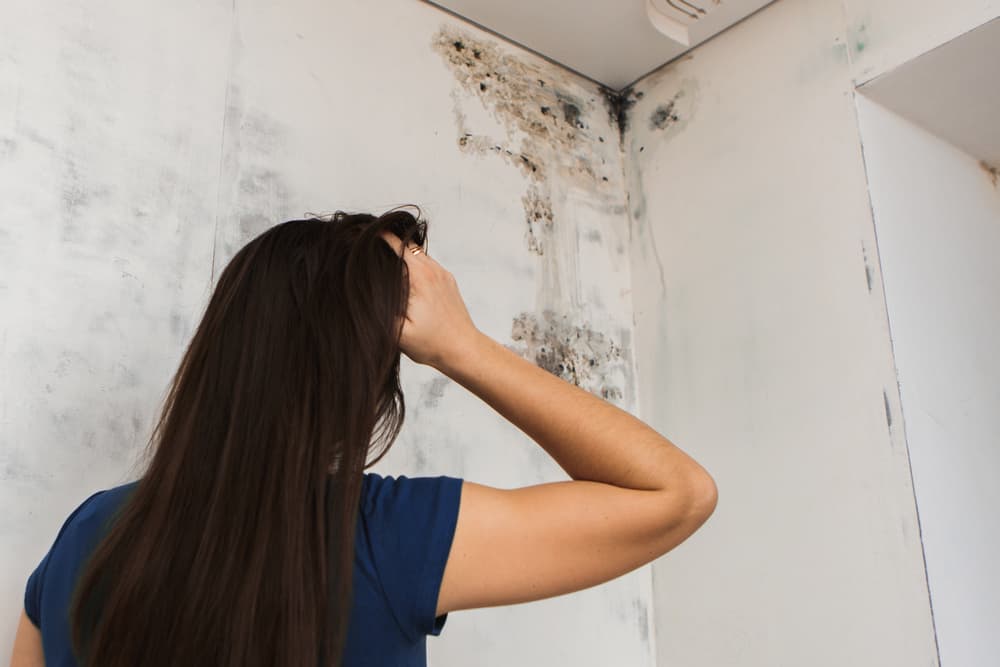
A lot of Valley Stream homeowners have lived with a musty basement smell for years. They chalk it up to the old house, the wet spring, the water that came in after that last storm. But that smell is usually telling you something — and ignoring it doesn’t make the problem smaller. It makes it more expensive.
Valley Stream sits on some of the most moisture-saturated ground in Nassau County. The high water table pushes groundwater through foundation walls and basement floors during heavy rain, and the Cape Cod and ranch-style homes that make up most of the village’s housing stock were built without the vapor barriers or ventilation systems we’d consider standard today. That combination — old construction, chronic moisture pressure from below, and decades of accumulated humidity — is exactly what mold needs to establish itself inside walls, under floors, and in attic spaces where you’d never think to look.
A professional mold inspection gives you a clear picture of what’s actually happening inside your home. Not a guess. Not a visual once-over. A documented, lab-backed assessment that tells you whether you have a problem, where it is, and what it’s going to take to address it. For a home worth $619,000 in today’s Valley Stream market, that clarity is worth more than the cost of the inspection.
First Response Restoration and Cleaning Inc. has been working inside Long Island homes and businesses for 31 years. Owner Richard Peterson holds personal licensure in both mold inspection and mold remediation under New York State’s Article 32 — the law that’s been mandatory since 2016 and carries fines of up to $10,000 for unlicensed work. Every technician on our team is IICRC-certified, not just ownership. That matters when someone is walking through your home making decisions that affect your family’s health and your property’s value.
We’ve worked in homes throughout Nassau County — from the postwar Cape Cods near the Southern State Parkway to the century-old properties in Valley Stream’s Gibson neighborhood on streets like Avondale, Berkeley, and Cambridge. We know what these homes look like on the inside, where moisture hides in them, and what a real inspection of this specific housing stock requires. We’re licensed, bonded, and insured, and we run a dedicated Nassau County line at (516) 698-1776 because this market is a core part of what we do — not an afterthought.
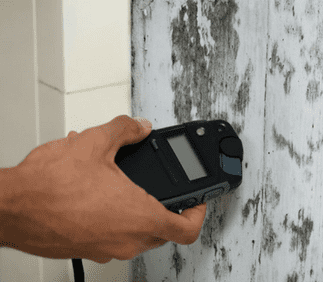
When you call us for a mold inspection in Valley Stream, NY, here’s what actually happens. We start with a full moisture assessment — using professional-grade meters to measure moisture levels in walls, floors, and ceilings throughout the home. Moisture is the root cause, and finding it tells us where to look next.
From there, we use infrared technology to scan for hidden moisture and temperature differentials behind walls and in ceilings — areas where mold can be growing without any visible sign on the surface. This step is especially important in Valley Stream’s older housing stock, where plaster walls and original wood framing can trap moisture for years before anything becomes visible. We follow that with air testing and surface swab sampling, which go to a certified lab for analysis. The lab results tell us exactly what species are present, at what concentration, and whether indoor levels exceed outdoor baseline levels — which we also measure for comparison.
When everything comes back, you get a written report with photographs, lab results, moisture readings, infrared findings, and specific remediation recommendations. That report is formatted to be accepted by insurance adjusters, real estate attorneys, and health professionals. If remediation is needed, we can handle that too — the same licensed team, no second contractor to track down. In Nassau County, where flood-related insurance claims are common, having that documentation in hand before you need it is something we’d encourage every Valley Stream homeowner to think about.
Ready to get started?
There’s a real difference between a company that does a visual check and calls it an inspection, and one that produces documentation you can actually use. Our mold inspection service in Valley Stream includes air testing, surface swab sampling, moisture level measurement, infrared scanning, internal versus external air particle comparison, photographs of all identified mold sources, and a detailed written report with lab results and remediation recommendations. That’s the full picture — not a partial one.
For Valley Stream homeowners specifically, attic mold inspection is something we take seriously. The Cape Cod-style homes throughout the village have attic spaces that are notorious for poor ventilation and condensation buildup, particularly in the knee wall areas and along ridge boards. We assess those spaces thoroughly, not just with a flashlight. Basement mold inspection gets the same treatment — moisture meters, infrared scanning, and swab sampling in the areas most likely to be affected by Valley Stream’s high water table and recurring basement flooding patterns.
If you’re a landlord managing a rental property near the Rockaway Avenue corridor, a buyer under contract on a 1950s ranch, or a homeowner who hasn’t had a professional assessment since before Superstorm Sandy, this inspection gives you the documentation and the answers you need. One call to (516) 698-1776 gets the process started.
The national average for a professional mold inspection runs between $303 and $1,043, with most homeowners paying around $670 depending on the size of the home and the scope of the assessment. For a Valley Stream property — where the median home value is around $619,000 — the cost of a thorough inspection is a small fraction of what’s at stake.
What you’re paying for matters more than the number itself. A proper mold inspection in Valley Stream, NY should include air testing, surface sampling, moisture measurement, infrared scanning, and a written report backed by certified lab results. If a quote you’re getting doesn’t include all of that, it’s worth asking what exactly you’re getting for the price. A cheap inspection that misses mold in a wall cavity or under a basement floor isn’t a deal — it’s a delayed problem with a bigger price tag attached.
These terms get used interchangeably, but they’re not the same thing. Mold testing typically refers to the collection of air or surface samples that get sent to a lab — it’s one component of a full inspection. A mold inspection is the broader process: physically assessing the property, identifying moisture sources, using infrared technology to look behind walls, collecting samples where warranted, and producing a written report with findings and recommendations.
In New York, under Article 32 of the Labor Law, anyone performing a mold assessment for compensation must hold a valid NYS Department of Labor Mold Assessor license. That’s a legal requirement, not a suggestion. When you’re vetting mold inspection companies in Valley Stream, asking for their license number is a completely reasonable first question — and any legitimate company will give it to you without hesitation. Companies that can’t verify their licensing status aren’t worth the risk.
Yes — and it’s one of the more common findings we see in Valley Stream specifically. The Cape Cod architectural style that dominates the village’s postwar housing stock creates attic conditions that are genuinely problematic from a moisture standpoint. Steep-pitched roofs with partially finished upper floors, minimal ridge ventilation, and knee wall cavities that trap humid air create the exact environment where mold establishes itself and spreads without any visible sign at the living space level.
Add to that the age of these homes — most built between the 1940s and 1960s, with original roofing systems that have been patched and re-patched over decades — and you have a recipe for moisture intrusion from above that compounds the groundwater pressure coming from below. An attic mold inspection in Valley Stream, NY that uses infrared scanning rather than just visual assessment is the only way to know for certain what’s happening in those spaces. If you haven’t had your attic assessed and your home is more than 40 years old, it’s worth doing.
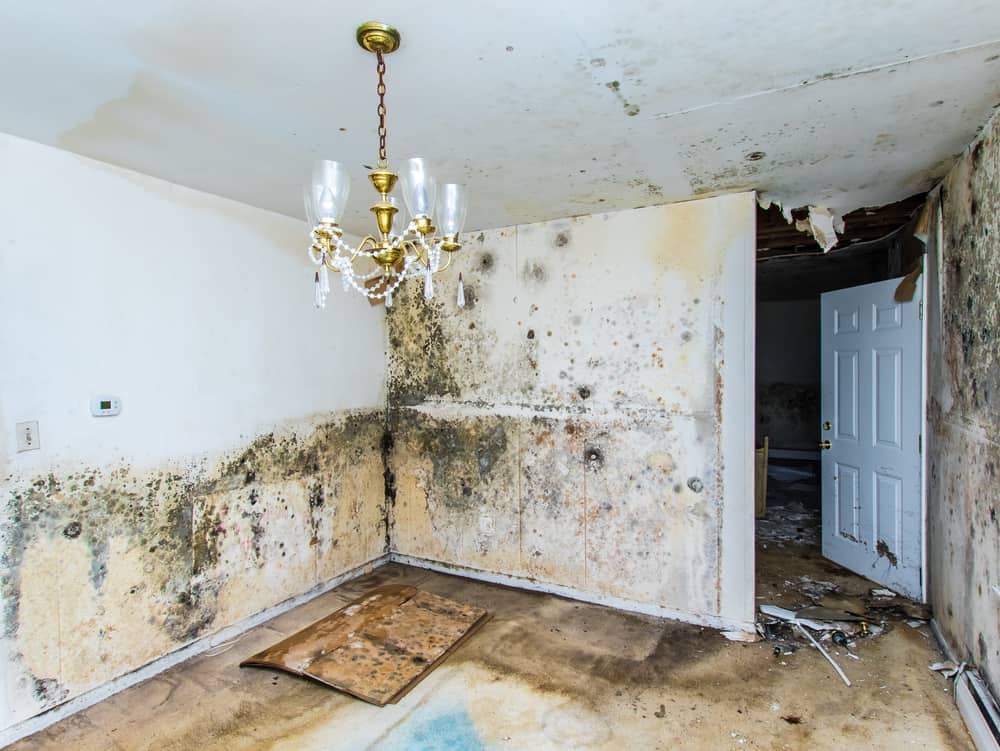
If your basement took on water — even once — mold can begin growing within 24 to 48 hours if indoor humidity exceeds 60%. Valley Stream’s high water table means that even moderate rainfall can push water through foundation walls and floors, and the basements in the village’s older homes often don’t dry out as quickly as homeowners assume. The visible water goes away, but the moisture that absorbed into wood framing, drywall, and concrete doesn’t disappear on its own.
A professional mold inspection after a basement flood isn’t just about checking for visible mold. It’s about finding what’s growing inside wall cavities, under flooring, and in areas that dried on the surface but stayed wet underneath. If you’re filing a homeowners insurance or NFIP flood insurance claim, a written inspection report with lab-backed results is the kind of documentation that insurance adjusters actually accept. A verbal assessment or a DIY test kit won’t carry the same weight when you’re trying to get a claim processed.
Black mold — most commonly Stachybotrys chartarum — is one of several mold species that can grow in water-damaged homes, but it’s worth knowing that not all dark-colored mold is Stachybotrys, and not all dangerous mold is black. The species and concentration levels are what matter, and you can’t determine either one by looking. That’s what lab analysis is for.
The signs that should prompt you to call for a professional mold inspection include a persistent musty smell in any part of the home, visible discoloration on walls or ceilings that keeps coming back after cleaning, unexplained allergy or respiratory symptoms in family members — particularly children — that improve when they’re out of the house, or any history of water intrusion or flooding. In Valley Stream, where a significant portion of the community has children under 18 and where older homes have accumulated decades of moisture history, these aren’t hypothetical scenarios. They’re common. If you’re seeing or smelling something that doesn’t seem right, a professional assessment is the only way to know what you’re actually dealing with.
Coverage depends on the cause of the mold and the specific language in your policy — there’s no universal answer. Most standard homeowners insurance policies will cover mold damage if it’s a direct result of a covered peril, like a sudden pipe burst or storm-related water intrusion. What they typically won’t cover is mold that resulted from long-term moisture issues, deferred maintenance, or gradual water seepage — which, in Valley Stream’s high-water-table environment, is a common situation.
If you have a National Flood Insurance Program policy and your home experienced flooding, mold-related damage may be covered under certain conditions, but documentation is everything. An insurance adjuster needs a written inspection report with lab results, photographs, and a professional remediation recommendation — not a homeowner’s description of what they saw. Getting that documentation from a licensed mold assessor before you file, or as part of the claims process, is the step that most homeowners skip and later regret. If you’re unsure what your policy covers, call your insurer directly and ask specifically about mold resulting from water intrusion — the answer will tell you exactly where you stand.
Useful Links
Other Services we provide in Valley Stream