
Mold Inspection in West Sayville, NY
When the Bay Brings Moisture In, Here's What to Do
Hear from Our Customers
Home Mold Testing in West Sayville
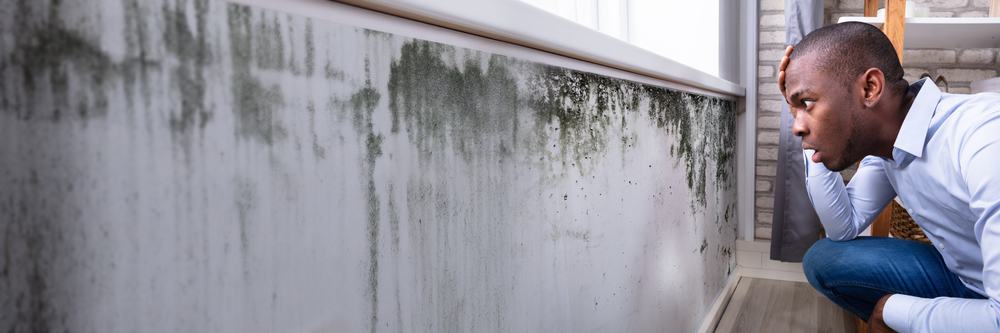
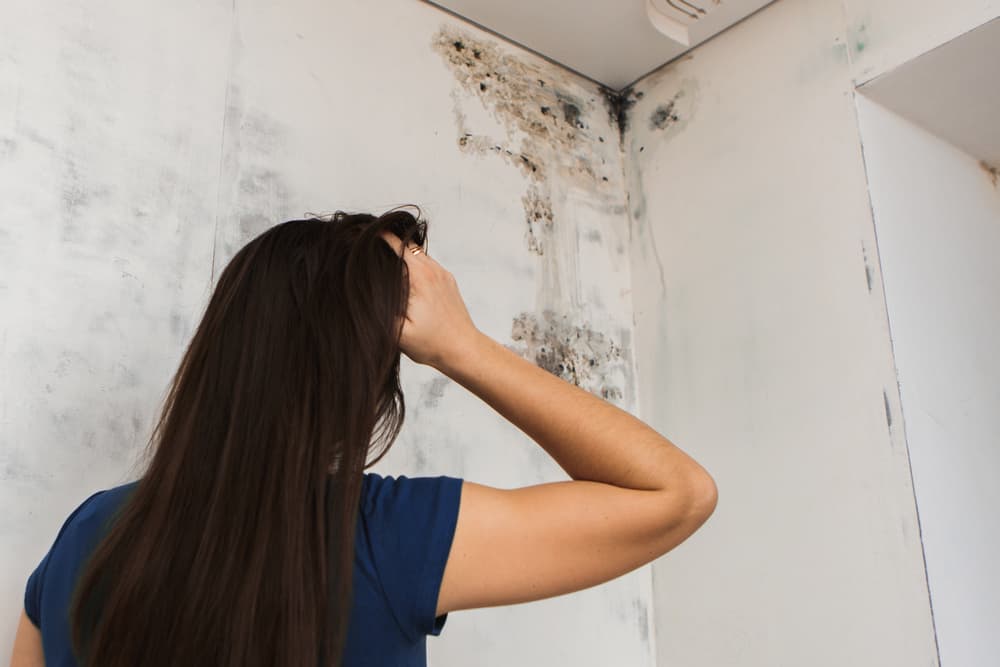
Most mold problems in West Sayville don’t start with a visible patch on the wall. They start with a foundation crack after a wet winter, a Cape Cod attic that never ventilates properly, or a basement that took on water during a nor’easter and never fully dried. By the time you see something, the problem behind the wall is usually much further along.
A proper mold inspection gives you a clear picture not a guess. You’ll know which areas are affected, what species are present, where the moisture is coming from, and what needs to happen next. That information protects your family’s health and your home’s value, which in a market where West Sayville homes are selling above $600,000, is not a small thing.
The homes in West Sayville are older the median build year here is 1957 and older homes have older bones. Plumbing systems that weren’t designed for today’s water pressure, attic spaces in Cape Cods that trap heat and humidity all summer, and crawl spaces that sit low to the ground in a flat coastal landscape. These aren’t abstract risk factors. They’re the reality of owning a home on the South Shore, and a thorough inspection accounts for all of it.
Mold Inspection Company in West Sayville
We’ve been operating on Long Island for over three decades, headquartered in West Babylon a few miles west of West Sayville along Montauk Highway. This isn’t a franchise, and it isn’t a call center routing your job to whoever’s available. We’re a locally rooted restoration company that has been working in South Shore communities Oakdale, Sayville, Bay Shore, Great River, and West Sayville long enough to know exactly what these homes deal with.
Every technician who walks into your home is IICRC-certified. Not just the owner everyone. We hold New York State licenses for both mold assessment and mold remediation, which are two separate legal requirements under state law. You can verify both through the NY Department of Labor’s online database before you ever pick up the phone.
When a community like West Sayville has seen storm surge events that the USGS classified as major to record coastal flooding along the Great South Bay, you want a company that has actually worked through those aftermath situations not one that just created a page for your ZIP code. We’ve been here through those storms, and we know what comes after.
Mold Assessment Services in West Sayville
The inspection starts with a full walkthrough basement, attic, crawl spaces, and any area with a known or suspected history of water intrusion. For West Sayville homes, that often means paying close attention to foundation walls, knee walls in Cape Cod-style attics, and any space that sits close to grade level. The flat topography here means water doesn’t drain fast after a storm, and ground saturation lingers longer than most people realize.
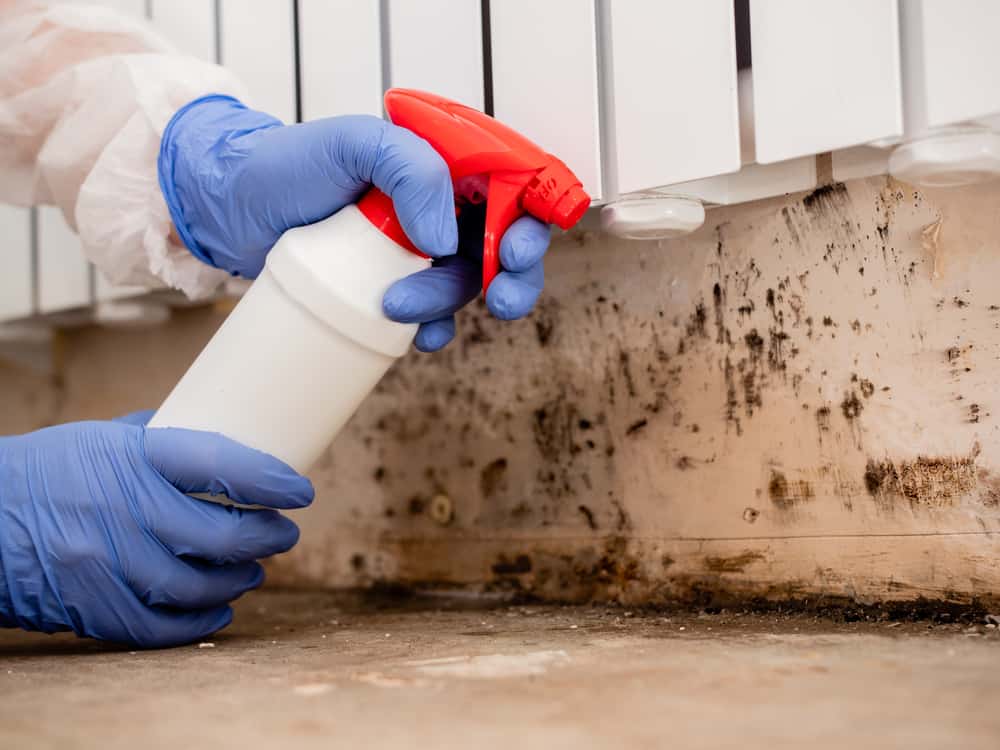
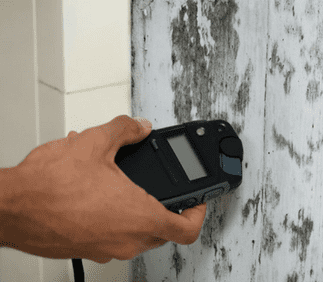
From there, we collect air samples to measure airborne spore concentrations, and we take swab samples from any visible mold surfaces. An outdoor control sample is also collected so the lab can compare indoor versus outdoor mold particle levels that comparison matters when you’re trying to determine whether what’s inside your home is a genuine problem or normal background levels. We use infrared thermal imaging to identify moisture behind walls and above ceilings that you can’t see with the naked eye. This is especially relevant in homes that have experienced even minor storm flooding or ice dam damage over the years.
All samples go to an accredited laboratory. Once results are back, you receive a written report in plain language what was found, where, what it means, and what the recommended next steps are. If remediation is needed, we’re already licensed to handle that too, so you’re not starting over with a new contractor.
Ready to get started?
Residential Mold Inspection in West Sayville, NY
A mold inspection in West Sayville, NY through our company is a documented five-point process: air testing, surface swab sampling, water intrusion inspection, moisture level measurement throughout the structure, and full photographic documentation of every finding. On top of that, the inspection includes infrared thermal imaging for hidden mold detection, an internal-to-external mold particle comparison using an outdoor control sample, and a written damage assessment with lab-verified results.
New York State law requires that anyone performing mold assessment or mold remediation in this state holds a valid license from the NY Department of Labor separate licenses for each. This has been the law since January 1, 2016. Before hiring any mold inspection company in West Sayville or anywhere in Suffolk County, it’s worth confirming they hold both. We do, and those credentials are verifiable.
For homeowners in West Sayville dealing with post-storm water damage, a pre-sale inspection before listing a home, or a pre-purchase inspection before closing on a property in this market, the written report produced at the end of this process carries real weight. It’s lab-verified, photographically documented, and written clearly enough to present to an insurance adjuster, a real estate attorney, or a prospective buyer without needing a translator.
How much does a mold inspection in West Sayville, NY typically cost?
The cost of a professional mold inspection in West Sayville depends on the size of your home and how many areas need to be tested. A straightforward inspection of a mid-sized ranch or Cape Cod the most common housing types in this community will typically fall within a predictable range, and you’ll know the cost upfront before anything starts.
What’s worth keeping in mind is the comparison. A mold inspection is a relatively modest investment against what goes undetected without one. Remediation costs can range from $1,150 to $20,000 or more depending on how far mold has spread, and mold discovered during a real estate transaction can reduce a home’s value significantly or kill the deal entirely. In a market where West Sayville homes are selling above $600,000, catching a problem early is almost always the more financially sound decision.
Does flooding near the Great South Bay actually cause mold in my home?
Yes and more often than people expect. The Great South Bay generates persistent coastal humidity throughout the warmer months, and West Sayville’s flat topography means that when storm surge or heavy rain pushes water toward homes, it doesn’t drain quickly. The USGS documented major to record coastal flooding in the western Great South Bay corridor during Superstorm Sandy, and the area has seen repeated flood advisories and emergency declarations since then.
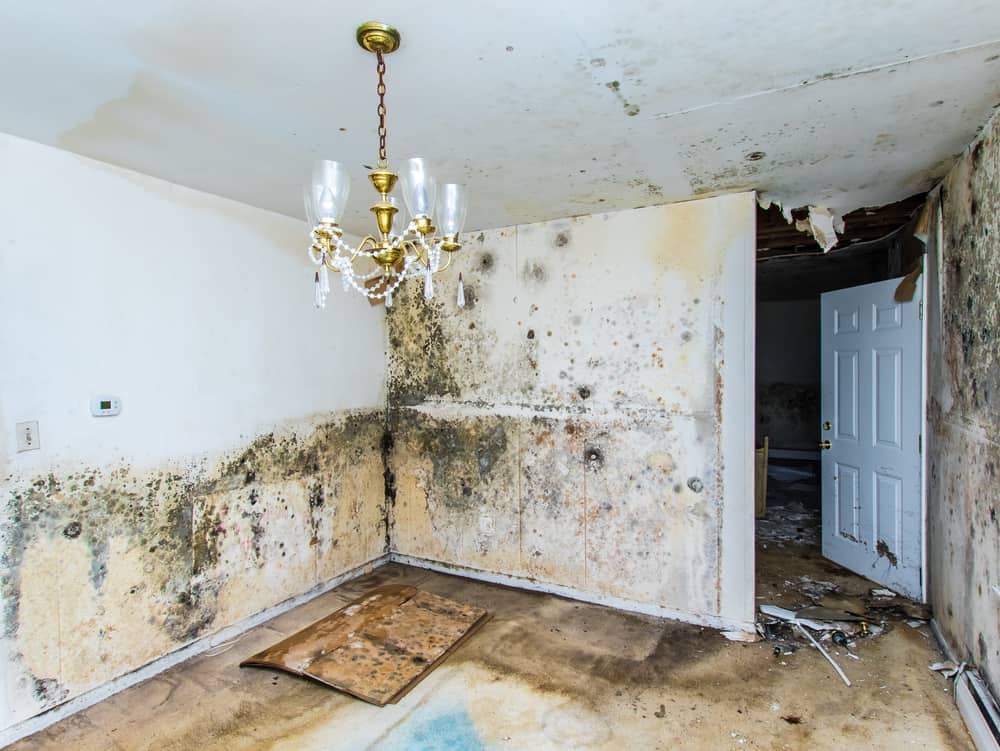
Water doesn’t have to be visibly standing inside your home to cause a mold problem. It can infiltrate through a foundation crack, wick up through a concrete slab, or saturate insulation inside a wall cavity and mold can begin growing within 24 to 48 hours of moisture exposure. By the time you notice a smell or see discoloration, the growth behind the wall may have been active for weeks. If your West Sayville home has experienced any level of flooding or water intrusion even what seemed minor at the time a professional mold inspection is the only way to know for certain what’s happening inside the structure.
What's the difference between a mold inspection and a mold test in New York?
These terms get used interchangeably, but they’re not the same thing. A mold test typically refers to collecting a sample air or surface and sending it to a lab. A mold inspection is a comprehensive assessment of the property: identifying visible mold, locating moisture sources, measuring moisture levels throughout the structure, and using tools like infrared thermal imaging to find hidden growth. The test is one component of the inspection, not a substitute for it.
In New York State, the person conducting the assessment must hold a licensed mold assessor credential issued by the NY Department of Labor. A DIY test kit from a hardware store doesn’t meet that standard, and the results from one won’t carry any legal or insurance weight. If you’re dealing with a post-storm insurance claim, a real estate transaction, or a documented health concern in your West Sayville home, you need lab-verified results produced by a licensed assessor not a self-administered swab and a mailed-in sample.
My West Sayville home was built in the 1950s where is mold most likely hiding?
In a mid-century home on the South Shore, there are a few areas that consistently show up as problem spots. Attics in Cape Cod-style homes are at the top of the list the knee walls and sloped ceiling cavities create dead air spaces where heat and moisture accumulate without adequate ventilation, and mold on roof sheathing is a common finding in homes with this layout. Basement walls are another frequent location, particularly where foundation cracks have allowed water to seep in over the years.
Crawl spaces, bathroom walls, and areas around older plumbing are also worth looking at carefully. Homes built in the 1950s weren’t constructed with today’s moisture management standards, and decades of South Shore humidity take a toll on building materials that weren’t designed to resist it. An inspection using infrared thermal imaging can identify moisture inside wall cavities and above ceiling surfaces that are completely invisible during a standard visual walkthrough which is exactly why a thorough inspection matters more in an older home than a newer one.
Do I need a mold inspection before buying or selling a home in West Sayville?
If you’re buying, yes and the reasoning is straightforward. A standard home inspection will note visible mold if the inspector happens to see it, but it won’t include air sampling, moisture measurement, or thermal imaging. You can close on a home that looks clean and discover a significant mold issue in the basement or attic months later. In a market where West Sayville homes are priced above $600,000, that’s a risk worth eliminating before you sign.
If you’re selling, a pre-listing mold inspection gives you the opportunity to identify and remediate any issues on your own timeline before they surface during the buyer’s inspection and create leverage for price reductions or deal cancellations. Studies have shown that up to 50% of potential buyers walk away from a deal when mold is discovered, even after remediation. Addressing it proactively, with documented lab results and a clear remediation record, puts you in a much stronger position at the negotiating table.
Can black mold testing in West Sayville be covered by homeowner's insurance?
It depends on what caused the mold. Homeowner’s insurance policies in New York typically cover mold remediation when it results from a sudden, covered water damage event a burst pipe, storm-driven flooding, or a roof failure from a nor’easter, for example. Mold that developed gradually from chronic moisture, a slow leak that went unaddressed, or general humidity buildup is usually not covered.
For West Sayville homeowners, the distinction matters because many mold problems here trace back to storm events exactly the kind of scenario that may fall under a covered claim. We handle all insurance documentation and communication from the start of the project through completion, which means you’re not left navigating adjuster conversations while also dealing with a property problem. Having a licensed mold assessor produce a formal written report with lab-verified findings is also a prerequisite for most insurance claims a verbal assessment or a DIY test result won’t satisfy the documentation requirements your insurer will ask for.
Useful Links
Other Services we provide in West Sayville