
Mold Inspection in Westbury, NY
Westbury's Post-War Homes Need This More Than Most

Hear from Our Customers
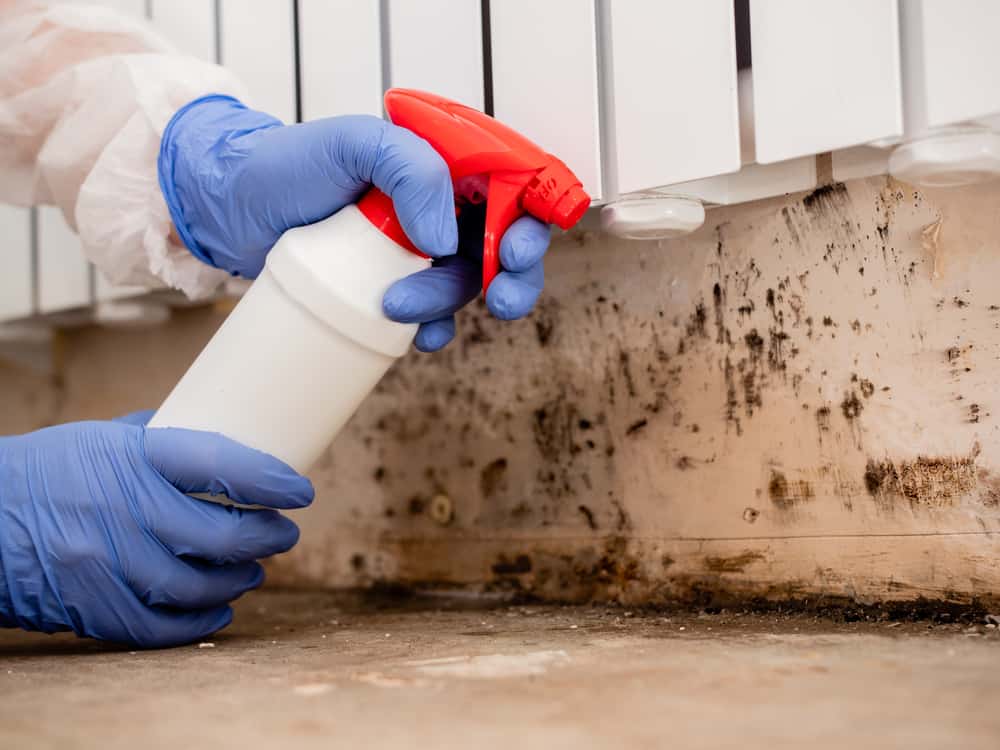
Residential Mold Assessment Services Westbury, NY
Most mold problems in Westbury don’t start with something you can see. They start with a slow pipe weep behind drywall, moisture wicking up through an aging basement slab, or years of humidity building inside an attic that hasn’t been properly ventilated since the Eisenhower administration. By the time there’s a smell or worse, a health symptom the colony is already established. A professional mold inspection gives you the full picture, not just the surface.
Westbury sits on a high water table, and that’s not a minor detail. It means that after a heavy rain or a fast snowmelt, hydrostatic pressure pushes moisture through basement walls and floors whether you see water or not. Homes throughout the village from the neighborhoods near New Cassel to the residential blocks south of Jericho Turnpike deal with this every season. We measure what your eyes can’t: moisture levels inside walls, air particle counts, and the presence of mold in spaces that never get opened.
What you walk away with isn’t just peace of mind. It’s a certified lab report, documented findings, and a clear picture of what if anything needs to be addressed. If your insurer or real estate attorney needs documentation, this is the report they’ll accept.
Licensed Mold Inspection Company Westbury, NY
First Response Restoration and Cleaning Inc. has been serving Nassau and Suffolk County homeowners since before most of our competitors existed. That’s not a throwaway line 31 years of continuous operation on Long Island means we’ve seen what post-Sandy flooding looks like a decade later in Westbury homes that were never fully remediated. We know how the village’s older plumbing fails in January. We know which corners of a 1950s Cape Cod are most likely to harbor hidden mold.
Owner Richard Peterson is personally licensed by the New York State Department of Labor for both mold assessment and mold remediation under Article 32 of the Labor Law. Every technician on our staff not just the owner, not just the senior team holds current IICRC certification. The person who shows up at your Westbury door has the same credentials as the person who answered your call. That’s not standard in this industry. At First Response, it’s the baseline.
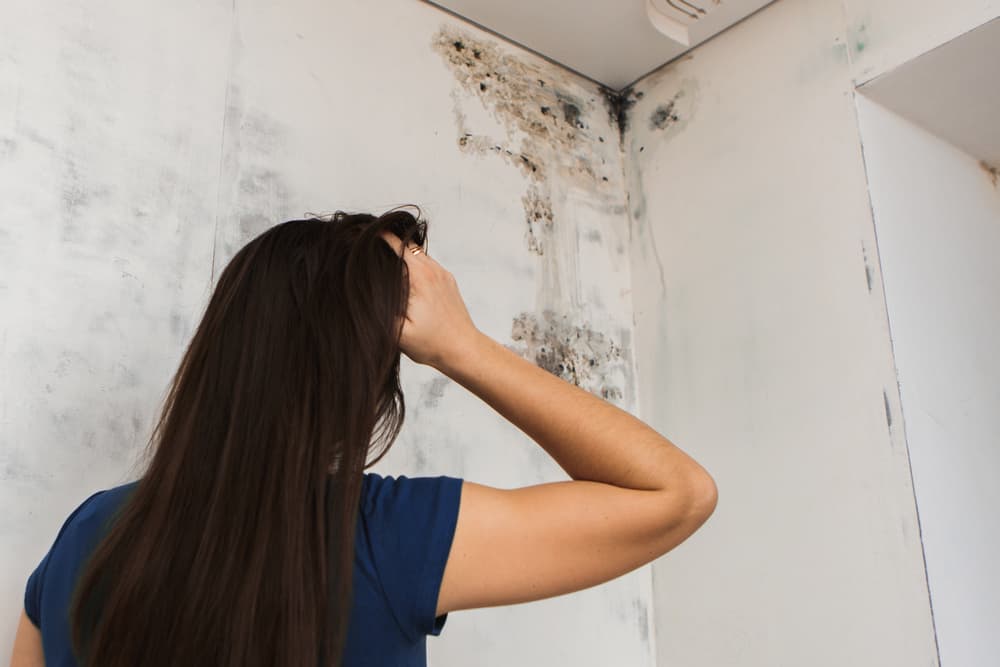
Professional Mold Detection Services Westbury, NY
When one of our technicians arrives at your Westbury home, we’re not doing a quick visual walkthrough and calling it done. The inspection follows our Five-Point Protocol built to find mold where it actually hides not just where it’s easy to look.
It starts with air testing and swab sampling, which go directly to a certified third-party laboratory. While samples are collected, our technician conducts a full water intrusion inspection and takes moisture level readings throughout your home. Then comes the piece most companies skip: infrared technology scanning. This is how hidden mold gets found inside wall cavities, under flooring, behind the drywall in a Westbury basement that flooded two winters ago and was dried out but never fully inspected. In the village’s post-war housing stock, this step isn’t optional. It’s where the real findings live.
The internal air quality is compared against an external baseline sample, giving the lab a clear reference point. Every mold source is photographed and documented. When the lab results come back, you receive a comprehensive written report: species identified, concentration levels, and specific remediation recommendations. New York State requires all mold assessors to hold a valid NYS DOL license and that report, produced by a licensed assessor, is the document your insurance company, real estate attorney, or physician will accept.
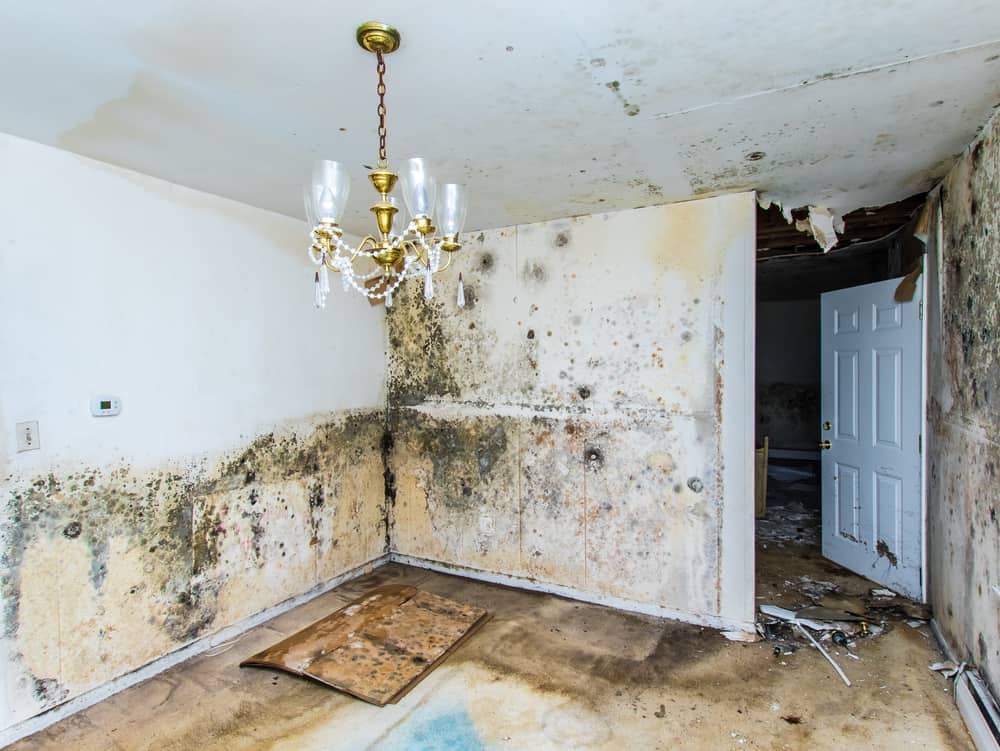
Ready to get started?
Indoor Air Quality Testing for Mold Westbury, NY
A mold inspection from us isn’t a single test with a pass/fail result. It’s a documented, multi-method assessment that gives you real answers the kind that hold up with insurers, attorneys, and medical professionals. For Westbury homeowners navigating a real estate transaction, an insurance claim, or a health concern, that distinction matters more than most people realize until they need it.
The inspection covers every area where Nassau County’s coastal humidity and Westbury’s high water table create the most risk: basements, crawl spaces, attic insulation, wall cavities around aging plumbing, and any area that’s had water contact in the past few years. If your home was on the market during Westbury’s active selling season where properties move in as few as 21 days and a general home inspector flagged potential mold, this is the certified assessment that moves the transaction forward. The written report with lab results is what real estate attorneys and lenders require, and we can mobilize quickly when a closing deadline is on the line.
We also handle the full scope inspection through remediation and restoration so if the lab results do show a problem, you’re not starting over with a new contractor. The same licensed, certified team that found it can fix it, with no handoff, no delay, and one clear line of accountability throughout.
What does a professional mold inspection in Westbury, NY actually include?
A certified mold inspection from us covers a lot more ground than a visual check. The process includes air sampling, swab sampling, moisture level measurements, a water intrusion assessment, and infrared scanning to detect mold hiding inside walls, under floors, and in attic spaces. All samples go to a certified third-party laboratory, and you receive a written report with the actual lab results mold species identified, spore concentration levels, and specific remediation recommendations based on what was found.
For Westbury homeowners specifically, the infrared scanning component is especially important. The village’s post-war housing stock most of it built in the 1940s through 1960s has aging plumbing, original insulation, and basement construction that wasn’t built to modern waterproofing standards. Mold in these homes almost never shows up on the surface first. The inspection is designed to find what’s actually there, not just what’s visible on a walkthrough.
How much does a mold inspection cost in Nassau County?
Mold inspections typically run between $303 and $1,043, with an average around $670. In Nassau County, you can expect pricing in that range depending on the size of your home, the number of samples collected, and whether additional areas like attics or crawl spaces are included. The lab analysis is part of what drives the cost certified third-party testing isn’t cheap, but it’s also what makes the report usable for insurance claims and real estate transactions.
The way most Westbury homeowners think about this: the inspection cost is the price of knowing. If the results come back clean, you have documented proof and peace of mind. If they don’t, you’ve caught something early before a mold problem that could cost $1,500 to $20,000 to remediate gets any bigger. In a village where the median home value is over $625,000, spending a few hundred dollars to protect that investment is a straightforward decision.
Does Westbury's high water table really increase the risk of mold in my home?
Yes and it’s one of the more consistent findings among restoration professionals who work in this area. Westbury’s elevated water table means that during heavy rain events or rapid spring snowmelt, moisture doesn’t just come in through cracks or gaps. Hydrostatic pressure pushes it through basement walls and floor slabs even in homes with no visible damage. You don’t need standing water to develop a mold problem you just need enough sustained moisture for 24 to 48 hours, which is well within what a Nassau County rainstorm can deliver.
The issue compounds in Westbury’s older housing stock. Homes built in the post-war era weren’t designed with modern waterproofing in mind. Basement walls are often uncoated block or poured concrete that absorbs moisture over time. If your basement has felt damp, smelled musty, or had any water after a storm in the past year or two, a professional mold inspection including moisture level measurement and water intrusion assessment is the right next step.
Do I need a mold inspection before buying a house in Westbury, NY?
A general home inspector can note visible mold or moisture concerns, but they’re not licensed to conduct a certified mold assessment. If your home inspector flags anything a stain on the basement ceiling, a musty smell in the attic, discoloration around a window frame you need a separate mold inspection from a licensed mold assessor before closing. In New York State, that license is issued by the Department of Labor under Article 32 of the Labor Law, and the resulting report is what your real estate attorney and lender will actually accept.
In Westbury’s market, where hot properties go pending in as few as 21 days, there’s real pressure to move fast. But skipping a certified mold inspection on a 1950s or 60s home especially one with a basement is a risk that can turn into a very expensive surprise after the keys change hands. We operate 24/7 and can mobilize quickly when a transaction timeline is tight.
What's the difference between mold inspection and mold testing in New York?
These terms get used interchangeably, but they’re not the same thing. Mold testing typically refers to the lab analysis component collecting air or swab samples and sending them to a certified laboratory to identify what’s present and at what concentration. Mold inspection is the broader process: the physical assessment of the property, the moisture readings, the infrared scanning, the water intrusion evaluation, and the documentation with lab testing as one part of that larger picture.
Under New York State law, anyone performing mold assessment for compensation must hold a valid NYS Department of Labor license. A mold test kit from a hardware store doesn’t require a license, doesn’t identify mold species accurately, and isn’t accepted by insurance companies or attorneys. If you’re dealing with a real estate transaction, an insurance claim, or a health concern in your Westbury home, the only report that carries weight is one produced by a licensed mold assessor using certified laboratory analysis.
Can mold grow in my Westbury attic, and how would I know?
Attic mold is one of the most commonly missed problems in Westbury’s older homes and one of the most predictable. The combination of Nassau County’s coastal humidity, aging roof decking, and insulation that’s been absorbing moisture for decades creates conditions where mold can establish and spread across an entire attic deck without a single sign showing up inside the living space below. Most homeowners only find out during a home sale, when a buyer’s inspector pulls the attic hatch.
The signs that warrant a closer look: a musty smell that’s stronger in upper-floor rooms, unexplained allergy or respiratory symptoms that improve when you’re out of the house, or any history of roof leaks even ones that were repaired. Our inspection includes attic mold assessment as part of the Five-Point Protocol, using infrared technology to detect moisture in roof decking and insulation that wouldn’t be visible on a standard walkthrough. If attic mold is present, catching it before a listing or before it spreads further is always the better outcome.
Useful Links
Other Services we provide in Westbury