
Mold Inspection in Wyandanch, NY
Wyandanch's Aging Homes Deserve More Than a Flashlight and a Guess
Hear from Our Customers
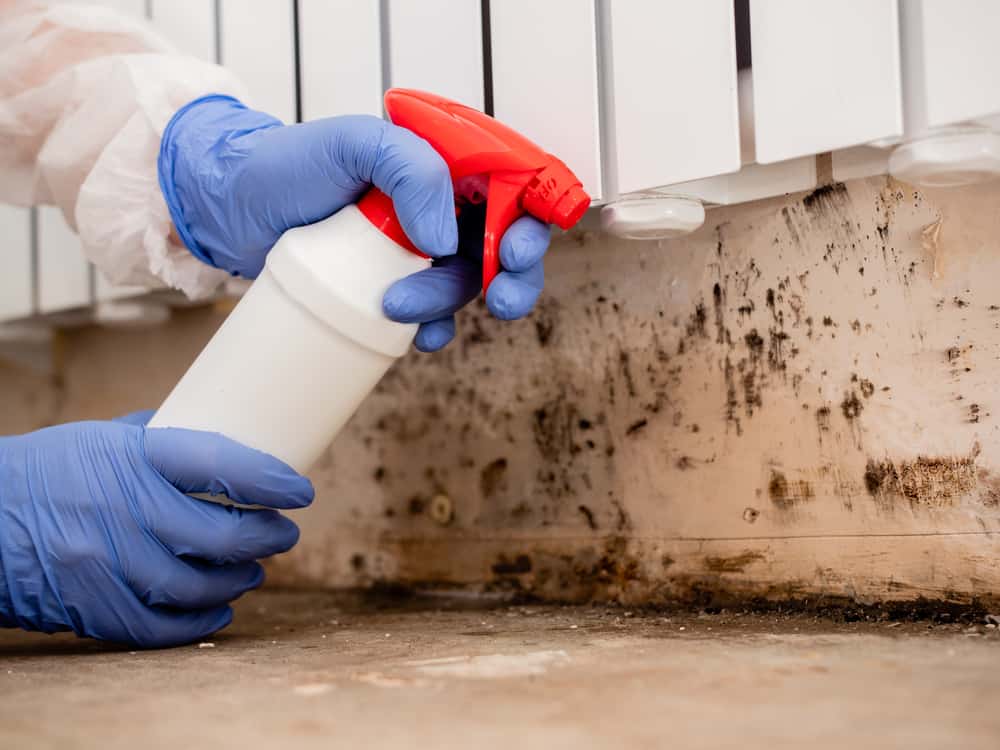
Home Mold Testing in Wyandanch, NY
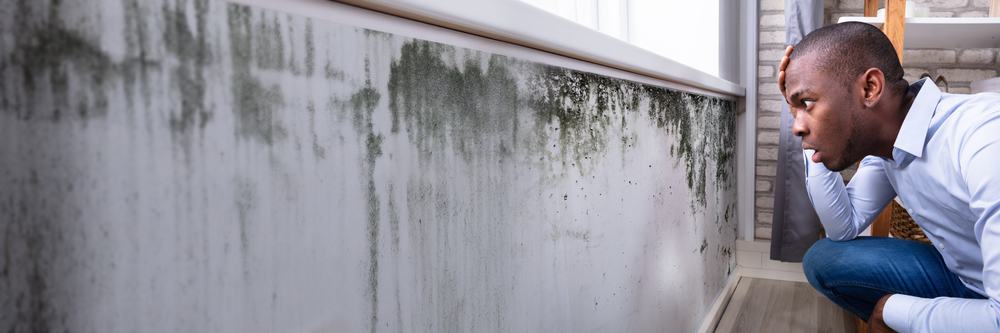
Most mold problems in Wyandanch don’t start with a dramatic flood. They start with a slow pipe drip behind a wall, a basement that stays damp every summer, or an attic with just enough humidity to let something grow quietly for months. By the time you smell it, it’s usually been there a while.
That’s the reality of living in a postwar home on Long Island. The housing stock in Wyandanch was built fast during a period when moisture management wasn’t a priority. Original plumbing, aging insulation, and concrete block basement walls that wick groundwater these aren’t rare conditions here. They’re the norm. Long Island’s humid summers don’t help either. Warm, sticky air moves into every gap and cavity, and mold follows it.
A professional mold inspection gives you documented answers. Not guesses. Not a visual scan and a verbal opinion. Lab-verified air and surface samples, a moisture reading of your walls and floors, and a written report in plain language that tells you what was found, where it is, and what needs to happen next. For a home worth close to $400,000, that clarity is worth more than the cost of the inspection itself.
Licensed Mold Inspector Serving Wyandanch, NY
We’re based in West Babylon which shares a direct border with Wyandanch. This isn’t a company routing your call through a national center to whoever’s available that day. We’re a locally rooted operation that has been working in homes across Wyandanch and the Town of Babylon for over three decades.
Every technician who walks into your home is IICRC-certified not just our owner, not just our senior staff. Everyone. We also hold both the New York State Mold Assessor license and the Mold Remediator license, which have been required by law since 2016. You can verify both through the NY Department of Labor’s public database before you ever pick up the phone.
If the inspection finds something, you don’t have to start over with a different company. We handle remediation and reconstruction under the same roof and we manage insurance documentation from the first call through the final clearance report.
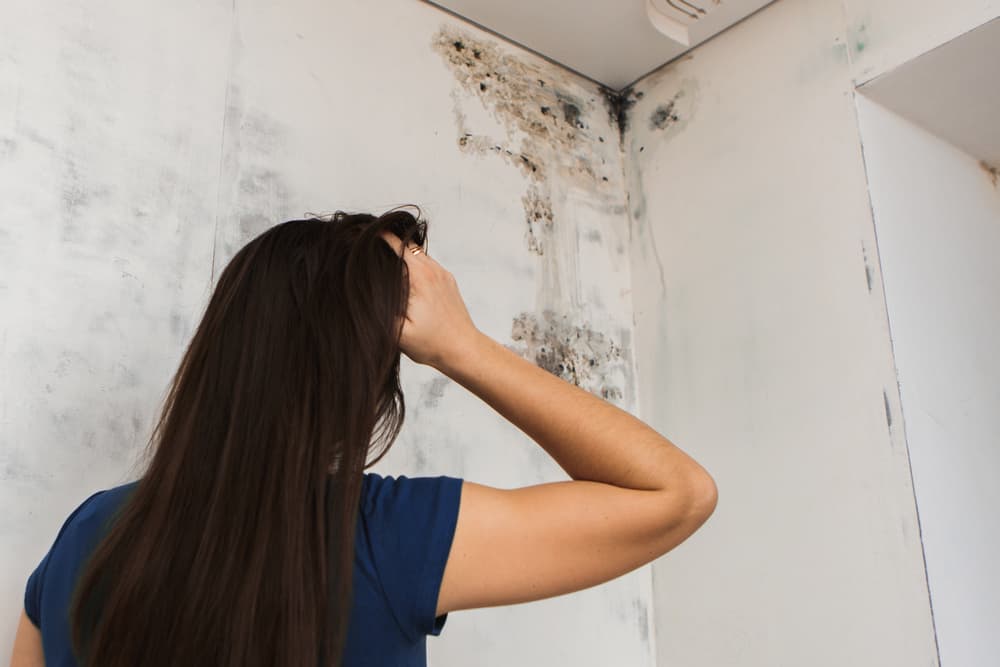
Mold Assessment Services in Wyandanch, NY
The inspection starts with a full walkthrough of your home basement, attic, living areas, and any spaces where water has ever been a concern. In Wyandanch’s older housing stock, that often means paying close attention to concrete block basement walls, attic sheathing above insulation that was installed before vapor barriers were standard, and bathroom areas where exhaust fans may no longer vent properly.
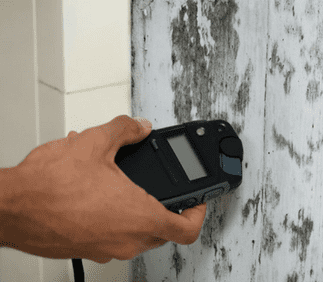
From there, we collect air samples and send them to a certified laboratory for analysis. We take surface swab samples from any visible growth. We record moisture readings throughout your home using calibrated equipment, and we use infrared thermal imaging to detect temperature differentials in walls and ceilings the kind that indicate moisture accumulation you can’t see from the surface. This matters in homes where mold may be growing inside a wall cavity that looks completely fine from the outside.
Once the lab results come back, you receive a written report that explains what was found in plain language not a stack of raw data. It identifies mold types, documents moisture sources, and outlines specific next steps. If your situation involves an insurance claim which is common after storm-related basement flooding in Wyandanch that documentation is structured to support the claim from the start.
Ready to get started?
Residential Mold Inspection Company in Wyandanch, NY
Our mold inspection covers both the visible and the hidden. Air testing captures airborne spore concentrations and compares indoor counts against outdoor baseline levels a critical step that many inspection-only providers skip. Surface swab sampling documents any visible mold growth. Moisture mapping identifies where water is entering or accumulating, whether that’s through a failing roof, a leaking pipe, or groundwater wicking through a basement foundation. Infrared thermal imaging rounds it out by finding moisture behind walls and under floors before it becomes a structural issue.
For Wyandanch homeowners, attic mold inspection and basement mold inspection tend to be the most critical components. Postwar Cape Cods and ranch-style homes throughout Wyandanch frequently have attic ventilation that doesn’t meet modern standards, and unfinished basements with aging concrete block walls that stay damp through the summer. Both are environments where mold establishes itself quickly and spreads without obvious signs.
We handle residential mold inspection, commercial mold inspection for rental property owners and landlords, and pre-purchase mold inspection for buyers looking at older homes in the 11798 zip code. If remediation is needed after the inspection, that work is done by our licensed team no hand-offs, no gaps in accountability, and no starting the process over with a stranger.
How much does a mold inspection cost in Wyandanch, NY?
A professional mold inspection in Wyandanch typically runs between $300 and $700, depending on the size of your home and how many sample locations are included. That range covers the inspection itself, the laboratory analysis of air and surface samples, and the written report you receive at the end.
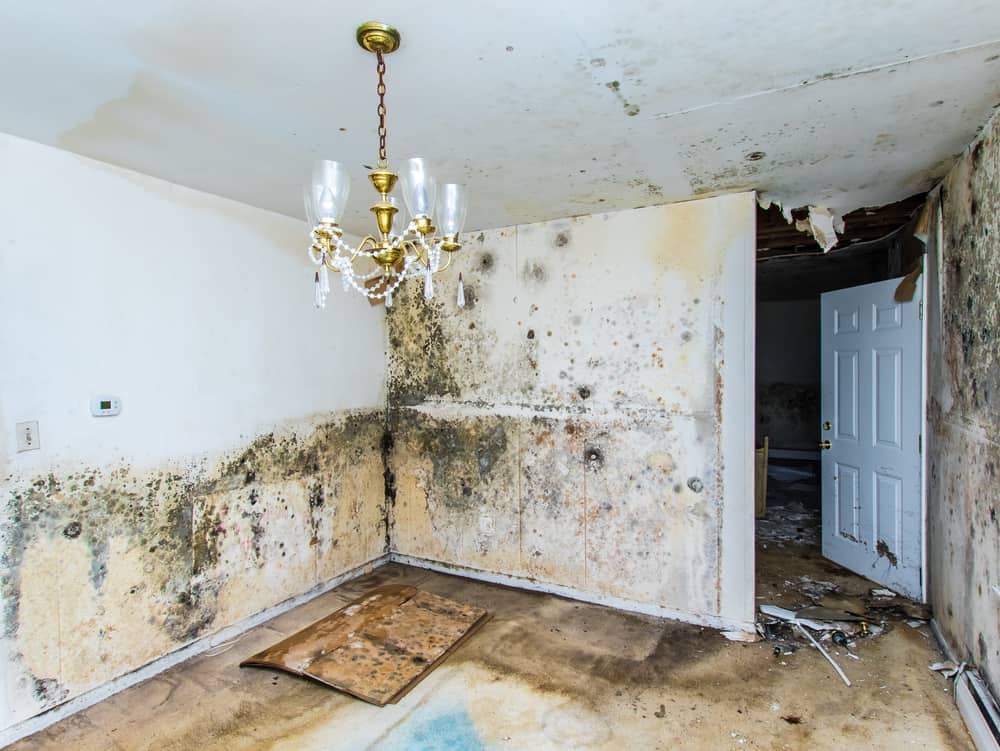
It’s worth putting that number in context. Mold remediation the actual removal process costs anywhere from $1,150 to $20,000 or more depending on how far the growth has spread. In a Wyandanch home where a slow leak or chronic basement dampness has been feeding a mold colony for months, the difference between catching it early and catching it late can be significant. The inspection is the cheapest thing you can do. Waiting is almost always the more expensive option.
What are the signs I need a mold inspection in my Wyandanch home?
The most common triggers are a persistent musty smell, visible dark spots on walls or ceilings, or a family member dealing with unexplained respiratory symptoms chronic congestion, coughing, or headaches that seem to improve when they leave the house. Any of those warrants a call.
But in Wyandanch specifically, there are conditions worth watching even without obvious symptoms. If your home is a postwar-era build with an unfinished or partially finished basement, if you’ve had any water intrusion after a heavy storm, or if your HVAC system hasn’t been serviced recently, you’re operating in conditions where mold growth is common. Homes near the Belmont Lake area and along low-lying streets in Wyandanch can also experience elevated groundwater pressure after significant rain events, which pushes moisture through basement walls and floors. You don’t always see the water. You just see or smell what it leaves behind.
Does New York State require a licensed mold inspector in Wyandanch?
Yes. As of January 1, 2016, New York State law requires anyone performing mold assessment or mold remediation in the state to hold a license issued by the NY Department of Labor. This applies to every job in Wyandanch, regardless of property size or scope of work.
This matters because a number of results that show up when you search for mold inspection in the 11798 zip code are lead-generation aggregator sites some with out-of-state phone numbers that connect you with whoever is available, licensed or not. Before agreeing to any inspection, ask for the company’s NY State Mold Assessor license number and verify it through the Department of Labor’s public search tool. It takes two minutes and protects you from paying for an inspection that carries no legal standing. We hold both the Mold Assessor and Mold Remediator licenses, and both are verifiable.
Can mold inspection results be used for an insurance claim in Wyandanch?
Yes, and this is one of the most important reasons to use a licensed, credentialed inspector rather than a general contractor or a handyman who “checks for mold.” Insurance adjusters need documentation that meets a specific standard lab-verified sample results, a moisture assessment, photographic evidence, and a written report from a licensed assessor. Without that, a claim can stall or get denied.
Wyandanch residents deal with storm-related water intrusion more often than many realize. Low-lying areas of the hamlet can see localized flooding during nor’easters or heavy summer rain events, and basement water intrusion is one of the most common triggers for mold-related insurance claims on Long Island. We structure our inspection documentation to support the claims process from the start so you’re not scrambling to pull together paperwork after the fact.
How is attic mold so common in Wyandanch homes, and what does the inspection cover?
Attic mold is one of the most frequently found issues in Wyandanch’s postwar housing stock, and the reason is straightforward. Homes built in the 1940s through the 1960s which describes most of the residential inventory in Wyandanch were constructed before modern attic ventilation standards existed. Warm, humid air rises from the living space into the attic, has nowhere to go, and condenses on the underside of the roof sheathing. Add Long Island’s characteristically humid summers, and you have ideal conditions for mold to colonize insulation and wood framing without anyone noticing.
Our attic mold inspection includes air sampling, surface swab collection from visible growth on sheathing or rafters, moisture readings throughout the attic space, and infrared imaging to identify areas where heat and moisture are accumulating. The report you receive will tell you whether what’s there is an active mold colony, surface discoloration from past moisture, or something in between and what the remediation path looks like if it’s needed.
Should I get a mold inspection before buying an older home in Wyandanch?
A standard home inspection covers the visible and structural condition of a property. It does not include laboratory air sampling, moisture mapping, or infrared imaging for hidden mold. For a newer home with a clean history, that may be acceptable. For an older Wyandanch home especially a postwar Cape Cod or ranch with an unfinished basement and original plumbing it leaves a significant gap in what you actually know about the property.
With median home values in Wyandanch sitting around $396,000, you’re making a real financial commitment. Mold discovered after closing becomes your problem, not the seller’s. A pre-purchase mold inspection gives you lab-verified documentation of your home’s condition before you sign anything and if something is found, it gives you leverage to negotiate repairs or adjust the offer price accordingly. Given the age and construction characteristics of most homes in the 11798 zip code, a pre-purchase inspection isn’t overcautious. It’s just smart due diligence.
Useful Links
Other Services we provide in Wyandanch