
Mold Inspection in Yaphank, NY
When the Carmans River Runs High, Basements Pay the Price
Hear from Our Customers
Residential Mold Inspection Yaphank, NY
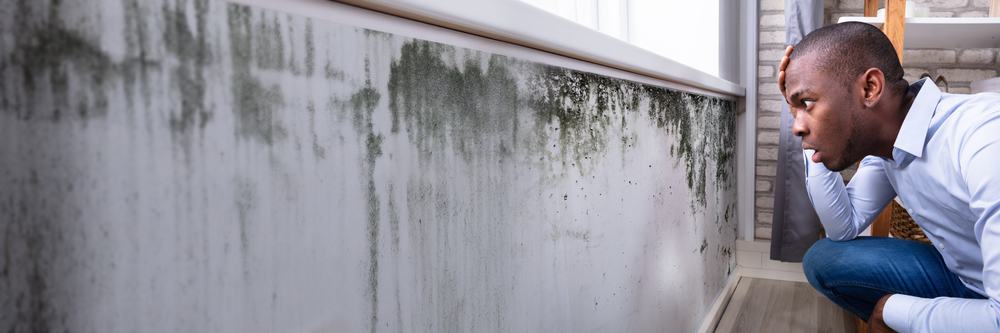
Most people don’t call a mold inspector because they see something obvious. They call because something feels off a smell they can’t locate, a family member with symptoms that won’t quit, or a basement that’s been damp for years and they’ve just been living with it. That uncertainty is its own kind of stress, and it tends to compound the longer it goes unaddressed.
Here’s what shifts when you get a real inspection: you stop guessing. You get a written report with lab-verified results that tells you exactly what’s present, where it is, and what it means. If there’s nothing serious, you have documented proof of that. If there is something, you know the scope before it spreads further or shows up on a home inspection report at the worst possible moment.
Yaphank’s groundwater situation makes this more relevant than it might be in other parts of Long Island. The Carmans River is entirely fed by the aquifer beneath the Central Pine Barrens which means the water table here doesn’t fluctuate the way coastal communities do with tides. It rises with rainfall and stays elevated. For homeowners with basements or crawl spaces anywhere near the Yaphank Avenue corridor or the river’s edge, that persistent groundwater pressure creates the exact conditions mold needs: consistent moisture, limited airflow, and darkness. Catching it early is the difference between a manageable remediation and a gut job.
Mold Inspection Company Yaphank, NY
We’ve been operating out of West Babylon, Suffolk County since before most of the franchise operators and lead-generation websites in your search results existed. Our founder, Richard Peterson, built this company on repeat business and referrals not on national marketing budgets and that doesn’t happen unless you’re consistently doing the work right for homeowners in Yaphank and across the region.
Every technician who comes to your Yaphank home is IICRC-certified. That’s not a credential held by the owner while someone else does the actual inspection it’s a company-wide standard. Combined with an active New York State Mold Assessor License and a New York State Mold Remediator License, we are one of the few companies in Suffolk County that can legally assess, remediate, and reconstruct all under one roof and one license.
For homeowners near Southaven County Park, along the Carmans River corridor, or in the wooded lots off Gerard Road, that full-service capability matters. You’re not coordinating three separate contractors. You make one call, and the same licensed team sees it through from the first air sample to the final clearance test.
Professional Mold Inspector Yaphank, NY
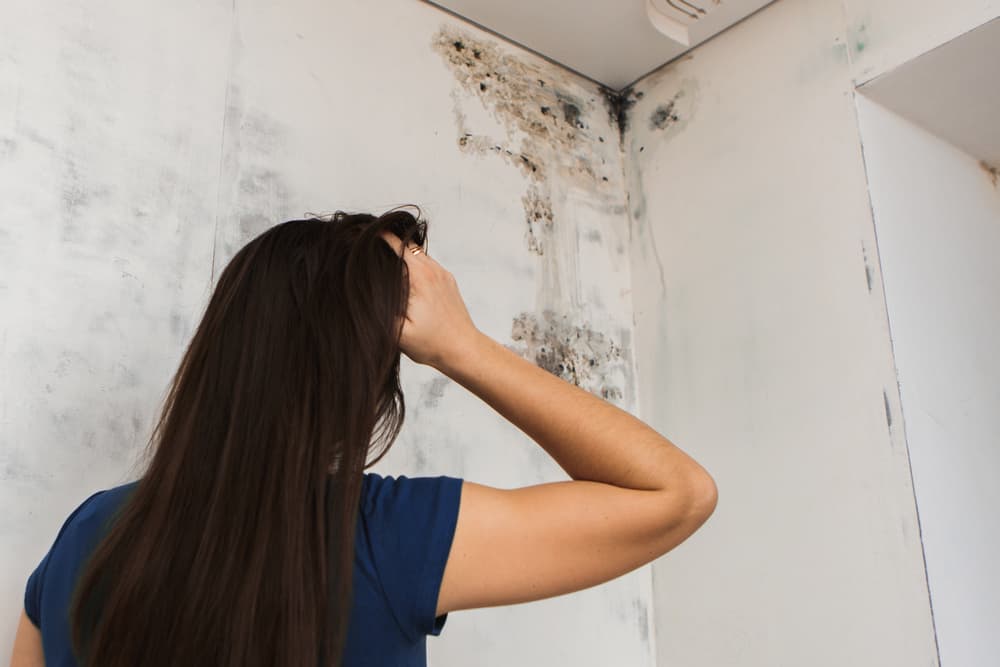
The inspection starts before anyone pulls out a swab or a meter. A technician walks the property with you looking at the basement, the crawl space, the attic, and anywhere water has had a chance to sit or seep. In Yaphank, that conversation almost always includes the basement, because the groundwater conditions here mean moisture intrusion isn’t a rare event it’s a seasonal reality for a significant portion of the housing stock.
From there, our five-point inspection process covers air testing, surface swab sampling, water intrusion assessment, moisture level measurement, and full photographic documentation. What separates this from a basic walkthrough is the infrared thermal imaging a tool that detects temperature differentials inside walls and ceilings, revealing hidden moisture and mold activity that a visual inspection simply cannot find. In homes with finished basements or older wall assemblies, this step regularly uncovers growth that would have gone undetected for months or years.
All samples go to a certified, accredited laboratory. The results come back in a written report that breaks down what was found, where it was found, and what the next steps are. That report is the kind of documentation that holds up with your insurance company, your real estate attorney, or anyone else who needs to see the facts in writing. New York State law requires licensed mold assessors for this work and every inspection we conduct in Yaphank, NY meets that standard.
Ready to get started?
Indoor Air Quality Testing for Mold Yaphank, NY
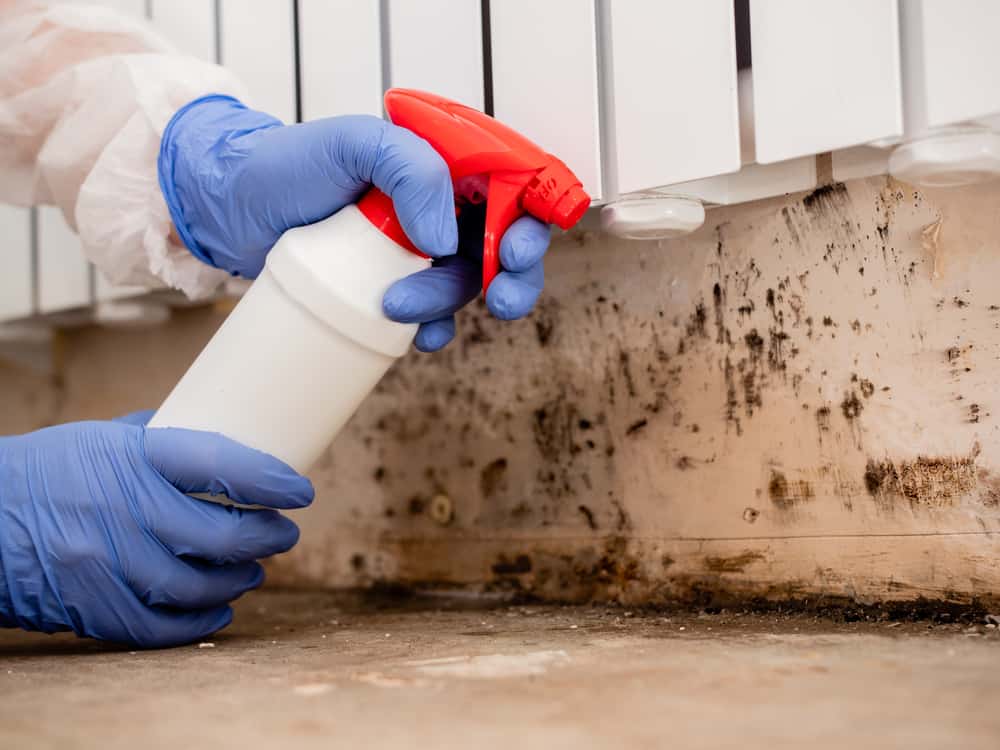
Our mold inspection in Yaphank, NY covers both what you can see and what you can’t. Air testing captures airborne spore levels inside the home and compares them against an outdoor baseline because mold in your air doesn’t always show up on a wall. Surface swab sampling collects physical evidence from visible growth or suspected areas for lab identification. Together, these two components give you a complete picture of what’s actually circulating in your living space.
The moisture and water intrusion components of the inspection are particularly relevant for Yaphank’s housing stock. Homes built before modern vapor barrier standards and there are plenty of them in this hamlet, given its history dating back to 1739 are more susceptible to moisture migration through foundation walls and floor assemblies. We identify the moisture source, not just the mold it produced. That distinction matters, because treating mold without addressing the source guarantees it comes back.
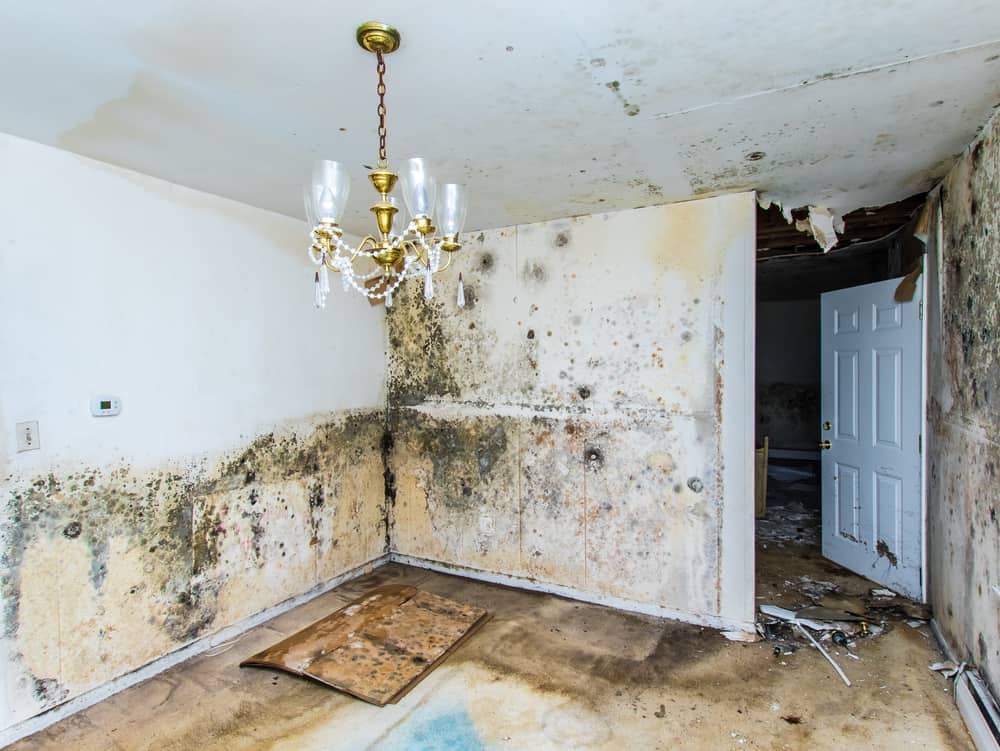
If the inspection reveals active mold, we can move directly into remediation without requiring you to start over with a new contractor. And if remediation requires structural work removing and replacing drywall, insulation, or framing the same licensed team handles that too. For Yaphank homeowners who’ve dealt with the frustration of coordinating multiple service providers for a single project, having one company carry the job from inspection to completion is a real and practical advantage.
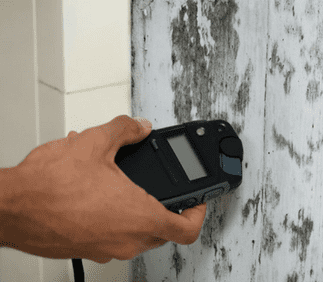
Why do Yaphank homes have a higher risk of basement mold than other Long Island towns?
It comes down to geology. Yaphank sits within the Central Pine Barrens region, which is underlain by one of the largest freshwater aquifers in the northeastern United States. The Carmans River which runs directly through the hamlet is entirely groundwater-fed, meaning it has no surface reservoir source. The USGS actively monitors water levels at two Yaphank stations on the Carmans River because the fluctuations here are scientifically significant.
What this means practically: the water table beneath Yaphank is consistently elevated, and it rises further during heavy rainfall events, nor’easters, and the spring snowmelt cycle. Basements and crawl spaces in this area are under near-constant groundwater pressure, even in homes that aren’t located directly on the riverbank. Add in the wooded lot conditions that slow soil drying and limit airflow around foundations, and you have a moisture environment that actively promotes mold growth not occasionally, but persistently throughout the year.
A professional mold inspection in Yaphank, NY that includes moisture mapping and infrared thermal imaging is the most reliable way to understand what’s actually happening inside your walls and beneath your floors before it becomes a larger problem.
What does a mold inspection in Yaphank, NY actually cost, and what does that include?
Mold inspection costs in Suffolk County typically range from $300 to $1,000 or more depending on the size of the property and the scope of testing required. A basic visual inspection with limited sampling sits at the lower end. A comprehensive inspection air testing, surface swab sampling, infrared thermal imaging, moisture mapping, water intrusion assessment, and a full written lab report sits higher, and for good reason.
The written report with accredited lab results is the component most people underestimate. That documentation is what you bring to your insurance company, your real estate attorney, or a remediation contractor. Without it, you have someone’s opinion. With it, you have evidence. For a home in Yaphank worth $600,000 or more which is consistent with Suffolk County’s current median the cost of a thorough inspection is a small fraction of what an undetected mold problem can cost in remediation, value reduction, or a failed home sale.
It’s also worth noting that if remediation is needed, New York State law requires the assessment and remediation to be performed by separately licensed parties or by a company that holds both licenses independently. We hold both the NY State Mold Assessor License and the NY State Mold Remediator License, which is not the case for every company you’ll find in a search.
How do I know if I need mold testing or just a visual inspection?
A visual inspection tells you what’s visible. Mold testing tells you what’s actually in the air and inside the surfaces which is often a very different story. If you’re dealing with a musty smell but can’t find the source, unexplained health symptoms like persistent sinus issues or worsening asthma, or a home with a history of water intrusion, testing is the appropriate step. Visual alone will miss the growth that’s behind finished drywall, inside wall cavities, or beneath flooring.
In Yaphank specifically, the combination of older housing stock and a consistently high water table means that hidden mold the kind that develops inside wall assemblies without any visible sign on the surface is a real and common scenario. Infrared thermal imaging is the tool that makes hidden moisture and mold activity visible without opening walls unnecessarily. It’s included in a full inspection from us and has regularly identified active mold situations that would have been completely missed by a visual-only walkthrough.
If you’re buying a home, selling a home, or dealing with post-flooding conditions, air testing and surface sampling should be part of the process not optional add-ons.
Is black mold the only type I should be worried about in my home?
Black mold technically Stachybotrys chartarum gets most of the attention, but it’s far from the only mold species that warrants concern. Cladosporium, Penicillium, Aspergillus, and Chaetomium are all common indoor mold types that can cause respiratory symptoms, allergic reactions, and long-term health effects, and none of them are black. The color of mold is not a reliable indicator of its species or its potential health impact.
The reason black mold has such a strong cultural presence is partly legitimate Stachybotrys does produce mycotoxins under the right conditions and partly the result of years of alarming media coverage that created a disproportionate fear response. The more useful question isn’t “is it black mold?” but “what’s the spore count, what species is present, and what’s the moisture source feeding it?” That’s exactly what a lab-verified air and surface sampling report answers.
For homeowners in Yaphank dealing with the aftermath of basement seepage or a damp crawl space, the mold type matters less than the moisture source. Eliminate the moisture, remediate the growth, verify clearance with post-remediation testing that’s the sequence that actually resolves the problem regardless of species.
Do I need a mold inspection before buying or selling a home in Yaphank?
For buyers, a mold inspection is one of the most practical investments you can make before closing especially in Yaphank. The hamlet’s groundwater conditions, older housing stock, and wooded lot environment create a higher-than-average baseline risk for moisture-related issues that a standard home inspection may not fully evaluate. Home inspectors are generalists; they note visible moisture staining and flag concerns, but they don’t collect air samples or map moisture levels behind finished walls. A dedicated mold inspection fills that gap.
For sellers, having a clean mold inspection report in hand before listing gives you documentation that actively supports your asking price and reduces the likelihood of a buyer using a mold finding real or speculative as leverage for a price reduction or a deal exit. In a market where Suffolk County median home values sit above $649,000, that documentation has real financial value.
Post-remediation inspections are equally important. If mold was previously treated in the home, a clearance test with air sampling confirms the remediation was successful before you close. Without it, you’re taking someone’s word for it and that’s not a position any buyer or seller should be in.
How long does a mold inspection take, and when will I get my results?
For a typical single-family home in Yaphank, the on-site inspection generally takes two to four hours depending on the size of the property, the number of areas being tested, and whether the inspection includes infrared thermal imaging and a full moisture assessment. Larger homes, homes with finished basements, or properties with multiple areas of suspected mold activity may take longer but the technician won’t rush through it to hit a time target. The inspection is complete when it’s thorough, not when a clock runs out.
Lab results from air and surface samples typically come back within 24 to 72 hours after the samples are submitted, depending on the laboratory’s current processing timeline. Once results are in, you receive a written report that documents what was found, where it was found, what the lab identified, and what the recommended next steps are. That report is not a verbal summary it’s a formal document you can use with your insurance company, your real estate agent, or a remediation contractor.
If you’re working against a real estate closing deadline or an insurance claim timeline, communicate that upfront when you call. We serve Yaphank and the broader Suffolk County area and can often schedule inspections quickly reach us directly at 631-587-5300.
Useful Links
Other Services we provide in Yaphank