
Mold Remediation in Baiting Hollow, NY
Coastal Humidity Shouldn't Mean Mold Inside Your Home
Hear from Our Customers
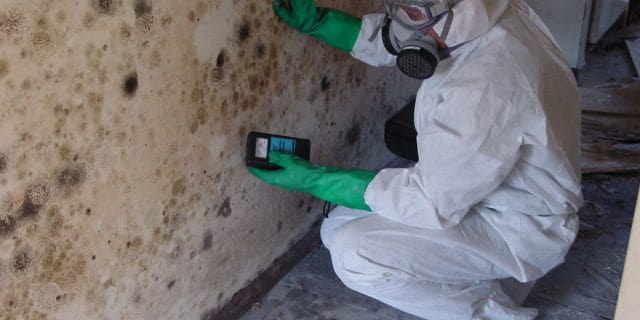
Mold Damage Repair, Baiting Hollow NY
The air in your home feels different when mold is fully removed not just wiped down, but gone from the wall cavity, the crawl space, the attic deck. You stop noticing the smell. You stop second-guessing whether what you’re breathing is safe. That shift matters more than most people realize until they’ve experienced it.
For Baiting Hollow homeowners, the stakes are higher than average. Properties along the Sound bluffs whether you’re in Woodcliff Park, at The Bluffs at Fox Hill, or in one of the older homes tucked off Sound Avenue sit in a moisture environment that doesn’t let up. High ambient humidity off Long Island Sound, combined with older construction that wasn’t built for modern moisture management, means mold here tends to be a recurring problem when it’s not handled correctly the first time.
Getting it right means the mold doesn’t come back next season. It means your home inspection doesn’t surface a deal-breaker. It means a property worth $600,000 or more stays worth that and you’re not explaining a mold history to a buyer two years from now. That’s what a proper remediation actually delivers.
Certified Mold Remediation Company, Baiting Hollow
We’ve been working on Long Island for over three decades through nor’easters, post-storm surges, and every variation of moisture problem this region produces. Our owner, Richard Peterson, holds personal New York State licenses in both mold assessment and mold remediation under Article 32 of the NYS Labor Law. That’s not a company credential filed away somewhere it’s his individual license, which means his name is on every job that leaves our company.
Our technician team is IICRC-certified, meaning the people coming into your Baiting Hollow home have been formally trained and tested under the S520 Standard for Professional Mold Remediation the industry’s benchmark, not a company-issued certificate. That combination of owner-level licensure and a certified crew is not the norm in this market. It’s worth knowing before you hire anyone.
We serve the full Riverhead Town area, including Baiting Hollow, and the broader North Fork. We know the housing stock here the seasonal cottages, the bluff-top condominiums, the older ranch homes and we’ve worked in all of it.
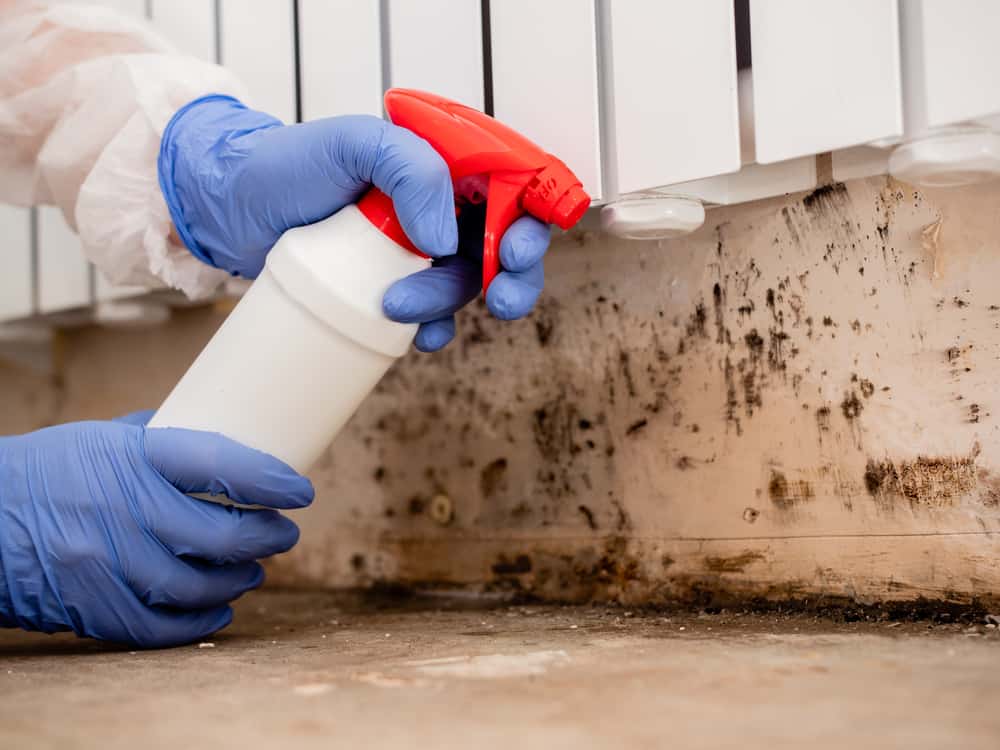
Professional Mold Remediation Process, Baiting Hollow
It starts with a thorough assessment not just a visual walkthrough, but moisture mapping to find what you can’t see. In Baiting Hollow, that matters more than most places. Older homes and seasonal cottages often have mold growing inside wall cavities, beneath subfloors, or along crawl space framing long before it becomes visible. We identify the source of the moisture first, because removing mold without fixing the source is just a temporary fix.
Once the source is identified and the scope is clear, we establish containment to prevent spores from spreading to unaffected areas of your home. Then the remediation itself removal of contaminated materials, antimicrobial treatment of affected surfaces, and structural drying to bring moisture levels back to normal. For properties in Woodcliff Park or other seasonal communities, this step is especially important before a home is closed for winter or reopened in spring, when undetected moisture can accelerate growth quickly.
After the work is done, we conduct post-remediation air quality testing to confirm that spore counts have returned to acceptable levels. You get that documentation in writing which matters whether you’re closing an insurance claim, satisfying a buyer’s attorney, or simply want proof the job was completed correctly. New York State’s Article 32 also requires all remediation work in Baiting Hollow to be performed by licensed contractors, and every step of our process is fully compliant with that law.
Ready to get started?
Black Mold Remediation Services, Baiting Hollow NY
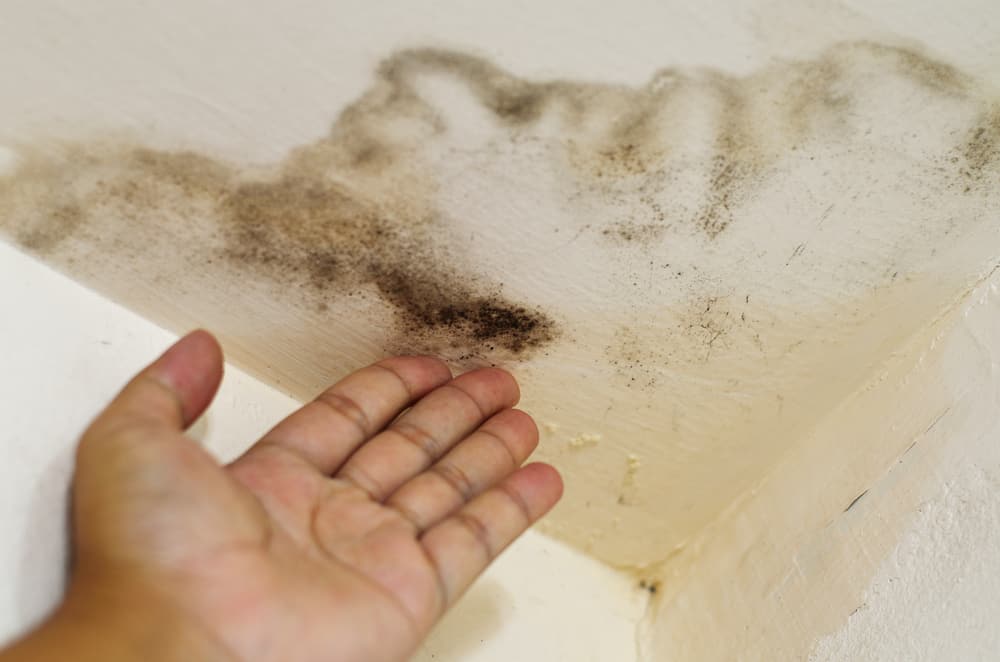
Mold remediation in Baiting Hollow covers more ground than most homeowners expect going in. It’s not just the visible mold on a basement wall or the black discoloration in a bathroom corner it’s the growth behind the drywall in a Sound-facing exterior wall, the mold spreading across crawl space joists in a home with an aging vapor barrier, or the attic deck covered in growth because warm, humid air off the Sound has been condensing against a cooled surface all summer. All of it falls within the scope of what a proper remediation addresses.
We handle the full cycle: assessment, containment, removal, antimicrobial treatment, structural drying, and post-remediation verification. Our integrated cleaning division means the work doesn’t stop when the structural remediation is done affected surfaces and contents are cleaned as part of the same job, by the same company. For a Baiting Hollow homeowner dealing with a seasonal cottage that sat closed all winter, that means one call gets the property from mold discovery to move-in ready, without coordinating between multiple contractors.
Costs for professional mold remediation typically range from around $1,200 to $3,800 for most residential projects, with attic remediation running $1,500 to $9,000 and crawl space work ranging from $500 to $4,000 or more depending on whether encapsulation is needed. We always explain scope and cost upfront, in writing, before any work begins no surprises, no pressure.
Does mold remediation in Baiting Hollow require a licensed contractor by law?
Yes and this is one of the most important things to verify before hiring anyone. New York State’s Article 32 of the Labor Law has required all mold assessors and remediation contractors to hold valid state-issued licenses since January 1, 2016. That applies to every job in Baiting Hollow, regardless of the size of the project or whether it’s a year-round home or a seasonal cottage.
The reason this matters practically: if an unlicensed contractor performs the work, your insurance company may deny the claim, and you have no regulatory recourse if the job is done incorrectly. You can verify any contractor’s license through the NYS Department of Labor’s online database before you sign anything. Richard Peterson, our owner, holds personal NYS licenses in both mold assessment and mold remediation both are searchable and verifiable by any Baiting Hollow homeowner.
How much does mold remediation typically cost for a home in Baiting Hollow?
For most residential projects, professional mold remediation runs between $1,200 and $3,800. Attic remediation which is common in Baiting Hollow given the humidity off Long Island Sound and the condensation issues it creates against roof decking typically ranges from $1,500 to $9,000 depending on the extent of the growth and whether structural materials need to be replaced. Crawl space remediation generally falls between $500 and $4,000, with costs rising if encapsulation is part of the scope.
What drives cost up isn’t always the type of mold it’s how far it’s spread and how long it’s been there. In Baiting Hollow’s seasonal properties, mold that went undetected through a winter closure can cover significantly more square footage than a homeowner expects when they open the property in spring. We provide a written estimate with a clear scope before any work starts. That’s standard practice no verbal estimates, no pressure to decide on the spot.
What's the difference between mold remediation and mold removal?
Mold removal refers to the physical act of taking out contaminated materials cutting out drywall, removing insulation, stripping affected wood. Mold remediation is the complete process that removal is just one part of. It includes identifying and correcting the moisture source, establishing containment to prevent spore spread, performing the removal, applying antimicrobial treatment to affected surfaces, drying the structure to normal moisture levels, and conducting post-remediation testing to verify the work was successful.
The distinction matters because removal without remediation is why so many Baiting Hollow homeowners deal with recurring mold. If the moisture source whether it’s a failing crawl space vapor barrier, inadequate attic ventilation, or water intrusion through an aging Sound-facing exterior wall isn’t corrected, the mold comes back. A proper remediation addresses the whole problem, not just the visible symptom. That’s the standard we hold every job to.
I found mold in my Woodcliff Park cottage after opening it for the season what should I do first?
Don’t try to clean it yourself, and don’t run the HVAC system before the mold is assessed. Running air through a mold-affected space spreads spores to areas that weren’t previously impacted, which expands the scope and cost of remediation significantly. The first step is getting a professional assessment to determine how far the growth has spread including inside wall cavities and beneath flooring, where seasonal mold in closed properties tends to develop out of sight.
Woodcliff Park cottages are particularly vulnerable to this pattern because they sit unoccupied, unheated, and unmonitored through the colder months. A small moisture event in October a dripping pipe, a compromised roof flashing, condensation buildup can produce extensive mold growth by April. We’re available 24/7, including weekends, which matters when you’re arriving at a seasonal property on a Friday evening and need an assessment before you can determine whether the home is safe to occupy.
Can mold in my home affect the resale value of my Baiting Hollow property?
It can and significantly. Research consistently shows that homes with a documented mold history can lose 20 to 37 percent of their market value, and roughly half of potential buyers walk away from a transaction when mold is discovered during inspection. In a market where Baiting Hollow detached homes are valued at $600,000 and above, that’s a material financial risk, not a minor cosmetic concern.
The good news is that properly documented, professionally completed mold remediation with post-remediation clearance testing on file can protect and in many cases restore that value. Buyers’ attorneys and home inspectors are looking for evidence that the problem was handled correctly, not just that someone cleaned a surface. Having a clearance report from a licensed, IICRC-certified remediation company is the documentation that actually satisfies those parties. It’s not just about getting the mold out it’s about being able to prove it.
How do I know the mold is actually gone after remediation is complete?
The only reliable way to confirm it is post-remediation air quality testing independent sampling that measures mold spore counts in the treated area and compares them against baseline levels. If the counts have returned to normal, the remediation was successful. If they haven’t, there’s still work to do. This step is not optional at our company it’s a standard part of every job, and the results are documented in writing.
This matters especially in Baiting Hollow, where the conditions that caused the mold coastal humidity, older building envelopes, seasonal vacancy don’t go away after remediation. Knowing the job was completed correctly, with documentation to back it up, gives you a baseline. If mold ever reappears, you’ll know it’s a new moisture event rather than an incomplete remediation. For homeowners on the Sound bluffs or in seasonal communities along the North Fork, that kind of documented accountability isn’t just peace of mind it’s practical protection for a significant asset.
Useful Links
Other Services we provide in Baiting Hollow