
Mold Remediation in Brentwood, NY
Brentwood's Older Homes Deserve More Than a Surface Fix
Hear from Our Customers
Basement Mold Remediation Brentwood NY
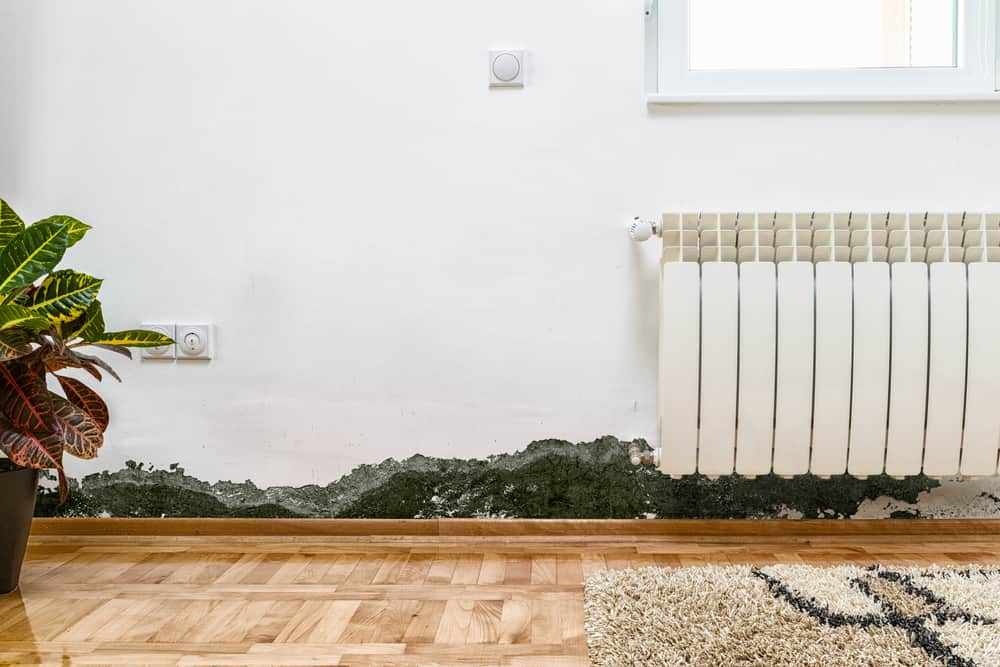
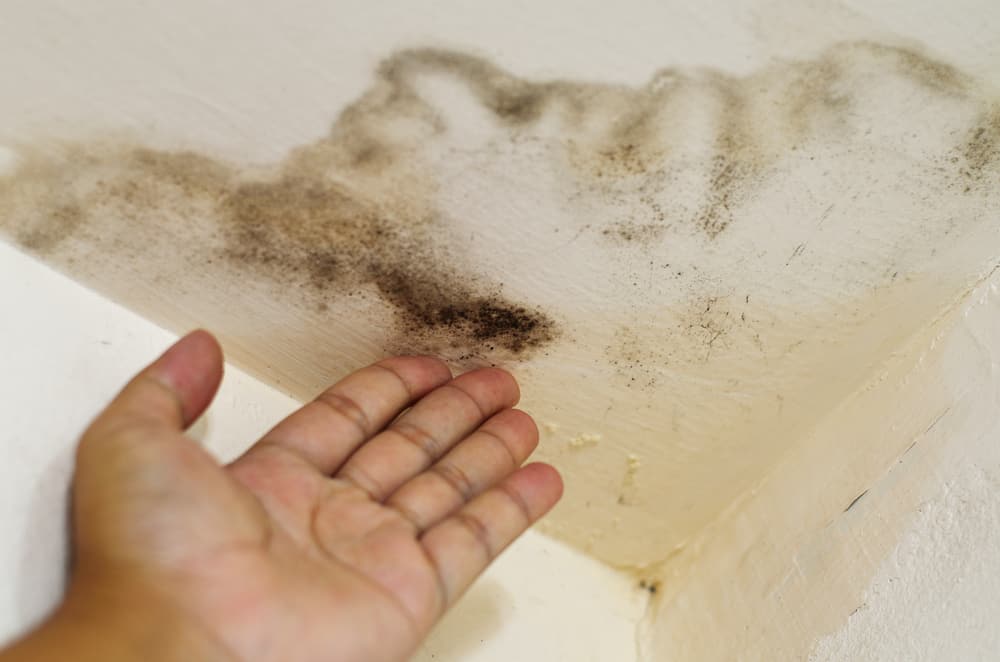
Mold that gets wiped down or painted over doesn’t go away. It keeps growing, keeps spreading spores through your air, and keeps coming back until whatever’s feeding it moisture, a slow leak, a crawl space that never dries out gets addressed first. That’s the part most operators skip. It’s also the part that determines whether this is a one-time fix or a recurring problem.
In Brentwood, where a significant portion of the housing stock was built between the 1940s and 1970s, the moisture vulnerabilities are predictable. Older vapor barriers, uninsulated pipe runs, basements that weren’t built to handle today’s rainfall load these aren’t random bad luck, they’re the natural result of a home aging past its original design assumptions. When you add in the heavy spring rains that push water through aging foundations in North Brentwood, or the summer humidity that turns a poorly ventilated attic into a mold incubator, you’ve got conditions that demand a real remediation process not a cosmetic one.
When the job is done right, you’re not just looking at clean walls. You’re breathing cleaner air. Your kids aren’t being exposed to spores every time the HVAC kicks on. And you’re not watching the same dark spots reappear on the ceiling six months from now.
Certified Mold Remediation Companies Brentwood NY
First Response Restoration and Cleaning Inc. has been working in Brentwood and throughout Long Island for approximately 31 years. Richard Peterson, our owner, holds personal New York State licenses in both mold assessment and mold remediation not a company-level credential filed away somewhere, but an individual professional license he’s personally accountable for. Every technician on our team is IICRC-certified, which means the people doing the actual work have been formally trained and tested, not just handed a vacuum and a respirator.
That matters more in a market like Brentwood than people realize. Suffolk County has no shortage of contractors who’ll show up, spray something on the wall, and hand you a bill. But under New York State’s Article 32 mold licensing law, performing remediation without a valid state license is illegal and hiring someone who isn’t licensed can get your insurance claim denied and leave you with no legal recourse if the work fails.
From the ranches near the Sagtikos Parkway to the older capes in East Brentwood, we’ve worked in the specific housing types that define this community. That’s not a talking point it’s just what 31 years in one market looks like.
Professional Mold Remediation Process Brentwood NY
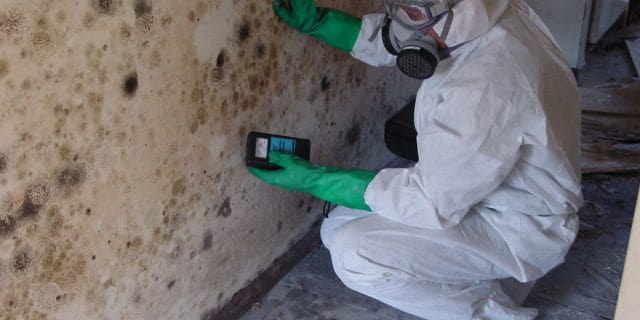
It starts with a thorough assessment not just looking at the visible mold, but identifying where the moisture is coming from. In Brentwood’s older housing stock, that source is often somewhere you wouldn’t immediately think to look: a slow pipe joint behind drywall, a crawl space that’s been holding moisture for years, an attic with inadequate ventilation that’s been condensing humidity all summer. Until that source is found and addressed, removing the mold itself is only half the job.
Once the source is identified, containment goes up before any physical remediation begins. This is non-negotiable. Improperly contained mold removal can spread spores to parts of your home that weren’t affected turning a localized problem into a whole-house problem. HEPA filtration runs throughout the process to capture airborne particles, and all contaminated materials are removed and disposed of according to New York State guidelines under Article 32.
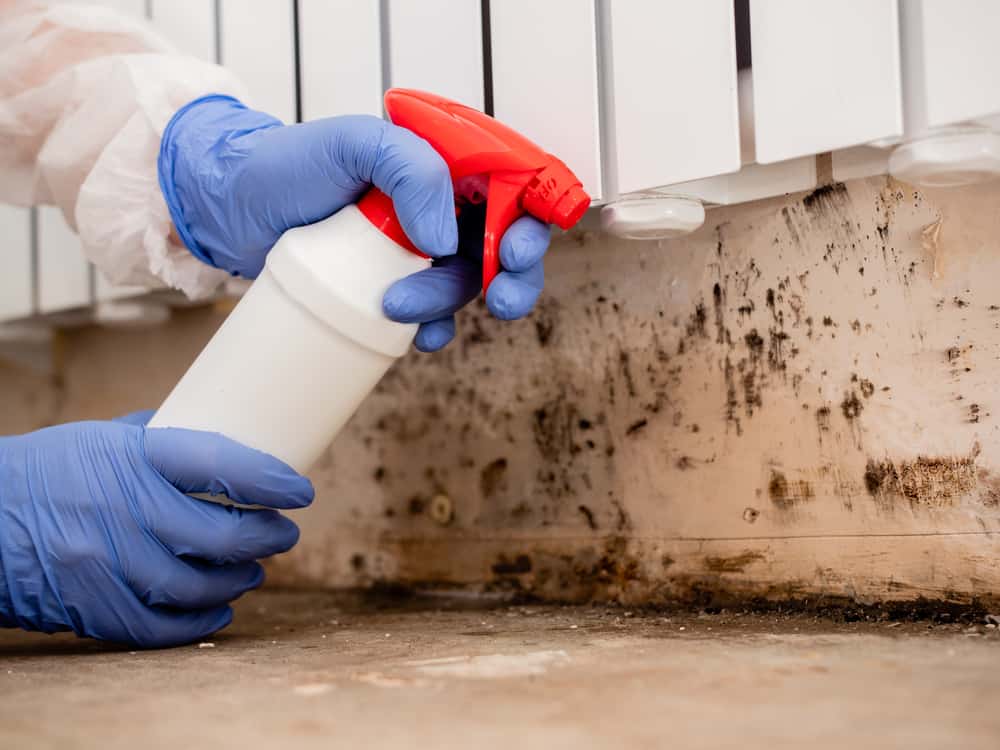
After remediation, affected surfaces are treated with EPA-registered antimicrobial agents. Then comes post-remediation verification independent air quality testing that confirms spore counts have returned to normal levels before the job is considered complete. You get documentation of that result, which matters for insurance claims, real estate transactions, and your own peace of mind. Because of Brentwood’s seasonal moisture patterns heavy spring rainfall, humid summers, winter freeze-thaw cycles we’ll also walk you through what to monitor going forward so you’re not starting from scratch next year.
Ready to get started?
Black Mold Remediation Services Brentwood NY
We don’t do the structural work and then hand you off to someone else for the cleanup. First Response runs both a restoration division and a cleaning division, which means the entire scope from initial containment through final post-remediation cleaning of surfaces, contents, and affected areas is handled by one team, under one roof, with one point of accountability. No coordinating multiple contractors. No wondering who’s responsible for what.
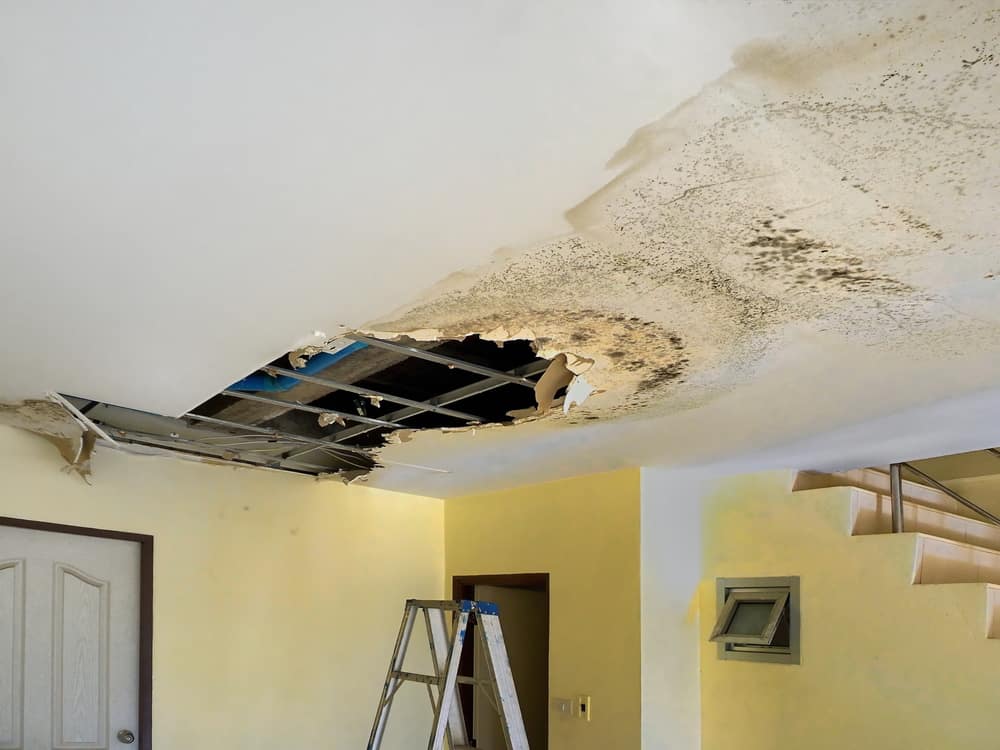
For Brentwood homeowners dealing with basement mold remediation, attic mold remediation, crawl space mold remediation, or HVAC-related mold, the scope of work is built around what’s actually happening in your specific home not a one-size-fits-all package. Crawl space mold remediation in the Edgewood area and along the Sagtikos corridor often involves vapor barrier replacement and structural drying in addition to surface treatment. Attic mold remediation in older Brentwood capes typically requires addressing ventilation before any surface work makes long-term sense. We adapt to what the home actually needs.
Emergency mold remediation is available around the clock. When a basement floods at midnight or a pipe bursts in January, you’re not waiting until Monday morning. Mold starts growing within 24 to 48 hours of water intrusion in a community where frozen pipe failures and heavy rainfall events are a documented seasonal reality, that response window matters. We also help you navigate the insurance process: documenting damage, understanding what your homeowner’s policy covers, and making sure the claim is prepared correctly from the start.
Is mold remediation in Brentwood, NY covered by homeowner's insurance?
It depends on what caused the mold and that distinction matters a lot. If the mold resulted from a sudden, accidental event like a burst pipe, a roof failure during a storm, or a sump pump overflow, there’s a real chance your homeowner’s insurance will cover some or all of the remediation cost. If it resulted from long-term neglect or a maintenance issue that went unaddressed, most policies won’t cover it.
In Brentwood, where older homes are more prone to slow leaks, foundation seepage, and aging pipe systems, the cause of mold isn’t always obvious at first glance and how it gets documented makes a significant difference in whether a claim gets approved. We help you understand what you’re dealing with before you file, document the damage in the format insurers require, and walk you through the process so you’re not navigating it alone. Getting the documentation right from the start is the difference between a covered claim and a denied one.
What does mold remediation actually cost for a home in Brentwood?
For most residential projects, professional mold remediation runs somewhere between $1,200 and $3,800. The range is wide because the cost is driven by a few specific factors: how large the affected area is, where the mold is located, whether structural materials like drywall or insulation need to be removed, and whether post-remediation air quality testing is included.
In Brentwood’s housing stock where mold is frequently found in basements, crawl spaces, and attics of homes built in the 1950s through 1970s the scope can vary significantly from one property to the next. A surface mold issue in a finished basement is a different job than mold that’s worked its way into wall cavities or attic sheathing. Attic mold remediation tends to run higher, often between $1,500 and $9,000 depending on attic size and how far the contamination has spread. Crawl space and basement projects typically fall in the $500 to $4,000 range for standard work. You’ll get a written estimate that explains exactly what’s included and why before anything starts no surprises.
What's the difference between mold remediation and mold removal?
Mold removal implies you’re just taking the visible mold out wiping it down, cutting out the affected drywall, and calling it done. Mold remediation is a broader, more complete process. It includes identifying the moisture source, containing the work area to prevent cross-contamination, removing contaminated materials, treating affected surfaces with antimicrobial agents, and verifying through air quality testing that spore levels have returned to normal.
The distinction matters because mold doesn’t just sit on a surface it grows into porous materials, releases spores into the air, and will come back if the moisture source isn’t addressed. In a Brentwood home where basement seepage or attic condensation has been feeding a mold colony for months, simply removing what’s visible isn’t going to solve the problem. True remediation means the underlying conditions are corrected, the contamination is fully addressed, and you have documentation proving the job is complete. That’s what New York State’s Article 32 licensing framework was designed to ensure and it’s the standard we hold ourselves to on every job.
How do I know if a mold remediation company in Brentwood is actually licensed?
Under New York State’s Article 32 mold licensing law which has been in effect since January 1, 2016 any person or company performing mold remediation in New York must hold a valid state-issued license. This isn’t a technicality. Hiring an unlicensed contractor can result in a denied insurance claim, improperly executed work that spreads mold rather than containing it, and no legal recourse if the job fails.
You can verify any contractor’s license directly through the New York State Department of Labor’s online license lookup tool. Search the contractor’s name or license number and confirm it’s active before signing anything. Richard Peterson holds personal NYS licenses in both mold assessment and mold remediation individual credentials, not just a company registration. In a dense market like Brentwood where unlicensed operators are known to undercut legitimate contractors on price, taking two minutes to verify a license before hiring is one of the most important things you can do to protect yourself and your home.
How long does mold remediation take in a typical Brentwood home?
For a contained mold issue say, a section of basement wall or a portion of an attic most remediation projects take one to three days from start to finish. Larger jobs involving multiple rooms, structural material removal, or significant drying time can run longer, sometimes up to a week or more depending on the scope.
In Brentwood’s older homes, the timeline can be affected by a few things specific to this area. Homes with plaster walls or original 1950s construction sometimes require more careful material removal than modern drywall. Crawl spaces that have been holding moisture for an extended period need adequate drying time before remediation is considered complete rushing that step leads to recurrence. Post-remediation air quality testing adds a final verification step, but it’s also what gives you the documentation that the job is actually done. We’ll give you a realistic timeline during the assessment phase, not a number designed to get you to sign.
Can black mold in a Brentwood home make my family sick?
Yes mold exposure, particularly prolonged exposure, can cause or worsen respiratory issues, trigger allergic reactions, irritate the eyes, nose, and throat, and in more sensitive individuals children, the elderly, and anyone with asthma or a compromised immune system produce more serious symptoms. Stachybotrys chartarum, commonly called black mold, produces mycotoxins that are associated with more severe health effects with sustained exposure.
Brentwood is a family-dense community the Brentwood Union Free School District serves over 17,000 students, and many of the homes in this hamlet are occupied by families with young children. A mold problem that’s been sitting in a basement or crawl space for months has likely been circulating spores through the home’s air every time the HVAC runs. Post-remediation air quality testing isn’t optional it’s the only way to confirm that spore levels are back to normal and that the air your family is breathing is actually clean.
Useful Links
Other Services we provide in Brentwood