
Mold Remediation in Carle Place, NY
Carle Place's Aging Slab Homes Deserve More Than a Surface Fix
Hear from Our Customers
Nassau County Mold Damage Repair
Most homeowners in Carle Place don’t call about mold the moment they see it. They call after they’ve noticed the smell for a few weeks, or after a contractor found something in the crawl space, or after a buyer’s inspector flagged it and threatened to walk. By that point, the question isn’t whether to act it’s whether the company you hire will actually fix it or just cover it up long enough for it to become someone else’s problem.
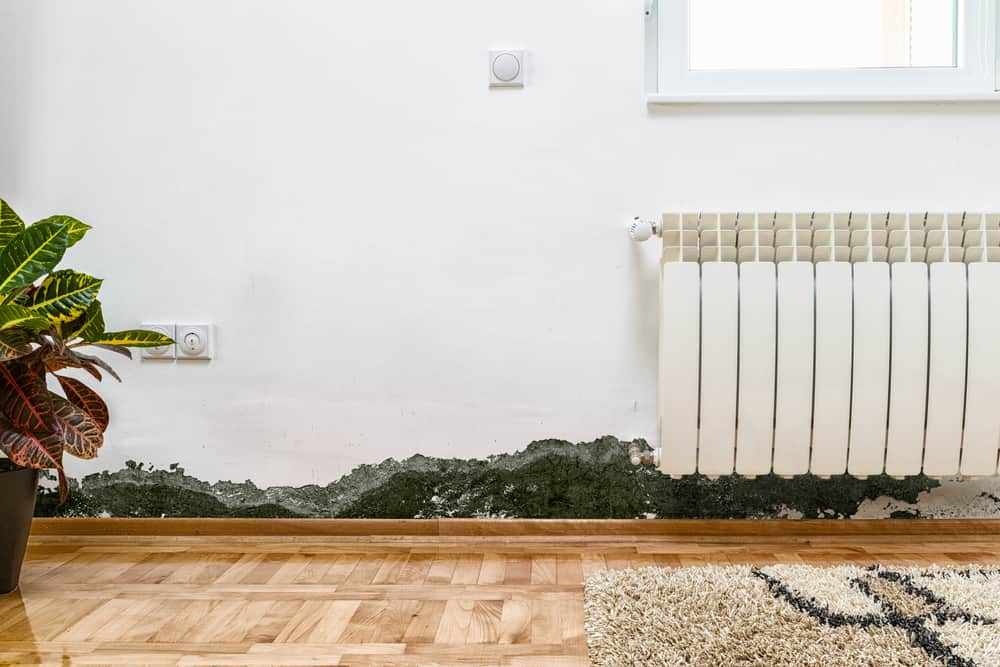
Real mold remediation means the source gets addressed, not just the visible growth. In Carle Place’s original Levitt-era homes most of them built on concrete slabs with no full basement moisture migrates upward through aging concrete and collects in crawl spaces beneath additions and modified sections of the home. That’s not a generic Long Island problem. That’s a Carle Place problem, specific to a housing stock that was built fast in 1946 and is now carrying 75 to 80 years of accumulated wear.
When the job is done right, the musty smell is gone. The air in the home is cleaner. The lab report in your hand documents what was found, what was done, and what the clearance results showed and that documentation protects you when it’s time to sell. On a home worth over $700,000, that piece of paper is worth far more than what the remediation cost.
Certified Mold Remediation Companies Nassau County
We’ve been serving Nassau County homeowners for nearly three decades. That’s not a marketing number it’s the reason our technicians have worked in hundreds of homes built in the same post-war era that defines Carle Place. We know what slab construction does to moisture over time. We know what a Nassau County crawl space looks like in July. We’ve seen the attic condensation patterns that develop in homes where the original insulation has been compressing since the Eisenhower administration.
Every technician on our crew holds individual IICRC certification not just the company. That distinction matters when someone is cutting into the drywall of a home worth three-quarters of a million dollars. You get a credentialed professional, not a laborer who was handed a respirator last week.
We also handle reconstruction after remediation, which means you’re not left with a gutted room and a list of contractors to call. One company, start to finish, with a dedicated Nassau County line at 516-698-1776.

Professional Mold Remediation Process Carle Place
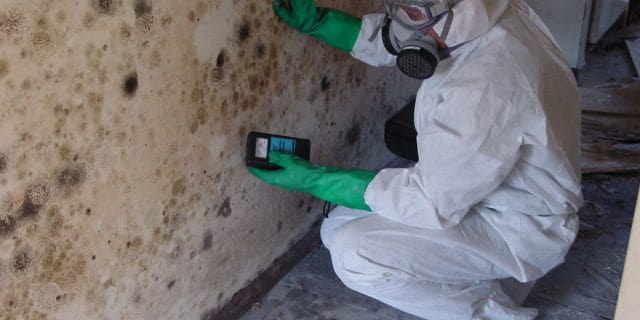
It starts with a thorough inspection. Because New York State’s 2016 mold law prohibits the same company from both assessing and remediating mold on the same property, the inspection is handled independently a consumer protection that exists specifically to prevent the “free inspection” scam that was rampant in this industry. We operate in full compliance with this law, and we can walk you through exactly how it applies to your situation before anything else happens.
Once remediation begins, containment goes up first. Affected areas are isolated using negative air pressure and physical barriers to prevent spores from spreading to unaffected parts of your home during the work. In Carle Place homes particularly those with open crawl spaces beneath additions this step is critical. A crawl space that isn’t properly contained during remediation can spread spores into the living area above through gaps in the subfloor. HEPA-filtered air scrubbers run continuously throughout the process.
After the visible mold is removed and affected materials are safely disposed of, we address the moisture source. That might mean sealing a slab crack, encapsulating a crawl space, or correcting ventilation in an attic. Then clearance testing is done. You get a written report with lab results within two to three business days the kind of documentation that holds up in a real estate transaction or an insurance claim.
Ready to get started?
Black Mold and Crawl Space Remediation Carle Place NY
Carle Place homes tend to show mold in predictable places, and we know exactly where to look. Crawl space mold remediation is among the most common calls we receive from this hamlet particularly in homes where original Levitt slab construction was later modified with additions that created partial-height, unconditioned spaces. These crawl spaces collect ground moisture, condensation, and Long Island’s summer humidity simultaneously, and without proper encapsulation, they become reliable mold factories. Our crawl space remediation includes full containment, mold removal, treatment of affected framing and materials, and encapsulation to prevent recurrence.
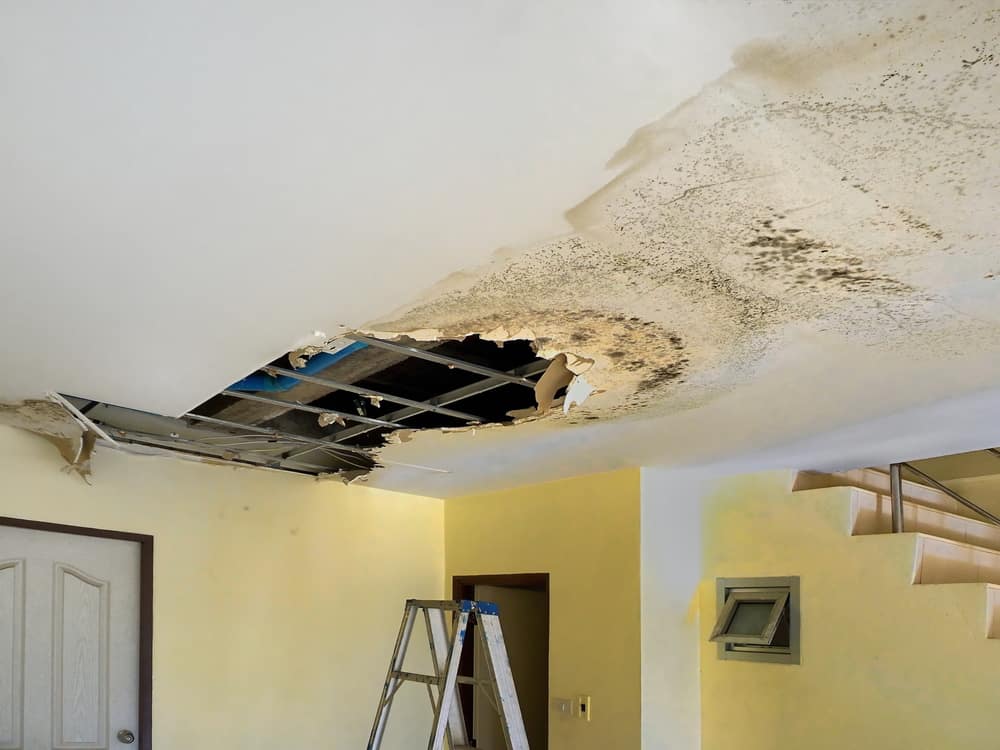
Attic mold remediation is the second most common scope in Carle Place’s older housing stock. Post-war attic construction in this era frequently used insulation and ventilation designs that create condensation points during winter months when warm air from the living space contacts the cold underside of roof decking and moisture accumulates over time. We use infrared thermal imaging to identify these moisture points before remediation begins, so nothing gets missed.
Basement mold remediation, black mold remediation, and emergency mold remediation after water intrusion events are also within scope. Nassau County’s August 2024 flooding which sent over nine inches of rain into the region in a single day is a reminder that emergency response matters. We’re available 24 hours a day, seven days a week, and every truck arrives fully stocked and ready to work from the moment it pulls up.
How much does mold remediation cost in Carle Place, NY?
The honest answer is that it depends on the scope and in Carle Place specifically, the scope varies a lot depending on the age and construction type of the home. For a contained area like a single bathroom wall or a section of attic decking, professional mold remediation typically runs between $1,200 and $3,500. Larger jobs involving crawl space encapsulation, structural framing, or whole-house remediation can reach $8,000 to $15,000 or more.
What’s worth keeping in perspective is the math on a Carle Place home. With median property values above $700,000, a documented mold problem that goes unresolved or that gets remediated improperly and comes back can reduce your home’s resale value by 20% to 37%. That’s a potential loss of $140,000 to $260,000. A $2,500 remediation job that comes with a proper clearance report and lab documentation is not an expense. It’s protection on an asset that most people in this hamlet have spent decades building equity in.
What is the difference between mold remediation and mold removal?
Mold removal implies taking away what you can see. Mold remediation means addressing the full problem the visible growth, the materials it has penetrated, the air quality in the affected space, and the moisture source that allowed it to grow in the first place. The distinction matters because mold that is “removed” without fixing the underlying moisture issue will come back. Guaranteed.
In Carle Place’s aging housing stock, this is especially relevant. A crawl space that gets sprayed and wiped down without proper encapsulation will be growing mold again within a season. An attic that gets cleaned without correcting the ventilation problem that caused condensation will show regrowth the following winter. True remediation the kind that holds up to clearance testing and produces a clean lab report requires addressing the source. That’s the standard we work to on every job.
Can I stay in my house during mold remediation in Carle Place?
It depends on where the mold is and how extensive the remediation scope is. For contained jobs an isolated attic section, a single crawl space area, or a small portion of a room many homeowners stay in the home during the work, with affected areas fully sealed off and HEPA air scrubbers running to maintain air quality in the rest of the house.
For larger or more invasive jobs, particularly those involving black mold remediation or significant structural material removal, temporarily relocating for the duration of the work is the safer call especially if children, elderly family members, or anyone with respiratory conditions like asthma are in the household. Given that Carle Place’s school district is one of the smallest in New York State and many households here are family-centered, this is a conversation worth having directly with our team before work begins. We’ll give you a straight answer based on your specific situation, not a blanket policy.
Does homeowners insurance cover mold remediation costs in Nassau County?
Sometimes and the answer usually hinges on what caused the mold. If the mold resulted from a sudden, covered event like a burst pipe or storm-related water intrusion, your homeowner’s insurance policy may cover some or all of the remediation cost. If the mold developed gradually from long-term moisture issues a slow crawl space leak, chronic condensation, or deferred maintenance most standard policies will not cover it.
In Nassau County, where home values are high and insurance policies are often more complex, getting the documentation right from the start is critical. We provide comprehensive written reports with air testing results, swab sample lab analysis, infrared documentation, and moisture measurements the exact paperwork that insurance adjusters require to process a claim. If you’re filing a claim, having this documentation organized before you submit makes the process significantly smoother and reduces the risk of a denial based on insufficient evidence.
Why is attic mold so common in older Carle Place homes?
It comes down to how these homes were built and what happens to that construction over time. Homes built in Carle Place between the 1940s and 1960s including the original Levitt-era stock were constructed with attic insulation and ventilation designs that were standard for that era but are now understood to create condensation problems. During winter months, warm moist air from the living space rises into the attic and contacts the cold underside of the roof decking. When that happens repeatedly over years, moisture accumulates on the wood. Mold follows.
The problem often goes undetected for a long time because most homeowners don’t regularly inspect their attics. By the time it’s found usually by a home inspector during a sale, or by a contractor doing unrelated roof work the growth can be extensive. We use infrared thermal imaging during the inspection phase to identify moisture accumulation points that aren’t visible to the naked eye, which is why it’s a standard part of our attic mold remediation process in Carle Place.
How do I know if I have mold in my crawl space in a Carle Place slab home?
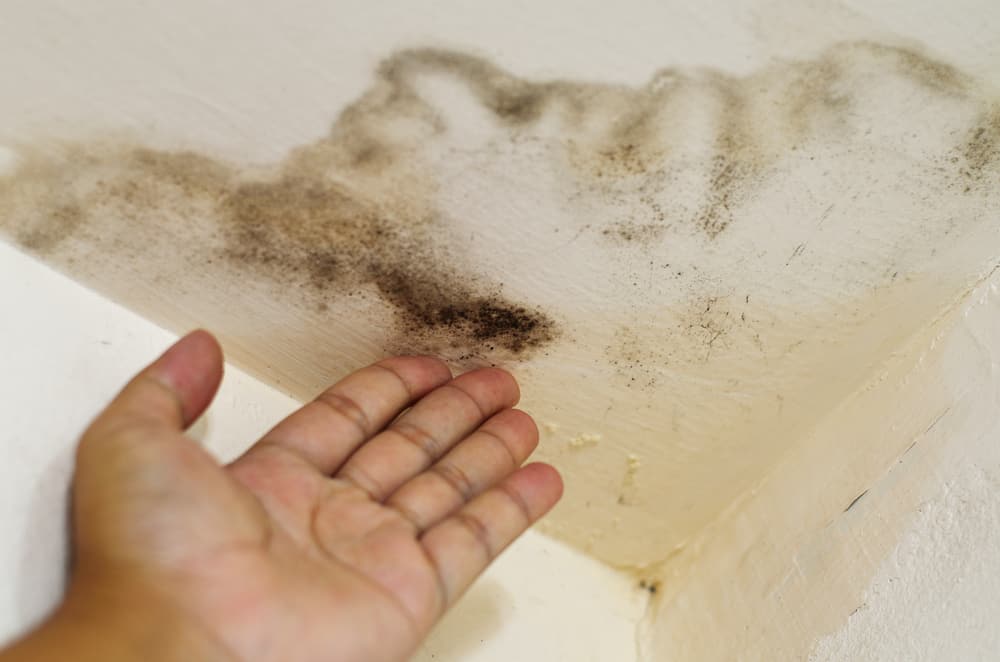
The most common signs are a persistent musty smell in the home especially in rooms near the floor unexplained increases in allergy or respiratory symptoms among family members, and visible discoloration or staining on lower walls or subfloor materials. In some cases, you won’t notice any of these until a contractor or inspector accesses the crawl space for an unrelated reason and finds active mold growth.
Carle Place’s original Levitt homes present a specific challenge here. These homes were built on concrete slabs, and many were later modified with additions that created crawl spaces partial-height spaces that most homeowners rarely think about until something goes wrong. These spaces collect moisture from the ground, from condensation, and from Long Island’s humid summer air, and without proper encapsulation, they stay damp year-round. If your home has a crawl space or if you’re not sure whether it does and you’re noticing any of the symptoms above, having a professional inspection done is the right first step. The musty smell that’s been there “forever” usually isn’t nothing.
Useful Links
Other Services we provide in Carle Place