
Mold Remediation in Central Islip, NY
Central Islip Homes Have a Moisture Problem. Here's What Actually Fixes It.
Hear from Our Customers
Basement Mold Remediation Central Islip NY
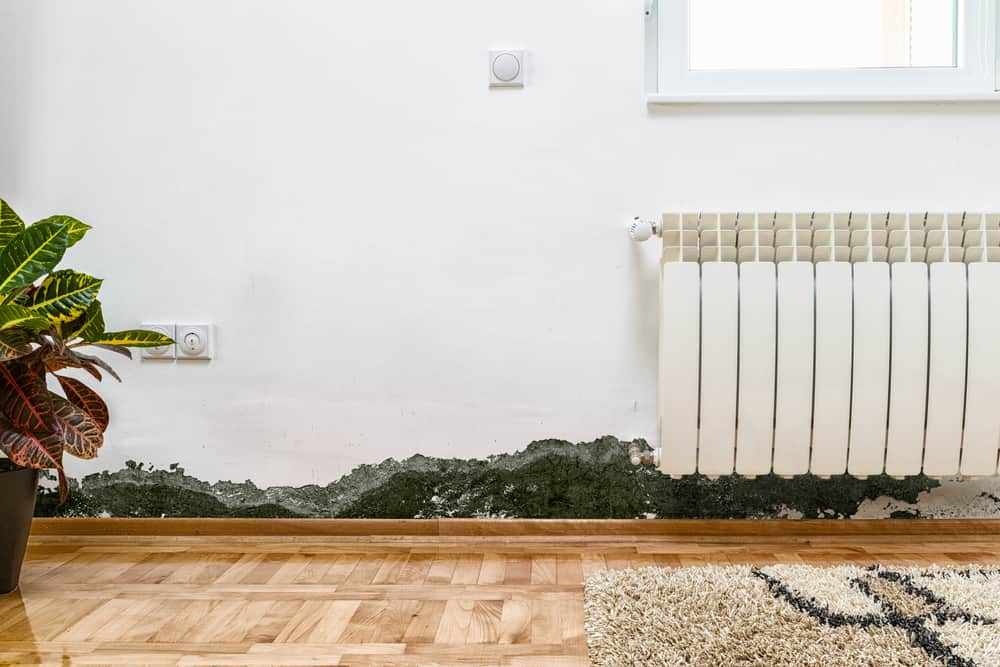
Most Central Islip homeowners who call us have already tried something bleach, a fan, maybe a dehumidifier. And for a while, it seems fine. Then it comes back, usually in the same spot, sometimes worse. That’s because surface treatment doesn’t address what’s feeding it. The moisture source a crack in a block foundation wall, clay soil holding water against your basement after every rainstorm, a crawl space with no vapor barrier that’s still there. Until that’s fixed, the mold isn’t gone. It’s just waiting.
When remediation is done right, you stop managing a recurring problem and start living in a house that doesn’t make you worry. No more musty smell when you walk downstairs. No more wondering if your kid’s cough has something to do with what’s growing behind the drywall. For families in Central Islip’s older neighborhoods where homes sit on clay-heavy soil that stays saturated long after a rain and groundwater runs close to the surface near the Connetquot River that peace of mind isn’t a luxury. It’s the whole point.
Your home’s value matters too. Median home values in Central Islip have climbed to around $472,540. Mold discovered during a real estate inspection and they always find it can kill a deal or drop your price fast. Proper remediation, backed by post-remediation verification, gives you documentation that the problem was resolved correctly. That matters whether you’re staying put or planning to sell.
Certified Mold Remediation Company Central Islip NY
We’ve been working in Suffolk County homes for approximately 31 years. That’s not a marketing number it means we’ve seen the specific moisture problems that come with Central Islip’s housing stock, its soil conditions, and its climate. The post-war homes near the Carleton Avenue corridor, the crawl-space properties throughout the residential neighborhoods between the Southern State Parkway and the LIE this isn’t unfamiliar territory.
What makes us different is where the licensing lives. Our owner Richard Peterson holds personal New York State licenses in both mold assessment and mold remediation. Not a company-level credential buried in paperwork his name, his license, his accountability on every job. Every technician on our team is IICRC-certified, which means the people entering your home have been individually trained and tested against the industry’s highest standard.
We’re also available around the clock. If a pipe bursts on a January night or a nor’easter pushes water into your basement over the weekend, someone answers.

Professional Mold Remediation Process Central Islip NY
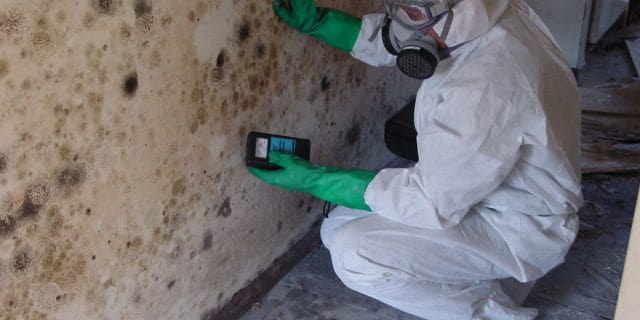
It starts with a thorough assessment not a quick walkthrough, but a real inspection that includes moisture mapping to find every source of water intrusion before anything is touched. In Central Islip homes, that often means checking foundation walls for micro-cracks from decades of freeze-thaw cycles, inspecting crawl spaces for dirt-floor moisture and failed vapor barriers, and looking at attic ventilation that may not have been adequate since the home was built. The assessment drives everything. If you don’t know what’s causing the moisture, you’re just treating symptoms.
Once the source is identified, containment goes up. Affected areas are isolated to prevent spores from spreading to clean parts of the home during the removal process. Mold-contaminated materials are removed, surfaces are treated with antimicrobial agents, and structural drying brings moisture levels down to where they need to be. Because New York State’s Article 32 mold law prohibits the same company from performing both the assessment and remediation on the same project, we operate in full compliance which protects you legally and ensures the process is handled with proper separation of scope.
The job isn’t finished when the crew leaves. Post-remediation verification independent air quality testing confirms that mold spore counts have returned to acceptable levels. You get documentation. Something you can show an insurance company, a home inspector, or a future buyer.
Ready to get started?
Black Mold Remediation Services Central Islip NY
We handle the full cycle from emergency response through final cleaning under one roof. That matters because most remediation companies stop when the structural work is done. They remove the contaminated material, treat the surface, and leave. Our integrated cleaning division means the job gets finished: every affected surface cleaned, every impacted area restored, one company accountable from start to finish. For a working family in Central Islip, that’s one less contractor to coordinate and one less thing to manage during an already stressful situation.
The scope of what’s covered depends on where the mold is and how far it’s gone. Basement mold remediation in Central Islip typically runs between $500 and $3,000 for surface-level contamination, and can exceed $10,000 when structural materials are involved which happens more often in older block-foundation homes where water has been infiltrating slowly for years. Attic mold remediation generally falls between $1,500 and $9,000 depending on attic size and how long the ventilation problem has gone unaddressed. Crawl space remediation runs $500 to $4,000 for most jobs, with encapsulation adding to that range when a vapor barrier needs to be installed. These aren’t fixed numbers they’re honest ranges based on what’s actually common in homes like the ones throughout Central Islip’s residential neighborhoods.
Black mold Stachybotrys requires enhanced containment and safety protocols, and it’s found more often than people expect in the area’s older homes. Aspergillus and Cladosporium are also common in Central Islip properties, driven by the humid summers and the moisture conditions that come with the local building stock. Whatever type you’re dealing with, the approach is the same: find the source, contain it, remove it correctly, verify it’s gone.
What causes mold to keep coming back in Central Islip basements?
The short answer is that the moisture source was never fixed. In Central Islip, the most common culprits are foundation wall cracks that have developed over decades of freeze-thaw stress, clay soil that holds water against the foundation long after a rain event, aging sump pumps that can’t keep up during a nor’easter, and downspouts that drain too close to the house. Mold needs moisture to survive. If you treat the mold but leave the moisture problem in place, you’re going to be dealing with it again usually within a season or two.
A proper remediation starts with moisture mapping, not mold removal. Every source of water intrusion gets identified before anything is touched. That’s the difference between a fix that holds and a fix that buys you a few months. If a company jumps straight to removal without walking you through what’s causing the moisture, that’s a red flag worth paying attention to.
How much does mold remediation cost in Central Islip, NY?
It depends on where the mold is and how far it’s spread. For most residential jobs in Central Islip, you’re looking at a range of $1,223 to $3,754, with a national average around $2,347. Basement remediation can run $500 to $3,000 for surface-level contamination but in older block-foundation homes where water has been slowly infiltrating for years, costs can exceed $10,000 when structural materials are affected. Attic mold remediation generally falls between $1,500 and $9,000 depending on attic size and how long the ventilation issue went unaddressed. Crawl space jobs typically run $500 to $4,000, with encapsulation adding to that when a vapor barrier needs to go in.
The honest answer is that you won’t know the real number until someone does a proper assessment. What you should watch out for is any company that gives you a firm quote before they’ve actually looked at the space or one that gives you a number so low it doesn’t account for containment, removal, and post-remediation verification. Those steps aren’t optional. They’re what separates a job done right from one you’ll be paying for again.
Does homeowner's insurance cover mold remediation in New York?
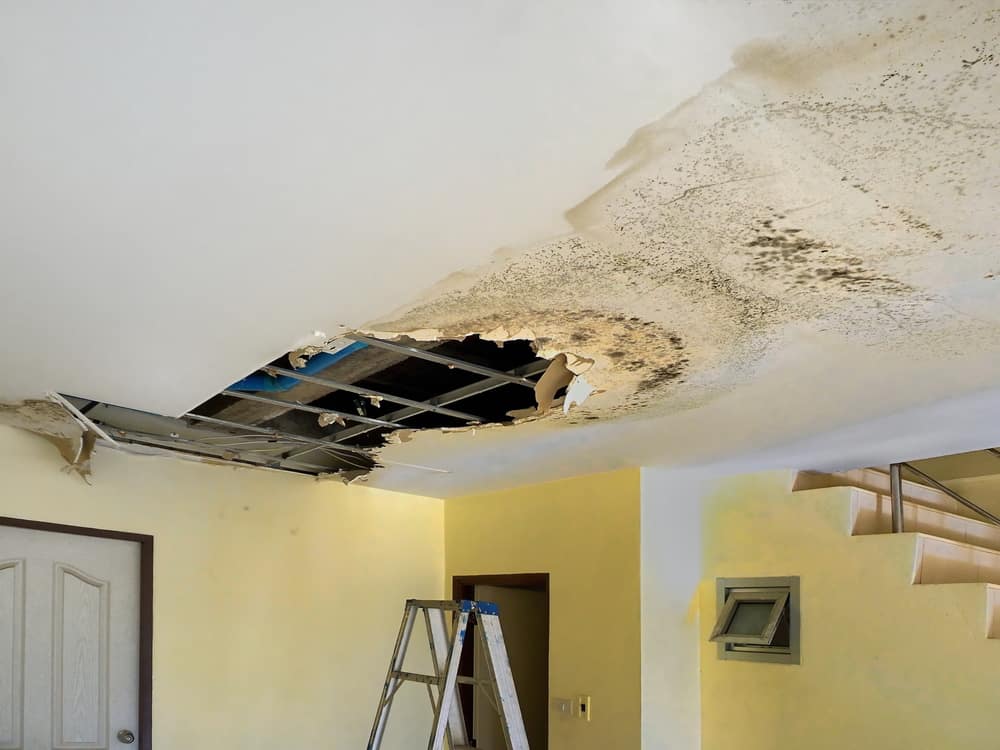
Sometimes and the distinction matters. In New York, homeowner’s insurance typically covers mold remediation when the mold resulted from a sudden and accidental event: a burst pipe, a roof leak from a storm, an appliance malfunction. What it generally won’t cover is mold that developed gradually due to a maintenance issue a slow leak that was ignored, chronic basement moisture, or poor ventilation that went unaddressed over time.
For Central Islip homeowners, this distinction is especially relevant because many of the moisture problems in the area’s older homes are slow-developing a foundation crack that’s been letting in water for years, or a crawl space that’s never had a proper vapor barrier. If you’re filing a claim, documentation is everything. We help you document the damage in the format insurers require and can walk you through what your coverage is likely to apply to. Getting that right upfront saves a lot of back-and-forth with the insurance company later.
How do I verify a mold remediation contractor's license in New York State?
New York State’s Article 32 mold licensing law, which took effect January 1, 2016, requires anyone performing mold assessment or mold remediation in New York to hold a valid state-issued license. This applies to the individual doing the work, not just the company. You can verify a contractor’s license through the New York State Department of Labor’s online license verification tool you’ll need the contractor’s name or license number to search.
This matters more than most homeowners realize. Unlicensed mold remediation is illegal in New York, and if you hire someone without a valid license, you may have limited legal recourse if the work is done incorrectly and your insurance claim could be denied. Richard Peterson, our owner, holds personal NYS licenses in both mold assessment and mold remediation. Those are verifiable. In a community that’s home to the Alfonse M. D’Amato Courthouse and the Cohalan Court Complex, legal compliance isn’t an abstraction it’s the baseline expectation for anyone doing business here.
Can I stay in my house during mold remediation?
It depends on the size of the affected area and where the mold is located. For smaller, contained jobs a section of a basement wall, a portion of a crawl space most homeowners can remain in the home as long as the affected area is properly isolated with containment barriers. The goal of containment is to prevent spores from becoming airborne and spreading to clean areas of the house during the removal process.
For larger jobs, or when the mold is in a high-traffic area like a main floor or HVAC system, temporarily relocating is the safer call especially if anyone in the home has respiratory sensitivities, asthma, or a compromised immune system. Given that approximately 25% of asthma attacks are triggered by mold exposure, this isn’t something to push through if there’s any doubt. We’ll give you a straight answer during the assessment about whether staying put is reasonable for your specific situation. There’s no benefit to telling you to leave if you don’t need to and no benefit to you staying if you shouldn’t.
What types of mold are most commonly found in Central Islip homes?
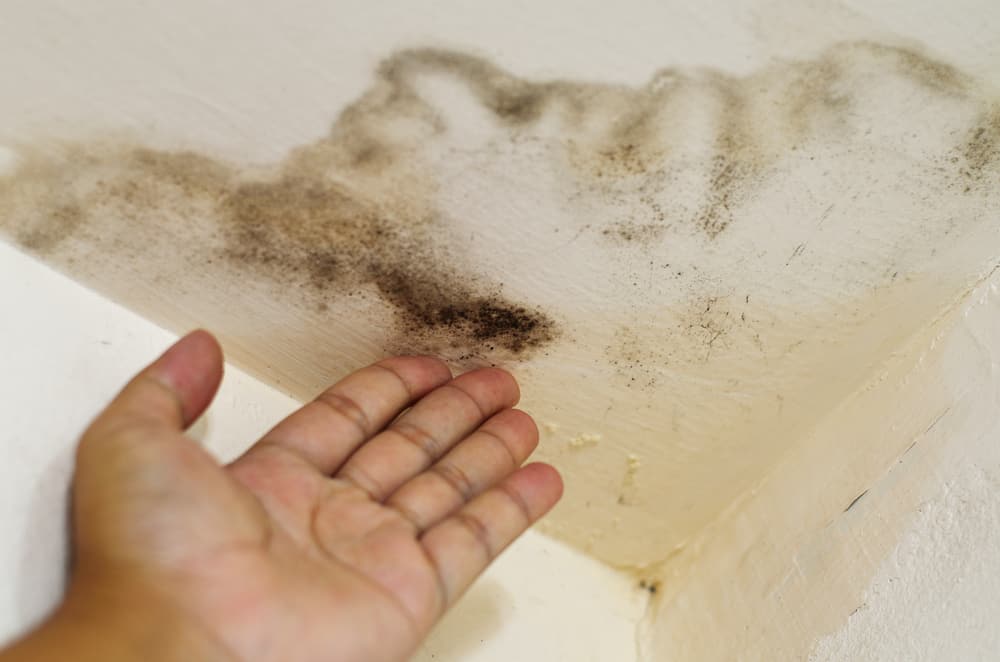
The three types that show up most often in Central Islip properties are Aspergillus, Cladosporium, and Stachybotrys the last one being what most people refer to as black mold. Aspergillus and Cladosporium thrive in the kind of humid conditions that Long Island summers consistently produce, and they’re commonly found in attics with poor ventilation, crawl spaces with dirt floors, and basements where moisture levels stay elevated. They’re not always visible they can grow inside wall cavities and behind finished surfaces without any obvious sign.
Stachybotrys is less common but more serious. It requires sustained, heavy moisture to develop the kind that comes from a long-term leak, chronic basement flooding, or a water intrusion event that wasn’t fully dried out. In Central Islip’s older homes, where aging cast iron plumbing and block foundations have had decades to develop slow leaks, the conditions for Stachybotrys are more common than most homeowners expect. It requires enhanced containment and safety protocols during removal. If you’re seeing dark, slimy growth in an area that’s been wet for a long time, don’t disturb it get a licensed assessment done first.
Useful Links
Other Services we provide in Central Islip