
Mold Remediation in Copiague, NY
Bay Air and Old Walls Are a Mold Problem Waiting to Happen
Hear from Our Customers
Certified Mold Remediation in Copiague, NY
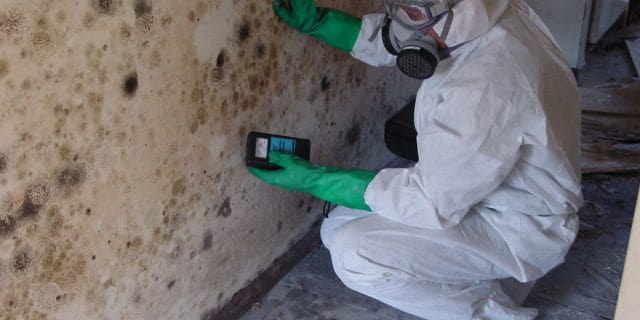
Mold doesn’t announce itself. It grows behind drywall, under flooring, in crawl spaces anywhere moisture collects and sits. By the time you smell it or see it, it’s usually been there a while. The good news is that professional mold remediation doesn’t just clean up what’s visible. We find the source, stop it, and restore the space so the problem doesn’t come back.
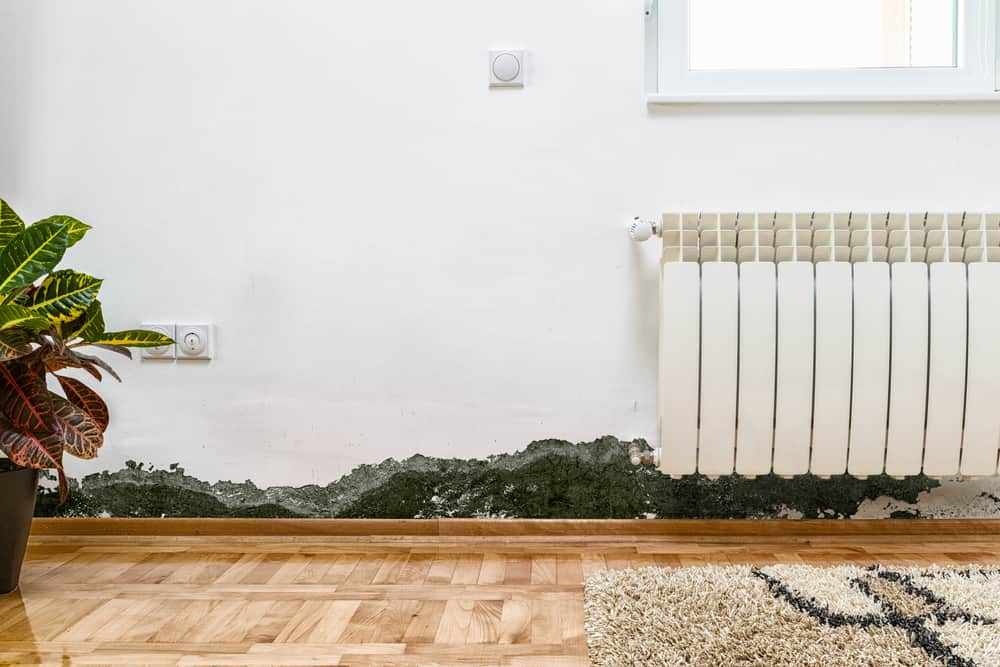
For homeowners in Copiague, that source is almost always tied to the geography. The Great South Bay drives ambient humidity well past the 60% threshold where mold starts growing especially from late spring through early fall. Homes in the American Venice canal neighborhood sit on land with chronically high water tables, and bay-adjacent properties in Copiague Harbor deal with tidal moisture that never fully goes away. These aren’t generic Long Island conditions. They’re specific to where you live, and they require remediation that accounts for them.
What changes after the work is done? The musty smell is gone. The air quality tests clean. You’re not wondering whether the discoloration on that basement wall is something to worry about. If you’re buying or selling, you have the clearance documentation to move forward. That’s what professional mold remediation actually delivers not just a cleaner house, but real peace of mind.
Mold Remediation Companies in Copiague, NY
We’ve been working on Long Island for approximately 31 years. That includes every storm cycle, every nor’easter, and the full aftermath of Hurricane Sandy which sent record flooding into the western Great South Bay and left a remediation legacy in South Shore communities like Copiague that’s still showing up in homes today.
Richard Peterson, our owner, holds personal New York State licenses in both mold assessment and mold remediation contracting under Article 32 of the Labor Law. That’s not a company credential sitting in a filing cabinet it’s his license, tied to his name, verifiable through the NYS Department of Labor. Every technician on our team carries individual IICRC certification, which means the people walking into your home have been trained and tested, not just supervised by someone who was.
From the older Marconiville homes north of the tracks to the canal-front properties in American Venice, we’ve worked in the full range of Copiague’s housing stock. We know what we’re walking into before we arrive.
Professional Mold Remediation Process in Copiague
It starts with a thorough assessment. Before anything is removed or treated, we identify where the moisture is coming from. In Copiague, that step matters more than most places groundwater infiltration, inadequate vapor barriers in older crawl spaces, and humidity pulling in from the bay are all common contributors. Skipping this step is why mold comes back after remediation. Finding the source first is what makes the fix permanent.
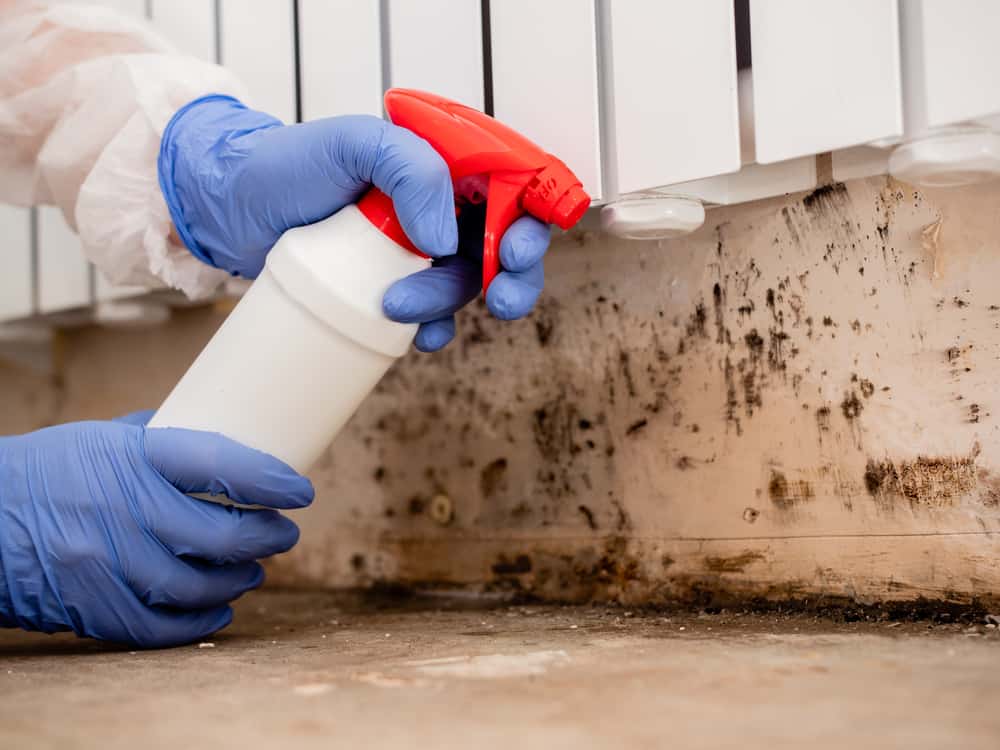
Once the source is identified, we contain the affected area to prevent spores from spreading to other parts of your home. Contaminated materials are removed, surfaces are treated with antimicrobial agents, and structural drying brings moisture levels down to where they need to be. Because we also operate an in-house cleaning division, the final cleanup debris, surface residue, odor is handled by the same team, under the same roof. You’re not coordinating with a second company to finish the job.
The last step is post-remediation verification. Independent air quality testing confirms that mold spore counts are back to normal, and you receive a clearance report documenting the results. For homeowners navigating an insurance claim or a real estate transaction in Copiague, that documentation isn’t optional it’s what closes the loop. New York State’s Article 32 licensing law applies to every job, and every step of this process is performed in full compliance with it.
Ready to get started?
Basement and Attic Mold Remediation in Copiague, NY
Mold shows up in different places depending on how your home is built and where it sits. In Copiague, the most common problem areas follow a predictable pattern. Basements and crawl spaces take the brunt of groundwater infiltration particularly in spring when snowmelt and rain push the water table higher, and in the wake of nor’easters that drive storm surge into bay-adjacent streets. Basement mold remediation typically runs between $500 and $3,000 for surface-level cases, and can reach $10,000 or more when structural framing and subfloor materials are involved.
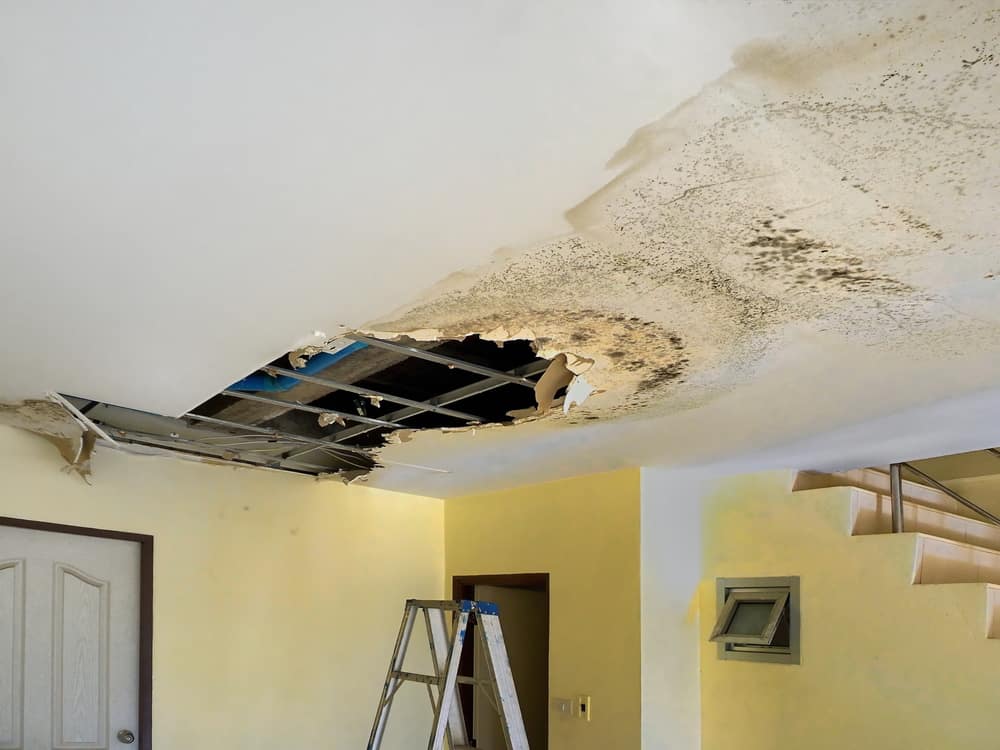
Attic mold remediation is its own category. During the summer humidity season, warm moist air from the bay interacts with cooler attic surfaces and creates the condensation that feeds mold growth. Homes in Marconiville many of which were built in the early 1900s with minimal attic insulation and ventilation are particularly susceptible. Attic remediation projects generally range from $1,500 to $9,000 depending on attic size and how far the contamination has spread.
Crawl space mold remediation is especially relevant for canal-front properties in American Venice, where the water table sits close to the surface year-round. Black mold remediation requires enhanced containment protocols regardless of location and proper species identification through professional assessment is the only way to know what you’re actually dealing with. We handle all of it, and mold damage repair drywall, framing, insulation is included in the full restoration scope when structural materials are affected.
How much does mold remediation cost in Copiague, NY for a typical home?
Most residential mold remediation projects in Copiague fall somewhere between $1,223 and $3,754. That range covers the majority of cases a moldy basement wall, a section of contaminated drywall, surface mold in a bathroom or utility area. Where costs climb is when structural materials are involved: floor joists, wall framing, subfloor decking. At that point, you’re looking at $5,000 to $10,000 or more depending on how far the damage has spread.
In Copiague specifically, a few factors tend to push projects toward the higher end of the range. Homes near the Great South Bay and the American Venice canals often have moisture problems that go deeper than the visible mold high water tables and chronic humidity mean the underlying conditions have usually been building for a while before anyone notices. The earlier you catch it, the more manageable the cost. Waiting until the smell is overwhelming or the discoloration is spreading almost always means a bigger scope. Getting a proper assessment done as soon as you suspect something is the most cost-effective move you can make.
What is the difference between mold remediation and mold removal in Copiague?
Mold removal is one step. Mold remediation is the complete process. Removal means physically taking out the contaminated material scrubbing a surface, cutting out drywall, bagging and disposing of what’s affected. That’s necessary, but it’s not enough on its own. If the moisture source that caused the mold is still active, the mold will come back. Sometimes within weeks.
Mold remediation includes identifying and correcting the moisture source, containing the affected area so spores don’t spread during the work, removing contaminated materials, treating surfaces with antimicrobial agents, drying the structure to appropriate moisture levels, and verifying through post-remediation air quality testing that the job is complete. In a coastal community like Copiague where bay humidity, groundwater infiltration, and aging plumbing systems are all contributing factors the source identification step is what separates a permanent fix from a temporary one. Any company that skips it is selling you half a solution.
Does homeowner's insurance cover mold remediation in Copiague, NY?
It depends on what caused the mold. Insurance typically covers mold remediation when it results from a sudden, accidental event that was already covered a burst pipe, an appliance leak, storm-related water intrusion. If the mold grew because of a slow leak that went unaddressed for months, or because of long-term humidity issues that weren’t maintained, most policies will not cover it.
For Copiague homeowners, this distinction matters in a specific way. Properties that experienced flooding during Hurricane Sandy in 2012 and were not fully remediated at the time may have ongoing mold issues that trace back to that event but more than a decade later, connecting current mold to a prior storm claim is complicated. If you’re dealing with recurring mold in a bay-adjacent or canal-front home, it’s worth having a professional assess the situation before you file anything, so you understand what you’re actually dealing with and how to document it correctly. We help customers navigate the documentation process and work with insurance companies on covered claims that’s part of the service, not an add-on.
How do I verify a mold remediation contractor is licensed in New York State?
New York State requires any contractor performing mold remediation to hold a valid license issued under Article 32 of the Labor Law, which has been in effect since January 1, 2016. You can verify any contractor’s license or confirm they don’t have one through the NYS Department of Labor’s public license lookup tool, available on their website. All you need is the contractor’s name or company name.
This matters more than most homeowners realize. Hiring an unlicensed contractor in Copiague isn’t just a legal risk for the contractor it can affect your insurance claim. If a remediation job was performed by an unlicensed operator and your insurer finds out, they have grounds to deny the claim entirely. The licensing requirement exists because improper remediation inadequate containment, missing the moisture source, skipping post-remediation verification can make a mold problem worse, not better. Richard Peterson holds personal NYS licenses in both mold assessment and mold remediation contracting. That’s verifiable, specific, and tied to his name not a company-level claim that’s hard to trace.
Why does mold keep coming back in my Copiague basement after I've already had it treated?
Recurring mold almost always means the moisture source was never corrected. The visible mold was cleaned up, but whatever was feeding it groundwater seeping through the foundation, a slow plumbing leak inside the wall, inadequate drainage around the perimeter of the house was left in place. With the moisture still present, mold regrows. It’s not a question of if, just when.
In Copiague, this is a particularly common scenario because the underlying moisture conditions are persistent. Homes near the bay and the canal network in American Venice sit on land where the water table is chronically elevated. Basements in this area aren’t just dealing with occasional flooding they’re dealing with moisture that pushes through foundation walls on a near-constant basis, especially in spring and after significant storms. Treating the mold without addressing the foundation’s moisture management is like mopping the floor while the faucet is still running. A proper remediation starts with moisture mapping identifying exactly where the water is coming from and doesn’t move to removal until that source is understood and a plan to correct it is in place.
When is the worst time of year for mold growth in Copiague, and what should I watch for?
Copiague has two distinct high-risk windows. The first is late spring through early fall, when Great South Bay humidity pushes ambient moisture levels well past the 60% threshold where mold begins to grow. Attics are especially vulnerable during this period warm, humid outdoor air interacts with cooler attic surfaces and creates the condensation that feeds mold growth. If your attic isn’t properly ventilated, summer in Copiague is when that problem develops fastest.
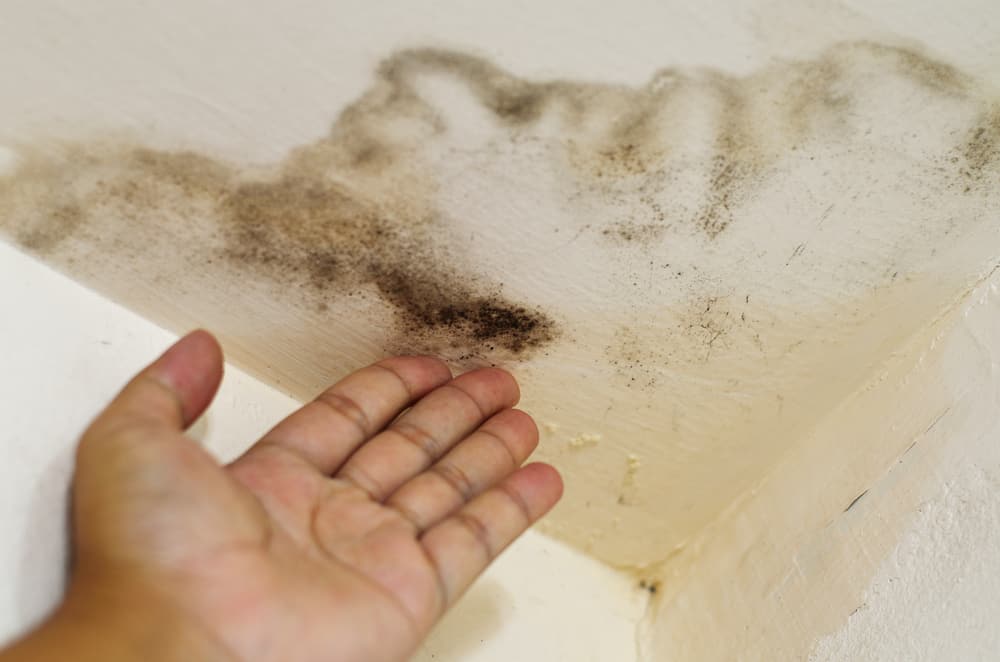
The second window is immediately after any significant storm event a nor’easter, a tropical storm, or a late-season hurricane. Copiague’s South Shore position makes it directly vulnerable to storm surge from the Great South Bay, and the 24-to-48-hour window between water intrusion and the start of mold growth is unforgiving. What to watch for: a musty smell that wasn’t there before, discoloration on basement walls or ceilings, condensation on windows or interior surfaces during humid months, and any visible dark spotting in areas that don’t dry out quickly. If your home flooded at any point including during Sandy in 2012 and you’ve never had a professional assessment done, that’s worth scheduling regardless of whether you’re currently seeing symptoms. Mold inside wall cavities and beneath flooring doesn’t always announce itself until it’s already a significant problem.
Useful Links
Other Services we provide in Copiague