
Mold Remediation in East Meadow, NY
East Meadow's Aging Homes Deserve More Than a Surface Fix
Hear from Our Customers
Basement Mold Remediation Nassau County
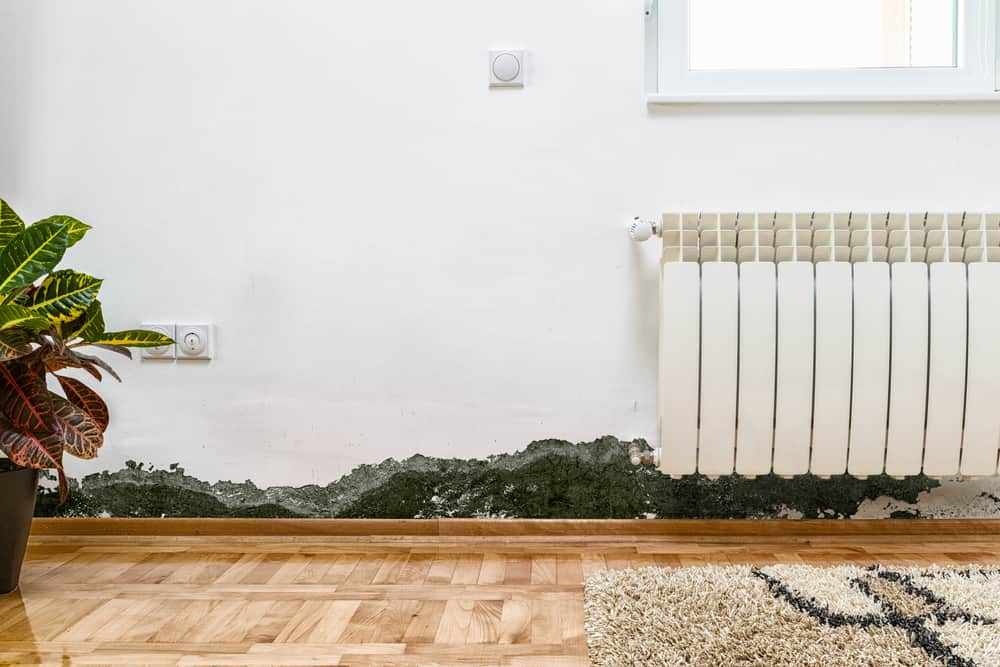
When mold is handled correctly, the difference isn’t subtle. The musty smell that hit you at the bottom of the stairs is gone. The discoloration on the basement wall isn’t coming back in six months. The air your family is breathing every day in your East Meadow home is clean not just cleaner.
For a community where more than 74% of homes were built between the 1940s and 1960s, this matters more than it might elsewhere. Those cape cods and ranches off Merrick Avenue and Carman Avenue were built before modern vapor barriers, before updated ventilation standards, before anyone was thinking about moisture management at the level we understand it today. Original basement waterproofing has long since failed in most of these homes. Crawl spaces were left unencapsulated. Attic ventilation was never designed to handle Long Island’s humid summers. These aren’t cosmetic issues they’re structural conditions that create the perfect environment for mold to quietly establish itself behind walls and under floors, sometimes for years before anyone notices.
Getting the mold out is one thing. Making sure the moisture source driving it is addressed is what actually protects your home and your family long term. With median home values in East Meadow approaching $650,000 to $685,000, and real estate taxes averaging over $10,000 a year, you have real equity on the line. A confirmed mold problem can cut a home’s resale value by 20% or more. That’s not a small number when you’re talking about a home worth two-thirds of a million dollars.
Certified Mold Remediation Companies East Meadow
First Response Restoration and Cleaning Inc. has been serving East Meadow and Nassau County homeowners for nearly three decades. Not as a franchise with a local-sounding name as an actual Long Island company that has been doing this work since before most of today’s national restoration brands had a location anywhere near the 516.
Every technician who comes to your East Meadow home holds individual IICRC certification. Not just the company every person on the crew. That’s a meaningful distinction in an industry where it’s common practice to certify the business entity while sending workers who haven’t completed the same training. When someone from First Response shows up at a home near Eisenhower Park or off Hempstead Turnpike, they know what they’re doing and they can prove it.
We also handle full reconstruction after remediation so if damaged drywall, insulation, or framing needs to come out, you’re not left coordinating a second contractor to put it back together. One call covers the whole job.
Professional Mold Remediation Process East Meadow
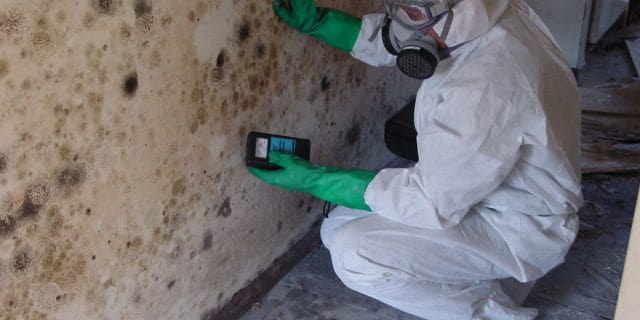
It starts with a thorough inspection not a flashlight and a verbal opinion, but a documented assessment that includes air testing, swab sampling, moisture level readings, and infrared imaging to detect mold hiding behind plaster walls and inside ceiling cavities. In East Meadow’s older homes, mold often lives in places you can’t see: inside wall cavities where ice dam water traveled last February, in attic insulation that never fully dried after a winter of poor ventilation, in crawl spaces that flood every spring. The inspection finds it all, and the written report with lab results is delivered within a few business days.
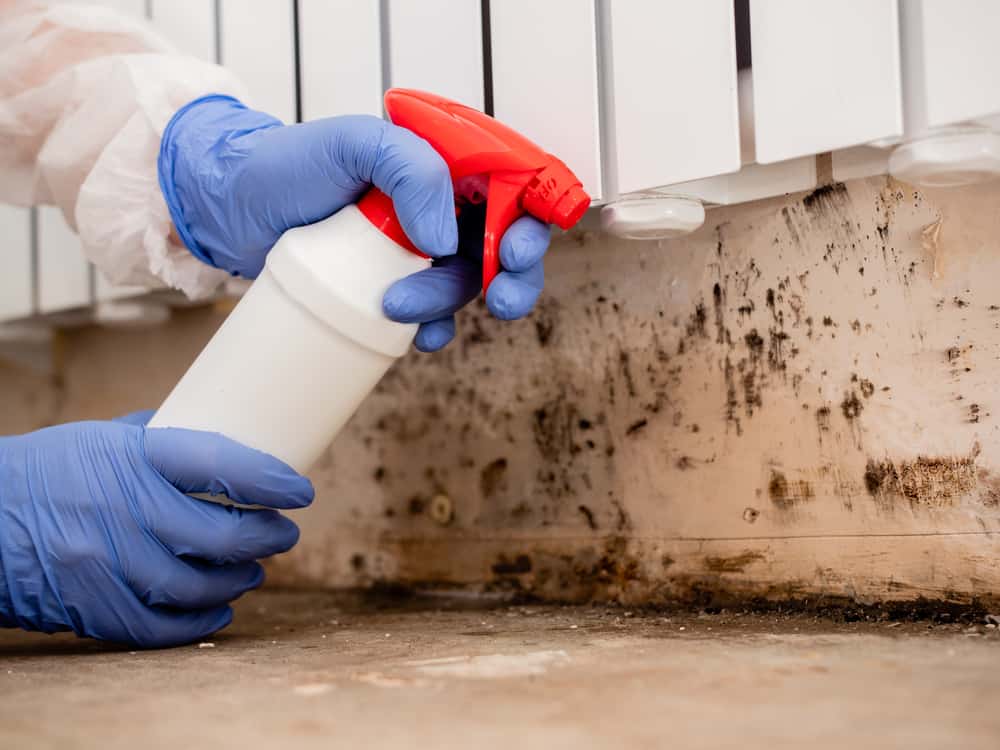
Once the scope is confirmed, remediation begins. Containment goes up to keep mold spores from spreading to unaffected areas of the home. Affected materials drywall, insulation, framing are removed where necessary and disposed of properly. HEPA air filtration runs throughout the process to capture airborne particles. Surfaces are treated and dried to industry standards, not just wiped down and called done.
One important thing to know: New York State law requires that the company conducting your mold assessment and the company performing your remediation be separate entities on the same project. This law exists because of a well-documented industry scam a company offers a free inspection, finds alarming mold everywhere, and then profits from the remediation. We comply fully with this regulation and will walk you through exactly what it means for your protection before any work begins. If your project involves structural repairs removing and replacing drywall or framing a permit through the Town of Hempstead Building Department may also be required, and our team will help you understand what applies to your specific job.
Ready to get started?
Emergency Mold Remediation Services East Meadow NY
Every job starts with a comprehensive 13-point inspection that covers air quality testing, surface sampling, moisture mapping, infrared imaging, and a full written report with lab results. You get documentation not just a verbal rundown because you need that paperwork for insurance claims, real estate transactions, and your own peace of mind. East Meadow’s real estate market moves fast, and buyers and sellers routinely encounter mold discoveries during home inspections. Having a professional written assessment on hand can be the difference between a deal closing and a deal falling apart.
Remediation covers the full scope: containment setup, physical removal of mold-damaged materials, HEPA air filtration, surface treatment, and drying. We also handle post-remediation clearance testing to confirm the space meets industry standards before the job is closed out. If reconstruction is needed new drywall, insulation, or structural repairs that’s handled in-house as well. You don’t need to find a separate contractor.
We’re available 24 hours a day, 7 days a week. Nor’easters, burst pipes, and basement floods don’t wait for business hours, and neither do we. Emergency calls to the Nassau County line at 516-698-1776 reach a live response not a voicemail, not a callback form. Insurance coordination is also part of the process: we provide the documentation your insurer needs and can help you navigate the claim so you’re not doing it alone.
What causes mold in East Meadow homes, and how common is it?
Mold is extremely common in East Meadow and the main reason is the age of the housing stock. More than 74% of homes in this hamlet were built between the 1940s and 1960s, and the building materials and construction methods of that era were never designed to manage moisture the way we understand it today. Original basement waterproofing membranes have long since degraded. Crawl spaces were typically left unencapsulated. Attic ventilation in cape cods and ranches from this period often doesn’t meet modern standards, which means moisture accumulates in those spaces over time.
Long Island’s climate compounds the problem. Summer humidity on Nassau County’s coast regularly exceeds 60% the threshold at which mold growth accelerates significantly. Add in the annual cycle of nor’easters, spring snowmelt, and ice dam events that push water behind soffits and into wall cavities, and you have conditions that make mold a near-inevitable issue in older homes that haven’t been proactively waterproofed and ventilated. The EPA recommends addressing any moisture event within 24 to 48 hours, because mold can begin establishing itself that quickly.
How much does mold remediation cost in East Meadow, NY?
The cost depends on where the mold is, how far it’s spread, and what materials need to be removed. For a typical residential job a section of basement wall, a portion of attic decking, or a contained bathroom issue you’re generally looking at somewhere between $1,200 and $4,000. More extensive infestations that require significant material removal and reconstruction can reach $6,000 to $15,000 or more.
In East Meadow specifically, basement and attic remediation jobs tend to be on the more involved end of the cost range, largely because of how these older homes are built. Plaster walls, older framing, and unencapsulated crawl spaces can complicate access and increase the scope of what needs to come out. The most accurate way to understand your cost is through a proper inspection with lab results not an estimate based on a quick visual walkthrough. If your homeowners insurance covers the water source that caused the mold, some or all of the remediation cost may be reimbursable, and we assist with the documentation your insurer will require.
Will mold come back after remediation in my Nassau County home?
It can but only if the moisture source driving the mold was never fixed. Mold is a symptom. The real problem is water intrusion, elevated humidity, or inadequate ventilation, and if those conditions aren’t addressed as part of the remediation, you’re likely to see mold return within months.
In East Meadow’s older housing stock, recurring moisture issues are common: basements that take on water every spring, attics that accumulate condensation through winter, crawl spaces that flood during nor’easters or heavy rain events. We identify and address the underlying moisture source as part of every job not just the visible mold. That might mean recommending waterproofing improvements, correcting ventilation issues in the attic, or encapsulating a crawl space. The remediation itself removes the existing mold. Fixing the conditions that allowed it to grow is what keeps it from coming back.
Does New York State law affect how mold remediation works in East Meadow?
Yes, and it’s worth understanding before you hire anyone. New York State passed a mold law in 2016 that requires the company conducting your mold assessment the inspection and testing to be a separate entity from the company performing the remediation on the same property. Any mold remediation project covering more than 10 square feet must be performed by a licensed mold remediation contractor.
This law exists because of a widespread industry practice where a company would offer a free inspection, find alarming mold everywhere, and then profit from the remediation with no independent check on whether the scope was accurate. The separation requirement protects you from that scenario. It also means you should be cautious of any company that offers to both test and remediate your home under a single contract. We comply fully with New York State’s mold licensing requirements and will explain exactly how this affects your specific project before any work begins. If structural repairs are involved, a permit through the Town of Hempstead Building Department may also apply.
How do I know if I have black mold in my East Meadow basement or attic?
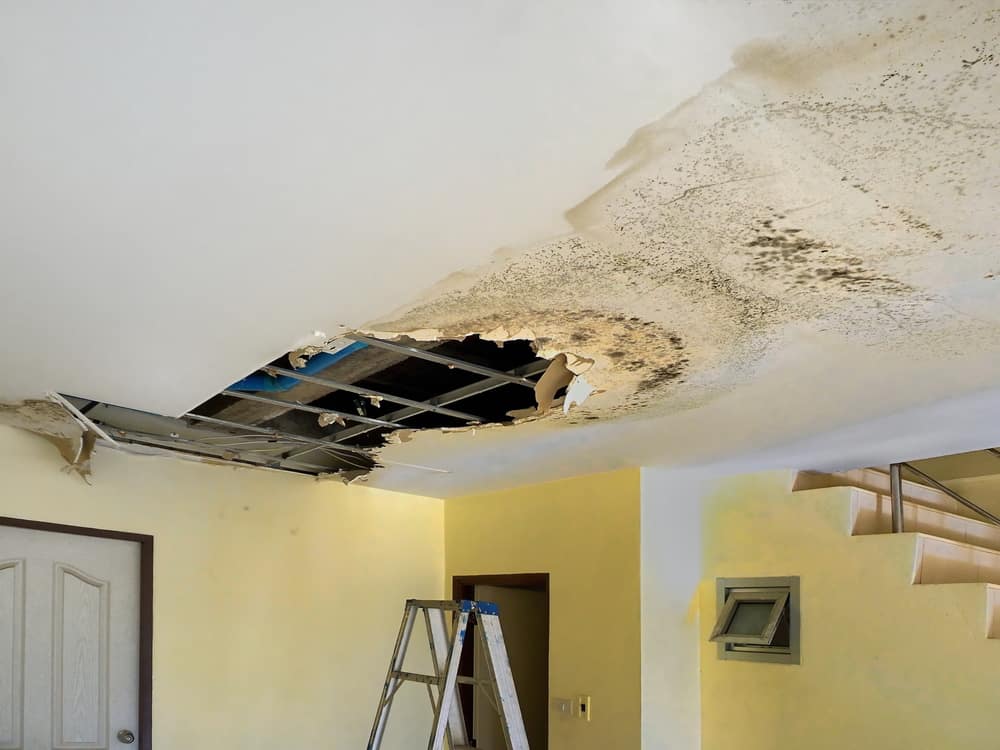
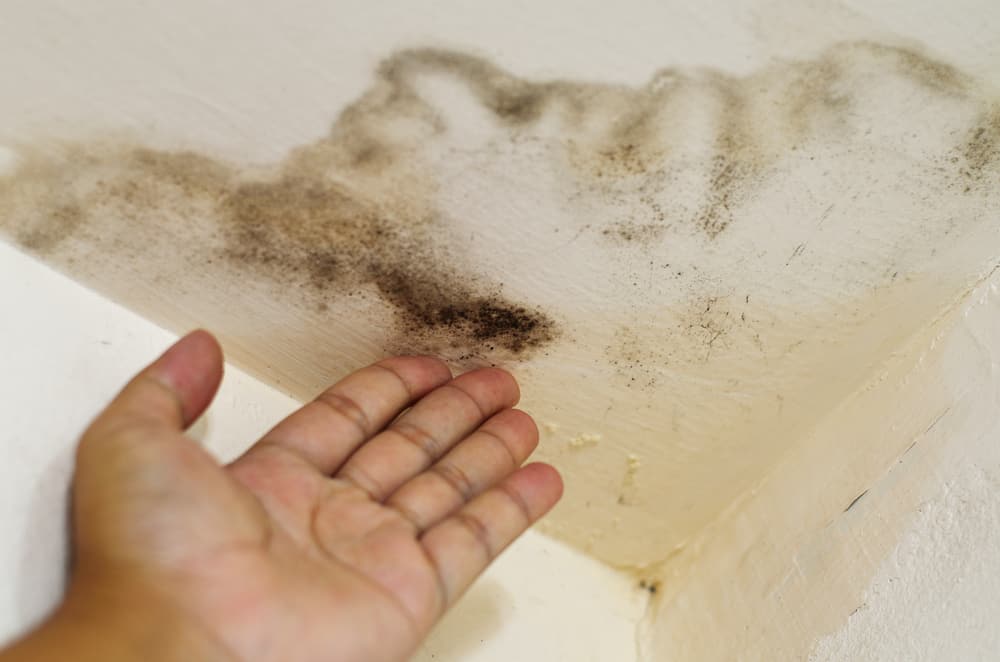
The most common signs are a persistent musty smell, visible dark discoloration on walls, ceilings, or framing, and unexplained respiratory symptoms or allergic reactions in household members particularly in children or older adults. In East Meadow’s older homes, black mold most often shows up in basements that have taken on water, attic spaces with inadequate ventilation, and wall cavities where ice dam water entered during winter and was never properly dried out.
The challenge is that mold frequently grows in places you can’t see. It can be well established inside a wall cavity or beneath attic insulation long before it becomes visible. A musty smell without visible growth is often a sign that mold is present but hidden. The only way to know for certain and to understand the full scope is through a professional inspection that includes air quality testing and infrared imaging, not just a visual assessment. A written lab report gives you documentation you can rely on, whether you’re dealing with an insurance claim, a real estate transaction, or simply trying to understand what’s happening in your home.
Can I stay in my East Meadow home during mold remediation?
In most cases, yes but it depends on the location and scale of the mold problem. For contained jobs, like a section of basement wall or a localized area in a bathroom or utility room, most families can remain in the home while work is underway, as long as the affected area is properly contained and HEPA air filtration is running throughout the process. The containment barriers that go up before remediation begins are specifically designed to prevent mold spores from migrating into the rest of the living space.
For larger-scale jobs whole-attic remediation, extensive basement infestations, or situations where mold has spread across multiple areas of the home temporary relocation may be the more practical and safer choice, especially if there are young children, elderly family members, or anyone with respiratory sensitivities living in the home. East Meadow’s significant population of residents over 65 means this is a real consideration for many households here. The inspection and assessment process will give you a clear picture of the scope before any work begins, so you can make an informed decision about whether staying or leaving makes more sense for your specific situation.
Useful Links
Other Services we provide in East Meadow