
Mold Remediation in East Quogue, NY
Tiana Bay Air Is Beautiful. What It Does to Your Home Is Not.
Hear from Our Customers
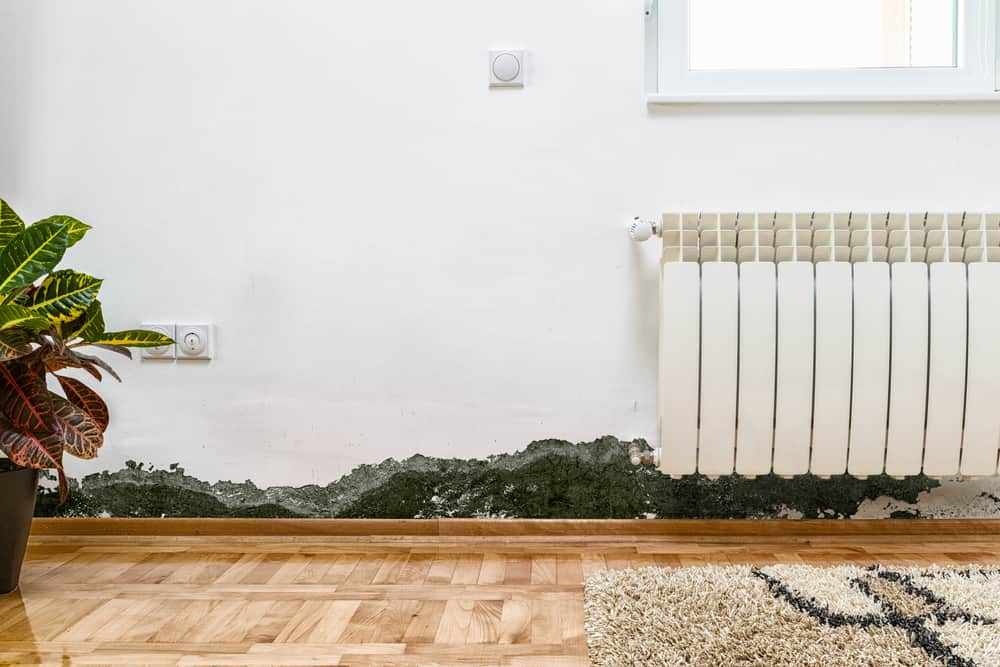
East Quogue Mold Damage Repair
There’s a version of your East Quogue home where the musty smell is gone, the crawl space isn’t a liability, and you’re not dreading what a home inspector might find. That’s not an exaggeration it’s what a properly completed mold remediation actually looks like. Not surface treatment. Not a coat of paint over discoloration. The real thing.
For homes along Tiana Bay and Weesuck Creek, the moisture never fully stops. Sandy soil, a high water table, and onshore humidity from the South Fork mean your crawl space and lower-level framing are under pressure year-round. When we complete remediation the right way, you’re not just removing what’s visible you’re cutting off the conditions that let mold establish itself in the first place.
If you’re heading into a real estate transaction, that matters even more. Mold history can reduce a home’s value by 20 to 37 percent, and about half of buyers walk away the moment it comes up. In a market where East Quogue homes regularly approach or exceed a million dollars, a documented, properly completed remediation with a clearance report isn’t optional it’s the difference between a clean closing and a deal that falls apart.
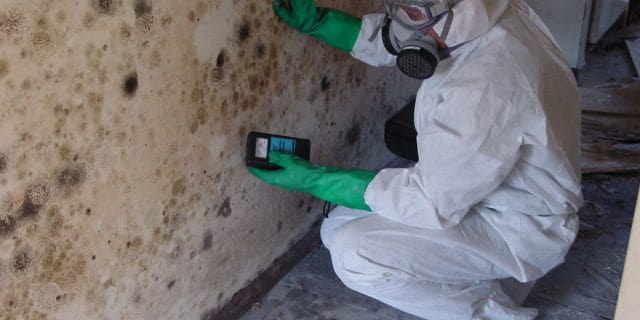
Certified Mold Remediation East Quogue NY
We’ve been working in Long Island homes since before most of the competitors in this market existed. Owner Richard Peterson holds personal New York State licenses in both mold assessment and mold remediation contracting the dual credential required under NYS Article 32. You can look that license number up through the NYS Department of Labor. We’re not asking you to take our word for it.
Every technician on our team is IICRC-certified individually. That’s not a company-wide badge it means every person who enters your home has been formally trained and tested against the industry’s highest standard. That matters when the work involves your family’s health and a property worth what East Quogue homes are worth.
We’ve been in this area through post-Sandy remediation surges, through nor’easters that pushed bay water into Marine Park and surrounding neighborhoods, and through every seasonal pattern that makes South Fork homes uniquely vulnerable. This isn’t a market we’re new to.
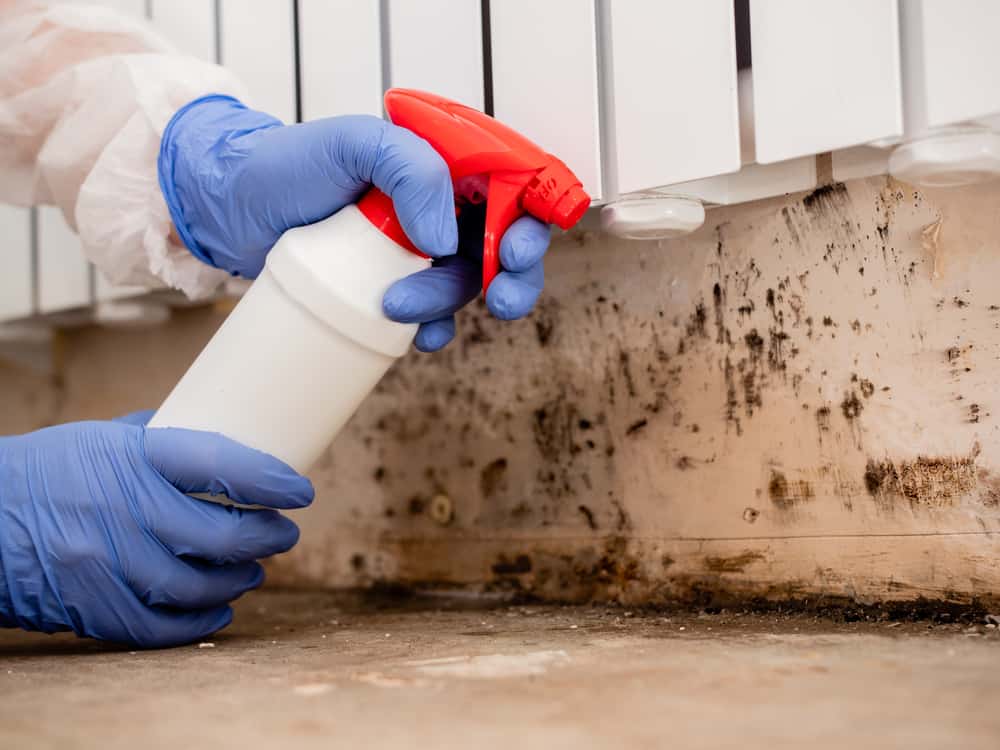
Professional Mold Remediation Process East Quogue
It starts with finding where the moisture is actually coming from not just where the mold is visible. In East Quogue, that step matters more than almost anywhere else on Long Island. Crawl spaces built over sandy, high-water-table soil behave differently than those in inland communities. Attics above heavily air-conditioned coastal homes accumulate condensation in patterns that aren’t obvious without moisture mapping. We locate the source before anything gets removed, because treating mold without treating the cause just means you’re doing this again in a year.
Once the source is identified, we establish containment to keep spores from spreading to unaffected areas of your home. Mold-contaminated materials are removed, affected surfaces are treated, and the space is dried and stabilized. For homes in FEMA flood zones along Tiana Bay or Dune Road, we document everything in the format your insurance company needs whether that’s a standard homeowner’s policy or an NFIP flood policy.
The final step is post-remediation verification. Independent air quality testing confirms that spore counts are back to normal, and you receive a written clearance report. That report is what satisfies home inspectors, buyers’ attorneys, and insurance adjusters. It’s also what tells you the job is actually done not just that visible mold was removed from surfaces someone could reach.
Ready to get started?
Basement and Crawl Space Mold Remediation East Quogue
The areas that create the most risk in East Quogue homes are almost always the ones homeowners see least. Crawl spaces beneath bay-adjacent and creek-side properties sit in some of the most moisture-saturated soil on Long Island. When vapor barriers fail or groundwater rises after a storm, mold moves into floor joists, subfloor framing, and insulation fast and it doesn’t stop there. We handle full crawl space mold remediation including encapsulation when the conditions call for it, which in this area, they often do.
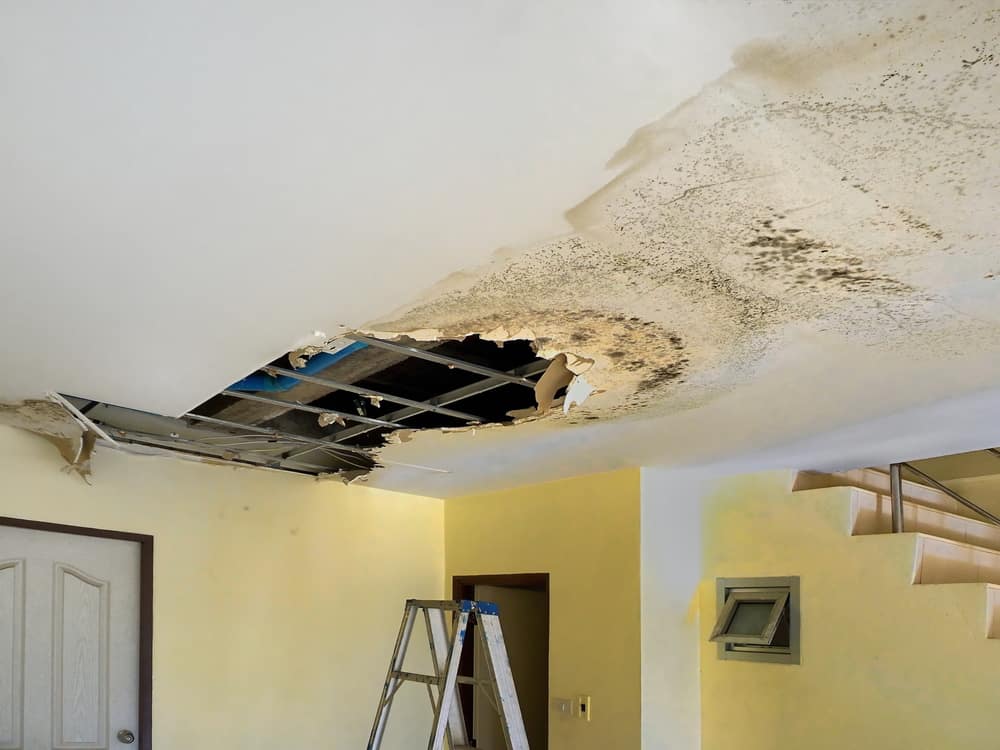
Attic mold is the other major issue in this market. Coastal humidity combined with heavy air conditioning use creates the condensation conditions that let mold take hold on roof decking and rafters often discovered during a home inspection when the property is already under contract. Basement and lower-level mold remediation is also a core part of what we do, particularly for homes that experienced flooding during storm events. East Quogue properties in and around the Oakville section, Pine Neck, and the Marine Park area have all dealt with post-storm water intrusion that, when not addressed within 24 to 48 hours, creates serious mold problems.
Because we also operate a cleaning division, we take the job through to completion remediation, structural drying, and final cleaning under one company. You’re not coordinating two vendors or getting handed off mid-project.
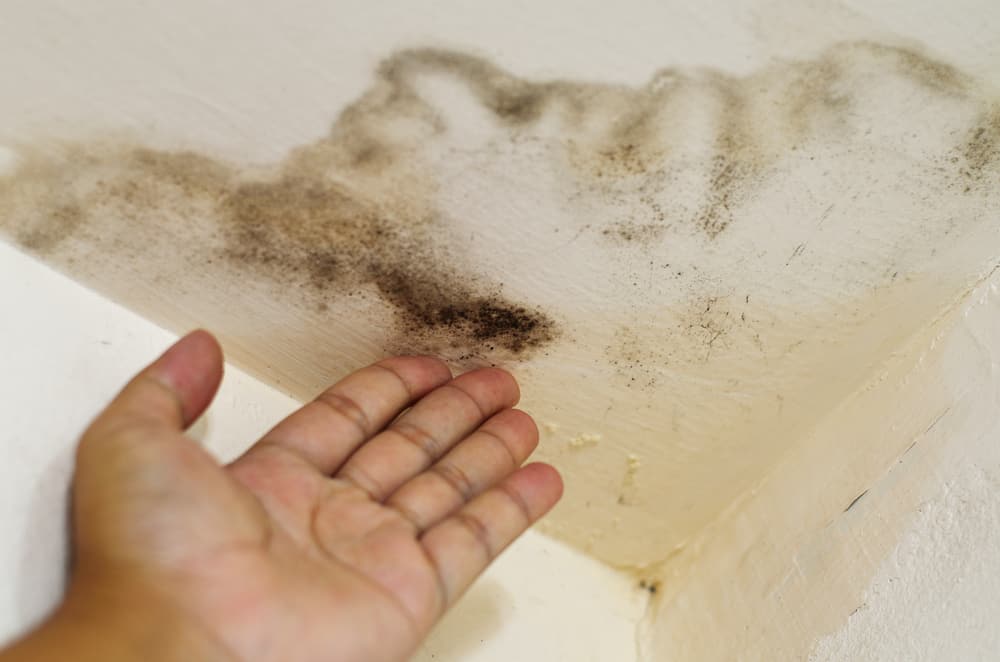
Is mold common in East Quogue homes, and what causes it?
Yes and the reasons are specific to this area. East Quogue sits between Tiana Bay and Weesuck Creek on sandy, porous soil with a high water table. Onshore humidity from the South Fork keeps ambient moisture elevated for a large portion of the year, particularly from late spring through early fall. Those conditions push moisture into crawl spaces, attics, and lower-level framing in ways that don’t apply to inland Suffolk County communities.
There’s also a seasonal occupancy factor that’s unique to this market. A significant number of East Quogue properties are used seasonally or as second homes, which means they sit unoccupied for months at a time often with reduced heat, no active dehumidification, and no one present to catch a leak or notice condensation buildup. Mold can establish and spread significantly over a single winter in a closed-up coastal home. Returning owners who open their properties in spring are among the most common mold discovery scenarios we see in this area.
What does mold remediation cost in East Quogue, NY?
The honest answer is that cost depends on where the mold is, how far it’s spread, and what’s involved in correcting the moisture source. For most residential projects, professional mold remediation runs between roughly $1,200 and $4,000. Crawl space remediation typically falls between $500 and $4,000, though encapsulation which is often the right long-term answer for East Quogue’s high-water-table properties can push that higher. Attic mold remediation generally ranges from $1,500 to $9,000 depending on the size of the space and how much material is affected.
What drives cost up is scope how long the mold has been growing, how many structural materials are involved, and whether containment needs to be extensive. In East Quogue, where homes regularly carry values approaching or exceeding a million dollars, the more relevant question is usually what it costs not to address it. Mold history without proper documentation can reduce a home’s resale value by 20 to 37 percent. Getting it done right the first time, with a clearance report, is almost always the better financial decision in this market.
What is the difference between mold remediation and mold removal?
Mold removal typically refers to cleaning or treating visible mold on surfaces wiping it down, applying a biocide, painting over it. It addresses what you can see. Mold remediation is the full process: identifying the moisture source, establishing containment so spores don’t spread during the work, removing contaminated materials, treating affected surfaces, drying and stabilizing the space, and then verifying through air quality testing that spore counts have returned to normal levels.
The distinction matters a lot in East Quogue specifically. If you have mold in a crawl space or attic and someone treats the visible growth without fixing the moisture source, you’ll have mold again within a season sometimes faster. Coastal humidity doesn’t stop. The water table doesn’t drop. Surface treatment in a persistently wet environment is a temporary fix at best. Proper remediation addresses the underlying condition so the problem doesn’t come back, and the clearance report at the end gives you documented proof that it was done correctly which matters for insurance, for real estate transactions, and for your own peace of mind.
Does homeowner's insurance cover mold remediation in East Quogue, NY?
It depends on what caused the mold. Most standard homeowner’s policies will cover mold remediation when it results from a sudden, covered event a burst pipe, storm-related water intrusion, or similar. They typically don’t cover mold that developed from long-term moisture issues, poor ventilation, or deferred maintenance. For East Quogue homeowners in FEMA-designated flood zones along Tiana Bay, Weesuck Creek, or Dune Road who also carry National Flood Insurance Program policies, the question of which policy applies and what documentation each requires adds another layer of complexity.
We help customers work through that. We document damage in the format insurers require, provide the detailed scope of work needed for claims, and assist with the process so you’re not navigating it alone. If you’re unsure what your policy covers, the best first step is to call your insurer and ask specifically about mold resulting from the event that caused your damage and then call us so we can make sure the documentation supports your claim from the start.
How do I know if a mold remediation contractor in East Quogue is actually licensed?
New York State requires individual licensure for mold assessors, remediation contractors, and abatement workers under Article 32 of the Labor Law, which has been in effect since January 1, 2016. That means the person doing the work or the contractor overseeing it needs a valid, state-issued license. You can verify any contractor’s license through the NYS Department of Labor’s online licensing portal. It takes about two minutes and gives you confirmation that the person is legally authorized to perform this work in New York.
This matters beyond just compliance. If mold remediation is performed by an unlicensed contractor, your insurance company may deny the related claim. If you’re selling your home, an unlicensed remediation may not satisfy the documentation requirements that buyers’ attorneys and home inspectors expect. Richard Peterson, our owner, holds personal NYS licenses in both mold assessment and mold remediation contracting. We’ll give you the license number. Look it up.
Can mold in my East Quogue crawl space spread to the rest of the house?
Yes, and it happens faster than most homeowners expect. Crawl spaces aren’t sealed off from the rest of the home air moves between them and the living space above through gaps in framing, around plumbing penetrations, and through HVAC systems. When mold is actively growing in a crawl space, spores circulate upward into the rooms above. Over time, that affects air quality throughout the home, not just in the crawl space itself.
In East Quogue, crawl space mold is particularly common because of the combination of sandy soil, high groundwater, and the persistent coastal humidity that comes with being situated between Tiana Bay and Weesuck Creek. Properties that have been closed up for a winter season are especially vulnerable moisture accumulates, vapor barriers degrade, and mold establishes itself in floor joists and subfloor framing before anyone is there to notice. Catching it early limits the scope and cost of remediation significantly. If you’ve noticed a musty smell in your living areas, or if your home has been unoccupied for an extended period, having the crawl space inspected is a reasonable and often overdue first step.
Useful Links
Other Services we provide in East Quogue