
Mold Remediation in East Shoreham, NY
North Shore Humidity Has a Way of Finding Your Home's Weakest Spot
Hear from Our Customers
Professional Mold Remediation East Shoreham, NY
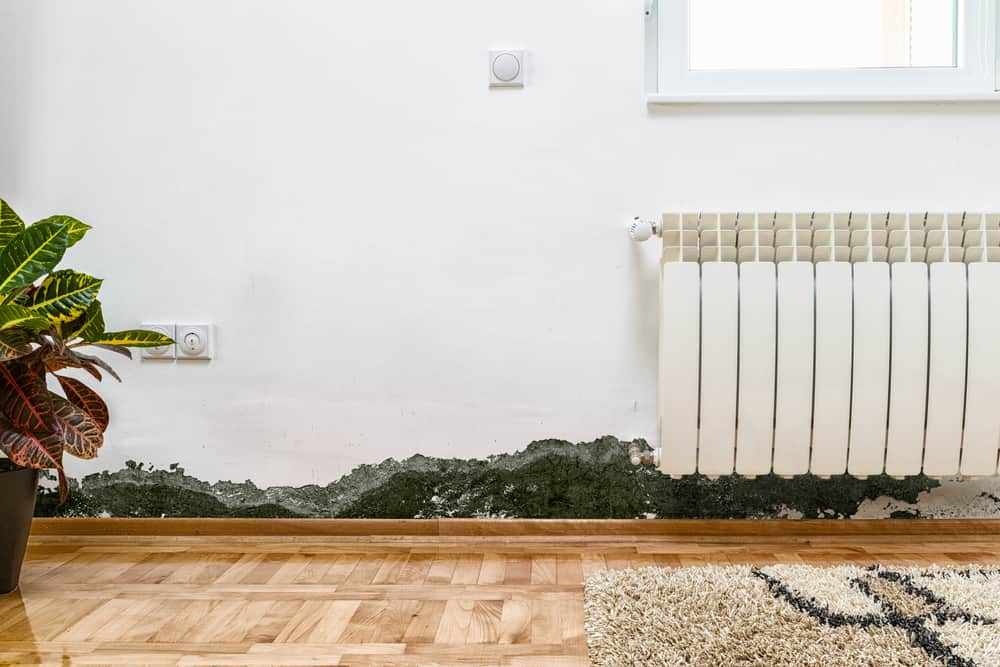
Living close to Long Island Sound means your home deals with ambient humidity levels that most inland communities never face. From late spring through September, the moisture in the air alone can push your indoor environment past the threshold where mold thrives especially in basements, crawl spaces, and attics that weren’t built with today’s moisture management standards in mind. When you get mold remediation done correctly, that cycle stops.
What correct looks like: the moisture source is identified and addressed before anything is removed. Not after. That distinction is what separates a permanent fix from a temporary one. East Shoreham’s older housing stock much of it built between the 1950s and 1980s wasn’t designed with vapor barriers or modern envelope sealing, which means water finds its way in through foundation walls, crawl space floors, and roof cavities. A remediation that skips the source is just cleaning. Real remediation is what keeps it from coming back six months later.
After the work is done, your air quality is verified with independent post-remediation testing not a verbal assurance, but documented clearance. That matters whether you’re staying put, planning to sell, or simply want proof that your family’s home is actually safe.
Certified Mold Remediation Companies East Shoreham, NY
We’ve been serving Suffolk County for approximately 31 years through nor’easters, storm seasons, and every variation of Long Island’s moisture problem that exists. Our owner, Richard Peterson, holds personal New York State licenses in both mold assessment and mold remediation under Article 32 of the Labor Law. Those aren’t company-level credentials they’re his, individually, and they’re verifiable through the NYS Department of Labor.
Every technician on our team is individually IICRC-certified, meaning the people doing the work inside your home have been formally trained and tested against the industry’s governing standard. That’s not standard practice across the board in this market it should be, but it isn’t.
East Shoreham and the surrounding North Shore corridor from Rocky Point to Wading River is exactly the kind of community we were built to serve. High-value homes, family-oriented neighborhoods, a school district that residents chose deliberately, and a community that doesn’t accept vague answers. Neither do we.
Mold Cleanup and Remediation Process East Shoreham, NY
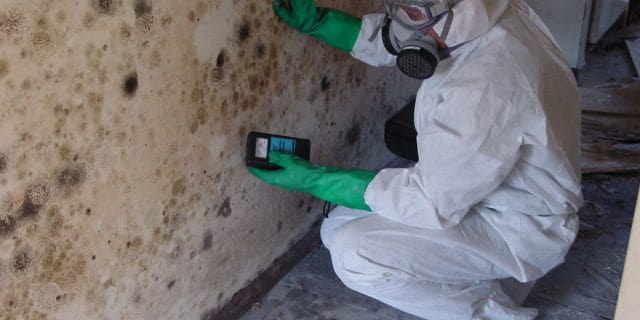
It starts with assessment and moisture mapping not just finding the mold you can see, but tracing where the moisture is coming from. In East Shoreham homes, that often means checking basement wall seepage from hydrostatic pressure, crawl space floors without adequate vapor barriers, or attic cavities where Long Island Sound humidity has been quietly accumulating behind inadequate ventilation. Once the source is identified, that gets addressed first.
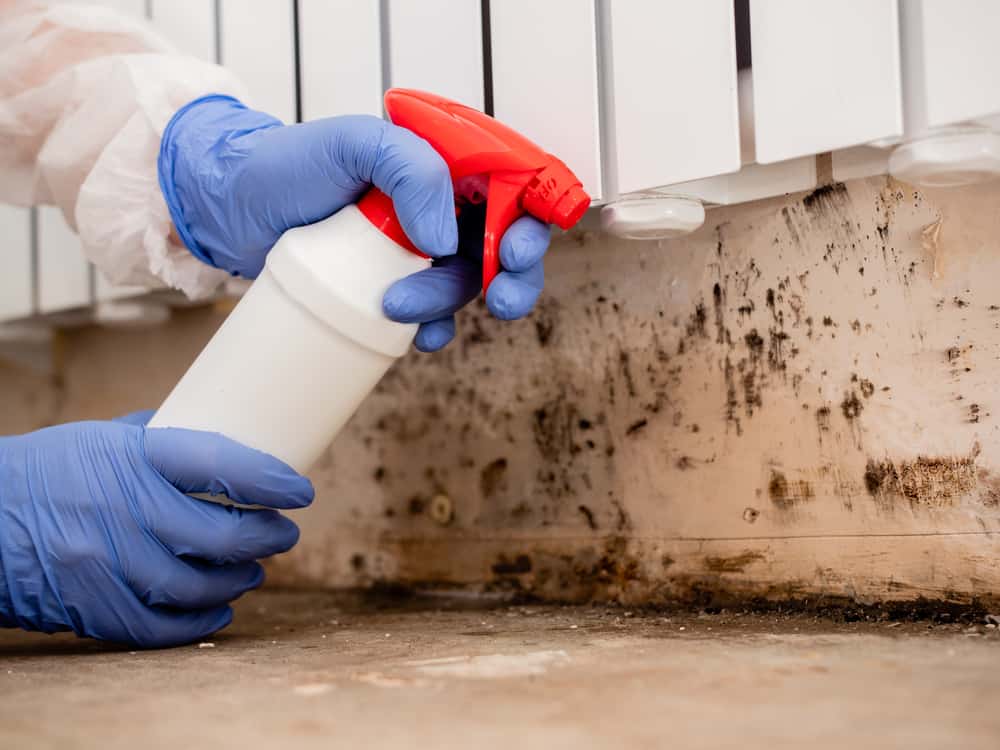
From there, the affected area is contained using polyethylene barriers and negative air pressure systems this keeps mold spores from spreading to unaffected parts of your home during the removal process. Contaminated materials are removed, surfaces are HEPA-vacuumed, and EPA-registered antimicrobial treatment is applied. Structural drying follows, and then a full cleaning of all affected surfaces and contents. If your situation involves an insurance claim which is common after storm-related water intrusion in this area the damage is documented in the format your insurer needs.
The final step is post-remediation air quality testing. Independent testing confirms that mold spore counts have returned to normal levels, and you receive written clearance documentation. That’s your proof for your own peace of mind, for your insurer, or for a future buyer if you ever sell. Under New York State’s Article 32 law, mold remediation contractors are required to be licensed, and depending on the scope of structural repairs involved, the Town of Brookhaven’s building department may require permits something we walk you through from the start.
Ready to get started?
Basement and Attic Mold Remediation East Shoreham, NY
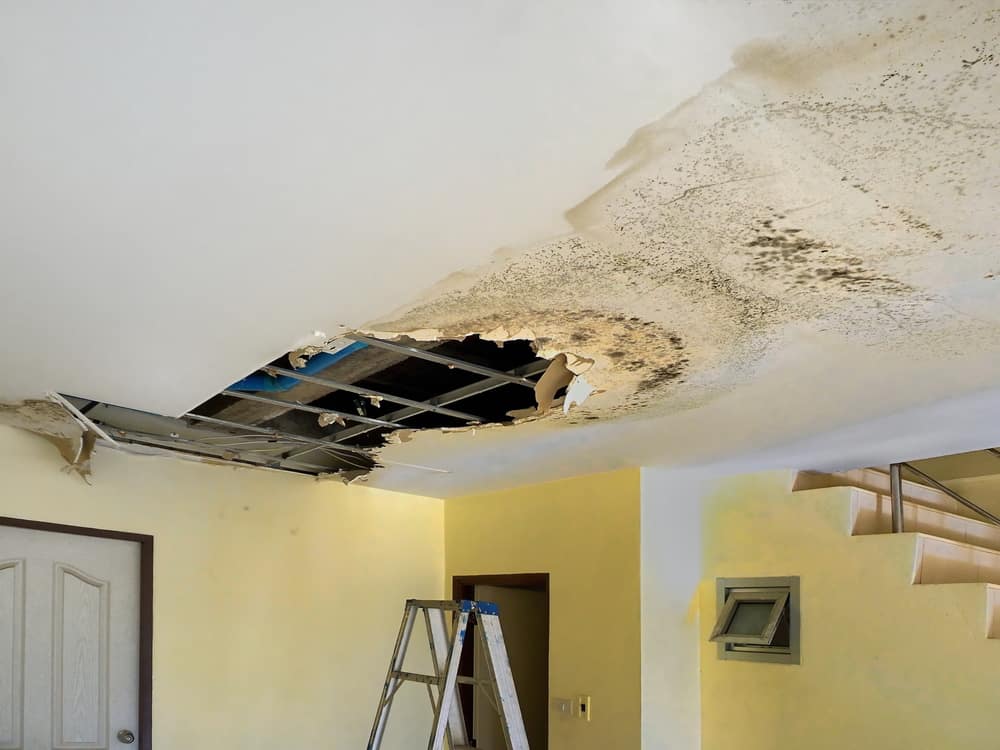
Mold remediation in East Shoreham isn’t a one-size situation. The specific problem depends on where the moisture is getting in and what it’s touched along the way. Basement mold is common in the area’s post-war homes, where below-grade concrete block foundations absorb groundwater and create the damp conditions mold needs. Crawl space mold remediation is particularly relevant in the ranch-style and split-level homes throughout the 11786 ZIP code crawl spaces are hard to ventilate, often sit close to the water table, and rarely have adequate vapor barriers in older construction. Attic mold remediation is a consistent issue on the North Shore, driven by summer humidity from Long Island Sound and winter ice dams that force water under shingles and into the attic cavity.
Black mold remediation requires additional containment protocols and careful handling if testing confirms Stachybotrys or another toxigenic species, the process is more involved, and that’s reflected in the scope and documentation. Emergency mold remediation is available around the clock, because the 24-to-48-hour window between water intrusion and active mold growth doesn’t align with business hours especially after the kind of storm events that regularly hit the North Shore corridor between Rocky Point and Wading River.
For most residential projects in this area, mold remediation costs fall between $1,223 and $3,754, with attic remediation ranging from $1,500 to $9,000 and crawl space remediation from $500 to over $6,000 when encapsulation is needed. We provide written estimates with clear scope no vague quotes, no scope creep surprises.
Does mold remediation in East Shoreham require a permit from the Town of Brookhaven?
It depends on the scope of work. The mold remediation process itself containment, removal, antimicrobial treatment, drying typically doesn’t trigger a building permit requirement on its own. However, if the remediation involves structural repairs, such as replacing sections of drywall, framing, or modifying HVAC components, the Town of Brookhaven’s building department may require a permit for that portion of the work.
We walk you through this before the job starts, not after. East Shoreham falls under Brookhaven Town jurisdiction, and the permitting requirements there are specific to the type and extent of structural involvement. Getting that clarified upfront protects you from compliance issues down the line especially if you’re planning to sell the home and need a clean record of permitted work.
How much does mold remediation typically cost for a home in East Shoreham, NY?
For most residential projects, professional mold remediation runs between $1,223 and $3,754. That range covers the majority of basement and crawl space situations in East Shoreham’s older housing stock. Attic mold remediation which is one of the more common calls on the North Shore due to Long Island Sound humidity and ice dam activity in winter typically runs $1,500 to $9,000 depending on how far the growth has spread and whether structural materials need to come out. Crawl space remediation ranges from $500 to over $6,000 when encapsulation is part of the solution.
What drives cost up or down is mostly scope: how large the affected area is, what materials are involved, whether the moisture source requires structural correction, and whether post-remediation testing and documentation are needed. We provide written estimates that break this down clearly before any work begins. There are no vague quotes and no scope surprises once the job is underway.
What is the difference between mold remediation and mold removal?
Mold removal typically refers to cleaning visible mold off surfaces wiping it down, spraying it with something, and calling it done. Mold remediation is a more complete process: it identifies the source of moisture driving the growth, contains the affected area to prevent spore spread, removes contaminated materials where necessary, treats surfaces with EPA-registered antimicrobials, dries the structure, and verifies through air quality testing that the mold is actually gone.
The reason this distinction matters in East Shoreham specifically is that the conditions driving mold here coastal humidity, aging foundations, inadequate crawl space ventilation don’t go away on their own. If you remove the mold without addressing what caused it, you’re looking at the same problem again in a matter of months. Remediation, done correctly, breaks that cycle. It’s also what your insurance company and any future home buyer will want documented proof of not just that the visible mold was cleaned, but that the problem was resolved at the source.
How do I know if a mold remediation contractor in East Shoreham is actually licensed in New York?
New York State requires all mold assessors, mold remediation contractors, and mold abatement workers to hold individual licenses issued under Article 32 of the Labor Law a requirement that’s been in effect since January 1, 2016. You can verify any contractor’s license status directly through the NYS Department of Labor’s online lookup tool using their name or license number. If a contractor can’t provide a license number, that’s a clear signal to walk away.
One additional thing to know: New York State law prohibits the same company from performing both the mold assessment and the mold remediation on the same project. This separation exists as a consumer protection measure it prevents a contractor from assessing their own work. If a company offers to do both under one roof without using a separate licensed assessor, they’re not operating in compliance with state law. Our owner, Richard Peterson, holds personal licenses in both assessment and remediation, and we operate in full compliance with Article 32 license numbers are available upon request.
Can I stay in my house while mold remediation is being done in East Shoreham?
In many cases, yes but it depends on where the mold is, how extensive the growth is, and what species are involved. For localized remediation in a basement or crawl space with proper containment in place, most families can remain in the home during the work. The containment barriers and negative air pressure systems we use during remediation are specifically designed to prevent spore migration into the living areas of the home.
Where it gets more complicated is with larger-scale remediation, black mold situations involving toxigenic species, or cases where HVAC systems are involved and spore spread through ductwork is a concern. In those situations, temporary relocation during the active remediation phase is the safer call particularly in a household with young children, which is a common profile in East Shoreham given that nearly half of households here have kids under 18. We’ll give you a straight answer on this during the assessment, not a blanket policy that doesn’t account for your actual situation.
Will mold in my East Shoreham home affect the sale price or a buyer's decision?
Yes and significantly. Research consistently shows that mold issues can reduce a home’s resale value by 20 to 37 percent, and roughly half of potential buyers back out of a transaction entirely when mold is discovered during inspection. In a market where East Shoreham median home values sit around $567,000, that’s not an abstract risk it’s a real financial exposure that can cost you well into the six figures on a sale.
The good news is that properly documented remediation actually works in your favor. A post-remediation clearance report independent air quality testing that confirms mold spore counts are back to normal gives buyers and their agents something concrete to review. It shows the problem was identified, addressed professionally, and verified. That kind of documentation can be the difference between a deal closing and one falling apart at the inspection stage. If you’re planning to list a home in East Shoreham and mold has come up either in a prior inspection or as something you’ve noticed yourself getting it remediated and documented before listing is almost always the right move financially.
Useful Links
Other Services we provide in East Shoreham