
Mold Remediation in Farmingville, NY
Farmingville's Older Homes Deserve More Than a Surface Fix
Hear from Our Customers
Basement Mold Remediation Farmingville NY
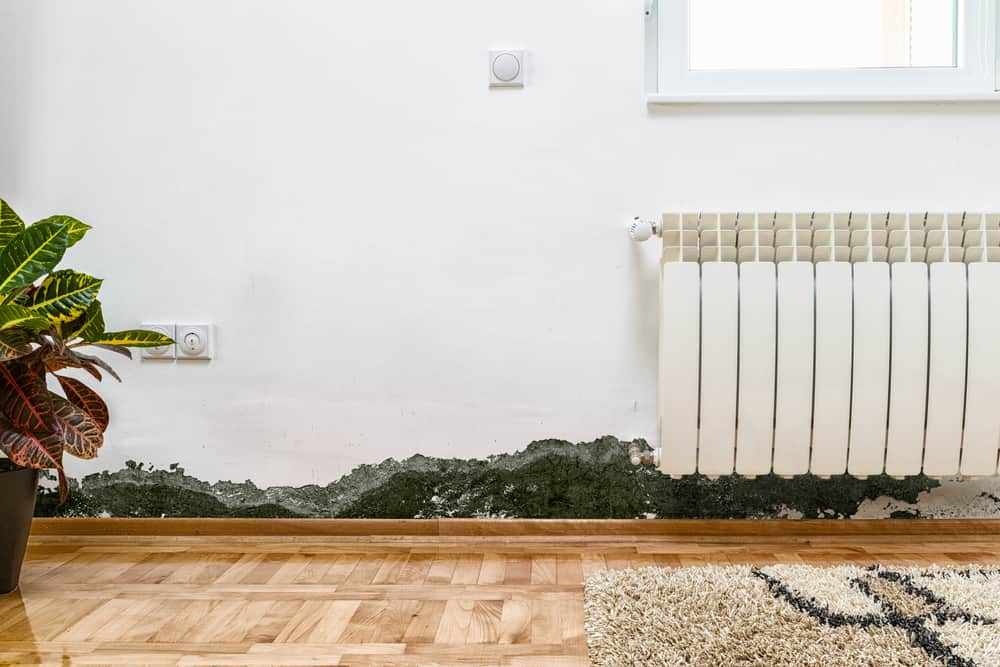
Farmingville sits on the Ronkonkoma Moraine the same glacial ridge that put Bald Hill on the map. That terrain is beautiful, but it creates drainage conditions that push water into basements and crawl spaces in ways that catch homeowners off guard. When a heavy rain rolls through and your foundation takes on moisture, mold doesn’t wait. It starts within 24 to 48 hours, and in a home built in the 1960s or 1970s with a block foundation and no encapsulated crawl space, it spreads fast and quietly.
What you get from proper remediation isn’t just a cleaner basement. It’s the ability to use that space again finished or not without wondering what’s growing behind the walls. It’s not having to repaint the same corner every spring. It’s your kids not dealing with respiratory symptoms that nobody can quite explain. Those are the real outcomes, and they only happen when the moisture source is identified and corrected before anything else is touched.
For homeowners near Horseblock Road or anywhere in Farmingville’s established residential neighborhoods, this matters more than it might in a newer build. The housing stock here is aging, and aging homes need someone who understands what’s actually going on structurally not someone who wipes the surface and hands you an invoice.
Certified Mold Remediation Companies Farmingville NY
We’ve been working in Suffolk County for over three decades, and we’ve been serving Farmingville homeowners through every season and every drainage challenge the Ronkonkoma Moraine throws at the area. That’s not a tagline it means Richard Peterson, our owner, has personally held New York State mold assessor and mold remediation contractor licenses since the state made them mandatory in 2016. The license belongs to him, not just the company. That distinction matters because it means someone with real accountability is behind every job in Farmingville.
Our team is IICRC-certified, which is the industry’s recognized standard for mold remediation work. Every technician who walks into your Farmingville home whether it’s a split-level off North Ocean Avenue or a unit in one of the Fairfield Hills complexes has been trained and tested, not just assigned. That’s not common in this market, and it’s worth knowing before you hire anyone.
We also handle the full cycle. From the initial assessment through post-remediation cleaning, you’re working with one company and one point of contact not handing off between a remediator and a separate cleaning crew.
Professional Mold Remediation Process Farmingville NY
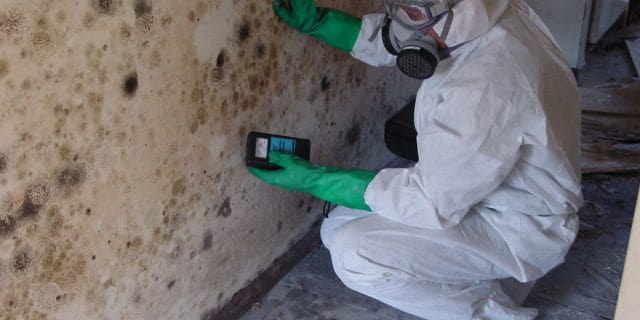
It starts with a thorough assessment. Before anything is removed or treated, the moisture source has to be identified. In Farmingville’s older housing stock, that often means tracing basement seepage back to foundation cracks, finding the crawl space vapor barrier that was never installed, or locating the attic ventilation gap that’s been letting summer condensation build up on roof sheathing for years. Skipping this step is why mold comes back after other companies finish the job.
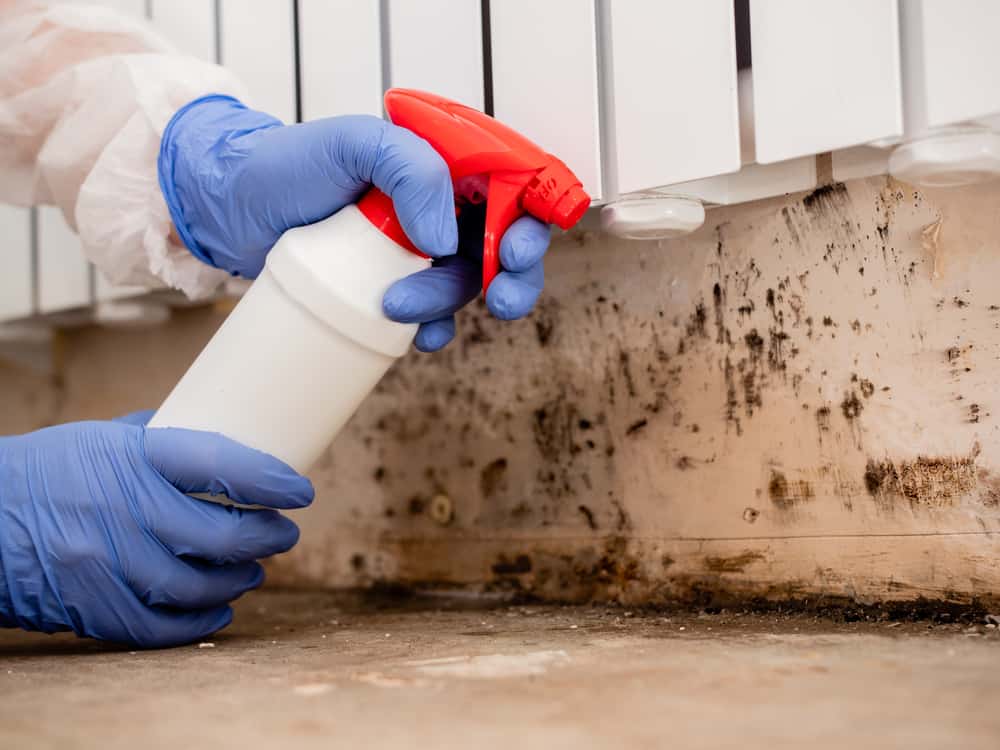
Once the source is mapped, we set up containment. This keeps spores from spreading to unaffected areas of your home during the removal process a critical step that unlicensed operators frequently skip or do poorly. After containment, we remove the affected materials, treat surfaces with antimicrobial agents, and begin structural drying. If the work involves removing and replacing drywall or framing, the Brookhaven Town Building Department may require a permit depending on scope something we’re familiar with, given how long we’ve been working in Farmingville.
The final step is post-remediation verification. Independent air quality testing confirms that spore counts are back to normal before the job is considered complete. That clearance report matters whether you’re staying in the home, filing an insurance claim, or preparing for a real estate transaction in Farmingville’s active market.
Ready to get started?
Attic and Crawl Space Mold Remediation Farmingville NY
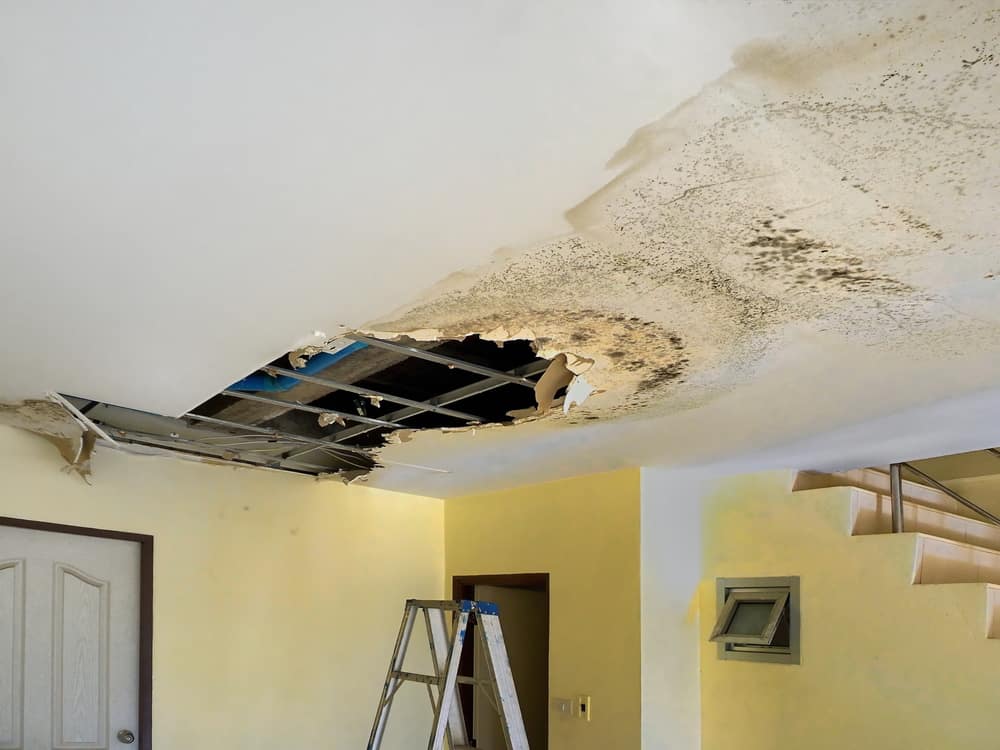
Basement mold remediation is the most common call we receive in Farmingville, and for good reason. The moraine drainage, the older block foundations, the finished basements that trap moisture it’s a combination that produces mold problems regularly. But basements aren’t the only place it shows up. Attic mold is increasingly common in homes where air conditioning cools the living space while the attic stays unconditioned and humid through July and August. That temperature gap creates condensation on roof sheathing, and if the ventilation isn’t right, mold follows.
Crawl spaces are another frequent problem area, particularly in the ranch-style and split-level homes that define a lot of Farmingville’s residential streets. Without proper vapor barriers and ventilation, ground moisture migrates up into floor joists and subfloor framing often going undetected until the damage is structural. We handle crawl space mold remediation including full encapsulation when needed, which addresses the source rather than just the symptom.
New York State’s Article 32 licensing law requires that the company performing your remediation holds a valid mold remediation contractor license and that the assessor and remediator are not the same entity on the same job. We’re structured to meet that requirement fully. Every job in Farmingville is handled in compliance with state law, documented properly, and backed by post-remediation air quality verification that you can use for insurance, real estate, or your own peace of mind.
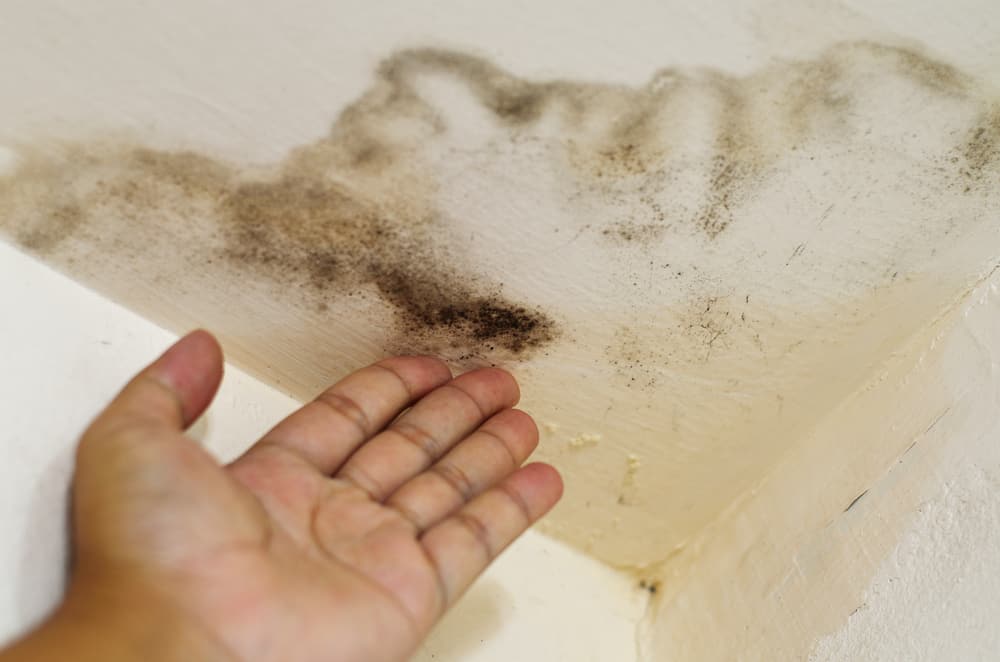
What causes mold to keep coming back in Farmingville basement walls?
The short answer is that the moisture source was never actually fixed. Most recurring mold situations in Farmingville basements come down to one of a few things: foundation cracks that allow hydrostatic pressure to push water through block or poured concrete walls, inadequate grading around the home’s perimeter that channels stormwater toward the foundation, or a drainage system that’s undersized for the runoff patterns created by Farmingville’s position on the Ronkonkoma Moraine. Wiping down a moldy wall and applying a sealant coat doesn’t solve any of those problems.
A proper remediation starts with moisture mapping finding exactly where the water is entering and why. Once that’s identified and corrected, the mold removal and treatment can actually hold. If you’ve had mold remediated before and it came back within a season or two, there’s a very high probability the source was never addressed. That’s the first question to ask any company before they start work.
How much does mold remediation typically cost in Farmingville, NY?
It depends heavily on where the mold is, how far it’s spread, and whether structural materials need to be removed. For surface mold in a basement meaning it’s on the walls or floor but hasn’t penetrated framing you’re typically looking at somewhere between $500 and $3,000. Attic mold remediation, which is common in Farmingville’s older homes with ventilation issues, generally runs $1,500 to $9,000 depending on how much of the sheathing is affected. Crawl space remediation with encapsulation can range from $2,000 to $6,000 or more.
What drives cost up is usually delayed response. The longer moisture sits, the further mold spreads into structural materials and once it’s in the framing, you’re looking at material removal and replacement on top of remediation. Given that median home values in Farmingville are approaching $600,000, addressing a mold problem early is almost always less expensive than what it costs when the problem is discovered later either through a failed home inspection or visible structural damage.
Does homeowner's insurance cover mold remediation after a storm or pipe burst?
It depends on the cause and how quickly you reported it. Most standard homeowner’s insurance policies in New York cover mold remediation when it results directly from a covered water event a burst pipe, an appliance failure, or storm-related water intrusion that’s reported promptly. What they typically don’t cover is mold that developed from long-term neglect, gradual seepage, or a moisture problem that wasn’t reported in a reasonable timeframe.
The documentation piece is where a lot of claims fall apart. Adjusters need to see the damage documented in a specific way photos, moisture readings, a written scope of work and if that’s not done correctly from the start, claims get delayed or denied. We help customers through that process, from initial documentation through communication with the adjuster. If you’re dealing with storm damage or a water event in Farmingville and you’re not sure what your policy covers, that’s a conversation worth having before the remediation starts, not after.
Is mold in a Farmingville attic a serious problem, or can it wait?
It’s serious, and it doesn’t wait on its own. Attic mold in Farmingville homes is usually driven by a ventilation problem soffit vents that are blocked by insulation, ridge vents that aren’t functioning properly, or bathroom exhaust fans that were improperly vented directly into the attic instead of outside. During Farmingville’s humid summers, when outdoor humidity regularly runs above 70 to 80 percent and the living space below is air-conditioned, the temperature differential in an unventilated attic creates persistent condensation on roof sheathing. Mold takes hold quickly in that environment.
Left alone, attic mold spreads across sheathing and into rafters. At a certain point, the sheathing itself needs to be replaced which is a significantly more expensive repair than remediation of surface mold caught early. If you’ve noticed dark staining on your roof sheathing, a musty smell in upper-floor rooms, or visible mold near attic access points, those are signs that the problem has already progressed. Getting it assessed sooner rather than later is the practical call.
Do I need a licensed mold remediation contractor in New York, or can anyone do this work?
Under New York State Labor Law Article 32, which has been in effect since January 1, 2016, it is illegal for any person or company to perform mold remediation in New York without a valid state-issued mold remediation contractor license. This applies in Farmingville the same as anywhere else in the state. Hiring an unlicensed contractor isn’t just a legal risk for them it creates real risk for you. Insurance companies can deny claims when work was performed by an unlicensed contractor, and improper remediation that spreads spores rather than containing them can make the problem significantly worse.
You can verify any contractor’s license through the New York State Department of Labor’s online database before you sign anything. Look for the specific license number, confirm it’s active, and confirm the license category matches the work being done. Richard Peterson holds personal NYS licenses in both mold assessment and mold remediation contracting both verifiable. That’s a level of individual accountability that a company-level credential filed in a drawer doesn’t provide.
How do I know the mold is actually gone after remediation is finished in my Farmingville home?
The only way to know with confidence is post-remediation verification independent air quality testing conducted after the work is complete. This involves collecting air samples from the remediated area and comparing spore counts against an unaffected control area in the home. If counts in the remediated space are at or below normal background levels, the job passed. If they’re elevated, something was missed and the work isn’t done.
We include post-remediation verification as a standard part of the process, not an add-on. That clearance report is more than peace of mind it’s documentation you can use for an insurance claim, a real estate transaction, or simply to confirm your family’s home is safe. In Farmingville’s current real estate market, where prices have been rising sharply and buyers are doing thorough due diligence, a verified clearance report can be the difference between a smooth closing and a deal that stalls over unresolved mold concerns. It’s the final step that makes the whole process mean something.
Useful Links
Other Services we provide in Farmingville