
Hear from Our Customers
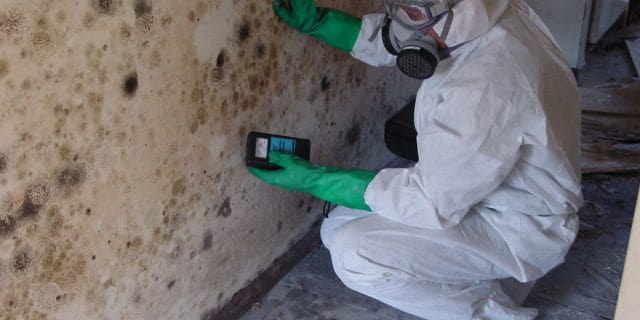
Living near the Peconic River and Reeves Bay means your Flanders home deals with moisture pressure that most Long Island communities don’t. The low-lying terrain, the tidal wetlands, the crawl spaces sitting above consistently damp soil — it adds up. When mold takes hold in that environment, it doesn’t stay in one spot. It moves through floor joists, into subfloor materials, and up into wall cavities before most homeowners even know it’s there.
When remediation is done correctly, that changes. The air in your home stops carrying that damp, musty heaviness. Family members with allergies or asthma start breathing easier — and that’s not a coincidence. The World Health Organization found that resolving mold conditions reduces asthma-related symptoms by 25 to 45 percent. For a household in Flanders dealing with a crawl space that’s been holding moisture since the last nor’easter, that’s a meaningful shift.
The other thing that changes is certainty. You stop wondering whether the smell is coming back, whether the dark spot on the wall is spreading, whether the problem was actually fixed or just covered up. Post-remediation air quality testing gives you documented proof that the space meets clearance standards — not just a contractor’s word that it looks fine.
We’ve been working on Long Island for approximately 31 years, including the ranch homes and bungalows along Flanders Road, the older colonials near the Peconic River corridor, and the crawl space jobs that come through every spring when snowmelt and tidal activity push groundwater close to the surface around Reeves Bay.
Owner Richard Peterson holds personal New York State licenses in both mold assessment and mold remediation — the two categories required under Article 32 of the NYS Labor Law. These are individual licenses tied to his name, verifiable through the NYS Department of Labor’s public contractor lookup. Every technician on our team holds individual IICRC certification, which means the people physically working in your Flanders home have been formally trained and tested — not just supervised by someone who was.
We also operate an integrated cleaning division, which means the job doesn’t stop when the containment comes down. From the initial emergency call through the final cleaning of affected surfaces and contents, it’s one team and one point of contact.
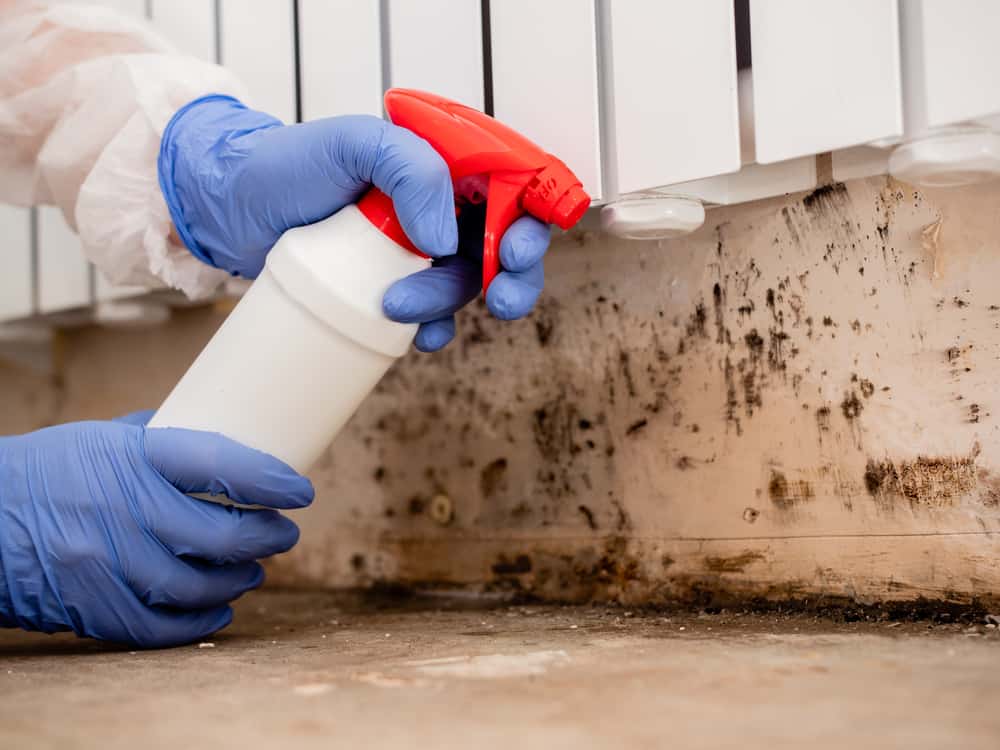
It starts with assessment. Before anything is removed or treated, the source of the moisture has to be identified. In Flanders, that often means evaluating crawl space vapor barriers, drainage patterns, and groundwater proximity — especially for homes in the low-lying areas near Reeves Bay or Hubbard’s Creek. Removing mold without understanding why it’s there is how you end up paying for the same job twice.
Once the source is identified and the scope is clear, we establish containment. Negative air pressure is established to prevent spores from migrating to unaffected areas of your home during the removal process. Contaminated materials are removed, affected structural surfaces are treated with EPA-registered antimicrobial agents, and HEPA air scrubbing runs throughout. For work that involves removing drywall or structural framing, the Town of Southampton may require a permit — that’s something we’ll flag for you upfront, not after the fact.
When the remediation work is complete, independent post-remediation air quality testing confirms that spore counts have returned to normal levels before containment barriers come down. That clearance report is yours — in writing — and it matters whether you’re staying in your Flanders home long-term or navigating a real estate transaction on the East End.
Ready to get started?
The most common mold calls we handle in Flanders fall into a few categories, and each one has a different driver. Crawl space mold remediation is the most frequent — Flanders’ proximity to tidal wetlands and the Peconic River system keeps soil moisture elevated beneath many of the older ranch homes that define the local housing stock. Without proper vapor barriers and ventilation, that moisture moves upward into framing and subfloor materials. Crawl space mold remediation in Flanders, NY typically runs between $500 and $4,000 for standard projects, with encapsulation pushing costs toward the higher end when the underlying moisture conditions require it.
Attic mold remediation is the other common call, especially in summer. Peconic Bay’s humidity is relentless from May through September, and older homes along Flanders Road frequently don’t have the attic ventilation to manage that moisture load. When warm, humid air stagnates against cooler roof sheathing, mold follows. Attic mold remediation in Flanders, NY typically runs between $1,500 and $9,000 depending on attic size and how far the contamination has spread.
For post-storm basement and structural mold following flooding events, costs for most residential projects fall between $1,223 and $3,754. We handle the full cycle — emergency response, structural remediation, and post-remediation cleaning — under one company, one invoice, and one scope of work. If your situation involves an insurance claim, documentation support is part of the process.
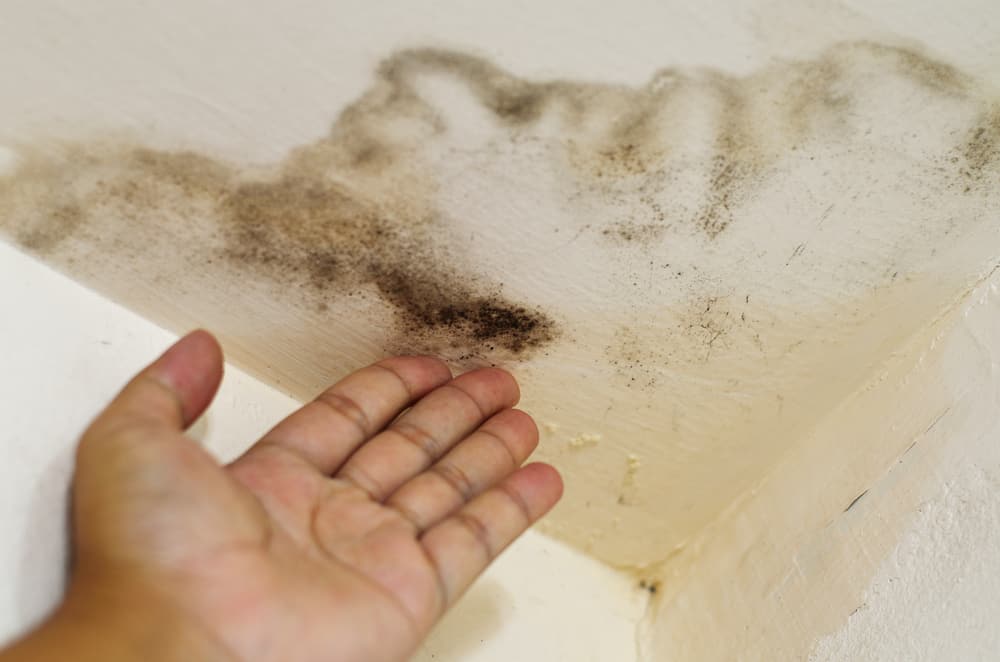
The short answer is geography and housing type. Flanders sits at the mouth of the Peconic River where it meets Peconic Bay, and much of the hamlet’s terrain is low-lying — particularly around Reeves Bay and Hubbard’s Creek. That means groundwater sits close to the surface for extended periods after rain events, tidal cycles, or seasonal snowmelt. Ranch homes and bungalows, which make up the majority of the Flanders housing stock, typically have crawl spaces rather than full basements. A crawl space sitting above consistently damp soil, without a proper vapor barrier or adequate ventilation, is one of the most mold-prone structural spaces in residential construction.
The HUD Suffolk County Consolidated Plan specifically identified Flanders as having concentrations of substandard housing — older structures with aging plumbing, roofing, and foundations that create more entry points for moisture. Add in the coastal humidity off Peconic Bay from May through September, and you have a combination of conditions that makes mold a recurring issue for many year-round residents in Flanders, not an isolated event.
For most residential mold remediation projects, costs fall somewhere between $1,223 and $3,754, with the national average around $2,347. But in Flanders specifically, the type of mold problem matters a lot for estimating cost. Crawl space mold remediation — the most common call we receive in this area — typically runs $500 to $4,000 for standard projects. If encapsulation is needed to address the underlying moisture conditions near Reeves Bay or the Peconic River corridor, that pushes costs toward the upper end of that range. Attic mold remediation, which is common in older Flanders homes with inadequate ventilation for Peconic Bay’s summer humidity load, typically runs $1,500 to $9,000 depending on attic size and contamination extent.
What drives costs up or down is the size of the affected area, whether the mold is surface-level or has penetrated structural materials, and whether the underlying moisture source requires correction as part of the scope. We provide written estimates that explain exactly what’s included and why — no vague numbers, no scope expansions after the fact.
Yes — and this isn’t a gray area. New York State’s Article 32 of the Labor Law makes it illegal to perform mold remediation without a valid state-issued license. That applies to every project in Flanders, throughout Suffolk County, and across New York. Hiring an unlicensed contractor isn’t just a quality risk — it can result in your insurance claim being denied, and it leaves you with no legal recourse if the work is done incorrectly.
The licensing requirement covers mold assessors, remediation contractors, and abatement workers individually. You can verify any contractor’s license through the NYS Department of Labor’s public contractor lookup tool before you hire. Richard Peterson, owner of First Response Restoration and Cleaning Inc., holds personal NYS licenses in both mold assessment and mold remediation — his license numbers are publicly verifiable. Our entire technician team holds individual IICRC certification. That combination of owner-level licensure and team-level certification is not the standard in this market — it’s worth asking about when you’re comparing companies.
Mold removal refers to the physical act of taking mold-contaminated materials out of a space. Mold remediation is the full process — and it includes a lot more than just removal. Remediation starts with identifying the moisture source, establishing containment to prevent spore spread during the work, removing contaminated materials, treating affected surfaces with EPA-registered antimicrobial agents, running HEPA air scrubbing throughout the process, and then verifying through independent air quality testing that the space has returned to normal before clearance is given.
The distinction matters in Flanders because a lot of the mold problems here are driven by persistent moisture conditions — the high water table near Reeves Bay, the crawl space drainage challenges in older ranch homes, the attic humidity that builds up every summer off Peconic Bay. If you only remove the mold without addressing the moisture source, it comes back. True remediation addresses both. That’s the standard we hold to on every job, and it’s also what the IICRC’s S520 Standard for Professional Mold Remediation requires.
Mold begins growing within 24 to 48 hours of water intrusion. That window is not a guideline — it’s the actual biological timeline. For Flanders homeowners dealing with post-storm flooding, a burst pipe, or water intrusion through an aging roof, that means the clock starts the moment water enters your home. Waiting until the next business day, or until a contractor can fit you into a regular schedule, can be the difference between a contained remediation and a structural mold problem that’s spread through floor joists, wall cavities, and subfloor materials.
This is why we operate 24 hours a day, 7 days a week for emergency mold remediation in Flanders, NY. When a nor’easter pushes water through the low-lying terrain around Reeves Bay at 10 PM on a Sunday, that’s not a call that can wait until Monday morning. A real response from a real Long Island-based team, within that critical 24 to 48 hour window, is what keeps a manageable water event from becoming a months-long mold remediation project.
It depends on the cause. Most homeowner’s insurance policies cover mold remediation when the mold is a direct result of a covered event — a burst pipe, storm damage, or sudden water intrusion. What they typically don’t cover is mold that developed from a long-term moisture problem or deferred maintenance, like a slow crawl space leak that went unaddressed for months. In Flanders, where storm-related water intrusion is a recurring reality for many homeowners near Reeves Bay and the Peconic River corridor, the covered-event pathway is genuinely relevant — but the documentation has to be done correctly.
We help customers document damage in the format insurance companies require, from the initial assessment through the final clearance report. That means photos, moisture readings, scope documentation, and the post-remediation verification report — everything an adjuster needs to process the claim. For Flanders homeowners who have navigated insurance claims after prior storm events, this isn’t an unfamiliar process. Having a remediation company that knows how to support it properly makes a real difference in how the claim gets resolved.
Useful Links
Other Services we provide in Flanders