
Hear from Our Customers
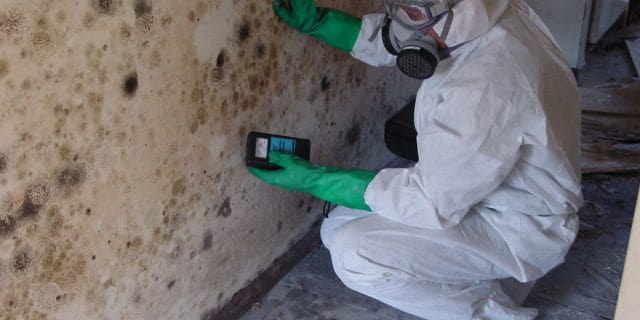
Mold doesn’t just look bad. In Franklin Square’s older housing stock — where most homes were fully built out by 1952 and haven’t had a plumbing or waterproofing overhaul since — it tends to quietly spread behind walls, under floors, and inside attic spaces long before anyone notices it. By the time it’s visible, it’s usually been growing for months.
When the job is done right, you’re not just getting rid of a smell or a stain. You’re getting your home back. The air quality improves. The moisture source that caused the problem is identified and addressed. And if drywall, insulation, or framing had to come out, it gets rebuilt — not left open for you to figure out on your own.
For families with kids in the Franklin Square Union Free School District, or older residents who’ve lived in their homes for decades, the health piece matters most. Mold exposure isn’t a minor inconvenience — it’s an ongoing respiratory and allergy risk that doesn’t stop until the source does. And for anyone thinking about selling, a documented professional remediation protects a home value that, in this market, is likely sitting close to $675,000. That’s not something to gamble on.
We’ve been serving Franklin Square and Nassau County homeowners for close to three decades. That’s long enough to know the difference between a Franklin Square Cape Cod attic and a ranch crawl space — and exactly what moisture does to each one over time.
Every technician who arrives at your home holds individual IICRC certification. Not just our company — every person on the crew. That distinction matters when the work being done affects your family’s health and your home’s structural integrity.
We carry a local Nassau County number — (516) 698-1776 — because we’re actually here. Our trucks arrive fully equipped on every call, which means work starts when we walk in, not after a second trip for gear. And when remediation is done, we don’t hand you off to a separate contractor for the rebuild. We handle that too.
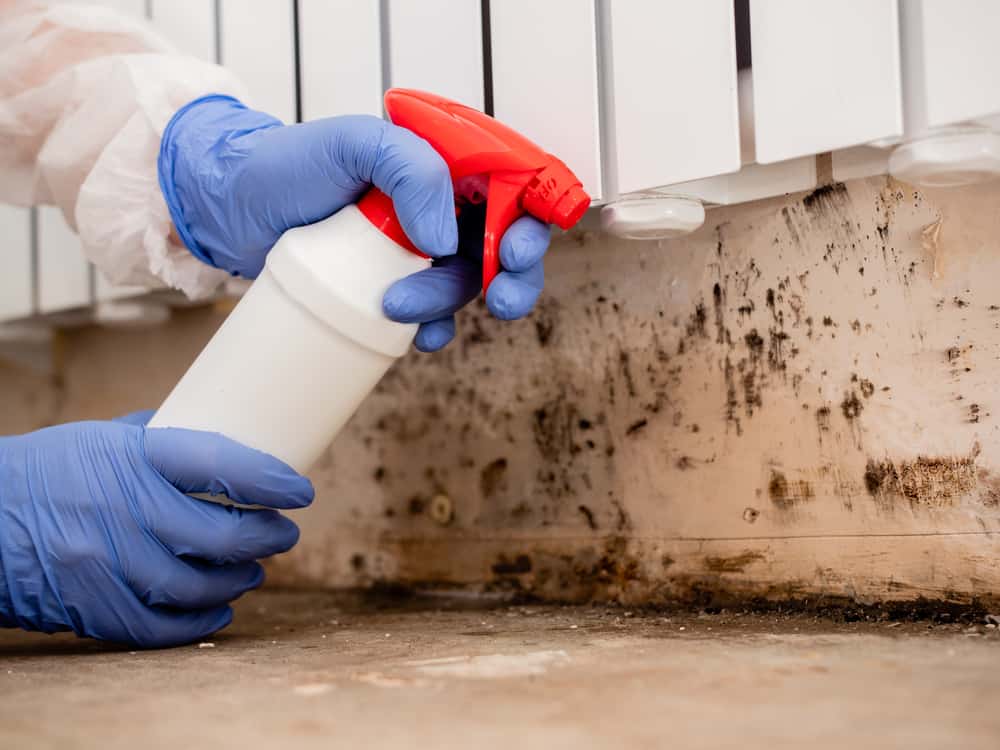
It starts with a 13-point mold inspection. That means air testing, swab sampling, infrared thermal imaging to find moisture hiding inside walls, and moisture-level readings throughout the affected areas — all documented in a written report with lab results delivered within two to three business days. You’ll know what you’re dealing with, where it is, and what caused it before any remediation work begins.
From there, we contain the affected area, remove the mold using industry-standard protocols, and treat the underlying surfaces. Critically, we also identify and address the moisture source — because mold that comes back six months later means the root cause was never fixed. In Franklin Square’s older homes, that source is often a slow pipe leak inside a wall cavity, a compromised mortar joint in a brick foundation, or an attic with ventilation that simply wasn’t built for today’s humidity levels.
Once remediation is complete, we can handle the reconstruction. If drywall came down or insulation was removed, we rebuild it. New York State law requires that mold assessment and remediation be performed by separate licensed contractors — we’ll walk you through how that works and make sure the process is fully compliant from start to finish. No shortcuts, no surprises.
Ready to get started?
Franklin Square’s housing stock isn’t generic Long Island suburban. It’s tight lots, brick prewar construction, post-war Cape Cods with low-pitched attics, ranch homes with crawl spaces that were never designed with modern vapor barriers in mind, and basements that have absorbed decades of moisture from the flat, low-draining Hempstead Plains landscape. We understand all of that — not a national franchise applying a one-size approach.
Attic mold remediation in Franklin Square almost always involves poor ventilation as the underlying driver. Cape Cod-style homes trap humidity in their upper spaces year-round, and without proper airflow, roof sheathing and insulation become ideal mold substrates. Basement and crawl space mold remediation typically involves a combination of water intrusion history, aging drainage infrastructure, and in some cases, residual moisture damage that was never fully dried out after a flooding event.
Every remediation we perform includes air testing, containment, HEPA filtration, antimicrobial treatment, and a post-remediation clearance report — the documentation you need for insurance claims, real estate transactions, or simply your own peace of mind. If you’re navigating a homeowners insurance claim, we can help you work through that process too. And because we also handle full reconstruction, your home doesn’t have to sit half-finished while you wait on a separate contractor.
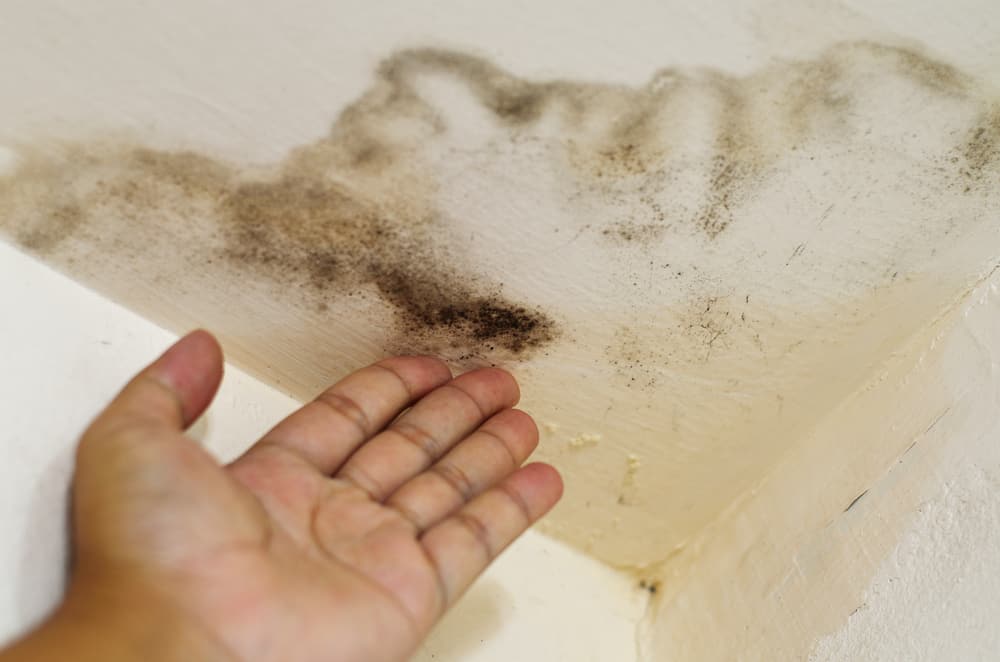
The honest answer is that you often can’t tell just by looking. Mold in Franklin Square homes — especially the Cape Cods, ranches, and colonials built in the 1940s and 1950s — tends to grow in places you can’t see: inside wall cavities, under flooring, behind insulation in low-pitched attics, and in crawl spaces that haven’t been opened in years. A musty smell that won’t go away, unexplained allergy symptoms that improve when you leave the house, or visible discoloration near a plumbing fixture or basement wall are all signs worth taking seriously.
A proper mold inspection goes well beyond a visual check. Air sampling compares the mold spore count inside your home to the outdoor baseline — if the indoor count is elevated, that tells you active mold is present even if you can’t locate it. Infrared imaging can detect moisture trapped inside walls before it becomes a visible problem. If you’ve had any water intrusion event in the last few years — a basement flood, a roof leak, a slow pipe — an inspection is worth doing, because mold can establish itself within 24 to 48 hours of moisture exposure and continue growing long after the visible water is gone.
Costs vary depending on where the mold is, how far it’s spread, and what materials need to be removed. For a contained area — say, a section of basement wall or a localized attic problem — remediation typically runs somewhere between $1,500 and $4,000. Larger or more severe cases, particularly in homes where moisture has been present for years without being addressed, can run higher. Whole-house remediation in a significantly affected property can reach $10,000 or more.
In Franklin Square specifically, the age of the housing stock tends to push costs toward the middle and upper end of that range — not because remediation is more expensive here, but because older homes often have more accumulated moisture damage and more areas where mold has had time to spread undetected. The more useful way to think about cost is against what you’re protecting: a home worth close to $675,000 that could lose 20% to 37% of its value if mold is discovered during a buyer’s inspection. A professional remediation with proper documentation is an investment in that asset, not just an expense.
Mold removal implies you can simply take all the mold out — which isn’t really how it works. Mold spores exist naturally in the air and environment everywhere, including in every home. The goal of mold remediation isn’t to eliminate every spore, which isn’t possible. It’s to bring the mold levels inside your home back down to a normal, non-harmful range and eliminate the active growth that’s causing the problem.
Remediation is a structured process: contain the affected area, remove contaminated materials that can’t be cleaned, treat surfaces with antimicrobial agents, filter the air with HEPA equipment, and then verify through post-remediation testing that the levels are back to an acceptable baseline. It also includes identifying and correcting the moisture source — because without that step, the mold will return. Any company that promises to “remove all mold” without addressing the underlying moisture issue is either misinformed or not being straight with you.
It depends on the cause. Most standard homeowners insurance policies in New York will cover mold remediation if the mold resulted from a covered event — a burst pipe, storm damage, or an appliance malfunction that caused sudden water intrusion. What most policies won’t cover is mold that resulted from long-term moisture buildup, deferred maintenance, or gradual leaks that weren’t reported promptly. The distinction between “sudden and accidental” versus “gradual” water damage is where most mold claims get disputed.
Nassau County homeowners pay among the highest property insurance premiums in the state, which makes it even more important to understand exactly what your policy covers before you need it. Documentation is everything in a mold insurance claim — which is one reason why having a written inspection report with lab results, photographs, and moisture readings matters so much. That kind of documentation gives you a defensible record of what happened, when it was discovered, and what was done about it. We can help you navigate the claims process and make sure your documentation is in order.
For a contained problem in one area — a basement wall, a section of attic, a crawl space — remediation typically takes one to three days. Larger or more complex jobs, particularly in older homes where the mold has spread through multiple areas or where significant material removal and reconstruction are involved, can take a week or more. The inspection and lab results phase adds two to three business days on the front end, so from first call to completed clearance testing, you’re generally looking at one to two weeks for most residential jobs.
In Franklin Square, the timeline can be affected by the complexity of the home’s construction. Brick foundations, original plaster walls, and the tight attic geometry of Cape Cod homes all require more careful work than newer drywall construction — you can’t rush containment or material removal without risking cross-contamination to other areas of the home. We give you a realistic timeline upfront based on what we find during the inspection, not a number designed to get you to sign and then change once work starts.
In many cases, yes — but it depends on the location and severity of the mold, and whether you have family members who are particularly sensitive to mold exposure. If the affected area is isolated to a basement or crawl space and proper containment barriers are in place, most families can remain in the home during remediation with minimal disruption. If the mold is in a central living area, affects the HVAC system, or if there are young children, elderly residents, or anyone with respiratory conditions in the household, temporary relocation during the active remediation phase is worth considering.
Franklin Square homes tend to be on the smaller side — the post-war Cape Cods and ranches that define the neighborhood weren’t built with a lot of square footage to spare. That means containment barriers in a central hallway or main living area can genuinely disrupt daily life in a way that a larger home might absorb more easily. We’ll give you an honest assessment of what the work involves and what the realistic impact on your household will be — so you can make that decision based on real information, not a blanket reassurance that everything will be fine.
Useful Links
Other Services we provide in Franklin Square