
Mold Remediation in Great River, NY
When the Bay Is Your Backyard, Moisture Is Never Far Behind
Hear from Our Customers
Certified Mold Remediation, Suffolk County
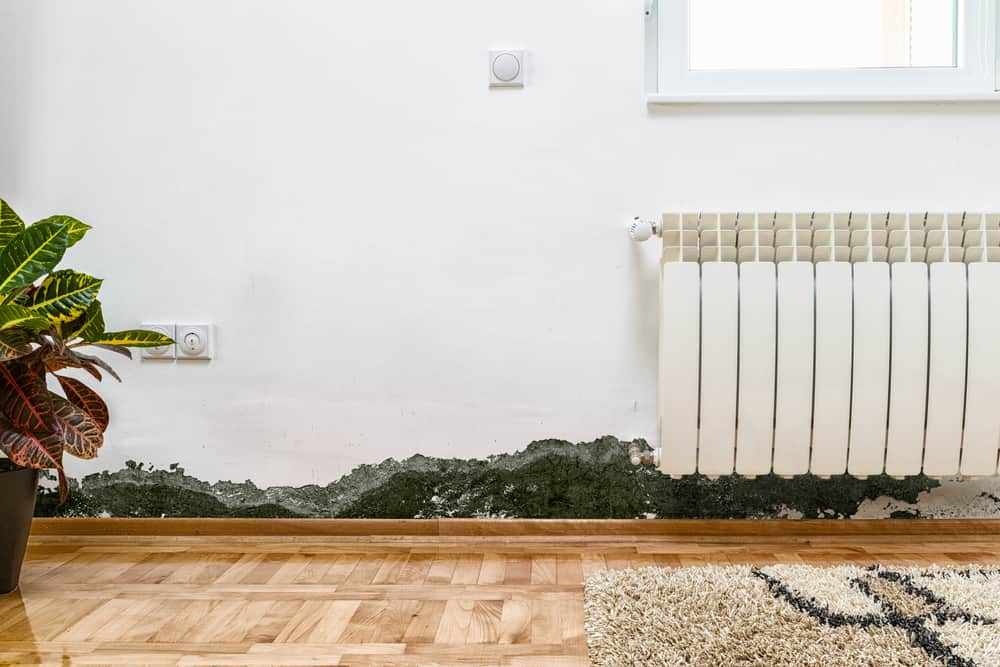
Finding mold in your home is unsettling. But what’s worse is having it “treated” by someone who wipes the surface clean and leaves the moisture problem completely untouched. Six months later, it’s back and usually in a bigger area. That’s the cycle a lot of Great River homeowners have experienced, especially in properties that took on water during Sandy or have been quietly dealing with crawl space moisture ever since.
When mold remediation is done correctly, the result isn’t just clean walls. It’s air that doesn’t smell off. It’s a crawl space that isn’t silently rotting the framing above it. It’s peace of mind that your family isn’t breathing something that’s making them sick and that your property value isn’t quietly eroding beneath the surface.
For homes in Great River, where older construction meets persistent coastal humidity from the bay and river on two sides, that outcome requires more than surface treatment. It requires finding where the moisture is coming from, stopping it, and then remediating what it caused. That’s the only version of this job worth paying for.
Licensed Mold Remediation Company, Great River
First Response Restoration and Cleaning Inc. has been working on Long Island’s South Shore for over three decades. That’s not a number for a brochure it means we’ve seen what happens to older homes in the Town of Islip after a nor’easter floods the Connetquot River, what crawl spaces in pre-war construction actually look like after years of ground moisture, and what “remediated” homes from Sandy still carry inside their walls today.
Owner Richard Peterson holds personal New York State licenses in both mold assessment and mold remediation the dual licensure required under Article 32 of the NYS Labor Law. Every technician on our team is individually IICRC-certified. That combination isn’t common in this market. And because we also handle the full cleanup after remediation is complete, you’re dealing with one company from start to finish not handing off to a second crew when the hard part is done.
The Mold Remediation Process, Great River NY
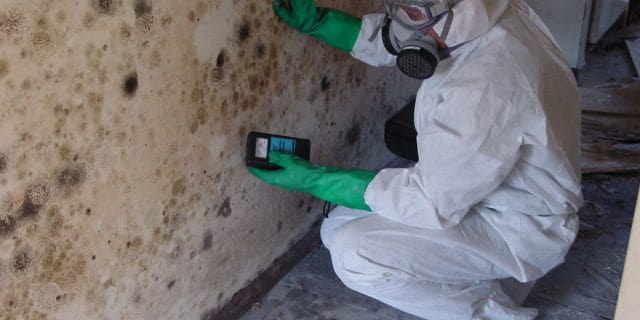
It starts with a thorough assessment. Before anything is removed or treated, we identify the source of the moisture. In Great River, that often means checking crawl spaces in older homes that sit close to the water table, inspecting attic sheathing where ventilation hasn’t kept up with coastal humidity, and looking behind walls in lower-level rooms that may have taken on water during past flood events. Skipping this step is exactly why mold comes back.
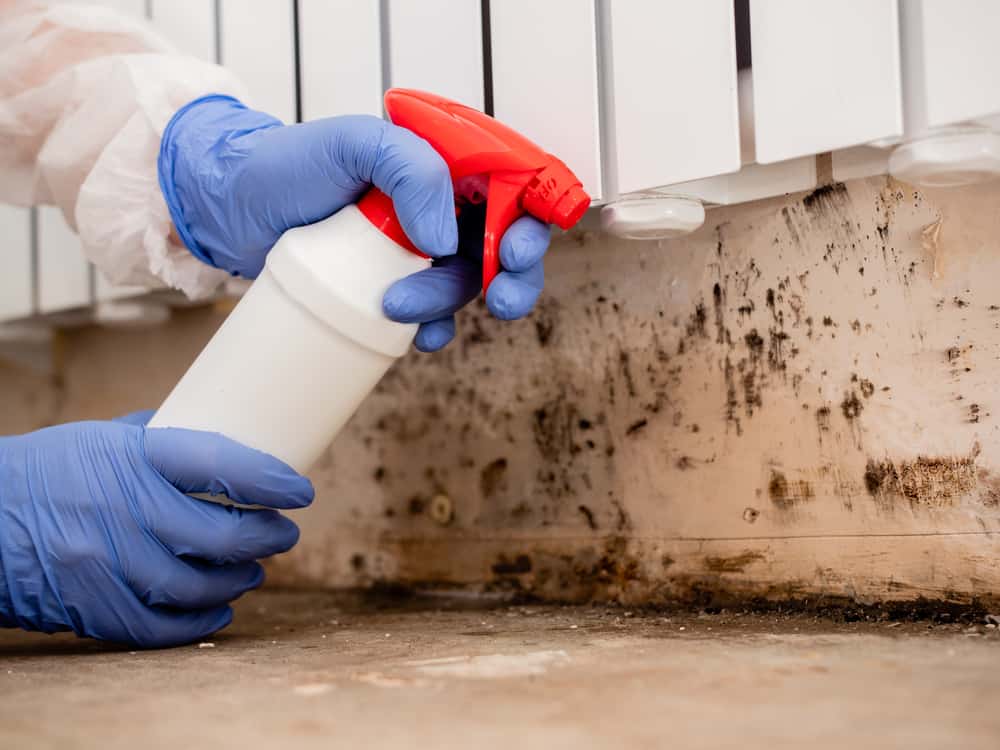
Once we identify and address the source, containment goes up. We isolate affected areas so that spore-laden air doesn’t migrate to clean parts of your home during the remediation process. Contaminated materials are removed, HEPA vacuuming is performed, and EPA-registered antimicrobial treatments are applied to affected surfaces. The work follows the IICRC S520 Standard the recognized benchmark for professional mold remediation.
After remediation is complete, we conduct post-remediation verification through independent air quality testing. This step confirms that mold spore counts have returned to normal levels it’s the clearance report that protects you, satisfies insurance requirements, and gives buyers and their attorneys what they need in a real estate transaction. In a market where Great River homes average near $1.6 million, that documentation isn’t optional.
Ready to get started?
Mold Damage Repair Services, Great River NY
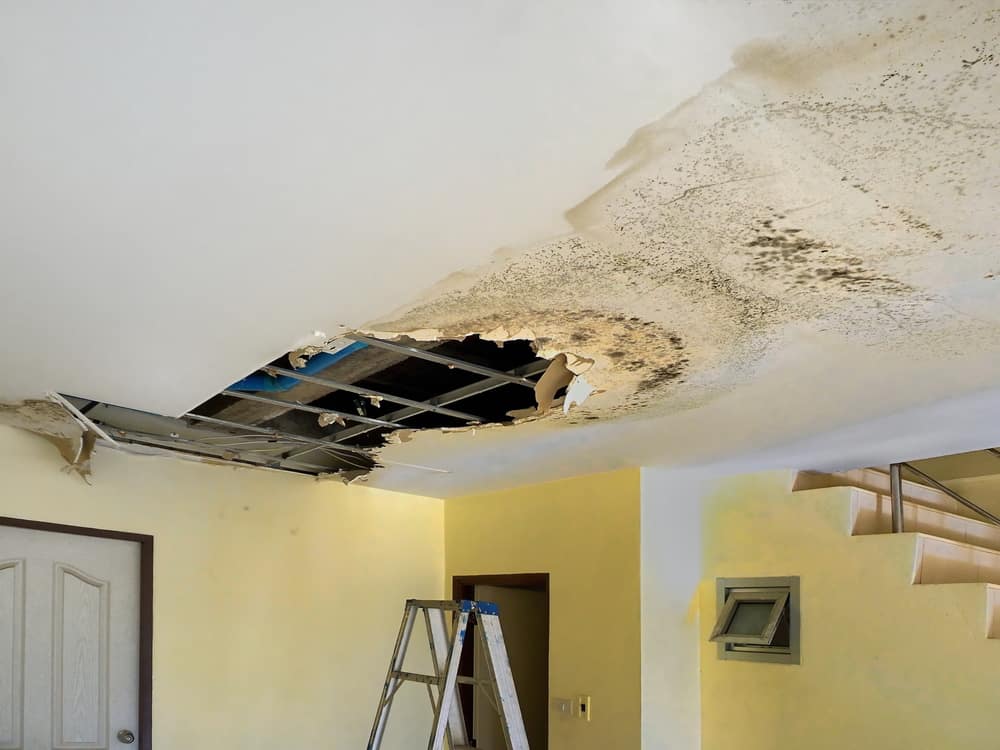
Mold remediation in Great River covers a wide range of scenarios depending on where the problem is and how long it’s been there. Basement mold remediation is common in South Shore homes where the water table sits high and lower-level flooding has occurred particularly in properties that experienced storm surge during Sandy and weren’t fully dried out afterward. Crawl space mold remediation is equally prevalent here, where older construction without modern vapor barriers allows ground moisture to rise directly into wood framing and insulation. Attic mold remediation rounds out the picture, especially in homes where original or aging rooflines haven’t kept pace with modern ventilation standards, allowing summer humidity from the bay to accumulate in sheathing and insulation over time.
Black mold remediation follows enhanced containment protocols given the health risks associated with Stachybotrys, and all work regardless of mold type is performed under the requirements of Article 32 of the New York State Labor Law. For projects that involve structural repairs, drywall replacement, or significant material removal, we’re familiar with Town of Islip building permit requirements and can advise on whether your specific scope triggers that process.
We offer emergency mold remediation 24 hours a day, 7 days a week. When a storm pushes water into your home off the Connetquot River or a pipe failure soaks a lower level overnight, the 24-to-48-hour window before mold begins growing doesn’t wait for business hours. Neither do we.
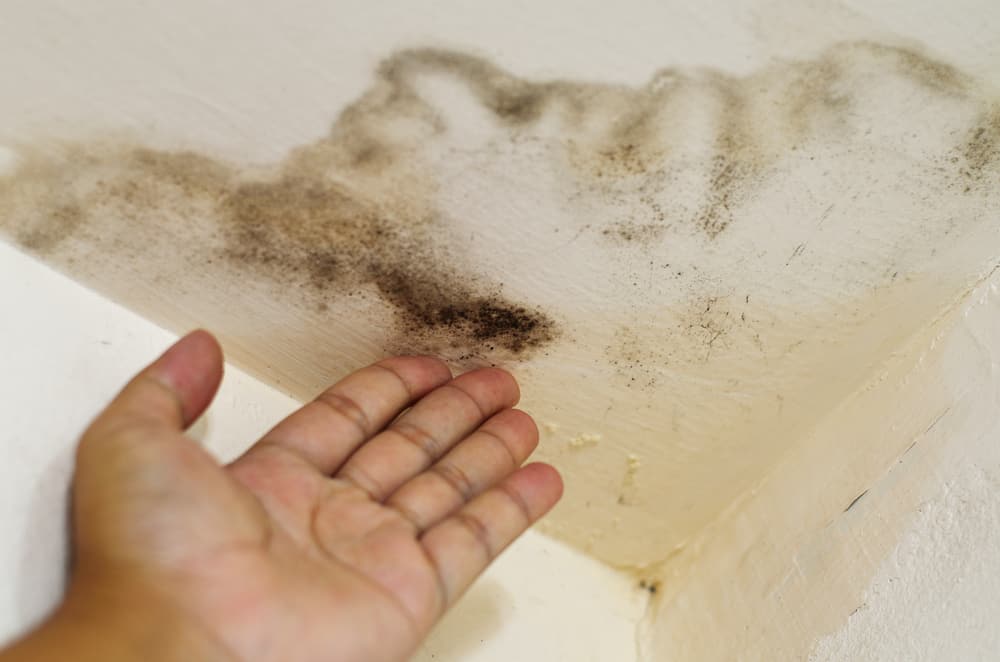
Is mold really that common in Great River, NY homes near the water?
More common than most homeowners realize and often in places they can’t see. Great River sits between the Connetquot River and the Great South Bay, which means ambient humidity in this community is elevated year-round, not just during summer. That persistent moisture pressure works its way into crawl spaces, attic assemblies, and wall cavities, especially in older homes that were built before modern vapor barriers and ventilation standards were common practice.
A significant number of properties in Great River also have a history of water intrusion from storm events. The area south of Sunrise Highway which includes all of Great River proper was in the mandatory evacuation zone during Hurricane Sandy. Homes that weren’t fully and correctly dried out after that storm have been quietly harboring hidden mold in framing, insulation, and subfloor assemblies for over a decade. If your home has a history of flooding or you’ve noticed musty odors that come and go seasonally, that’s worth taking seriously.
How much does mold remediation cost in Great River, NY?
The honest answer is that it depends on where the mold is, how far it’s spread, and what caused it. For most residential projects, professional mold remediation runs somewhere between $1,200 and $3,800. Attic remediation typically falls between $1,500 and $9,000 depending on the size of the space and the extent of contamination. Crawl space projects which are especially common in Great River’s older housing stock can exceed $6,000 when encapsulation and drainage work are part of the scope.
In a community where homes average close to $1.6 million, the cost of remediation is rarely the deciding factor. What matters more is whether the job is done thoroughly enough that the mold doesn’t return. A cheaper job that removes visible mold without correcting the moisture source will cost you more in the long run both in recurring remediation and in the property value impact of a recurring mold history. Get a written scope, understand what’s included, and make sure post-remediation air quality testing is part of the package.
What's the difference between mold remediation and mold removal?
Mold removal typically refers to cleaning visible mold off surfaces wiping it down, spraying a treatment, and calling it done. Mold remediation is a more comprehensive process that addresses the full scope of the problem: identifying the moisture source, containing the affected area to prevent spore spread, removing contaminated materials, treating surfaces with EPA-registered antimicrobials, and verifying through air quality testing that the indoor environment has been restored to a safe standard.
The distinction matters because mold is not just a surface problem. In a Great River home with crawl space moisture or attic condensation, the visible mold you can see is often a fraction of what’s actually growing inside wall cavities, beneath flooring, or within insulation. Treating only what’s visible without addressing what’s hidden and without correcting the moisture conditions that caused it is why so many homeowners find themselves dealing with the same problem repeatedly. Remediation is the process that actually resolves it.
Does homeowner's insurance cover mold remediation in Great River, NY?
It depends on the cause of the mold and the specific language in your policy. Most standard homeowner’s insurance policies cover mold remediation when it results directly from a covered event a burst pipe, storm-related water intrusion, or sudden and accidental flooding. What they typically don’t cover is mold that developed gradually due to long-term moisture issues, poor ventilation, or deferred maintenance.
For Great River homeowners, the nuance matters. If your mold is connected to a specific storm event a nor’easter that pushed water through a foundation wall, or storm surge damage that wasn’t fully remediated at the time there may be a legitimate insurance claim to pursue. The key is documentation: a licensed mold assessor’s report, a written remediation scope, and post-remediation verification all strengthen a claim significantly. We work with homeowners on the documentation side of this process and can help you understand what your situation may support before you call your adjuster.
How long does mold remediation take in a typical Great River home?
Most residential mold remediation projects take between one and five days, depending on the size of the affected area and the complexity of the work involved. A contained crawl space issue in a smaller area might be resolved in a day or two. A more extensive attic remediation in one of Great River’s larger, older homes where the attic spans a significant footprint and contamination has spread across multiple bays of sheathing can take closer to four or five days when you factor in removal, treatment, drying, and post-remediation verification.
The drying phase is one that homeowners often underestimate. After contaminated materials are removed and antimicrobial treatments are applied, structural components need to reach appropriate moisture levels before any rebuilding or enclosure happens. Rushing this step is one of the most common reasons mold returns after remediation. In Great River’s coastal humidity environment, that drying process may take longer than it would in a drier inland location and cutting it short to save time is a shortcut that tends to show up again months later.
Do I need a licensed mold remediation contractor in New York, or can anyone do this work?
In New York State, mold remediation is a licensed profession not an optional credential. Under Article 32 of the New York State Labor Law, which has been in effect since January 1, 2016, it is unlawful for any person to perform mold remediation work without a valid state-issued license. This applies to every property in Great River’s 11739 ZIP code and every contractor who shows up claiming to handle mold.
Hiring an unlicensed contractor for mold work in New York creates real exposure for you as the homeowner. Insurance companies can deny claims when unlicensed work is involved. In a real estate transaction and in a market where Great River homes trade near $1.6 million, transactions are high-stakes a buyer’s attorney will ask for licensure documentation as part of the clearance process. Richard Peterson holds personal NYS licenses in both mold assessment and mold remediation, which you can verify directly through the NYS Department of Labor’s license lookup. That’s the level of accountability this kind of work requires.
Useful Links
Other Services we provide in Great River