
Mold Remediation in Hauppauge, NY
When Hauppauge's Older Homes Hide More Than You Bargained For
Hear from Our Customers
Certified Mold Remediation in Hauppauge, NY
There’s a difference between mold that’s been wiped down and mold that’s been properly remediated. One looks better for a few months. The other is actually gone confirmed through post-remediation air quality testing that gives you documentation, not just a handshake.
For Hauppauge homeowners, that distinction matters more than most people realize. With median home values approaching $795,000 and homes selling in as few as 22 days in this market, a mold discovery during a buyer’s inspection can derail a sale or force a last-minute price negotiation. Clearance documentation from a licensed remediation company isn’t just peace of mind it’s a material asset in a competitive real estate transaction.
Beyond the real estate angle, there’s the health piece. Hauppauge has a notably high proportion of older residents and retirees, and mold is not a neutral presence for people with respiratory conditions, allergies, or compromised immune systems. The World Health Organization has linked proper mold remediation to a 25–45% reduction in asthma-related symptoms. If someone in your home has been dealing with unexplained respiratory issues, the air inside your house may be part of the conversation you haven’t had yet.
Licensed Mold Remediation Company in Hauppauge, NY
We’ve been operating across Long Island since before most of the current mold remediation companies in Hauppauge even existed. Our owner, Richard Peterson, holds personal New York State licenses in both mold assessment and mold remediation not a company-level registration, but his own individual licenses issued under Article 32 of the NYS Labor Law. You can verify them directly through the NYS Department of Labor’s online portal.
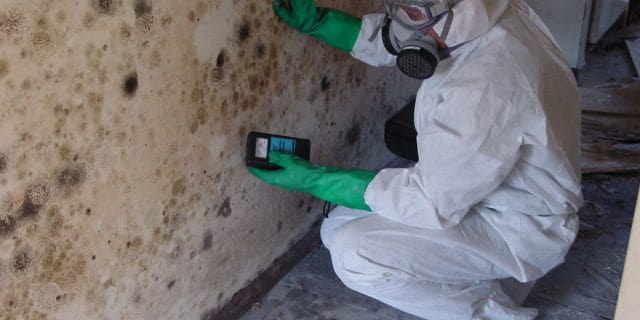
Our technician team holds IICRC certification, which means the people physically working in your home have been formally trained and tested to the S520 Standard for Professional Mold Remediation the industry’s governing benchmark. That’s not a wall decoration. It’s the difference between a crew that knows the protocol and one that’s improvising.
Hauppauge’s older residential sections particularly the homes built in the 1940s through 1960s near the northwest end of the hamlet are exactly the kind of properties we’ve spent three decades working in. The mid-century housing stock, the aging basement systems, the crawl spaces without vapor barriers none of it is new to us.
The Mold Remediation Process in Hauppauge, NY
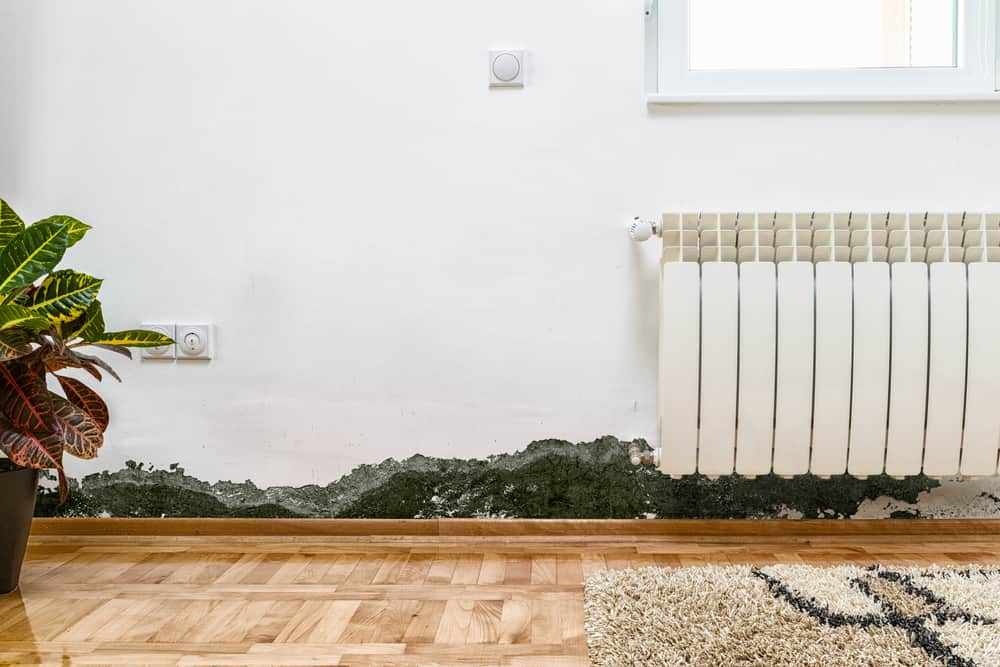
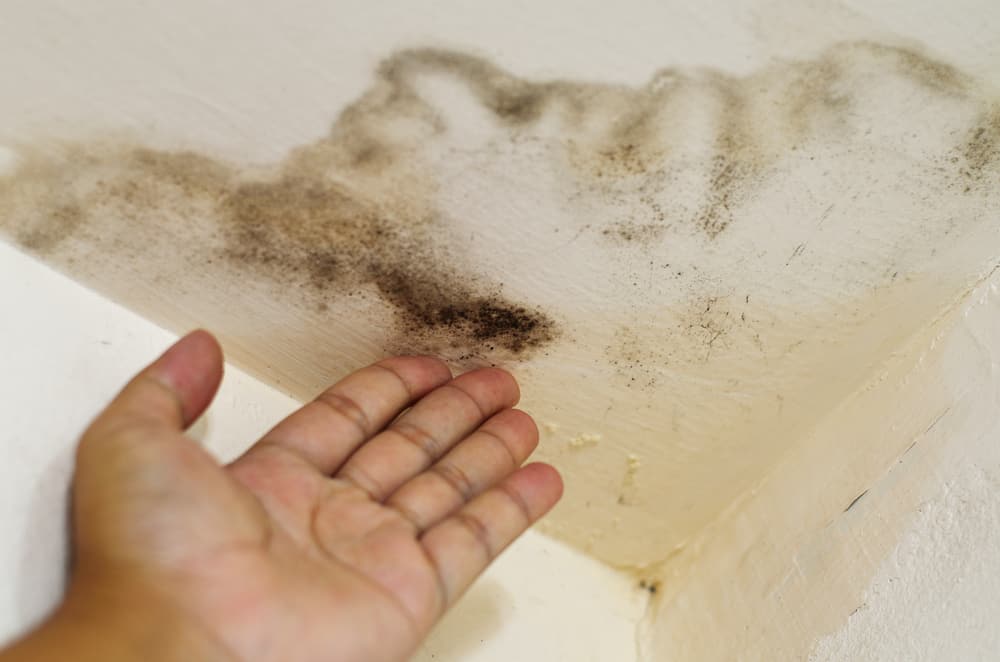
It starts with finding where the moisture is coming from. Not where the mold is where the water is. Because if you remove the mold without fixing the source, you’re going to be making another call in 18 months. In Hauppauge, that source is often a failing basement waterproofing system in an older home, a crawl space without a proper vapor barrier, a sump pump that gave out during a nor’easter, or summer attic condensation building up in a space that was never properly ventilated to begin with.
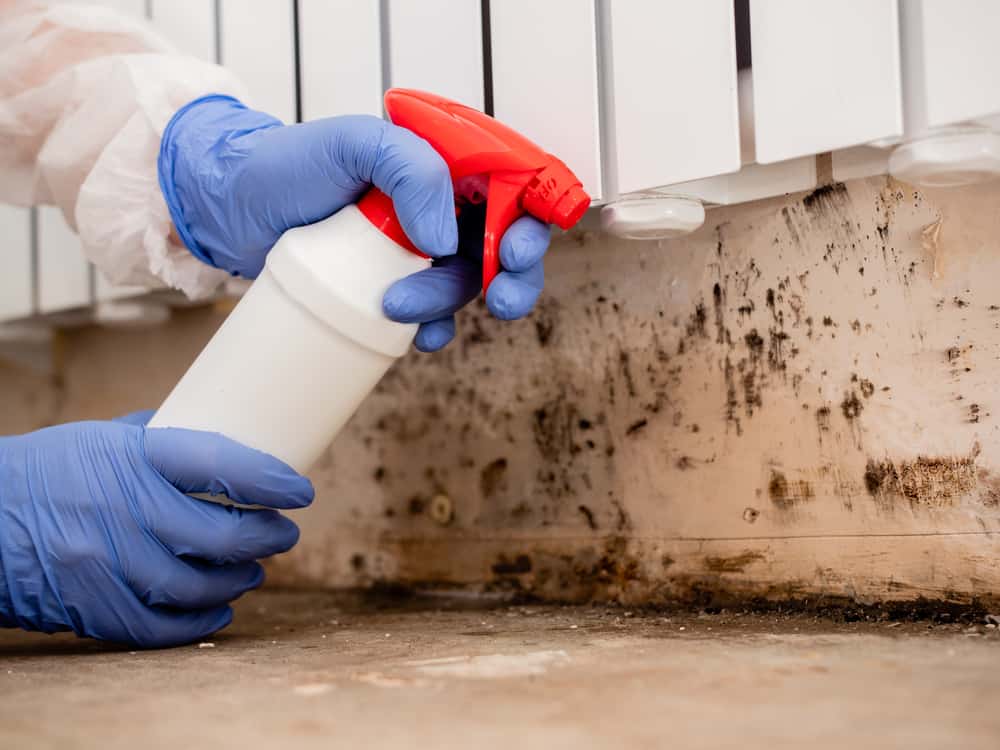
Once the source is identified and addressed, the remediation work begins: containment to prevent spores from spreading to unaffected areas, removal of contaminated materials, HEPA filtration to capture airborne particles, antimicrobial treatment of affected surfaces, and structural drying to bring moisture levels back to normal. Because Hauppauge straddles both the Town of Islip and the Town of Smithtown, any structural repairs that follow drywall replacement, insulation, framing may require a building permit from one of those two municipal departments depending on where your property sits. We can help you understand which jurisdiction applies.
When the remediation is complete, post-remediation air quality testing confirms the result. You get documentation you can hold onto for your insurance company, your real estate attorney, or simply your own confidence that the job was done right. And because we also operate an integrated cleaning division, the final cleaning of all affected surfaces and areas is handled by the same company, not handed off to someone else.
Ready to get started?
Professional Mold Remediation Services in Hauppauge, NY
This isn’t a company that shows up, sprays something on the wall, and calls it done. Every mold remediation job we handle follows the full protocol moisture mapping, containment, removal, HEPA filtration, antimicrobial treatment, structural drying, and post-remediation verification. Our integrated cleaning division means the final step cleaning all affected surfaces, contents, and areas is handled in-house, not subcontracted.
For Hauppauge homeowners dealing with basement mold, the work often involves addressing the underlying waterproofing failure that allowed moisture to enter in the first place. Crawl space mold remediation in the hamlet’s older ranch-style homes typically includes vapor barrier assessment and, where needed, encapsulation to prevent recurrence. Attic mold remediation which spikes in Hauppauge during the summer months when humidity builds in poorly ventilated attic spaces includes evaluation of the ventilation system that allowed the moisture to accumulate. Black mold remediation follows the same full-protocol approach, with added attention to containment and personal protective equipment given the elevated health risk.
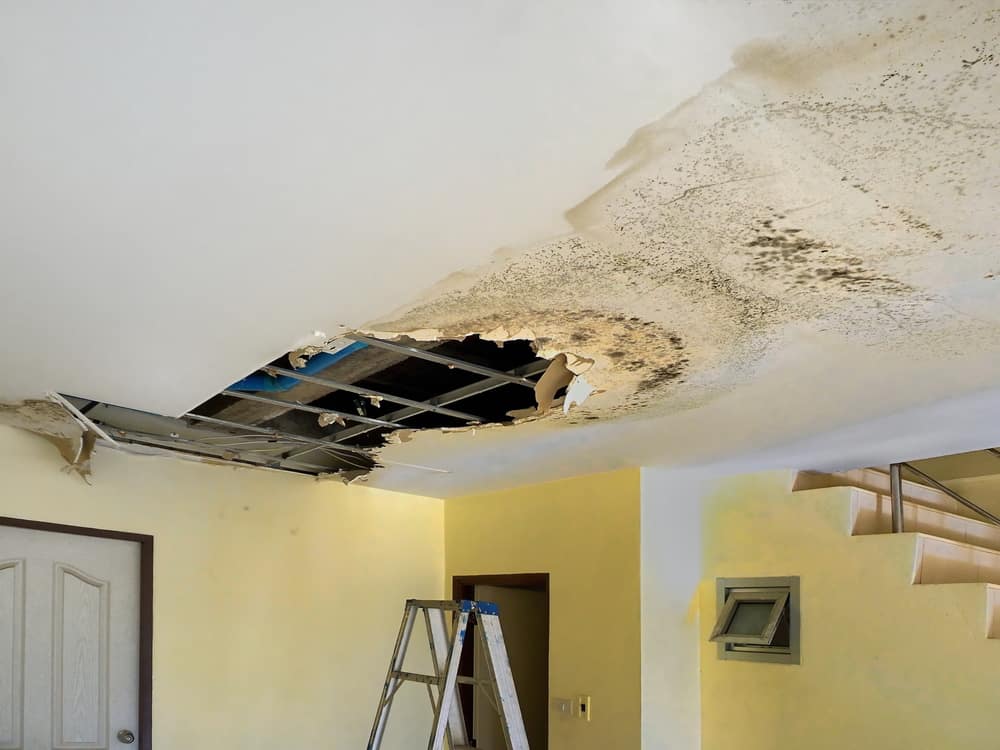
If your mold situation resulted from a covered water event a burst pipe, an appliance failure, a roof leak during a storm we can help document the damage in the format your insurance company needs. Emergency mold remediation response is available around the clock, because the 24 to 48 hour window between water intrusion and active mold growth doesn’t align with business hours.
How much does mold remediation cost in Hauppauge, NY?
The honest answer is that it depends on what’s actually there. Nationally, most residential mold remediation projects fall somewhere between $1,200 and $3,800, with an average around $2,300. In Hauppauge, where a significant portion of the housing stock dates back to the 1940s through 1960s, costs can run higher particularly when the mold has had years to establish itself in structural materials like framing, subfloor, or original plaster walls.
Attic remediation in Hauppauge typically runs $1,500 to $9,000 depending on the extent of the growth and whether the ventilation system needs correction. Crawl space remediation ranges from $500 to over $6,000 if encapsulation is needed. Basement mold can range from a few hundred dollars for a small surface issue to well over $10,000 if structural materials are involved. The best way to get an accurate number is a proper assessment not a phone estimate based on square footage.
What's the difference between mold remediation and mold removal?
Mold removal is one step inside the larger process of mold remediation. When a company says they “remove mold,” they’re describing the physical act of taking out contaminated materials drywall, insulation, framing, whatever has been affected. Remediation is the complete process: identifying the moisture source, containing the affected area, removing contaminated materials, treating surfaces with antimicrobial agents, filtering the air with HEPA equipment, drying the structure, and verifying through post-remediation testing that the work is actually done.
The reason this distinction matters is that mold removal without remediation is one of the most common reasons mold comes back. If you pull out the drywall but don’t address why moisture was getting in a failing basement wall, a crawl space without a vapor barrier, inadequate attic ventilation you’re going to find yourself in the same situation within a year or two. Remediation fixes the problem. Removal just addresses the symptom.
Does homeowner's insurance cover mold remediation in New York?
It depends on what caused the mold. In New York, homeowner’s insurance policies generally cover mold remediation when it results from a sudden, covered water event a burst pipe, an appliance overflow, a roof leak from storm damage. What most policies do not cover is mold that developed from long-term moisture accumulation, a slow leak that went undetected, or maintenance issues the homeowner could have addressed.
For Hauppauge homeowners, the most common gray area involves sump pump failures. If your sump pump failed during a nor’easter and the basement flooded, whether that’s covered depends on whether you have water backup coverage as a rider on your policy it’s not standard in most base policies. The documentation you provide matters enormously in these situations. We can help you document the damage in the format insurers require, which significantly affects how the claim is processed.
How do I know if a mold remediation company in Hauppauge is properly licensed?
Under Article 32 of the New York State Labor Law, which has been in effect since January 1, 2016, it is unlawful for any person to perform mold remediation in New York without a valid state-issued mold remediation contractor license. This applies to every company operating in Hauppauge and in the broader Long Island market, compliance levels vary more than most homeowners realize.
You can verify any company’s license directly through the NYS Department of Labor’s online license lookup tool. Search by the company name or the individual’s name. What you want to confirm is that the license is current, that it covers mold remediation specifically, and that it is held by the person or entity actually performing the work not a licensed employee who may have no involvement in your job. Richard Peterson, our owner, holds personal NYS licenses in both mold assessment and mold remediation. That’s verifiable, and you should verify it before hiring anyone for this work.
Why does mold keep coming back after it's been treated in my Hauppauge home?
Because the moisture source was never fixed. Mold is a symptom of a moisture problem, and if the moisture problem is still there after the mold is cleaned up, the mold will return. This is the single most common complaint about mold remediation jobs that didn’t hold the visible mold was addressed, but the underlying cause was ignored.
In Hauppauge’s older housing stock, the most frequent culprits are basement waterproofing systems that have degraded after 50 to 70 years, crawl spaces that were built without vapor barriers and have been accumulating moisture for decades, and attic spaces with inadequate ventilation that trap humidity during the summer months. A proper remediation starts with moisture mapping identifying exactly where the water is coming from and how it needs to be corrected before any mold is removed. If the company you hired didn’t start there, that’s likely why you’re having this conversation again.
Can I stay in my Hauppauge home during the mold remediation process?
In most cases, yes but it depends on the location and extent of the mold. If the affected area is contained to a basement, crawl space, or attic and proper containment barriers are in place, the rest of the home is typically accessible during remediation. HEPA air filtration runs continuously in the work area to prevent spores from migrating to other parts of the house.
Where temporary relocation becomes a real consideration is when mold is present in living areas bedrooms, living rooms, or anywhere with central HVAC involvement, since an affected duct system can distribute spores throughout the entire home. This is more common in Hauppauge’s older homes where original ductwork may not have been properly maintained or inspected in years. If there’s any question about whether the HVAC system has been compromised, that needs to be evaluated before a decision about occupancy is made. We’ll give you a straight answer on this during the assessment not a blanket reassurance designed to keep the job moving.
Useful Links
Other Services we provide in Hauppauge